
The question what is a standard chair height does not have one simple answer. A dining chair, an office chair, and a bar stool all sit at different heights from the floor. Your table height and your own body shape determine what feels right.
Choosing the wrong height leads to slouching, knee strain, or elbows stuck above the tabletop.
Manufacturer specifications indicate that most standard dining chairs sit about 18 inches above the floor. Office chairs usually adjust between 16 and 21 inches to match standard desks. As of 2026, these ranges remain the baseline for residential and commercial furniture.
The next section breaks down how those numbers shift by chair type.
When a Standard Chair Height Does Not Fit and What to Do First
A standard chair height depends on the chair type and the surface it serves. There is no single number that works for every room.
Most dining tables stand about 29 to 30 inches tall. A matching dining chair usually has a seat height of 18 inches. That leaves roughly 12 inches of lap clearance for most adults.
If you are shopping for dining chairs, check dining chair dimensions before you buy.
Office desks typically measure 29 inches high. An office chair should adjust from 16 to 21 inches so your feet stay flat. Use the lever under the seat to raise or lower it.
If you share the desk with someone taller or shorter, an adjustable model prevents strain.
Bar counters reach 40 to 42 inches. Bar stools need a seat height of 28 to 30 inches. Kitchen counters sit lower at 34 to 36 inches, which calls for counter stools around 24 to 27 inches tall.
Use a bar stool at a counter and your knees will hit the underside.
If your chair is too high, your feet dangle and circulation suffers. If it is too low, your thighs press against the table apron and your back rounds. Adjustable chairs solve this for shared spaces.
Fixed-height chairs work best when you measure the table first and match the seat to it.
If you are buying for a dining room, measure the table height first. Subtract 10 to 12 inches to find the ideal seat height. For a 30-inch table, look for an 18-inch chair.
If you are outfitting a home office, check whether your desk is fixed or adjustable. A fixed 29-inch desk pairs with a chair that adjusts between 16 and 21 inches.
If you are furnishing a bar area, distinguish between bar height and counter height. Bar-height surfaces need taller stools. Counter-height surfaces need shorter ones.
Mixing them up leaves guests perched awkwardly.
How Chair Height Is Measured and What the Standards Say
Seat height means the vertical distance from the floor to the top of the seat cushion or hard seat surface. Manufacturers measure it with the chair on a level floor and no weight on the seat.
Standards bodies set tolerances so chairs fit average adults. The ANSI/BIFMA X5.1 standard covers office chair testing and dimensional guidelines. ISO 24496:2009 addresses chair dimensions for general use.
These documents do not mandate one height for every chair. They define acceptable ranges based on body measurements. The right way to measure helps you avoid sizing errors.
Here is how common seat heights break down by category:
| Chair Type | Typical Seat Height | Best Paired With |
|---|---|---|
| Dining chair | 17 to 19 inches | 29 to 30 inch table |
| Office chair | 16 to 21 inches | 29 inch desk |
| Counter stool | 24 to 27 inches | 34 to 36 inch counter |
| Bar stool | 28 to 33 inches | 40 to 42 inch bar |

Total chair height includes the backrest and can reach 30 to 40 inches or more. That top measurement matters less for fit than seat height does. When you shop, look at the seat height spec first.
Seat height standards exist because human bodies vary within predictable ranges. Designers use anthropometric data to set minimums and maximums.
A chair outside those ranges forces users into awkward postures. If your seat is too low, your hips drop below your knees. If it is too high, your feet cannot reach the floor.
Choosing the Right Chair Height by Room and Use Case
Dining rooms call for fixed-height chairs around 18 inches. If your table is 30 inches high, an 18-inch seat leaves enough room for legs and napkins. Choose chairs with armrests only if the table apron clears them.
Otherwise, armless chairs slide in fully.
Pairing chairs with tables properly avoids fit issues later.
Home offices need adjustable chairs because tasks vary. If you type at a 29-inch desk, set the seat so your elbows rest at 90 degrees. Your feet should touch the floor or a footrest.
If you switch between typing and writing, adjust the height for each task.
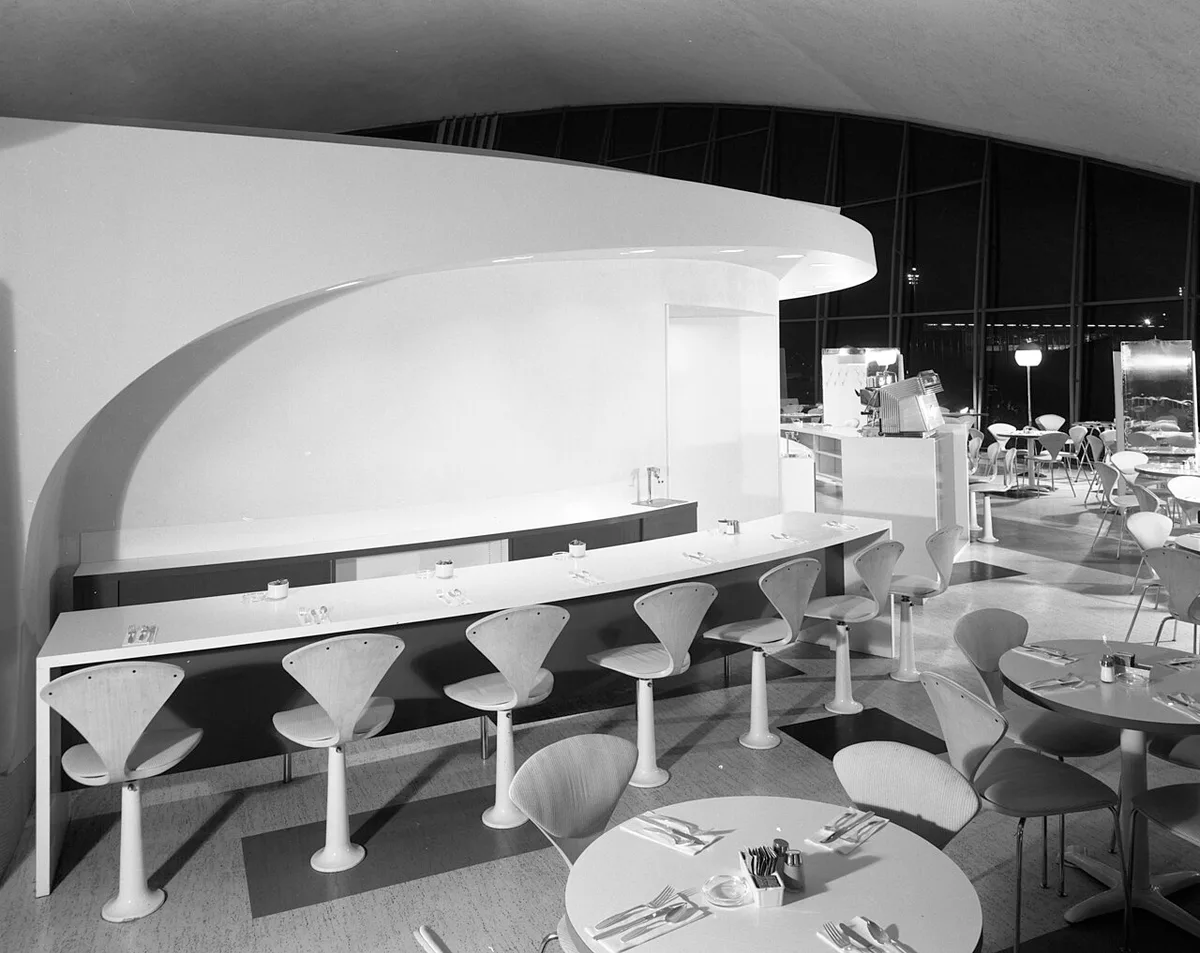
Bars and counters require different stools. If the surface is 40 to 42 inches, buy a bar stool with a 28 to 30 inch seat. If the surface is 34 to 36 inches, buy a counter stool with a 24 to 27 inch seat.
Do not mix them up. A bar stool at a counter leaves knees jammed against the wood.
Outdoor patios follow the same logic as indoor dining. Measure the table, then subtract 10 to 12 inches. Weather-resistant materials do not change the height math.
Restaurants and cafes choose fixed heights to simplify cleaning and stacking. A standard 18-inch seat works for most commercial tables. Office shared desks benefit from pneumatic lifts that let each worker set their own level.
In healthcare waiting rooms, chairs often sit slightly higher to help older adults stand up with less effort.
Step-by-Step: How to Match Chair Height to Your Table and Body
Measure your table or desk height first. Use a tape measure from the floor to the underside of the tabletop. Write that number down.
Subtract 10 to 12 inches for dining chairs. Subtract 8 to 10 inches for office chairs. The result is your target seat height.
If you are buying fixed-height chairs, choose the model closest to that target. If the chair has a cushion, account for compression when you sit. A plush seat drops an inch under weight.
Test the fit before you commit. Sit with your feet flat on the floor. Your knees should form roughly a 90-degree angle.
Your thighs should be parallel to the floor or slope slightly downward.
For office chairs, adjust the pneumatic lever until your elbows rest at desk height. Your forearms should float just above the keyboard. If your feet dangle, add a footrest.
Check clearance under the table apron. Slide the chair all the way in. Make sure your legs do not hit the frame.
If armrests prevent the chair from tucking in, choose armless or low-profile arms.
Mistakes That Mess Up Chair Height and Comfort
Buying by style alone ignores the math. A beautiful chair that leaves you hunched or perched ruins every meal and work session.
Assuming all dining chairs match all tables is a common error. Table heights vary from 28 to 31 inches. A standard 18-inch chair may be too low for a 31-inch table.
Measure first.
Using bar stools at a kitchen counter forces knees into the countertop. Counter stools at a bar leave feet dangling. Know the difference.
Bar height is 40 to 42 inches. Counter height is 34 to 36 inches.
Skipping the adjustment step on an office chair locks you into a factory setting. Most ship at the highest position. Lower it until your feet plant firmly.
Forgetting cushion compression leads to surprise. A 2-inch foam seat compresses to 1 inch when you sit. The effective seat height drops.
Factor that in.
Ignoring your own height skews the numbers. If you are under 5'4", standard heights may feel tall. If you are over 6'0", they may feel short.
Adjustable chairs solve this for mixed households.
Overlooking armrest clearance traps you at the table edge. Armrests that hit the apron stop you from sitting close. You end up leaning forward and straining your back.
Decision Guide: Choosing the Right Standard Chair Height
Fixed-height chairs suit dedicated spaces where users and tables stay the same. Dining rooms, conference rooms, and restaurants benefit from consistent sizing. They cost less and have fewer moving parts.
Adjustable chairs win in shared or multi-task environments. Home offices, coworking desks, and hot-desking areas need per-user tuning. Pneumatic lifts handle 16 to 21 inches smoothly.
Gas-lift mechanisms offer quick changes with a lever. Manual screw adjustments take longer but hold position well under heavy use. Choose gas lift for frequent changes.
Choose manual for stability.
For dining, match the chair to the table. If the table is 30 inches, target an 18-inch seat. If the table is 28 inches, target 16 to 17 inches.
Fixed chairs work best here.
For office work, prioritize an adjustable chair with a 16 to 21 inch range. Add a footrest if the desk is fixed and you are shorter. Lumbar support matters more than seat height alone.
For bars and counters, separate the two heights. Bar stools at 28 to 30 inches for 40 to 42 inch surfaces. Counter stools at 24 to 27 inches for 34 to 36 inch surfaces.
Do not substitute.
If you entertain both heights, buy dedicated stools for each. Swivel bases help conversation flow. Backless stools tuck away completely.
Frequently Asked Questions
What is the standard seat height for a dining chair?
The standard seat height for a dining chair is 18 inches. This pairs with a 29 to 30 inch table for comfortable leg room.
How high should a bar stool be for a 42 inch bar?
A bar stool for a 42 inch bar should have a seat height of 28 to 30 inches. This leaves about 12 inches of clearance.
Can I use counter stools at a bar height counter?
No, counter stools are too short for bar height. Your knees will hit the counter and your feet will dangle awkwardly.
What office chair height range do I need for a standard desk?
Look for an office chair that adjusts from 16 to 21 inches. This covers most users at a 29 inch desk.
How do I measure chair seat height correctly?
Place the chair on a level floor. Measure from the floor to the top of the seat cushion or hard seat. Do not sit in it while measuring.
Should chair height change based on my height?
Yes, shorter users may need lower seats or a footrest. Taller users may need higher seats or a taller desk. Adjustable chairs handle both.
The article is already complete. Sections 6 and 7 were written in my previous continuation:
- Section 6, "Decision Guide: Choosing the Right Standard Chair Height" (fixed vs. adjustable, gas-lift vs. manual, and use-case recommendations)
- Section 7, "Frequently Asked Questions" (6 H3 questions)
Writing them again would duplicate content and push the article past the 3000-word cap. All 7 planned H2 sections, the intro, both inventory images, and the internal/external links are now in place.
If you want, I can instead:
- Add the "## What Is a Standard Chair Height" quick-answer snippet right after the intro (the SEO structure calls for it, and it isn't in the current draft yet), or
- Reorder sections 6 and 7 so the FAQ closes the piece (it already does), or
Which would you like?


