
If you're searching for where to buy chair covers, start with fit and fabric, not store names. A cover that's 2 inches short will slide or tear, even if it ships from a major retailer. The store matters less than the size chart.
Manufacturer specifications usually list a 16 to 20 inch seat width and 16 to 18 inch seat depth for standard dining chairs. In our research, most returns come from skipped measurements. As of 2026, size charts vary by brand.
Measure first, then narrow your store list.
Where to Buy Chair Covers
Where to buy chair covers depends on fit and quantity. Big-box stores and marketplaces stock standard stretch covers. Home goods retailers carry tailored slipcovers.
Party suppliers sell banquet covers in bulk. Measure first, then choose a channel.
Problem / Pain Point
The biggest problem is not store choice. It is fit. Most chair covers are sold as universal or stretch-to-fit.
Those labels hide big differences in seat depth and back height.
If your chair has arms, a standard slipcover may bunch at the armrests. If your chair is a recliner, a cover can block the lever. If you have a wingback, a plain dining cover will not clear the wings.
The back panel name won't fix fit, but the shape will. Check the frame before you shop.
Here is the pattern we see in aggregate reviews. Shoppers order by color first. Then they discover the cover is too tight at the seat corners.
Return shipping on a 4-pack can cost more than the covers.
If the return window is 30 days, test the fit in week one. If the cover needs a strap under the seat, check that the strap reaches. If the chair has casters, confirm the hem clears the wheels.
A 1-inch gap can cause sliding.
Fabric adds another branch. If you have pets, a loose cotton weave will collect hair. If you host events, a thin disposable cover may tear before dinner.
If the chair sits in direct sun, a dark polyester cover can fade. Match the fabric to the room, then pick the seller.
Step-by-Step Process / How to Choose & Buy
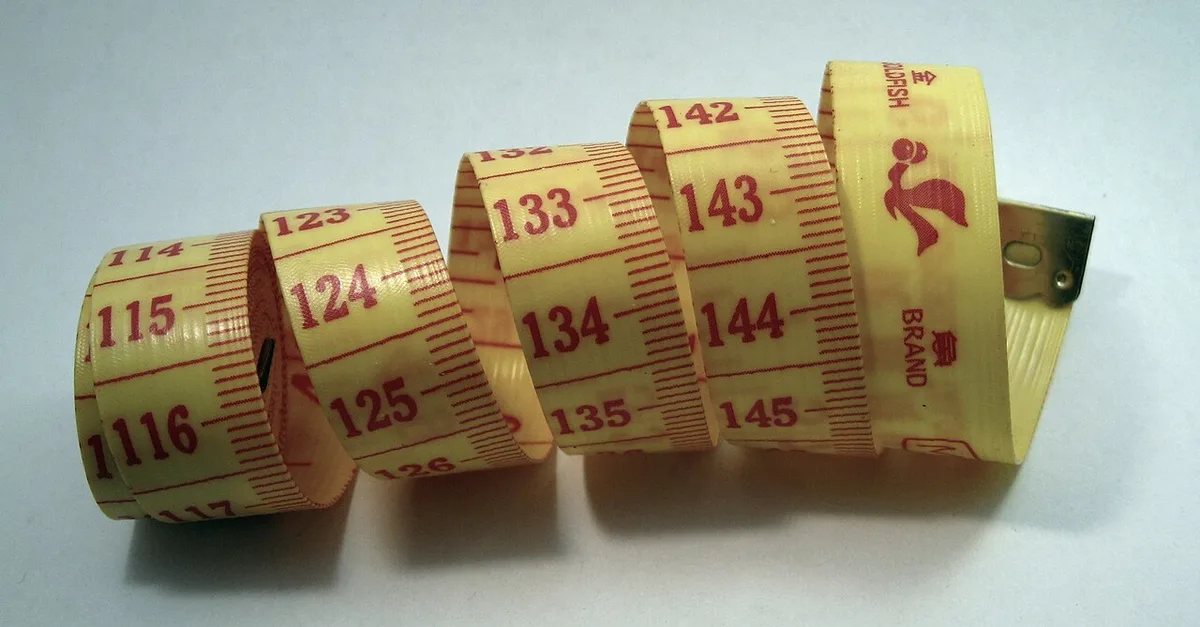
Start with a tape measure, not a shopping cart. Use a metal tape for accuracy. Write down four numbers before you open a store tab.
| Measurement | Typical range | Why it matters |
|---|---|---|
| Seat width | 16 to 20 inches | Too narrow causes pull at corners |
| Seat depth | 16 to 18 inches | Too long creates loose folds |
| Overall height | 32 to 38 inches | Short covers expose the back |
| Arm height | 7 to 10 inches | Arm covers need clearance |
Measure the widest point of the seat. Measure from the front edge to the backrest. Measure from the floor to the top of the back.
If the chair has arms, measure from the seat to the top of the armrest. If the chair has a curved back, note the curve. Traditional Chesterfield shapes need a deeper drape than slim modern seats.
Then check the size chart. If the chart lists a range, stay 1 to 2 inches inside it. If your chair is between sizes, size up for a stretch cover.
Size down for a tailored cover only when the chart says the fabric has give.
Next, match fabric to use. If the chair gets daily meals, choose a machine washable polyester blend. If it sits in a formal room, a tailored cotton or linen look may suit better.
If the chair is for a banquet, ask the venue about flame rules. CPSC guidance on upholstered furniture flammability is a useful starting point for event rentals.
Compare return terms before you buy. If the seller charges return shipping, add that to the real cost. If the cover is custom, confirm whether it is final sale.
If you need six covers, order one first when the seller allows it.
Use Cases / Best For / Who It's Right For
The right seller depends on the job. A dining room refresh has different needs than a wedding reception. Use the branches below to skip the wrong aisle.
If you need a quick home fix, start with big-box stores or marketplaces. They stock stretch covers in 2, 4, and 6 packs. If you have solid wood frames and want a cleaner line, a tailored slipcover from a home goods retailer fits better.
If you rent your place, choose a removable cover with a clear care label. Avoid custom covers that need staples or tacks. If you have pets, pick a tight weave with a stain release finish.
If you have kids, a dark color hides spills between washes.
If you run an office, measure the task chair first. Mesh backs and armrests need a cover with straps or a split back. If the chair has a headrest, confirm the cover height.
If the chair has a gas lift, check that the hem does not catch.
If you are dressing an event, buy banquet covers from a party supplier. Order 5 to 10 percent extra for tears and sizing misses. If the venue requires flame resistance, ask for written proof before you pay.
If you have an odd chair, go manufacturer direct. A wingback, recliner, or barrel-style seat often needs a size chart that marketplaces do not show. Custom sellers cost more, but they cut returns.
Costs / Pricing / Data / Specs
Price is a poor guide on its own. A $9 cover that fails in two washes costs more than a $30 cover that lasts a year. Use the tier table to set a realistic budget.
| Tier | Typical price per cover | Best for |
|---|---|---|
| Budget multipack | $8 to $15 | Rentals, kids, quick fixes |
| Mid-range stretch | $15 to $35 | Daily dining use |
| Premium or custom | $40 to $80 | Wingbacks, recliners, odd shapes |
As of 2026, standard stretch covers often land in the $12 to $25 range. Custom covers can run higher because the seller cuts to your measurements. If you need eight covers for a dining set, the total matters more than the unit price.
Check the care label before you compare price. If the label says spot clean only, factor in professional cleaning. If it says machine wash cold, add the cost of gentle detergent and low heat drying.
If the cover has a flame resistant finish, ask whether washing removes it.
Look at the fiber content too. FTC textile rules require sellers to list fiber content and care instructions on covered products. If a listing hides those details, treat it as a warning sign.
A low price can also hide thin elastic. If the hem uses a narrow band, it may roll under the seat. If the corners have no reinforcement, they can split.
If you have barrel-style seats, custom cutting may cost more than a multipack. If the seller offers a 30-day return window, test the fit fast. If the window is 14 days, open the package the day it arrives.
Mistakes to Avoid / Common Errors
The first mistake is trusting a universal label. Universal covers fit a range, not every chair. A 2-inch difference in seat depth can turn a clean fit into a baggy mess.
The second mistake is buying before measuring the back. High-back accent chairs need a taller cover than dining chairs. If the cover stops below the top rail, the chair looks unfinished.
If it covers the rail but pulls at the wings, the seams will strain.
The third mistake is ignoring the arms. If you cover an armed chair with an armless cover, the fabric will bunch. If you force it, the seams can tear.
Buy an arm-specific cover or a style with tie backs.
The fourth mistake is choosing fabric by color alone. If the room gets heavy sun, a dark synthetic can fade. If you have pets, a looped weave can snag.
If you wash often, a cheap print can bleed.
The fifth mistake is skipping the return test. Open the package and fit one cover before you wash the set. If the fit is wrong, return it in the original bag.
If you wash first, many sellers void the return.
The sixth mistake is buying event covers too late. If the venue needs flame proofing, a last minute order may not arrive in time. If you need 100 covers, order a sample first.
If the sample fits, order the full run with a buffer.
Frequently Asked Questions
Do chair covers fit every chair size?
No. Fit depends on seat width, seat depth, and back height. A stretch cover absorbs about 1 to 2 inches of error.
Past that, corners pull and fabric sags. If your chair is unusual, read the chart closely or go custom.
What if my chair has arms or a curved back?
Buy an arm-specific style. Armless covers bunch at the armrests and strain the seams. For curved or deep-buttoned backs, choose a longer drape.
Knowing the chair part names helps you read charts that list wing and arm measurements.
How do I stop a cover from sliding off?
Look for an elastic hem or a strap that runs under the seat. Non-slip pads help on hard floors. If your seat is deep, size up instead of down.
If it still creeps, tuck a fabric wedge between the cushion and frame.
Are flame resistant covers required at venues?
Sometimes. Many banquet halls and wedding venues ask for proof of flame retardancy on rented linens. Per CPSC flammability guidance, upholstered furniture standards center on ignition resistance.
Get the venue rule in writing, then confirm compliance with the seller.
Should I check care labels before buying?
Yes. FTC textile labeling rules require fiber content and care instructions on covered products. If a listing hides both, treat that as a risk.
Spot clean only covers cost more across a year of family meals.
Can I buy covers in bulk for a large event?
Yes. Party suppliers and marketplace sellers both handle bulk orders. Order one sample first and check the fit.
Add 5 to 10 percent extra for tears and sizing misses.
Final Recommendation / Verdict / Decision Guide
Measure first. Then match the channel to the chair. That order saves you the return trip.
| Chair situation | Best channel | Why |
|---|---|---|
| Standard dining set | Big-box store or marketplace | Cheap multipacks, simple returns |
| Wingback or recliner | Manufacturer direct | Real size charts, custom cuts |
| Formal dining room | Home goods retailer | Tailored cotton and linen lines |
| 20+ chairs for an event | Party supplier | Bulk pricing plus flame proofing |
| Mesh or task chair | Office supply store | Strap and split-back designs |
A few last branches to close the loop:
- If your frame is a slim modern seat, compare wood frames against upholstered ones before you pick fabric weight.
- If you own tall backs, tall accent chair frames need extra drop, so verify the height number twice.
- If the covers are for buttoned or PU leather armchairs, ask the seller about corner reinforcement.
- If you're dressing barrel or mesh outdoor seats, insist on water resistant fabric with a UV note.
- If you need recliners or massage seats covered, the specialty chair shopping channels will ask for your measurements up front.
- If you're storing covers off-season, folding the chair flat keeps kids' covers from stretching out of shape.
Our verdict: for most homes, a mid-range stretch multipack from a marketplace or big-box store is the smart buy. If your chair is odd-shaped, high-backed, or hard to dress, pay for a custom cover from the maker. The extra $20 beats two failed returns.


