
Shopping for a sofa bed feels overwhelming because the market mixes great sleepers with lumpy afterthoughts. You need a piece that sits well daily and actually supports a guest overnight. Learning how to choose a sofa bed starts with matching the mechanism and mattress to your real use case.
Skip the showroom hype and focus on the specs that determine comfort and longevity.
Most frames rated for 250 pounds per seat will sag within a year if two adults sleep on them regularly. The CPSC mandates mattress flammability compliance under 16 CFR Part 1633 for every sleeper sold in the US. That label tells you the mattress meets a safety floor but says nothing about how it feels after three nights.
Let's break down the decision process so you buy once.
How to Choose a Sofa Bed
Choose a sofa bed by measuring your space first then matching the mechanism to how often guests stay. Pick a mattress thickness of at least six inches for weekly use. Select a welded steel frame with a one pull action for daily conversion.
Verify the closed depth fits your doorways and the open length leaves walking room.
Problem / Pain Point
You walk into a store and every model looks similar in the showroom lighting. The sales pitch highlights fabric color and cup holders not the steel gauge or coil count. You sit for thirty seconds, it feels fine, and you order.
Six months later the mechanism binds, the mattress develops a ridge, and your back hurts after one night. Returns on oversized furniture often cost hundreds in shipping and restocking fees. That frustration repeats because the buying process skips the structural details that actually matter.
Common scenarios create specific pain points. Studio dwellers convert the sofa daily and wear out click clack hinges fast. Airbnb hosts need commercial grade durability but buy residential models to save money.
Families with narrow stairwells discover the queen sleeper will not clear the turn. People with mobility issues struggle with heavy pull out frames that require two hands and a strong back. Each situation demands a different spec sheet not a one size fits all recommendation.
Core Explanation / How It Works
A sofa bed combines a seating frame with a folding mattress platform. The mechanism determines how the mattress stores and deploys. Three main types dominate the market.
Pull out models hide a folded mattress and metal frame inside the sofa base. You remove seat cushions, grip a handle, and pull the frame forward. The mattress unfolds as the frame extends.
This design keeps the seating cushions separate from the sleep surface. It offers the thickest mattress option but weighs the most.
Click clack or fold down models use the seat and back cushions as the mattress. You release a latch and fold the back cushion flat. The seat cushion stays in place.
No separate mattress exists. Conversion takes seconds but the sleep surface feels firm and shows a seam down the middle.
Trundle models pull a second mattress from under the seat on rollers. The main sofa stays intact. The trundle mattress sits lower than a standard bed height.
This works for kids or occasional use but lacks adult support for regular guests.
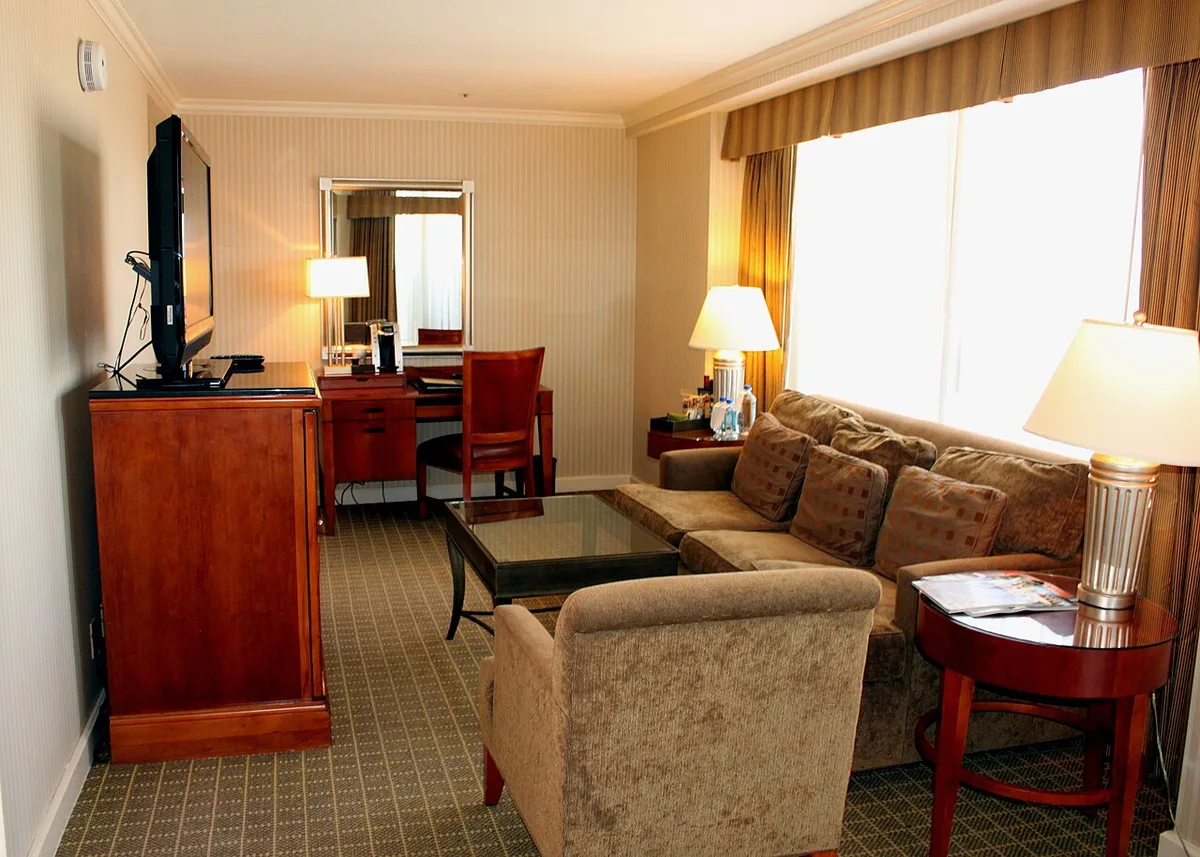
Image source: Wikimedia Commons / Prayitno / Thank you for (12 millions +) view from Los Angeles, USA (CC BY)
Frame material drives longevity. Kiln dried hardwood resists warping better than engineered wood. Welded steel mechanisms outlast riveted ones.
Sinuous springs under the seat cushions provide bounce. Pocket coils inside the sleeper mattress contour to the body. The interaction between frame springs and mattress coils defines the sit and sleep feel.
Features / Components / What's Inside
The mattress decides whether guests wake rested or sore. Thickness ranges from four to eight inches. Four inch innersprings suit once a year use.
Six inch memory foam or hybrid works for monthly guests. Eight inch premium hybrids handle weekly sleepers. Density matters more than thickness alone.
Look for 1.8 pound per cubic foot foam minimum. Innerspring coil counts above 300 in a queen indicate better support.
Upholstery must withstand two friction zones. Seat cushions see daily wear. The mattress cover endures body oils and heat.
Performance fabrics rated 30000 double rubs handle both. Microfiber cleans easily but pills over time. Leather ages well but sleeps hot.
Linen blends breathe but stain without treatment. Check the cleaning code tag. W means water based cleaner safe.
S means solvent only. WS means both. X means vacuum only.
Frame construction separates tiers. Budget frames use stapled plywood and plastic glides. Mid tier adds corner blocks and metal brackets.
Premium frames feature mortise and tenon joinery with hardwood legs. The mechanism warranty tells the real story. One year on moving parts signals low confidence.
Five to ten years or lifetime on the mechanism means the manufacturer expects it to last.
Storage features add function. Under seat drawers hold bedding. Chaise lift compartments hide bulky comforters.
These add weight and cost but solve the linen closet problem. Arm style affects room flow. Track arms save inches.
Roll arms look traditional but add width. Armless models maximize seat width in tight spaces.
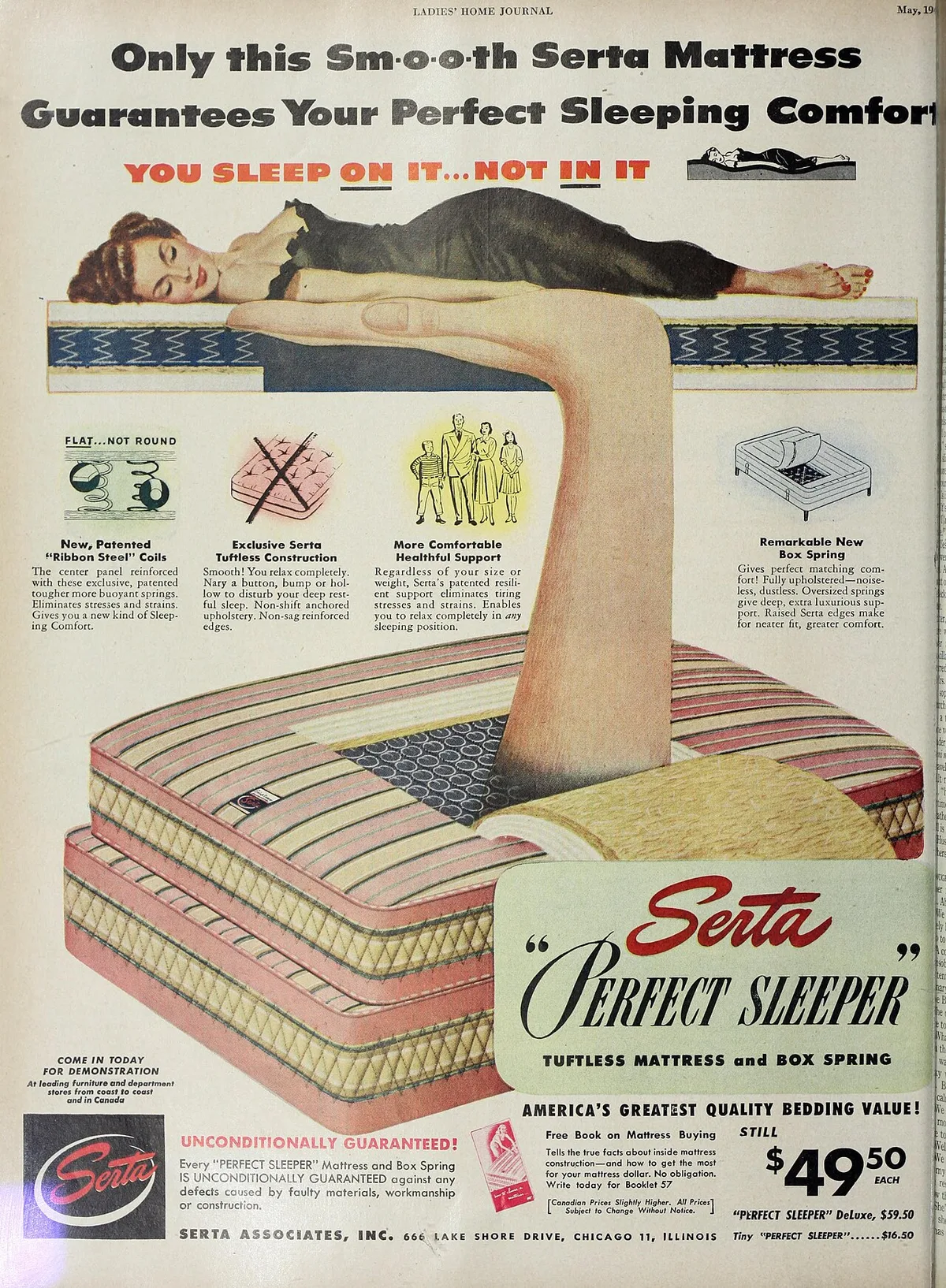
Image source: Wikimedia Commons / Internet Archive Book Images
| Component | Budget Spec | Mid Tier Spec | Premium Spec |
|---|---|---|---|
| Mattress thickness | 4 in innerspring | 6 in memory foam | 8 in hybrid |
| Foam density | 1.2 lb/ft³ | 1.8 lb/ft³ | 2.2 lb/ft³ |
| Frame material | Engineered wood | Hardwood + plywood | Kiln dried hardwood |
| Mechanism warranty | 1 year | 5 years | Lifetime |
| Fabric double rubs | 15000 | 25000 | 30000+ |
Step-by-Step Process / How to Guide
Start with a tape measure. Record your room width depth and ceiling height. Measure every doorway hallway and stairwell turn the sofa must pass.
Subtract four inches from the narrowest clearance for maneuvering room. That number is your maximum closed width.
Define your use frequency. Occasional means a few nights per year. Regular means monthly.
Frequent means weekly or daily. Occasional buyers can choose click clack or thin pull out. Regular buyers need six inch minimum mattress.
Frequent buyers need eight inch hybrid on a welded steel frame.
Set a realistic budget tier. Budget tier runs three hundred to seven hundred dollars. Mid tier runs eight hundred to fifteen hundred.
Premium starts at sixteen hundred. As of 2026 a quality queen pull out with six inch mattress rarely sells below one thousand. Plan for white glove delivery if stairs are involved.
Curbside drops leave you moving three hundred pounds alone.
Test in person when possible. Sit on the sofa for ten minutes. Feel the frame through the cushion.
Unfold the mechanism yourself. Note resistance and noise. Lie on the mattress in your sleep position.
Check edge support by sitting on the perimeter. Ask the salesperson for the spec sheet not the brochure. Verify coil count foam density and frame material in writing.
Order with a clear return policy. Look for thirty day minimum home trial. Confirm who pays return shipping.
Some brands charge two hundred plus for pickup. Read the warranty exclusions. Stains void fabric coverage.
Improper assembly voids frame coverage. Keep the law tag and receipt photographed.
Comparison / Alternatives / Options
A sofa bed is not the only way to host overnight guests. Each alternative trades space cost and comfort differently.
Futons cost less and convert fast. The mattress sits directly on a slat frame. No mechanism means fewer break points.
But the mattress folds in thirds creating seams. Most futon mattresses are four to five inches thick. They suit college apartments and kids rooms not adult guests.
Air mattresses plus a regular sofa cost the least. A quality air bed runs one hundred to two hundred dollars. You store it flat in a closet.
Setup takes five minutes with an electric pump. Punctures happen. Air loss overnight is common.
Guests feel the floor by morning. This works for one night not a week.
Murphy beds mount to the wall and fold down. They use a standard mattress so comfort matches a real bed. The cabinet adds storage or a desk.
Installation requires wall studs and professional help. Cost starts at two thousand plus installation. You lose wall space but gain a true bedroom feel.
Trundle beds pull from under a daybed or twin frame. The second mattress sits on rollers. Height stays low.
Good for kids sharing a room. Adults find the low profile hard to rise from. Not a primary guest solution.
Sofa bed vs air mattress comes down to frequency. One or two nights a year the air bed wins on price and storage. Monthly or more the sofa bed wins on comfort and convenience.
The break even lands around four nights per year for most buyers.
For deeper comparisons on specific models our best sleeper sofas guide breaks down top tested picks by mechanism and mattress type.
Mistakes to Avoid / Common Errors
You skip the doorway measurement and discover the sleeper arrives in three boxes too wide for the hallway. You assemble it anyway and ruin the fabric while forcing it through the door. Another frequent error is choosing a thin four-inch mattress for nightly use.
The foam bottoms out within months and guests report back pain every morning. You also see people ignore the weight capacity decal. A frame rated for 250 pounds per seat fails under two adults, bending the metal mechanism and squeaking nightly.
Conversion method mismatches cause frustration too. A click-clack sofa feels fast in the showroom but jams after six months of weekly folding. Pull-out models with one-hand levers suit older users better than two-hand locks.
You also overlook the cleaning code tag. Spotting a wine spill on an S-code fabric and reaching for water ruins the upholstery permanently. Always test the mechanism three times in the showroom before buying.
Listen for grinding sounds. Feel for wobble in the frame. Check that the mattress sits flat without a center ridge.
These five checks save you from the most common buyer’s remorse calls to customer service.
Costs / Pricing / Data / Specs
Budget sofa beds under seven hundred dollars typically use engineered wood frames and four-inch innerspring mattresses. Expect a lifespan of two to three years with occasional use only. Mid-range models between eight hundred and fifteen hundred feature hardwood accents, six-inch foam or hybrid mattresses, and mechanisms rated for five-year warranties.
This tier suits monthly guests and regular readers who value comfort without premium pricing. Premium sofa beds start at sixteen hundred and climb toward three thousand for kiln-dried hardwood frames, eight-inch gel-infused hybrids, and lifetime mechanism warranties. You pay more for noise-free unfolding, higher coil counts, and performance upholstery that resists pilling.
As of 2026 the average queen pull-out with a six-inch mattress retails around one thousand two hundred dollars during holiday sales. Budget trundle attachments add one hundred to two hundred fifty dollars to the base price. Delivery fees range from free curbside to two hundred fifty dollars for white-glove room-of-choice setup.
Factor in a thirty percent contingency for unexpected assembly tools or replacement cushions. Price comparison sites often omit the frame gauge or foam density specs listed in the manufacturer PDF. Always request the spec sheet before committing to a purchase.
FAQ
How long does a sofa bed mattress last?
A quality six-inch hybrid mattress lasts seven to ten years with nightly use. Four-inch innersprings wear out in three to five years under the same conditions. Rotate the mattress monthly to extend lifespan.
Can one person unfold a queen sleeper alone?
Most pull-out mechanisms allow single-person deployment if you grip the handle firmly and pull straight out. Click-clack models often require two hands to fold the back cushion and seat simultaneously.
What cleaning code means WS?
WS stands for water or solvent based cleaner safe. You may use mild soap and water or gentle dry cleaning fluid depending on the stain type. Test on an inconspicuous area first.
Is a trundle bed comfortable for adults?
Trundle mattresses average six inches thick and suit teenagers or short-term adult use. Regular adults report pressure points after three consecutive nights due to the low profile and edge sag.
What is the standard sofa bed size?
Most standard sofa beds convert from a 78-inch closed sofa to an 84-inch open bed. Twin sizes dominate; full and queen options exist but require larger room dimensions.