
Finding how to choose a reclining sofa starts with matching the mechanism to your body and the room. Most shoppers focus on style first and regret it later. The right fit depends on seat depth wall clearance and who uses it daily.
We walk through the trade-offs so you can decide with confidence.
Manufacturer specs show a typical power recliner needs three to six inches of wall clearance for full extension. That number changes with wall-hugger models which need as little as two inches. Seat depth ranges from twenty-one to twenty-four inches and directly affects back support.
Let us break down each decision point.
How to Choose a Reclining Sofa
Match the recline type to your mobility needs and outlet access. Measure doorways and hallways before ordering. Check seat depth against your height.
Pick upholstery that fits your climate and cleaning habits. Verify weight capacity and warranty terms for the frame and motor.
Why the Reclining Sofa Choice Depends on Your Body, Space, and Budget
Your height drives seat depth comfort. A six-foot adult needs at least twenty-three inches of depth. Shorter users do better with twenty-one inches.
Room width decides between a standard recliner and a wall-hugger. Budget splits manual lever models from power units with adjustable headrests. Aggregate reviews indicate power models cost three hundred to eight hundred dollars more per seat.
That premium buys one-touch operation and memory presets. Manual levers last longer with fewer failure points. Small apartments favor wall-huggers.
Large media rooms handle full-clearance sectionals. List your must-haves before you shop.
Manual vs. Power Reclining Sofa: Mechanism and Comfort
Manual recliners use a side lever or push-back motion. They need body weight to engage. Power recliners run on a DC motor with a hand wand.
They stop at any angle. Manual units weigh less and move easier. Power units add USB ports and lumbar motors.
Consumer feedback shows power mechanisms fail after seven to ten years of daily use. Manual frames often outlast the fabric. If someone in the home has limited strength power is the safer pick.
Check for a battery backup on power models. That feature keeps the footrest down during outages.
| Feature | Manual Recliner | Power Recliner |
|---|---|---|
| Operation | Lever or push-back | Button or wand |
| Power needed | None | Grounded outlet |
| Adjustability | Preset positions | Infinite positions |
| Added features | Rare | USB lumbar heat |
| Typical lifespan | 15+ years frame | 7-10 years motor |
| Price premium | Baseline | +$300-$800/seat |
Wall-Hugger vs. Standard Reclining Sofa: Clearance and Support
Wall-huggers slide forward as they recline. They need two to four inches behind the back. Standard recliners pivot back and need twelve to eighteen inches.
Measure from the wall to the front of the seat cushion. Add the clearance number. That total is the depth you need.
Wall-huggers feel firmer in the upright position. The slide mechanism reduces seat depth by an inch when fully open. Standard models keep full depth through the range.
If you nap on the sofa standard gives a flatter surface. If the sofa sits in a tight walkway wall-hugger saves the traffic flow.
Leather vs. Performance Fabric: Upholstery Trade-Offs
Top-grain leather breathes and ages well. It costs more and scratches show. Bonded leather peels in humid climates.
Performance fabrics resist stains and fading. They clean with water and mild soap. Manufacturer data shows solution-dyed acrylic holds color for five years in direct sun.
Leather feels cold in winter unless the room is heated. Fabric stays temperature neutral. Pet owners prefer tight-weave performance fabric.
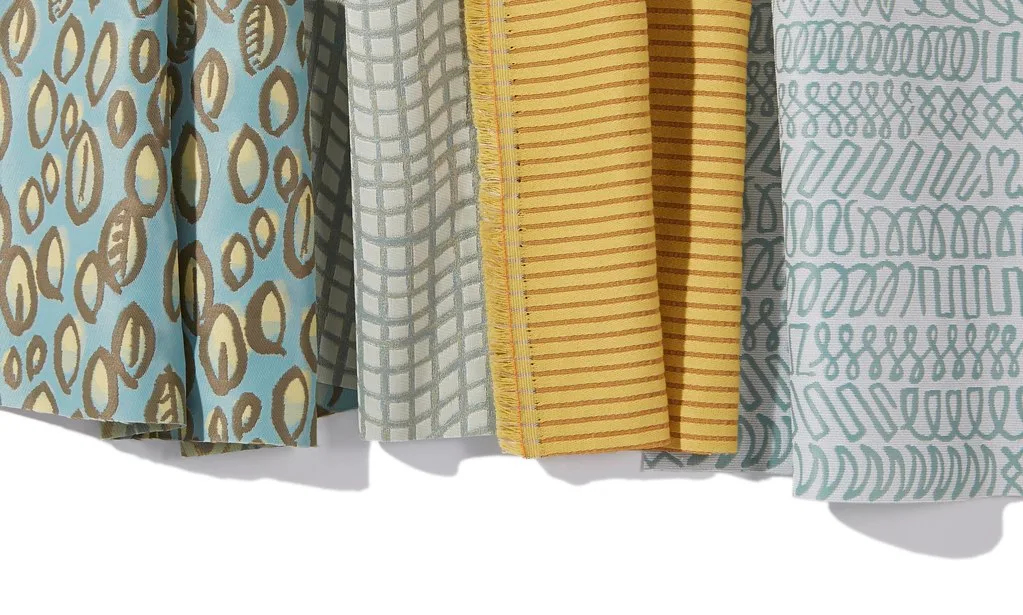
Claws snag loose knits. The image below shows a solution-dyed performance fabric swatch.
Safety, Specs, Pricing, and Mistakes Before Buying
Tip-over risk is real with children. Anchor brackets are cheap and required by ASTM F3096. Pinch points exist at the scissor mechanism.
Keep hands clear during operation. Power cords create trip hazards. Route them along baseboards.
Check for California TB117-2013 flammability compliance. Proposition 65 warnings appear on many imported frames. Weight capacity per seat averages three hundred pounds.
Heavy-duty models reach four hundred. Price tiers run budget eight hundred to twelve hundred mid-range fifteen hundred to twenty-five hundred premium three thousand plus. Common mistakes include skipping doorway measurements buying bonded leather in Florida ignoring outlet location and forgetting battery backup.
Read the warranty fine print. Motor coverage is often shorter than frame coverage.
Final Recommendation: Choosing the Right Reclining Sofa for Your Home
Match seat depth to your height. Five feet four inches and under fits twenty-one inches. Over six feet requires twenty-three inches or more.
Check standard sofa dimensions before you measure. A sofa that cannot clear the entry becomes a costly return. Add wall clearance to your total depth.
Wall-huggers suit rooms under twelve feet wide.
Standard recliners need open space behind them. As of 2026, power recliners dominate mid-range showrooms.
Power recline fits limited mobility. The hand wand removes physical strain. Battery backup protects the footrest during outages.
Manual levers last longer and cost less. They work without nearby outlet access. Learn fabric type identification before choosing upholstery.
Performance fabric handles pets and kids better than leather.
It cleans with water and resists stains. Leather ages well in climate-controlled spaces. Read sofa leather quality for material grades.
Verify weight capacity against your heaviest user.
Three hundred pounds is standard. Four hundred pounds supports larger frames. Read motor warranty length separately from frame coverage.
Check Consumer Product Safety Commission guidance on furniture tip-over risk if children climb on the seat.
If you nap regularly choose lay-flat recline. It creates a near-level sleeping surface. For media viewing power headrest adjustment matters most.
Small rooms benefit from wall-hugger design. Large family rooms handle full power sectionals. Pair upholstery with your climate.
Humid regions damage faux leather quality quickly. Dry climates suit top-grain leather better.
Frequently Asked Questions
How much clearance does a reclining sofa need?
Standard recliners need twelve to eighteen inches behind the back. Wall-huggers require only two to four inches. Measure from wall to seat front before buying.
Manual or power recliner: which lasts longer?
Manual frames often outlast the fabric by years. Power motors typically serve seven to ten years of daily use. Check motor warranty length separately.
Can a reclining sofa fit through a standard doorway?
Most reclining sofas fit thirty-two inch doorways upright. A three seater sofa length often exceeds tight hallway turns. Check diagonal clearance before delivery.
What upholstery works best with pets?
Tight-weave performance fabric resists claws and stains. Leather scratches show easily. Bonded leather peels in humid homes.
Do power recliners need a special outlet?
They require a grounded household outlet. Battery backup adds outage protection. Route cords along baseboards to prevent trips.
Is a lay-flat recliner good for sleeping?
It creates a near-level surface for short naps. Standard recline leaves a slight incline. Test the angle before buying if sleep is a priority.