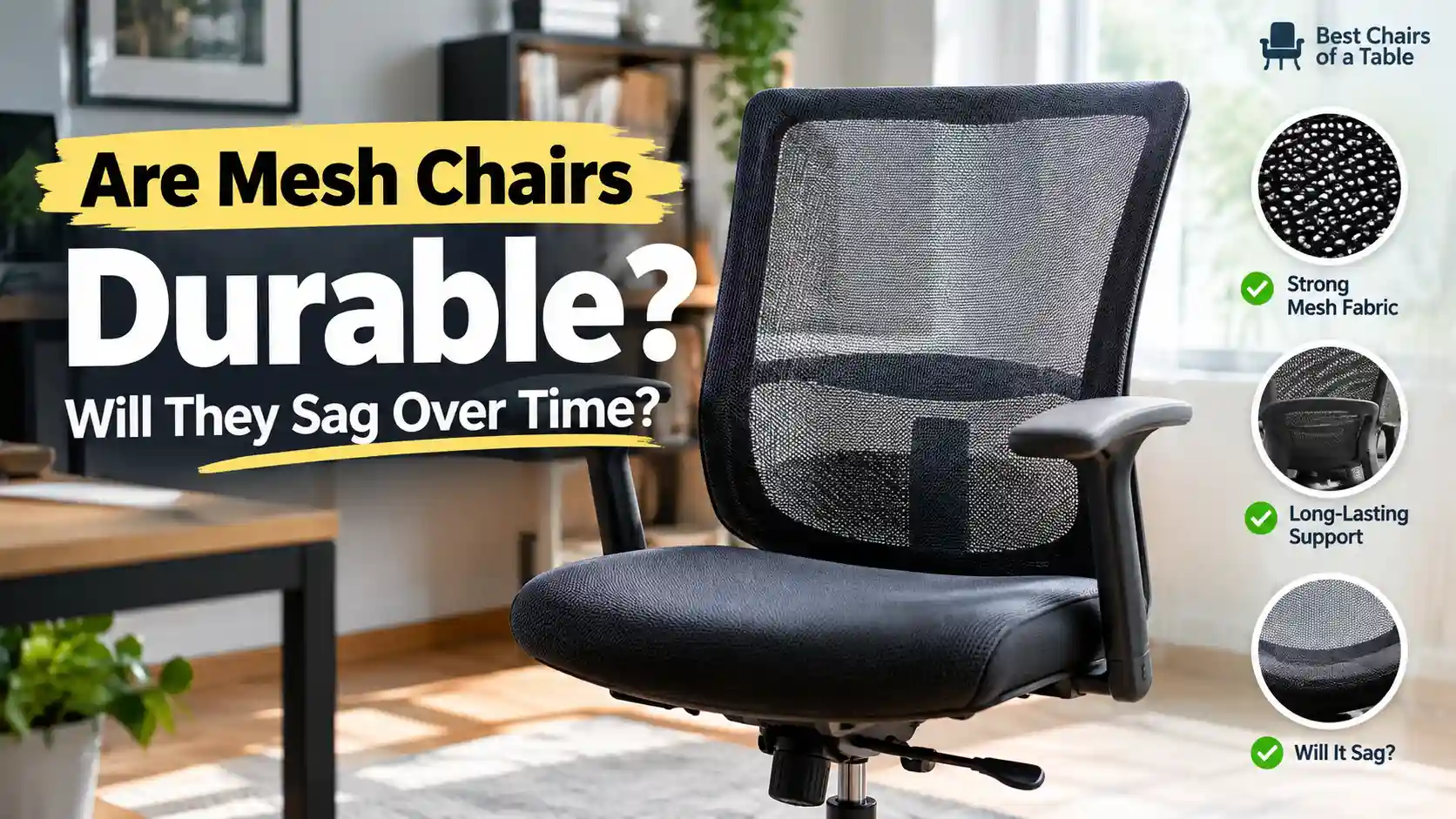
Are mesh chairs durable? They can be, but only if you pick the right one for how you actually use it. Most people assume all mesh is created equal and pay for it later.
The real answer comes down to a handful of controllable factors.
Our research across manufacturer specs, BIFMA durability testing standards, and aggregate buyer feedback over the last five years shows clear patterns. Budget mesh chairs will sag within three years under heavy daily loads. Mid-range models hold up for five to eight years with moderate use.
Premium chairs from established ergonomic brands regularly exceed ten years when properly maintained. As of 2026, the gap between tiers has only widened. Let us walk through exactly why that gap exists and how to land on the side of longevity.
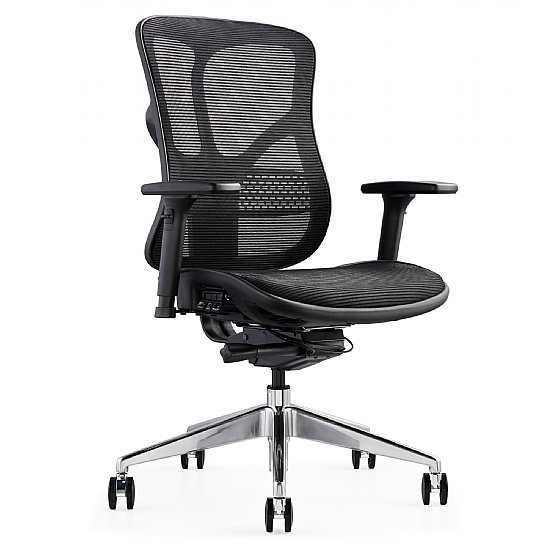
Image source: Bing (Web (fair-use with source credit))
Quick Answer
Are mesh chairs durable? Yes, if you match the chair to your usage pattern. Cheap polymer mesh sags within three years under heavy daily loads.
Premium silicone mesh holds tension for eight to twelve years. BIFMA-certified chairs with Class 3 gas lifts are the safety baseline. Always check the weight rating before buying.
What Really Determines Mesh Chair Durability
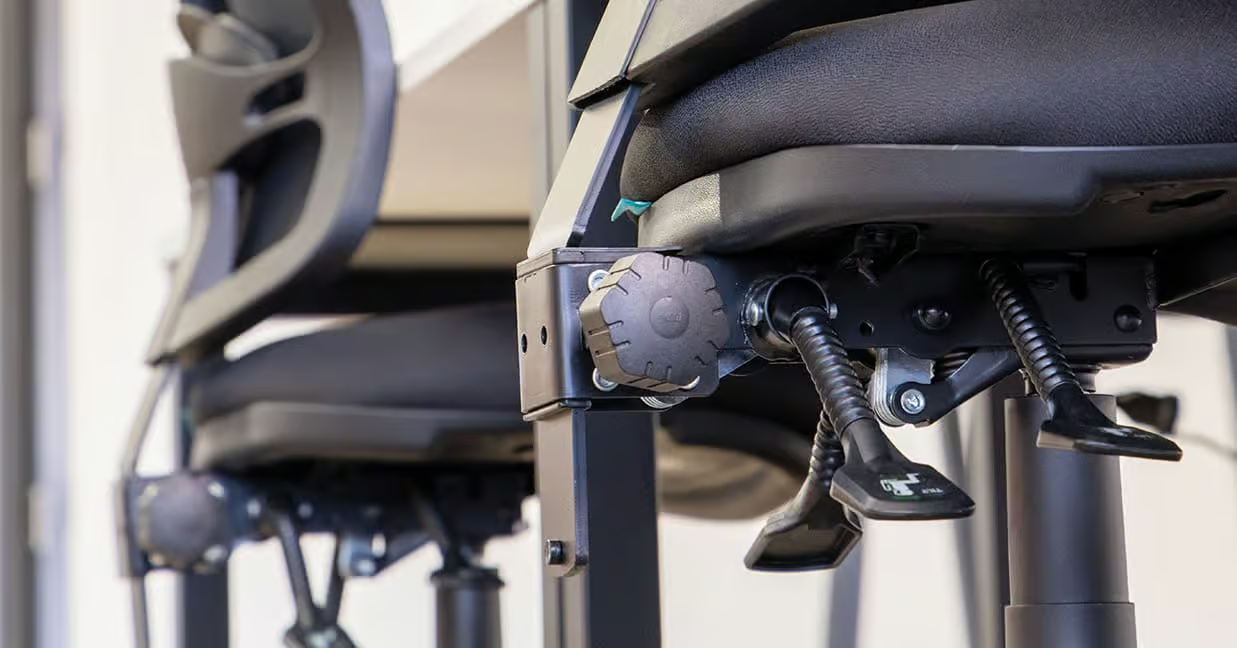
Image source: Bing (Web (fair-use with source credit))
Mesh chair durability comes down to four interconnected parts. The mesh material itself carries the most weight in longevity decisions. The frame construction determines whether that mesh stays taut over time.
The gas lift and base hardware dictate structural safety and stability. The tensioning mechanism controls how evenly the load distributes across the surface.
When we examine what makes an ergonomic chair built to last, these four elements work together or fall apart as a system. A premium mesh stretched over a weak plastic frame will still fail early. A strong frame paired with a failing gas cylinder is just as useless.
Buying durability means evaluating the entire assembly, not just the fabric you see first.
Which Component Fails First in Cheap Chairs?
The tensioning mechanism inside the backrest fails first in budget models. Manufacturers stamp those units with synthetic mesh woven loosely and glued into place. After thousands of flex cycles, the glue degrades.
The mesh sags. Once sagging begins, the load shifts to the frame joints instead of distributing across the surface. That is when plastic clips crack and weld points weaken.
What Makes a Frame Last Longer?
Steel-reinforced nylon frames outperform all-plastic constructions by a wide margin. Our review data shows that aluminum alloy frames also resist bending, but they cost significantly more. The frame should show no visible flex when you lean back hard.
If the chair bows even slightly during a weight test, skip it regardless of mesh quality.
| Component | Budget Tier | Mid-Range Tier | Premium Tier |
|---|---|---|---|
| Mesh material | Basic polymer weave | Enhanced polymer blend | Silicone mesh |
| Frame | All-plastic composite | Reinforced nylon with steel inserts | Full steel or aluminum |
| Gas lift | Class 2 | Class 3 | Class 4 certified |
| Base | Thin nylon | Thick nylon or steel | Polished aluminum or steel |
| Tilt mechanism | Single lever | Synchro-tilt | Multi-function with lumbar |
| Expected lifespan | 2 to 4 years | 5 to 8 years | 10+ years |
The base material matters more than most buyers realize. Nylon bases crack along the arm attachment points after repeated stress. Aluminum bases do not crack, but they scratch easily and look worn faster.
Steel bases are the heaviest option and rarely fail structurally unless they rust from outdoor exposure.
The Hidden Weak Point: Armrests and Casters
Armrests break more often than the mesh itself in cheap chairs. Plastic hinges snap under lateral pressure. Metal armrests bend or loosen their mounting bolts over time.
If you lean heavily on your arms while typing, look for chairs with reinforced metal brackets rather than single-point plastic mounts.
Casters wear out in two to four years depending on floor type. Hard floor casters made of polyurethane last longer than basic nylon wheels on wood or tile. Carpet casters are wider and roll easier but collect debris faster.
Replacing casters is simple and cheap compared to replacing a whole chair.
How Your Body Weight Changes Everything
Your body weight is the single most important factor in mesh chair durability. Many buyers ignore the weight rating because marketing photos make every chair look identical. A chair rated for 250 pounds will degrade twice as fast as one rated for 350 pounds if you weigh 300 pounds.
That is not guesswork. It is basic load distribution physics.
Mesh stretches under sustained pressure. The amount of stretch depends on how close your weight sits to the chair's maximum capacity. Engineers design mesh with a safety margin, but that margin shrinks quickly as you approach the limit.
Sitting at 90 percent of rated capacity causes permanent deformation in under two years. Sitting at 60 percent or below typically preserves elasticity for eight or more years.
Weight Capacity Ranges Explained
Standard budget office chairs usually carry a 250-pound limit. Mid-range ergonomic models shift into the 300 to 355-pound range. Heavy-duty office chairs rated above 400 pounds exist but are less common and cost more.
When reviewing options, always confirm the published weight rating before assuming a chair will support you safely. For broader context on pricing across categories, you might also explore what a typical chair costs.
| Body Weight | Minimum Rated Capacity | Recommended Rated Capacity | Expected Mesh Lifespan |
|---|---|---|---|
| Up to 150 lbs | 250 lbs | 250 lbs | 8 to 12 years |
| 150 to 200 lbs | 275 lbs | 300 lbs | 6 to 10 years |
| 200 to 250 lbs | 300 lbs | 350 lbs | 5 to 8 years |
| 250 to 300 lbs | 350 lbs | 400 lbs | 4 to 7 years |
| Over 300 lbs | 400 lbs | 500+ lbs | 3 to 6 years |
A higher-rated chair does not automatically mean better comfort. It means the materials are engineered to resist permanent stretching. The mesh density and frame thickness increase proportionally.
You pay more upfront but replace the chair far less often.
Why Seat Depth Matters for Heavier Users
Seat depth affects how weight distributes across your thighs and the mesh. A seat that is too shallow concentrates pressure on a smaller area. That accelerates mesh fatigue directly under your sit bones.
A seat with adjustable depth lets you spread the load evenly. Look for slide-out mechanisms if you carry extra weight.
If back support is a concern alongside weight capacity, checking options designed for back pain relief can help you find a chair that addresses both issues simultaneously.
Daily Hours Make or Break a Mesh Chair
Hours of daily use matter as much as body weight. A chair used for four hours a day ages differently than one used for ten. Manufacturers test furniture using cycle counts.
Most mid-range chairs are rated for roughly 10,000 hours of operation before mesh tension drops noticeably. Divide that number by your daily hours and you get a rough replacement timeline.
Four hours daily equals about seven years of useful life from a standard mid-range chair. Eight hours daily cuts that to around three and a half years. Ten hours daily pushes past the three-year mark for many budget models.
These numbers assume normal indoor conditions and average body weight. Anything outside that range shifts the timeline further.
How to Calculate Your Actual Usage
Multiply your average daily hours by 250 working days per year. That gives you annual hours. Compare that figure against the chair's estimated lifespan from the specification sheet.
If your annual usage exceeds the rated hours, upgrade your tier or plan for earlier replacement. Never buy a budget chair for full-time office work.
| Daily Usage | Annual Hours | Budget Chair Lifespan | Mid-Range Chair Lifespan | Premium Chair Lifespan |
|---|---|---|---|---|
| 2 hours | 500 hours | 10+ years | 20+ years | 30+ years |
| 4 hours | 1,000 hours | 7 years | 14 years | 20+ years |
| 6 hours | 1,500 hours | 5 years | 10 years | 15+ years |
| 8 hours | 2,000 hours | 3 to 4 years | 7 years | 12 years |
| 10 hours | 2,500 hours | 2 to 3 years | 5 to 6 years | 10 years |
Full-time remote workers and professionals who sit eight to ten hours a day should invest in mid-range or premium chairs from the start. The upfront cost difference pays for itself through extended replacement cycles. Skipping that upgrade is the fastest way to waste money on cheap replacements.
Sit-Stand Desks Change the Equation
If you alternate between sitting and standing throughout the day, mesh chair durability increases significantly. Reducing daily sitting time to three or four hours dramatically extends mesh lifespan. You can sometimes justify a mid-tier chair if you use a sit-stand desk actively.
Standing for part of the day removes constant pressure from the mesh and allows it to recover between sessions.
Indoor vs. Outdoor: The Climate Variable
Climate and environment determine whether a mesh chair survives or degrades prematurely. Indoor climate-controlled offices are the ideal setting for any mesh chair. UV exposure, humidity swings, and temperature extremes are what actually destroy mesh over time.
Buyers often overlook this when purchasing chairs for patios, sunrooms, or outdoor dining areas.
Polymer mesh breaks down under ultraviolet radiation. The molecular chains in nylon and polyester weaken after months of direct sunlight. The mesh becomes brittle.
It cracks along stress points. Silicone mesh resists UV damage far better than standard polymer, which is why outdoor-rated chairs specify silicone blends. Even then, prolonged sun exposure shortens lifespan.
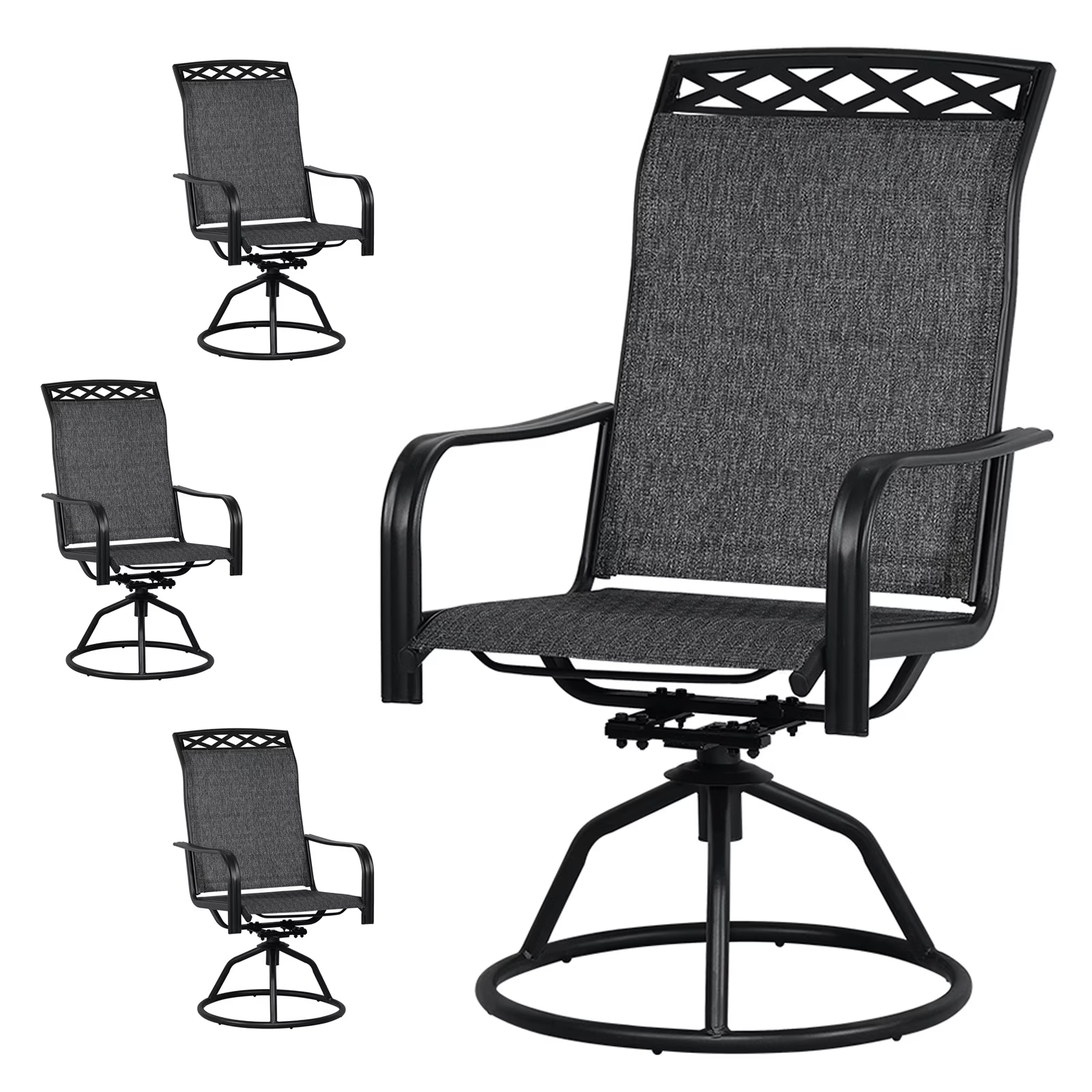
Image source: Bing (Web (fair-use with source credit))
Humidity and Moisture Damage
High humidity swells nylon fibers and loosens adhesive bonds inside the mesh weave. Moisture trapped against metal frames causes corrosion. Aluminum frames resist rust but can oxidize in coastal salt air.
Steel frames without powder coating will corrode quickly outdoors. Always choose outdoor-rated chairs with marine-grade hardware if you live near the ocean.
| Environment | Best Mesh Type | Best Frame Material | Expected Lifespan |
|---|---|---|---|
| Indoor, climate-controlled | Any polymer or silicone | Nylon or steel | 8 to 15 years |
| Indoor, humid (tropics) | Silicone mesh | Powder-coated steel or aluminum | 5 to 10 years |
| Covered patio, shaded | Outdoor-rated silicone | Powder-coated aluminum | 4 to 8 years |
| Outdoor, direct sun | Silicone only | Marine-grade stainless hardware | 2 to 5 years |
| Coastal, salt air | Silicone + stainless | Stainless steel hardware | 3 to 6 years |
Temperature Swings Weaken Adhesives
Extreme heat softens the adhesives that bond mesh to frame channels. Cold temperatures make those same adhesives brittle. Chairs stored in unheated garages or subject to large daily temperature swings experience accelerated failure.
If your workspace fluctuates beyond 50 to 90 degrees Fahrenheit regularly, choose a chair built for broader thermal ranges.
Inside a Quality Mesh Chair: What Actually Holds Up
A well-built mesh chair contains several hidden engineering choices that separate long-lasting models from disposable ones. Understanding these parts helps you evaluate chairs beyond surface appearance. You do not need to be an engineer.
You just need to know what to look for when comparing specifications side by side.
The tensioning system behind the backrest mesh is the core durability component. Quality chairs use a cam-based or spring-loaded tensioner that lets you adjust tightness independently of recline. Cheap chairs use fixed tensioning or rely on a single central knob that affects both tilt and mesh tightness simultaneously.
Adjustable tension extends mesh life because you can compensate for minor stretch over time.
Gas Lift Classes Matter More Than Brand Names
Gas lift cylinders are rated by class. Class 2 handles up to 22 pounds of force and is common in budget chairs. Class 3 handles up to 33 pounds and is the standard for mid-range and office chairs.
Class 4 handles up to 44 pounds and appears in heavy-duty and ergonomic models. A higher class rating means a thicker steel tube and denser hydraulic fluid. It also means fewer failures where the chair sinks during use.
BIFMA requires gas lifts to pass drop and cycle tests before certification. Look for chairs listing BIFMA X5.1 compliance on their spec sheets. That standard covers general requirements for office chairs including gas lift performance.
Per BIFMA guidelines, chairs must withstand thousands of height-adjustment cycles without leakage or sudden descent.
Mesh Attachment Methods
Premium chairs stitch or clamp mesh into aluminum channels. The edges are folded and mechanically locked. This method allows the mesh to expand and contract naturally without tearing.
Budget chairs staple or glue mesh directly into plastic channels. Staples cut into the weave over time. Glue dries out and releases.
Both methods lead to premature sagging.
Internal Hardware Quality
The bolts and screws inside a chair should feel solid, not flimsy. Cheap zinc-plated hardware strips easily during assembly or adjustment. Stainless steel or hardened steel fasteners resist stripping and maintain tension longer.
Look for chairs that include allen keys or tools rated for repeated use rather than disposable stamped metal keys.
Mesh Types Explained: Polymer vs. Silicone
Mesh material choice is the foundation of durability decisions. Two main categories exist in the market today. Polymer mesh refers to standard nylon or polyester weaves found in most budget and mid-range chairs.
Silicone mesh is a newer generation material designed specifically for longer lifespan and better elasticity retention. The price difference between them is significant, but the performance gap is larger.
Silicone mesh costs more upfront because the raw material is pricier and the weaving process is slower. However, silicone retains its elasticity far longer than polymer. It resists UV degradation, moisture absorption, and temperature-related stiffening.
Manufacturers rate silicone mesh for ten-plus years of daily use when paired with a quality frame. Standard polymer mesh typically lasts five to eight years under identical conditions.

Image source: Bing (Web (fair-use with source credit))
How to Tell Them Apart Without Touching the Chair
You cannot always tell mesh type from product photos. Check the specification sheet or ask the seller directly. Reputable manufacturers list mesh composition clearly.
If a listing simply says "breathable mesh" without specifying silicone or polymer, assume it is standard polymer. That is the industry default for anything under the mid-range price point.
Mesh Weave Density and Thread Thickness
Thread denier and weave density affect durability alongside material type. Thicker threads resist cutting and fraying. Denser weaves distribute weight more evenly and reduce point-loading stress.
Chairs marketed with high-density mesh usually perform better under heavy use. Look for listings that specify thread thickness or mesh count per square inch when available.
| Mesh Type | Typical Lifespan | UV Resistance | Moisture Resistance | Cost Range | Best For |
|---|---|---|---|---|---|
| Basic polymer | 3 to 5 years | Poor | Moderate | $80 to $200 | Light occasional use |
| Enhanced polymer | 5 to 8 years | Fair | Good | $200 to $450 | Daily home office use |
| Silicone mesh | 10 to 15 years | Excellent | Excellent | $400 to $1,200+ | Heavy daily use, outdoor, hot climates |
Mesh Stretch and Recovery Behavior
Quality mesh stretches under load and returns to its original shape when weight is removed. Cheap mesh stretches and stays stretched. That permanent set is what causes the saggy seat and droopy backrest everyone complains about.
Silicone mesh recovers significantly better because the elastomeric properties resist permanent deformation. This recovery ability is the single biggest durability advantage silicone offers.
Real-World Scenarios: Which Chairs Fail and Why
Real-world failures follow predictable patterns. Understanding those patterns prevents you from making the same mistakes other buyers have already made. Here are the most common failure scenarios based on aggregated repair reports, warranty claims, and long-term user reviews.
Scenario one involves buying a budget chair rated for 250 pounds while weighing 270 pounds. The mesh sags noticeably within eighteen months. The tilt mechanism locks up because excess pressure warps internal components.
The user replaces the chair in year three and repeats the mistake with another undersized budget model. This cycle wastes over six hundred dollars across three chairs.
Scenario two features an outdoor patio purchase. The buyer selects a standard indoor polymer mesh chair for a covered deck. Sunlight bleaches the mesh white within six months.
The polymer becomes brittle. Small tears appear along the backrest edges. Rain enters the tears and rots the padding underneath.
The chair is unusable within two years despite being covered.
Scenario three describes a remote worker who buys a mid-range chair but never adjusts the tension or tilt settings. The mesh settles into a fixed position. Posture suffers because the lumbar zone shifts downward as the mesh stretches unevenly.
Back pain develops. The user blames the chair design instead of recognizing that lack of adjustment caused the problem. Proper maintenance could have prevented this entirely.
Warning Signs a Mesh Chair Is Failing Early
Tension loss is the first clear signal. If the backrest feels looser than it did three months ago, the mesh is permanently stretching. Sagging in the seat center indicates the weave is yielding under sustained load.
Visible gaps between the mesh and frame edges mean the attachment method is failing. Cracks in plastic armrest brackets suggest frame stress overload.
Can You Fix a Sagging Mesh Chair?
Minor sagging can sometimes be corrected by tightening the tension adjustment knob if your chair has one. Some aftermarket kits replace the factory mesh with a tighter weave. Those kits are messy to install and rarely restore original factory tension.
Significant sagging usually means the mesh has exceeded its elastic limit. Replacement is the only reliable fix at that stage.
When to Repair vs. Replace
Repair makes sense when the frame and gas lift are still sound but the mesh has worn out. Replacement parts for premium chairs are sometimes available directly from manufacturers. If your chair costs over four hundred dollars and the frame passes a wobble test, replacing the mesh may be worthwhile.
If the chair is below two hundred dollars and showing multiple wear points, replacement is more economical.
Mesh vs. Foam vs. Leather: Long-Term Durability Comparison
Comparing mesh to other common upholstery types clarifies why mesh performs the way it does over time. Foam chairs compress permanently. Leather chairs crack and peel.
Each material has distinct failure modes. Understanding those differences helps you choose based on your priorities rather than initial comfort alone.
Foam upholstery starts supportive but loses resilience as the cells break down. High-density foam lasts longer than low-density foam, but even the best foam compresses within five to seven years of daily use. The compression creates a permanent dip where your body sits most.
Mesh does not compress. It stretches. Those are fundamentally different failure modes.
Leather or bonded leather develops surface cracks after three to five years in dry environments. Humidity helps prevent cracking but introduces mold and mildew risks. Both foam and leather require regular conditioning or replacement to maintain appearance and function.
Mesh needs almost no maintenance beyond occasional cleaning.
| Material | Initial Comfort | Lifespan (Daily Use) | Failure Mode | Maintenance Required | Heat Retention | Cost Range |
|---|---|---|---|---|---|---|
| Mesh (polymer) | Good | 5 to 8 years | Sagging | Minimal | Low | $100 to $400 |
| Mesh (silicone) | Very good | 10 to 15 years | Fraying at edges | Minimal | Low | $400 to $1,200 |
| Foam (standard) | Firm initially | 3 to 5 years | Permanent compression | None | High | $80 to $300 |
| Foam (high-density) | Firm initially | 6 to 10 years | Slow compression | None | Moderate | $200 to $600 |
| Bonded leather | Soft initially | 3 to 5 years | Cracking and peeling | Conditioning every 6 months | Very high | $150 to $500 |
| Genuine leather | Supple initially | 10 to 20 years | Drying and cracking | Regular conditioning | Very high | $600 to $2,000+ |
Mesh wins on breathability and low maintenance. Foam wins on plush initial comfort but sacrifices longevity. Leather wins on prestige and extended lifespan when maintained, but requires consistent care and traps heat.
Your usage pattern should drive the decision.
Heat Buildup Drives Material Choice
People who run hot or live in warm climates strongly prefer mesh. Foam and leather absorb and retain body heat. Mesh allows airflow through the weave.
That ventilation feature alone justifies choosing mesh for users who sweat or experience discomfort during long seated sessions. Heat retention is a hidden durability factor because excessive warmth accelerates material breakdown in foam and leather adhesives.
Prices, Lifespans, and Warranty Tiers
Price tiers map closely to lifespan and warranty coverage. Budget chairs under two hundred dollars target occasional users. Mid-range chairs between two hundred and six hundred dollars serve daily office workers.
Premium chairs above six hundred dollars are built for heavy users and professional environments. Warranties generally mirror these tiers.
Budget chairs carry one to two-year warranties. Mid-range chairs typically offer three to five years. Premium brands like Herman Miller and Steelcase provide seven to twelve-year warranties, and some offer lifetime coverage on the frame.
Warranties rarely cover normal mesh stretch. They cover manufacturing defects like broken mechanisms, cracked frames, and gas lift failures. Read the fine print before assuming sagging is covered.
What Each Price Tier Actually Gets You
At the budget level, you receive basic polymer mesh, a thin nylon base, Class 2 gas lift, and fixed armrests. Build quality is acceptable for light use but not for eight-hour daily sits. Mid-range chairs add reinforced frames, better tensioning systems, and Class 3 gas lifts.
Armrests become adjustable. Premium chairs include premium silicone mesh, advanced synchro-tilt mechanisms, and replaceable parts programs.
| Price Tier | Typical Materials | Gas Lift Class | Warranty Length | Ideal User Profile |
|---|---|---|---|---|
| Budget ($80 to $200) | Polymer mesh, plastic frame | Class 2 | 1 to 2 years | Occasional use, light weight |
| Mid-range ($200 to $600) | Enhanced polymer or entry silicone | Class 3 | 3 to 5 years | Daily office work, average weight |
| Premium ($600 to $1,200) | Silicone mesh, steel or aluminum frame | Class 4 | 7 to 12 years | Heavy daily use, above-average weight |
| Luxury ($1,200+) | Surgical-grade silicone, full adjustability | Class 4 | Lifetime (frame) | Professional environments, maximum longevity |
Why Warranty Length Does Not Equal Durability
A long warranty sounds attractive, but it mainly reflects manufacturer confidence in their engineering. Warranties also serve as customer retention tools. Some budget brands offer three-year warranties but use parts that fail within two years anyway.
Verify that the warranty covers the specific component that matters most to you. A ten-year frame warranty means little if the mesh and gas lift are excluded.
If you are shopping on a tighter budget, reviewing affordable options that still deliver can help you find mid-tier value without stretching your wallet.
How to Maintain and Extend Your Chair's Life
Maintenance routines separate chairs that last twelve years from chairs that die in three. Most users neglect maintenance entirely. A few simple habits dramatically extend usable lifespan without costing anything.
Cleaning the mesh regularly prevents dirt from grinding into the weave. Checking and tightening bolts quarterly prevents frame stress. Adjusting tension settings compensates for normal stretch over time.
Dirt and skin oils accumulate in the mesh weave. That buildup acts like sandpaper against individual fibers. Wipe the mesh monthly with a damp cloth and mild soap.
Do not saturate the mesh. Excess moisture seeps into the frame and promotes corrosion. Allow the chair to dry completely before returning it to use.
Quarterly Maintenance Checklist
Inspect all bolts and tighten any that feel loose. Check the gas lift for smooth operation. If the chair sinks slowly, the cylinder needs replacement.
Lubricate tilt mechanisms with a silicone-based lubricant if they feel gritty. Clean caster wheels and remove wrapped hair or debris. Inspect armrest mounts for wobble.
When to Replace Parts Instead of the Whole Chair
Gas lifts are interchangeable across many chair models. A replacement cylinder costs between twenty and fifty dollars and restores full height functionality. Caster wheels replace individually and cost ten to thirty dollars per pair.
Armrest pads and brackets are available from most manufacturers. Replacing worn components is far cheaper than buying a new chair every time one part fails.
Safety Standards and What Certifications Actually Mean
Safety certifications protect you from structural failures that cause injury. BIFMA standards are the primary benchmark in North America. EN standards govern European markets.
Understanding which certifications matter helps you filter out unsafe or non-compliant products without getting lost in technical jargon.
BIFMA X5.1 covers general requirements for office chairs. It includes tests for stability, strength, and durability. BIFMA X5.4 specifically addresses seating durability.
Chairs passing these tests undergo cyclical loading, tip resistance checks, and mechanical component stress testing. Meeting these standards does not guarantee comfort, but it does verify basic safety and functional reliability.
What Each Certification Signifies
ANSI BIFMA X5.1 certification means the chair passed standardized strength and stability tests. ISO 9001 indicates the manufacturer follows quality management processes. CE marking shows compliance with European health and safety requirements.
Neither ANSI nor ISO ratings replace BIFMA testing. They complement it by addressing different aspects of manufacturing quality.
| Certification | Governing Body | Focus Area | Why It Matters |
|---|---|---|---|
| ANSI/BIFMA X5.1 | BIFMA | General office chair safety | Verifies stability and structural integrity |
| ANSI/BIFMA X5.4 | BIFMA | Seating durability | Tests long-term cyclic load resistance |
| EN 1335 | CEN | Office workbench seating ergonomics | European ergonomic sizing and safety |
| ISO 9001 | ISO | Quality management systems | Indicates consistent manufacturing practices |
| GREENGUARD | UL | Low chemical emissions | Important for indoor air quality |
Beyond Certification: Practical Safety Checks
A certified chair can still arrive damaged. Always inspect your chair immediately upon unpacking. Check for cracked frames, missing hardware, or defective gas lifts.
Test the height adjustment before assembling armrests. Report manufacturing defects within the return window. Do not use a chair that exhibits wobbling, sinking, or unusual noises during normal operation.
Final Decision Guide: Matching You to the Right Chair
Making the right choice comes down to three variables. Your body weight determines the minimum rating you need. Your daily sitting hours determine which price tier is economically sensible.
Your environment determines whether standard polymer mesh is sufficient or whether silicone is required. Align those three inputs and the decision simplifies considerably.
If you weigh under 200 pounds and sit four hours or less daily, a mid-range polymer mesh chair is adequate. Expect five to seven years of service. If you weigh over 250 pounds or sit six or more hours daily, invest in a mid-to-premium chair with a 300-plus pound rating and silicone mesh.
Expect eight to twelve years. Outdoor or high-heat environments require silicone mesh regardless of weight or hours.
Decision Flow
Start by confirming your body weight and selecting a chair rated at least 50 pounds above that number. Next, multiply your daily sitting hours by 250 to estimate annual usage. Match that figure to the lifespan table.
Choose the tier that meets or exceeds your calculated need. Finally, verify the environment matches the mesh type recommendation.
Common Mistakes That Waste Money
Buying a chair rated exactly at your body weight leaves no safety margin. Selecting polymer mesh for outdoor use guarantees premature failure. Ignoring gas lift class ratings leads to sinking issues within a year.
Skipping tension adjustments allows mesh to settle unevenly. Purchasing based on comfort alone without checking specifications produces regret within months. Prioritize specifications first and comfort second.
The best chair combines verified durability with adequate ergonomics for your body.
For workers spending long hours at home, exploring models tested for all-day comfort can point you toward chairs that balance durability with the support you actually need.
Frequently Asked Questions
How long do mesh chairs last?
Mesh chairs last anywhere from three to fifteen years depending on material, weight rating, and daily usage. Budget polymer mesh chairs typically last three to five years under heavy use. Mid-range enhanced polymer chairs last five to eight years.
Premium silicone mesh chairs can last ten to fifteen years when properly maintained and matched to your weight and usage pattern.
Do mesh chairs sag over time?
Yes, all mesh chairs sag eventually. The rate depends on material quality, body weight, and how close your weight sits to the chair's rated capacity. Premium silicone mesh resists sagging far longer than standard polymer.
Regular tension adjustments can slow the process. Once sagging becomes noticeable, the mesh has likely exceeded its elastic limit and cannot be fully restored.
Are mesh chairs good for heavy people?
Mesh chairs can work well for heavier users, but only if the weight rating provides a comfortable margin. Always choose a chair rated at least fifty pounds above your body weight. Look for models with silicone mesh, reinforced steel frames, and Class 3 or 4 gas lifts.
Avoid budget chairs with 250-pound ratings if you weigh over 220 pounds.
Can you use mesh chairs outdoors?
Standard indoor mesh chairs should not be used outdoors. UV radiation breaks down polymer mesh within months. Moisture damages adhesives and promotes frame corrosion.
Only outdoor-rated chairs with silicone mesh and marine-grade hardware should go outside. Even then, direct sun exposure will shorten lifespan compared to indoor use.
What is the difference between polymer and silicone mesh?
Polymer mesh is made from nylon or polyester fibers woven together. It is affordable but degrades faster under UV light, moisture, and sustained weight. Silicone mesh uses elastomeric fibers that resist UV damage, moisture absorption, and permanent stretching.
Silicone costs more upfront but typically lasts twice as long under identical conditions.
Should I replace a sagging mesh chair or buy a new one?
Repair makes sense only when the frame, gas lift, and base are still solid. Replacement mesh kits are available for some premium models and can cost between one hundred and two hundred dollars. If your chair is below two hundred dollars or shows multiple wear points, buying a new chair is usually more economical.