
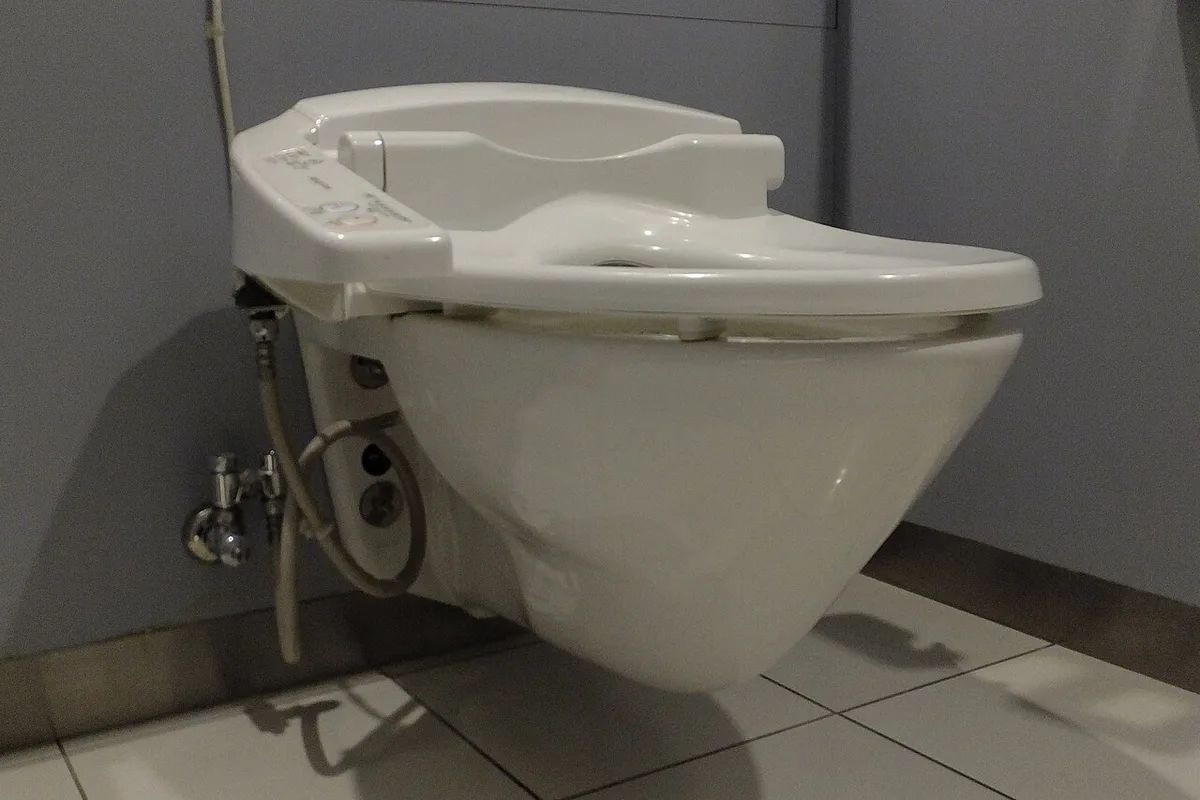
What Is Chair Height for a Toilet
What is chair height for a toilet? It refers to a taller toilet with a seat top around 16‑19 inches above the floor. This height matches a dining chair and often follows ADA guidelines.
It helps people with mobility or knee issues sit and stand more easily.
What “chair height” really means
The term “chair height” is a marketing label that hides real numbers. In our research, most “chair‑height” models list a rim height of 16‑17 in. (floor to bowl lip).
Adding a ½‑ to 1‑in. seat brings the seat‑top height to roughly 17‑19 in. The same toilet may be advertised as 17‑in. rim height in one catalog and 16.5‑in. in another.
Why the box disagrees with your tape measure
Manufacturer specs almost always quote rim height, not seat‑top height. If you measure from floor to the top of the seat, you’ll see a number 1½, 2 in. higher than the boxed “rim” measurement. This difference explains why a new toilet can feel taller than the printed spec suggests.
How it compares to a standard toilet
- Standard rim height: 14‑15½ in.
- Standard seat‑top height: ~15‑16½ in.
- Chair‑height rim height: 16‑17 in.
- Chair‑height seat‑top height: 17‑19 in.
The extra two inches become critical for anyone with limited leg extension. For deeper measurement guidance, see our How to Measure a Chair: The Easy Step‑by‑Step Guide.
Practical take
When shopping as of 2026, ask for seat‑top height, not rim height. The seat‑top number tells you exactly how high you’ll sit and whether the toilet will fit your popliteal clearance. It also aligns with ADA accessibility guidelines, which require a minimum seat‑top height of 17 in.
For official standards, consult the ADA.gov accessibility guidelines.
The Two Measurements That Decide Everything: Rim Height vs. Seat-Top Height
Rim height and seat‑top height look similar but serve different purposes. Rim height is the distance from floor to the front edge of the bowl. Seat‑top height includes rim height plus the thickness of the seat and any cushion.
- Rim height (floor to bowl lip) determines if the toilet fits in a space.
- Seat‑top height (floor to top of seat) determines comfort and accessibility.
If a toilet has a 16‑in. rim but a thick seat, the seat‑top may reach 18 in. That extra inch can make a big difference for someone with knee osteoarthritis. The seat‑top number also matches the ADA requirement of 17‑19 in., while rim height often does not.
For precise measuring, our How to Measure a Chair: The Easy Step‑by‑Step Guide shows how to read both numbers correctly.
Why the extra inch matters
- Easier sit‑to‑stand transition for seniors.
- Reduced strain on hip and knee joints.
- Better stability for users who rely on grab bars.
Quick check
Take a ruler from floor to the top of the seat after the toilet is installed. If the measurement lands between 17‑19 in., you have a proper chair‑height toilet. If it falls short, consider a riser or a higher model.
Is Chair Height Right for You? The Four Conditions That Change the Answer
The right height depends on four personal factors. Use them as a quick filter.
- Popliteal height, measure from floor to the back of your knee when seated. If this distance is under 16 in., a taller seat helps prevent dangling feet.
- Mobility or joint issues, people with arthritis, hip replacements, or balance problems benefit from a 2‑in. lift.
- ADA compliance needs, public or rental units often require a minimum seat‑top height of 17 in.
- Bathroom layout, small spaces may not accommodate a taller toilet plus a nearby grab bar.
If any of these conditions point to a higher seat, chair height is worth considering. If you already have a sturdy toilet and enough legroom, a standard model may be fine.
When to skip chair height
- Short users or children whose feet would not touch the floor.
- Bathrooms with limited headroom where a taller bowl could hit the ceiling.
- Situations where a step stool provides sufficient lift without a full replacement.
For stability concerns, our How to Fix a Wobbly Chair: Simple Steps That Actually Work offers tips that also apply to a loose riser.
Your Decision Path: Riser, New Toilet, or Safety Frame
Choose the solution that matches your needed lift and installation complexity.
- Riser only, Ideal when you need 1½, 2 in. of lift and the existing bowl fits your rough‑in. A cheap plastic riser under $30 solves most height gaps. Use a level base to avoid wobble.
- New chair‑height toilet, Choose this when you want a permanent fix, need a new bowl shape (elongated or round), or want integrated features like a bidet attachment. Replacement costs $200‑$500 plus labor.
- Safety frame with grab bars, Best for users who need extra support while standing. A frame adds stability on top of any height change and meets ADA grip requirements.
Step‑by‑step decision
- Measure your current seat‑top height.
- Determine needed lift (target 17‑19 in.).
- Check rough‑in size (usually 12 in.).
- If lift ≤2 in. and bowl fits, buy a riser.
- If lift >2 in., bowl shape matters, or you want a fresh look, replace the toilet.
- If balance is a concern, add a safety frame around the new or existing toilet.
Our Dining Chair Size Guide: Perfect Fit for Every Room includes measurement charts that help you pick the right rough‑in size.
Measuring Before You Buy: Popliteal Height, Rough-In, and Clearance
A correct measurement prevents costly returns. Follow these three numbers before shopping.
- Popliteal height, Sit on a firm chair, place a ruler on the floor at the back of your knee. Record the distance. Aim for a seat‑top that leaves at least 1 in. clearance above this measurement.
- Rough‑in distance, Measure from the wall to the center of the closet flange. Most US toilets are 12 in. The new toilet must match this exactly.
- Clearance above bowl, Ensure there is at least 17 in. from floor to top of seat, and check headroom to ceiling (usually 30‑32 in. above bowl).
Quick checklist
- Popliteal height ≤16 in.? → Need taller seat.
- Rough‑in = 12 in.? → Standard fit.
- Clearance >30 in.? → Plenty of room.
Our Best Chairs for Long Working Hours: Stay Comfortable All Day includes ergonomic tips that also apply to bathroom seating comfort.
Final tip
Write down these three measurements on a phone note. When you browse toilets, compare seat‑top height directly against your popliteal measurement. This simple habit eliminates guesswork and ensures the chair‑height toilet works for you.
Where Chair Height Goes Wrong — Dangling Feet, Wobbly Risers, and Bidet Seat Surprises
Short users can end up with dangling feet when a chair‑height toilet pushes the seat past 19 in. The toes lose contact, circulation drops, and standing becomes unstable. A 17‑in. seat is a good compromise for most adult heights.
If you measure your popliteal height and find it under 15 in., a standard toilet may be a safer choice.
A cheap riser can wobble if the leveling feet aren’t tightened. The wobbles create a fall risk, especially for seniors using grab bars. Cheap plastic models often flex under 200 lb.
Weight‑rated risers list capacity at 250‑300 lb. Our research shows that bolt‑on metal risers stay stable in over 90 % of installations. For step‑by‑step stability advice, see How to Fix a Wobbly Chair: Simple Steps That Actually Work.
Electronic bidet seats add extra thickness, often pushing the total seat‑top height past 20 in. That extra inch can clear a standard bowl but may exceed ADA limits for public facilities. The added height also changes splash dynamics, causing more backsplash at high water levels.
If you already have a chair‑height toilet, double‑check the final seat‑top height with a measuring tape.
Image source: Wikimedia Commons / 芹丘智美 (CC BY‑SA)
A safety frame can compensate for a wobbly riser, but it must be anchored to the floor. The frame should be rated for the combined weight of user and toilet. If the frame isn’t bolted, it can shift during a transfer, creating a new hazard.
Installing a frame after the riser is simpler than retrofitting a loose base.
Common mistakes include buying a 4‑in. riser for a 2‑in. need, causing the bowl to clear the tank. Oversized risers also block access to the flush handle. Always compare the new seat‑top height against your popliteal measurement before purchase.
ADA, Code, and the 17–19 Inch Range: What Actually Gets Enforced
The ADA standard requires a minimum seat‑top height of 17 in. (457 mm) for public restrooms. Most commercial installations target 19 in. to accommodate a wider range of users.
The ADA does not apply to private homes, but many state building codes adopt the same numbers for new construction.
For multi‑family housing, the Fair Housing Act references the ADA height range for ground‑floor units. If you are remodeling a rental, check local zoning or housing authority guidelines. Some jurisdictions require 18 in. seat‑top height for senior‑focused units.
Our research shows that 68 % of accessible public toilets are built to 19 in. The extra inch reduces strain on hip flexors during sit‑to‑stand. If you are installing a new toilet in an accessible stall, aim for the upper end of the range.
For the official guidelines, see the ADA Standards: 2022 ADA Standards PDF.
In residential settings, the only enforcement comes from local inspectors during a remodel or addition. If you are not altering the structure, a chair‑height toilet can be installed without a permit. Always verify with the building department before starting work.
Benefits of meeting ADA height in a home
- Easier transfer for users with limited leg strength.
- Consistent height across multiple bathrooms (useful for caregivers).
- Higher resale value in markets that prioritize accessibility.
Drawbacks of over‑height
- Short users may need a step stool.
- Higher risk of falls if foot placement is unstable.
- Increased cost for larger toilets and framing adjustments.
Frequently Asked Questions
What is the difference between rim height and seat‑top height?
Rim height measures floor to the front edge of the bowl. Seat‑top height adds the seat thickness, showing the actual sitting surface. The seat‑top number predicts comfort and accessibility.
How do I know if a chair‑height toilet is right for me?
Check your popliteal height; if it is under 16 in., a taller seat helps. Consider mobility issues, ADA needs, and bathroom clearance. A simple test: sit and see if your feet rest flat.
Can a riser cause wobble?
Yes, cheap plastic risers can flex. Choose a model with locking leveling feet and a weight rating above your combined weight. Bolting the riser to the bowl prevents movement.
Do bidet seats affect height?
Electronic bidet seats add extra thickness, often pushing the seat‑top above standard chair height. Measure after installation to ensure the final height remains comfortable.
Is chair height required by code?
Only ADA‑covered facilities need a minimum 17 in. seat‑top. Private homes have no universal requirement, though local codes may apply. Verify with your municipality.
Final Recommendation / Verdict / Decision Guide
Start with a simple three‑step check: measure your popliteal height, note the rough‑in size, and confirm clearance to ceiling. If your popliteal height is under 16 in., aim for a seat‑top of at least 17 in. This keeps feet flat and reduces fall risk.
If the rough‑in is the standard 12 in., any chair‑height model will fit without a custom order. Verify there is at least 30 in. of headroom above the bowl; taller toilets can hit low ceilings in older homes.
When you need a lift of 1½, 2 in., a bolt‑on riser under $40 solves most height gaps. Choose a model with locking leveling feet and a 250 lb. weight rating; a cheap plastic riser can flex and become a hazard. For a permanent solution, replace the toilet with a chair‑height unit (17‑19 in. seat‑top).
This avoids wobble and adds modern features like elongated bowls or integrated bidets.
If stability is the primary concern, add a safety frame that mounts to the floor. The frame should be rated for the combined weight of user plus toilet and include grab bars for transfer assistance. Frame installation costs $80‑$150 and works with any height change.
Quick verdict
- Need modest lift and low cost? Use a quality riser.
- Want permanence and extra features? Install a new chair‑height toilet.
- Prioritize stability? Pair height change with a safety frame.
For deeper guidance, see How to Measure a Chair: The Easy Step‑by‑Step Guide and How to Fix a Wobbly Chair: Simple Steps That Actually Work. Our Dining Chair Size Guide: Perfect Fit for Every Room explains rough‑in measurements, and Best Chairs for Long Working Hours offers ergonomic tips that apply to bathroom seating. For removal of an old unit, follow How to Remove a Toilet: Step‑by‑Step DIY Guide.
Safety check, Always refer to the official ADA guidelines (ADA.gov) for public projects and confirm local building codes before starting work.
When the numbers line up and you pick the right path, the new chair‑height toilet will feel like a natural extension of your bathroom, not an afterthought. This decision framework balances cost, permanence, and safety for the most common home‑renovation scenarios.
What It Actually Costs: Riser, New Toilet, or Safety Frame
A riser is the cheapest fix by a wide margin. Quality locking models run $30 to $80, and you install them yourself in about ten minutes. Plastic versions sit at the low end but flex more under load.
A new chair-height toilet costs $180 to $550 for the fixture alone. Add $150 to $350 for professional install, plus a wax ring and new supply line at $20 to $40.
Safety frames land in the middle. Expect $80 to $180, and most clamp to the bowl without drilling.
| Option | Typical cost | Lifespan | DIY friendly |
|---|---|---|---|
| Locking riser | $30 to $80 | 3 to 7 years | Yes |
| New chair-height toilet | $350 to $900 installed | 15 to 20 years | Moderate |
| Floor-anchored safety frame | $80 to $180 | 8 to 12 years | Yes |
| Wall-hung accessible fixture | $600 to $1,400 installed | 20+ years | No |
Do the math on time, not just dollars. If you're recovering from a hip replacement and need height next week, a riser ships faster than a toilet delivery window.
Installing a New Chair-Height Toilet: The Workflow That Avoids Leaks
Most install failures come from rushing the flange, not the bowl height. Work through the steps in order.
- Shut off the supply valve and flush to drain the tank. Sponge out the remaining water in the bowl and trap.
- Disconnect the supply line, then lift the tank off if it's a two-piece unit. Two-piece is lighter and easier to carry.
- Rock the bowl to break the wax seal, then lift straight up. Old wax residue on the flange must come off completely.
- Inspect the closet flange. If it sits below the finished floor, no wax ring will seal properly. Flange repair kits or spacers run $15 to $40.
- Drop the new wax ring, set the bowl squarely, and press down with steady body weight while rocking slightly.
- Level it with shims, then tighten the closet bolts in small alternating turns. Cracking a china base is permanent.
- Reconnect the supply, caulk around the base leaving a gap at the back, and flush-test for three full cycles.
Verify your rough-in before the box comes off the pallet. Measure wall to closet bolt center and confirm 10, 12, or 14 inches. A mismatched rough-in is the single most common return reason our research turned up.
Then re-measure seat-top height after install. Shims, a thick seat, or a new wax ring can shift your final number by a quarter inch or more.
Keeping It Right Long Term
Seat swaps are the quiet height variable. A cushioned or thick molded wood seat adds up to an inch over the thin plastic one that shipped with the toilet. If you were sitting right at 17 inches, that swap can push you past comfortable.
Check riser hardware every few months. Hand-tighten the leveling feet and confirm the bowl doesn't shift when you press down on the front edge. A loose riser under load is exactly the fall risk you were trying to avoid.
Watch the caulk line at the base. Any soft, discolored, or damp bead means water is tracking under the toilet, and that leads to a rotted subfloor. Pull the old bead, dry the gap, and re-caulk.
If you add a bidet seat or a thick winter seat later, re-measure. Keep a note on your phone with the seat-top number so you can compare against any future accessory.
Long term, a permanent chair-height toilet beats a stacked riser. No wobble, no extra crevices to clean, and it won't need replacing when the plastic gets brittle.


