
Moving a big sofa looks simple until you hit a narrow door or a tight stair turn. The real trick to how to move big sofa safely is planning the path before anyone lifts. Measure first.
Then choose the right gear.
In our research, doorway width is the most common blocker. Standard interior doors run 28 to 32 inches wide, while many three-seat sofas are 34 inches deep or more. As of 2026, most full-size couches weigh 150 to 250 pounds.
That combination is why a measured route and a two-person plan matter more than brute force.
How to Move Big Sofa
How to move big sofa starts with measuring every doorway and turn. Clear the path and protect floors with moving blankets. Use two people for couches over 150 pounds.
Slide the sofa on furniture sliders on flat floors. Lift with your legs and keep the load close.
Problem / Pain Point: Doorway Width, Staircase Turns, and Back-Injury Risks
A big sofa fails at three points: the door, the turn, and the lift. Door width is the first hard stop. Many interior doors are 28 to 32 inches wide.
A standard three-seat couch can be 34 to 40 inches deep, which means it may not pass straight through. The fix is often a diagonal tilt, removing the door, or taking the couch apart. Check typical couch measurements before you decide the route.
Staircase turns are the second problem. A long sofa can clear the first flight and jam at the landing. The person at the top loses leverage.
The person at the bottom cannot see the turn. That's when walls get scraped and backs get hurt.
The third problem is weight. Most full-size sofas weigh 150 to 250 pounds. A sleeper sofa can run heavier.
Lifting that much weight with two people on stairs is a real injury risk. OSHA's guidance on manual handling points to proper lifting and team coordination, not raw strength.
- Door width under 30 inches: measure the diagonal clearance.
- Tight stair turn: test with a couch cushion or cardboard template.
- Solid wood frame and sleeper mechanism: plan for extra helpers.
- Narrow hallway: remove art and light fixtures before the move.
Quick Answer: Two-Person Lift vs. Furniture Dolly, Which Saves Time?
A furniture dolly saves time on long, flat paths. A two-person lift saves time on stairs and tight turns. The right choice depends on the route, not the sofa alone.
If you have a straight hallway and a truck close by, use a dolly. If you have stairs or a sharp corner, use two people and carry straps.
| Route condition | Better method | Why |
|---|---|---|
| Long flat hallway | Furniture dolly | Less carrying, faster roll |
| Stairs with landing | Two-person lift | Better control at turns |
| Narrow doorway | Two-person tilt | Dolly adds width |
| Modular sofa | Disassemble first | Weight drops per piece |
Image source: Wikimedia Commons / William Murphy (CC BY-SA)
Furniture sliders work well on carpet and hard floors for short moves. They are not a substitute for a dolly on a ramp or truck bed. Straps help two people share the load.
They do not make a heavy couch safe for one person.
Core Workflow: The Decision Tree for Moving a Large Sofa Safely
Start with a 10-minute route check. Walk the path from room to truck. Measure every opening.
Confirm the overall couch length before you commit to a route.
Then follow this if/then flow:
- If the sofa is modular, remove cushions, legs, and connecting brackets first.
- If the doorway is under 30 inches wide, remove the door and test the diagonal tilt.
- If the stair landing is tight, use two people with straps and lift the sofa above the rail.
- If the path is flat and longer than 20 feet, switch to a dolly after the doorway.
- If the sofa is a sleeper, tie the frame shut before lifting.
- If the truck bed is high, lift one end at a time with two people.
Protect the route before the sofa moves. Tape down moving blankets at the doorway. Put down cardboard on hardwood.
Wrap corners with furniture pads. Clear pets and children from the path.
On the move day, lift with your legs and keep the sofa close to your body. Set the sofa down often. Never twist while carrying.
At the truck, load the sofa upright if height allows. Strap it to the wall so it cannot slide.
Condition Variables: Sofa Weight, Modularity, and Path Dimensions
Three variables decide the safest method: weight, modularity, and path size. Weight tells you how many people you need. Modularity tells you whether the job gets easier before it starts.
Path size tells you which tools are worth using.
| Variable | What to check | Why it matters |
|---|---|---|
| Weight | 150 lb or less | Two people can usually manage |
| Weight | 150 to 250 lb | Use two people plus straps |
| Weight | 250 lb or more | Add a third helper or pros |
| Modularity | Removable arms or sections | Move pieces separately |
| Path size | Door, hall, stair width | Sets the tilt and tool choice |
Fabric type also changes how the sofa handles. Leather can be slippery and easy to scratch. Velvet and woven fabrics grab carpet and pick up dust.
Check the fabric type before you drag the couch across a floor.
A sofa bed adds one more variable: the folding mechanism. Lock it closed before the move. Check the folding mechanisms so the frame does not spring open on the stairs.
If the sofa has loose legs, remove them and tape the hardware to the frame.
Mistakes to Avoid: Sliding Without Protection, Overloading Straps, and Skipping Floor Covering
Three mistakes cause most sofa-moving damage. Sliding without protection is the first. Bare wood and metal legs scratch hard floors fast.
Put a moving blanket or slider under each contact point before the sofa moves.
Overloading straps is the second mistake. Straps are for control, not for lifting more than two people can handle. If the sofa feels too heavy, stop and add a helper.
Per OSHA lifting guidance, keep the load close and avoid twisting under weight. A strained back is a worse outcome than a late move.
Skipping floor covering is the third mistake. Cardboard and blankets protect floors, but they also reduce slip. Tape the edges down so the blanket does not bunch up.
On stairs, cover the treads and the landing edge.
- Don't drag a leather couch across carpet without protection. Leather upholstery can tear at the seams.
- Don't carry a sleeper sofa with the frame unlocked.
- Don't use a dolly on stairs without a second person spotting.
- Don't lift with your back when the sofa is below knee height.
Safety & Compliance: OSHA Lifting Guidelines, Elevator Weight Limits, and Rental Insurance
OSHA's manual handling guidance recommends keeping the load close to the body and lifting with the legs. Two people should share a sofa that weighs more than 50 pounds per person. If the couch exceeds 250 pounds, add a third helper or hire movers.
Never twist while carrying. Set the load down to change direction.
Elevators add another limit. Most residential elevators are rated for 2,000 to 2,500 pounds. A sofa plus two people and a dolly stays well under that.
Freight elevators in apartment buildings often post a lower per-trip limit. Check the posted sign before you load. If the elevator is too small for the sofa flat, you may need to stand it on end.
Measure the cab height and door width first.
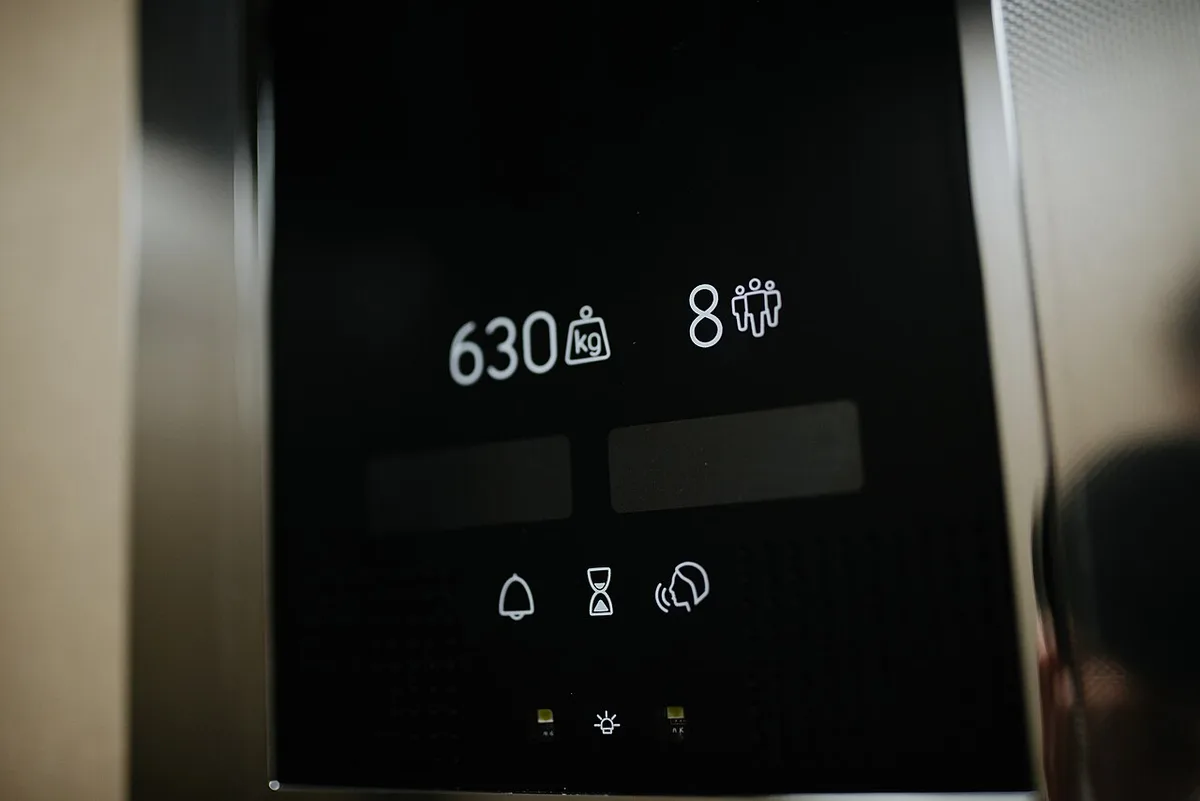
Image source: Wikimedia Commons / Shixart1985 (CC BY)
Rental insurance matters when you drive a moving truck. Personal auto policies rarely cover large box trucks. The rental company's damage waiver covers the truck, not your furniture.
Renters insurance may cover the sofa in transit, but only if you have a policy in force before the move. Read the fine print on "named perils" versus "all risk" coverage. A quick call to your agent saves surprise bills.
Building rules can stop a move cold. Many condos require a certificate of insurance from the moving company. Some ban moves on weekends or after 6 p.m.
Reserve the service elevator at least 48 hours ahead. Pad the elevator walls if the building requires it. Keep the hallway clear for other residents.
FAQs: Reader Questions on Moving a Big Sofa
Can I move a sofa by myself?
No. A full-size sofa weighs 150 pounds or more. Solo lifting risks back injury and furniture damage.
Use two people minimum.
Do I need to remove the door?
If the doorway is narrower than the sofa's narrowest dimension, remove the door. It adds up to two inches of clearance. Rehang it after the move.
What if the sofa won't fit up the stairs?
Try standing it on end and tilting through the turn. If it still jams, disassemble a modular sofa or hire a hoist service. A furniture lift through a window is often cheaper than wall repair.
How do I protect hardwood floors?
Lay moving blankets or cardboard on the path. Tape the edges down. Put furniture sliders under each leg.
Never drag the sofa bare-legged across the floor.
Should I wrap the sofa in plastic?
Use moving blankets first, then stretch wrap to hold them. Plastic alone traps moisture and can damage leather or velvet. Blankets buffer impacts and corners.
What tools are essential?
Furniture sliders, moving straps, two moving blankets, a four-wheel dolly, and tape. A hand truck helps for short lifts but is unstable on stairs.