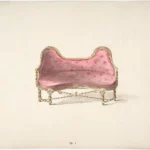
Tufted sofas trap dust and spills in every buttoned indentation. Learning how to clean tufted sofa surfaces starts with knowing what you are dealing with. The wrong cleaner or too much water can shrink fabric or breed mold.
A systematic approach protects the tufts and the frame underneath.
Most manufacturers rate upholstery fabrics between 200 and 400 GSM for durability. Per ASTM D4966 testing, abrasion resistance drops sharply when moisture exceeds 20 percent of fabric weight. Let's walk through the assessment phase first.
How to Clean Tufted Sofa
Check the fabric care label. Vacuum loose debris with a soft brush attachment. Spot‑test cleaner on a hidden seam.
Apply solution sparingly with a microfiber cloth. Blot each tuft gently. Extract excess moisture with a wet‑dry vacuum.
Air dry fully before use.
Assessing Your Tufted Sofa: Fabric Type, Tuft Depth, and Stain Severity
Start by reading the sewn‑in care tag. Codes like W, S, WS, or X tell you which cleaners are safe. W means water‑based solutions only.
S means solvent‑based only. WS allows both. X means vacuum only.
If the tag is missing, assume the most restrictive code.
Measure tuft depth with a ruler. Shallow tufts under ½ inch release dirt easily. Deep tufts over ¾ inch hold moisture longer and need extra drying time.
Identify the fiber. Cotton and linen absorb water fast. Microfiber repels liquid but traps oils.
Velvet and faux‑suede show pressure marks if pressed too hard.
Classify the stain. Fresh coffee or juice responds to water‑based spray. Pet urine needs enzymatic breakdown.
Ink or grease requires solvent‑based treatment. Mud should dry completely before vacuuming. Match the cleaner to the stain type and the fabric code.
Before You Start: Vacuum Selection, Cleaner Compatibility, and Spot Testing
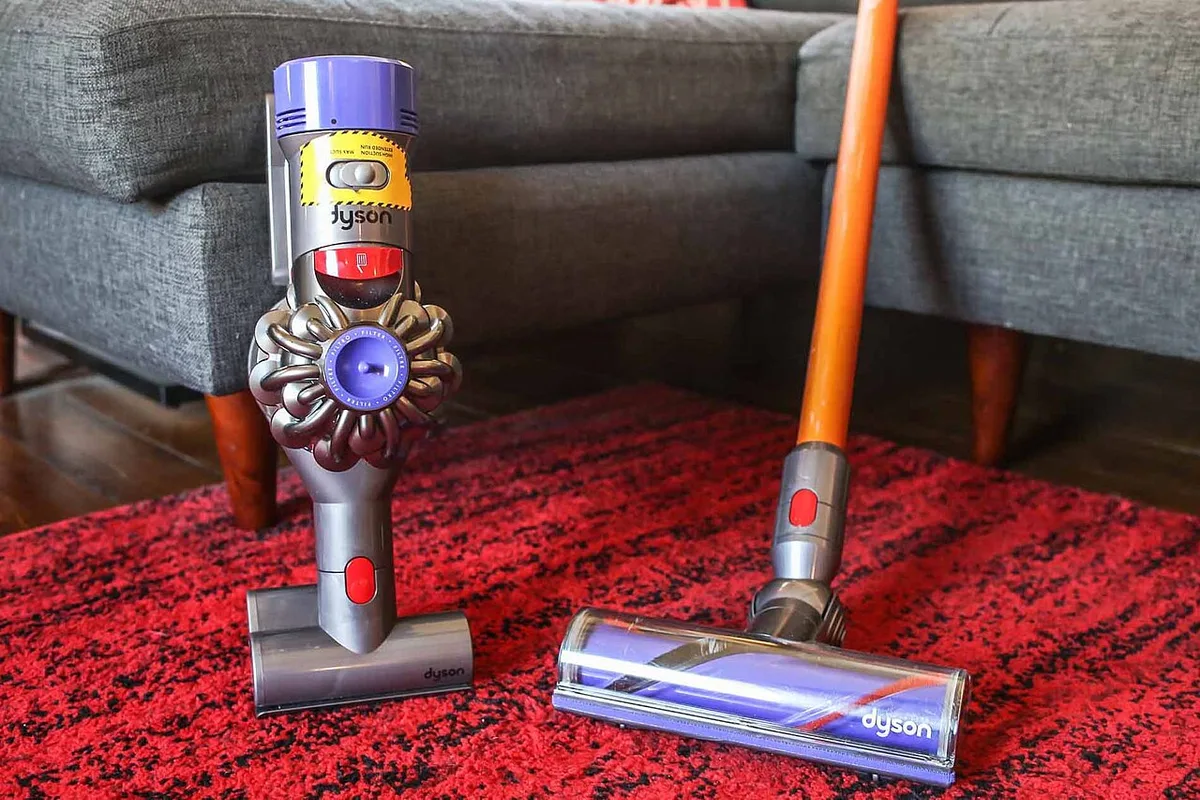
Choose a vacuum with adjustable suction and a soft brush roll. High CFM models above 150 can flatten delicate tufts. A handheld unit with 100‑120 CFM offers control.
Attach a upholstery nozzle with natural bristles. Avoid motorized beater bars on velvet or silk blends.
Pick a pH‑neutral cleaner labeled for your fabric code. Mix a test solution at 1:10 ratio for mild dish soap. For commercial sprays, follow the dilution on the bottle.
Apply a dime‑sized drop on a hidden area, back skirt or underside of cushion. Wait ten minutes. Blot with white cloth.
Check for color transfer or texture change.
Gather tools before you begin. You need two clean microfiber cloths, a spray bottle, a soft‑bristle brush, a wet‑dry vacuum, and a fan. Lay down drop cloths to protect flooring.
Open windows for ventilation. Keep pets and children out of the room until drying finishes.
| Tool | Spec | Why It Matters |
|---|---|---|
| Vacuum | 100‑120 CFM, soft brush | Prevents tuft flattening |
| Cleaner | pH 6‑8, fabric‑code match | Avoids fiber damage |
| Microfiber | 300 GSM minimum | Lifts soil without lint |
| Wet‑dry vac | 1.5‑2 HP extraction | Removes deep moisture |
| Fan | 2000+ CFM airflow | Cuts dry time by half |
The Step-by-Step Tufted Sofa Cleaning Workflow
Vacuum Loose Debris First
Run the upholstery nozzle over every surface. Move slowly across each tuft row. Overlap passes by half the nozzle width.
Lift cushions and vacuum crevices. Remove pet hair with a rubber brush attachment first. Empty the canister when half full to maintain suction.
Apply Cleaner with Controlled Pressure
Spray cleaner onto the cloth, not directly on fabric. Work in 12‑inch sections. Press the cloth onto each tuft center.
Let solution dwell for the time stated on the label, usually two to five minutes. Do not saturate. Excess liquid migrates to the padding and causes mold.
Agitate Tufts Without Fraying
Use a soft‑bristle brush in a gentle tapping motion. Tap each tuft center vertically. Never scrub side‑to‑side.
Scrubbing cuts fibers and distorts buttonholes. For velvet, skip brushing. Blot only with a clean cloth section.
Blot and Extract Moisture
Press a dry microfiber towel onto each treated area. Rotate to a dry quadrant after every few tufts. Follow immediately with the wet‑dry vacuum.
Hold the extraction nozzle ¼ inch above fabric. Move slowly. Listen for the pitch change that signals dry air flow.
Dry Fully Before Use
Position fans to blow across the sofa surface. Keep humidity below 50 percent. Drying takes two to six hours depending on tuft depth and climate.
Do not sit on damp cushions. Weight compresses wet fibers and creates permanent impressions. Check deep tufts with a moisture meter, target under 12 percent.
Common Mistakes That Damage Tufted Upholstery
Over‑wetting tops the list. Saturating tufts forces water into the foam core. Mold colonies can form in 24 hours at 60 percent humidity.
Using the wrong code cleaner causes color bleed or fiber weakening. Skipping the spot test risks irreversible damage on visible areas.
Scrubbing tufts side‑to‑side frays the folded edges. Buttons can loosen or pop off. High‑heat steam cleaners shrink natural fibers and melt synthetic backing.
Household carpet cleaners leave sticky residue that attracts dirt faster. Vinegar solutions strip protective finishes on microfiber.
Ignoring dry time is a silent killer. Sitting on damp cushions compresses the fill unevenly. The sofa feels fine at first but develops lumps weeks later.
Skipping the final vacuum leaves cleaner residue that stiffens fabric. Not checking the care label voids manufacturer warranties on many brands.
Cleaning Costs, Tools, and Time Estimates
A DIY deep clean costs $30 to $60 for supplies. Commercial pH‑neutral spray runs $10 to $25 per bottle. Enzymatic pet treatment adds $15.
Microfiber cloths cost $12 for a six‑pack. Renting a wet‑dry vacuum averages $35 per day. Professional service ranges $120 to $250 for a standard three‑seater.
Time investment breaks down as follows. Assessment and prep take 15 minutes. Vacuuming takes 20 minutes for a large sofa.
Spot treatment and dwell time run 30 minutes. Extraction adds 20 minutes. Drying requires two to six hours passive.
Total active labor stays under 90 minutes.
Frequency depends on household factors. Homes with pets or kids benefit from quarterly deep cleans. Low‑traffic formal rooms need annual attention.
Spot‑clean spills immediately, dried stains cost three times more effort. Vacuum weekly to prevent grit from grinding into tuft valleys.
External reference: ASTM D4966 standard for textile abrasion testing.
Safety Precautions and Fabric Care Label Rules
The sewn-in tag is your safety contract. Codes W, S, WS, and X map to which cleaners can touch the fabric. Ignore them and you risk fiber breakdown plus a voided warranty.
As of 2026, most major upholstery brands print the code on the deck beneath the cushions.
Ventilation matters more than people think. Open windows and run a fan whenever you use a solvent-based cleaner. Those fumes build up fast in a closed room.
Keep the space aired out until the smell fully clears.
Chemical handling deserves real respect. Never mix cleaners, especially bleach with anything ammonia-based. That combo releases toxic chloramine gas.
Wear gloves for enzymatic pet treatments, and store every product well out of reach of kids and pets.
Want a gentler route? Look for cleaners carrying the EPA Safer Choice label. Those skip harsh solvents and treat delicate fibers kindly.
Always run a spot test first, even with a "safe" formula. A hidden back panel absorbs the risk so a visible one doesn't have to.
Frequently Asked Questions
Can I use a steam cleaner on a tufted sofa?
Only if the care tag allows water. Look for a W or WS code first. Heat shrinks natural fibers like cotton and linen.
It can also melt synthetic backings on cheaper frames. When in doubt, skip the steam and blot with a damp cloth.
How do I get pet hair out of the tuft valleys?
Start with a rubber brush or a squeegee. Drag it across each row to lift embedded hair. Then vacuum with an upholstery nozzle.
A pet-specific attachment pulls the last strands from deep buttonholes. Do this weekly if you share the couch with a dog.
How long should a tufted sofa dry after cleaning?
Plan on two to six hours with fans running. Deeper tufts and humid rooms push that longer. Keep air moving across the surface the whole time.
A moisture meter reading under 12 percent means it's safe to sit again.
What's the best way to protect the fabric going forward?
A washable cover blocks most spills before they soak in. It also cuts how often you need a deep clean. For pets, choose covers built for busy households that handle fur and claws.
You'll find solid picks among our favorite covers built for busy households.
Should I clean or replace a badly stained tufted sofa?
Weigh the repair cost against a new piece. If cleaning runs past $250 and stains remain, replacement wins. A well-built sofa often lasts a decade or more.
If you're shopping, our guide to a sofa that suits your space helps narrow the field.
Final Decision Guide: When to DIY vs. Call a Pro
Go DIY when the job is light. Routine vacuuming, small spills, and seasonal refreshes fit a free afternoon easily. You'll spend under $60 on supplies and about 90 minutes of active work.
That's the sweet spot for most homes.
Call a pro when the stakes climb. Deep-set pet urine, wine on delicate velvet, or a valuable designer piece all warrant expertise. Pros bring truck-mount extraction and commercial solvents you can't rent locally.
Budget $120 to $250 for a standard three-seater.
Think about replacement too. A sofa that needs constant cleaning and still looks tired may be done. Pet owners often upgrade to tighter weaves that shrug off stains.
Choosing a brand known for durable frames means the piece survives repeat cleaning far better than a budget build.
Weigh your real options before spending. If the couch draws a crowd of paws and spills, seating that stands up to dogs and mess saves you grief down the line. And run the numbers first.
Checking what a new sofa really costs shows exactly when fixing stops making sense.
Sometimes a fresh start beats another cleaning cycle. Trust the fabric tag, respect the dry time, and you'll keep any tufted sofa looking sharp for years.