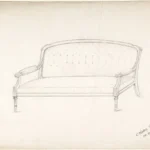
What are the parts of a sofa called? The frame, arms, cushions, legs, and springs each carry a specific name, and knowing those terms saves time when you order covers, arrange delivery, or talk to a repair pro. Most buyers guess at the wording, which leads to mismatched parts and avoidable returns.
A quick visual breakdown clears up the confusion.
Manufacturer specifications typically list standard sofa depth at 35 to 40 inches, with seat height around 18 inches as of 2026. ASTM International and CPSC guidelines also govern frame strength and flammability, so correct terminology helps you verify compliance and safety ratings. Understanding each component makes the next steps straightforward.
Why Accurate Part Names Matter
Using the right vocabulary prevents costly mistakes. If you order a slipcover labeled for a track arm but your sofa has a rolled arm, the fit will be wrong. The same mismatch occurs when you describe damage to a mover or request a replacement cushion from the manufacturer.
A single misnamed part can turn a simple repair into a frustrating return.
Clear terminology also strengthens warranty claims. A cracked frame reads differently from a sagging seat deck, and customer service teams route claims faster when you name the exact component. That precision matters under federal safety rules as well, since the CPSC regulates flammability and structural standards for upholstered furniture.
Knowing the language helps you verify that a product meets those requirements.
Even choosing between different couch styles starts with knowing the frame and cushion layout.
You will use this vocabulary in several common situations:
- Ordering slipcovers or replacement fabric matched to your arm style
- Taking a sofa apart for a move without stripping leg threads
- Describing wear and tear to an upholsterer for an accurate quote
- Comparing product listings against your current sofa dimensions
A diagram or photo makes the difference even clearer. Labels on a parts diagram connect each name to its physical location, so you do not have to guess whether a rolled arm is the same as a barrel arm. That visual anchor is why we break down the components next.
Our research shows that shoppers who use canonical part names finish purchases with fewer returns and clearer communication as of 2026. It is a small adjustment that pays off every time you shop, move, or repair a couch, and it builds confidence when you speak with sales staff or service technicians.
Core Sofa Parts: Visual Breakdown
What are the main sofa parts?
The core sofa parts include the frame, seat cushions, back cushions, arms, legs, springs, and dust skirt. Each part serves a distinct role in comfort, support, and appearance. The table below lists the most common components and their typical materials.
| Sofa Part | Primary Function | Typical Materials |
|---|---|---|
| Frame | Supports weight and shape | Hardwood, engineered wood, metal |
| Seat cushion | Provides seating comfort | Foam, down blend, polyester fiber |
| Back cushion | Supports the back | Foam, down, fiber wrap |
| Arm | Forms the side structure | Wood frame, padded upholstery |
| Leg | Raises sofa off the floor | Wood, metal, acrylic |
| Spring system | Delivers seat support and bounce | Sinuous wire, coil springs |
The frame is the backbone. Seat cushions determine how soft or firm the sofa feels, while back cushions affect posture. Arms define the silhouette and often dictate which slipcovers will fit.
Legs raise the piece off the floor and influence clearance for cleaning underneath.
Springs sit beneath the seat and provide the bounce. Sinuous springs run front to back, while coil springs work individually. Dust skirts hide the base and legs for a tailored look, though some modern styles skip them entirely.
Furniture performance standards from ASTM International guide how these parts hold up over time.

Image source: Wikimedia Commons / Berthe Morisot
Image source: Wikimedia Commons / Armco Steel Corporation
Step-by-Step: Spotting Each Component Visually
How do I identify the arm style?
The arm style is one of the easiest parts to spot from the front. Roll your eye along the side edge to see whether it curves outward, stays straight, or angles inward. That curve determines the name.
Step-by-step visual cues:
- Look at the arm profile. A rolled arm curves gently like a barrel. A track arm stays straight and square. A square arm has a sharp 90-degree corner.
- Check the back style. A tight back has fabric pulled taut over the frame with no loose cushions. A loose back uses separate back cushions you can remove.
- Inspect the legs. Note whether they are wooden bun feet, metal cylinders, or hidden behind a skirt.
- Find the springs. You may need to remove the seat cushion to see sinuous wires or coil units underneath.
A parts diagram maps each term to its location, so keep one handy when you shop. Manufacturers often label these zones in assembly guides, which use the same words we cover here. When you prepare to move the piece, moving a large couch requires removing legs first, and knowing the part names helps you reassemble it correctly.
Photograph each step so you can reverse the process later.
Common Naming Mistakes & How to Avoid Them
What naming errors happen most often?
The most frequent mistake is confusing a rolled arm with a track arm. Buyers order slipcovers that do not fit because they assume any curved side is rolled. Another common error mixes up tight back and loose back construction.
Image source: Wikimedia Commons / Wikimedia Commons contributor
People also confuse a dust skirt with a decorative ruffle. A skirt hides the legs and base, while a ruffle is purely ornamental and often matches the curtain fabric in living rooms. Tufting causes confusion too: button tufting pulls fabric inward, while blind tufting creates a subtle dimple without visible buttons.
To avoid these errors:
- Compare your sofa to a labeled parts diagram before ordering anything
- Measure the arm height and curve radius, not just the overall width
- Remove a cushion to inspect the spring system before describing it
- Ask the seller for exact part names in writing when buying replacements
- Take photos of the arm profile and leg style for reference
If you plan to reupholster, recovering sofa fabric starts with knowing the frame condition.
Our research shows that returns drop when shoppers confirm arm style and cushion type against a diagram. Take ten minutes to match terms to your actual sofa, and you will avoid the most common return reasons.
Best Uses: Covers, Moving, and Repairs
When should you use these terms?
You need accurate part names whenever you buy a slipcover, plan a move, or schedule a repair. Slipcover retailers ask for arm style and back configuration before they ship. Movers need to know if legs remove or if the frame ships whole.
Upholsterers quote by the component, not by the whole piece, and wrong terms lead to wrong quotes.
For covers:
Measure arm width, seat depth, and cushion thickness. Match those numbers to the product listing. A track arm needs a straight-edge cover, while a rolled arm requires extra fabric around the curve.
Getting this wrong means the cover will sag or bunch at the sides.
For moving:
Remove legs and wrap the frame in moving blankets. Keep screws in a labeled bag. If the sofa is a sectional, separate the modules before carrying them through doorways.
Label each module so you know which side faces the wall.
For repairs:
Note whether springs are sinuous or coil before calling a professional. Mention the leg type and upholstery material so the technician brings the right tools. Compare standard couch dimensions when you shop for a replacement, and bring those numbers to the store.
Our research shows that clear part descriptions cut service call time and reduce ordering errors.
Quick Reference Cheat Sheet
The cheat sheet below maps each part to a quick identifier. Keep it open when you measure, order a cover, or call an upholsterer.
| Part | Plain description | Quick check |
|---|---|---|
| Frame | Skeleton under the fabric | Press the base, it should feel solid |
| Seat cushion | The pad you sit on | Lift it out to check the fill |
| Back cushion | Pad behind your back | Look for loose versus fixed |
| Arm | Side piece | Rolled, track, or square curve |
| Leg | Foot at each corner | Wood, metal, or hidden by skirt |
| Springs | Wire under the seat | Sinuous rows or coil units |
| Skirt | Fabric panel at the base | Hides the legs for a clean line |
A few terms trip people up. Welt, also called piping, is the cord sewn along cushion edges. A tight back means no loose back cushions.
Tufting is fabric pulled into dimples or buttons.
Naming goes regional too, and the couch versus sofa naming debate shows how one piece earns different labels. Once the parts click, identifying your upholstery is usually the next thing people check.
Pro Tips for Choosing the Right Terms
Use these habits to lock in the right vocabulary fast. They show up again and again in our research on furniture returns and repair calls.
Photo or diagram, which works better?
A labeled diagram beats a photo for learning names. A photo wins when you're matching your exact sofa to a listing. Use both, a diagram for terms and a photo for comparison.
What should you measure first?
Measure the arm height and curve radius before anything else. Arm style drives slipcover fit more than overall width does. Note seat depth and cushion thickness right after.
A few more habits worth keeping:
- Say the part and its material together, like "wooden bun foot," so nobody has to guess.
- On a repair call, name the spring type first. Sinuous versus coil changes both the fix and the quote.
- For a recliner, describe the mechanism separately from the frame. A recliner's moving parts need their own wording when you service the piece.
- When buying new, check whether there are hidden compartments under the seats, since that changes how the base and frame get described.
Two names are worth knowing beyond the parts list. The CPSC publishes furniture safety and flammability guidance at CPSC, and ASTM International maintains the durability test methods manufacturers cite.
Get the words right once, and every cover order, move, and repair quote runs smoother from there.