
So you're eyeing a sofa bed and wondering what everyone wonders: are sofa beds comfy enough to actually sleep on? The honest answer is that it depends far more on the mechanism and mattress than on the brand or the price. Some are genuinely sleep-worthy.
Others leave you feeling a metal bar across your spine by morning.
The gap comes down to hardware. Manufacturer specs confirm that premium mechanisms from Leggett & Platt are rated for 5,000-plus open-and-close cycles. Budget units often quit near 1,500.
That single difference shapes how a sofa bed feels night after night.
Are Sofa Beds Comfy
Are sofa beds comfy? It really depends on the type inside. A quality pull-out with a thick foam or hybrid mattress sleeps well.
A cheap futon or thin coil mattress feels firm and lumpy. Occasional guests won't mind, but nightly sleepers notice the difference.
Why Sofa Bed Comfort Depends on the Mechanism
A sofa bed lives or dies by what's hidden under the cushions. The mechanism, the folding steel frame that pulls a mattress out and tucks it away, does most of the work here.
Here's the catch. Most pull-out frames rely on a grid of steel crosswires to hold up the mattress. Lie down and you feel those bars, especially if you're a side sleeper with hips and shoulders that need to sink in.
Manufacturers call this "bar feel," and it tops the list of complaints in aggregate buyer reviews. Cheaper frames use thinner wire and fewer crossbars. That means more sag, more pressure points, and a shorter lifespan.
Better mechanisms fix it three ways. They use thicker-gauge steel, add a padded deck under the mattress, and fit center support legs. Those legs stop the middle from sagging when two people share the bed.
Groups like ASTM test mattress support factors for exactly this reason.
If you want the full rundown on [how these dual-purpose pieces work], the hardware matters more than the label on the couch.
Pull-Out, Click-Clack, and Futon: What's Actually Inside
Not all sofa beds are built the same way. The three you'll meet most often are pull-outs, click-clacks, and futons, and each feels completely different under you.
A pull-out, often called a sleeper, hides a real mattress inside the base. You lift the seat cushions and unfold the frame to get a proper bed. These sleep best, though they're heavy and take a minute to set up.
A click-clack folds its back flat in one motion. Simple and light, but the surface is basically firm seat foam. Fine for a night or two, rough for a full week.
A futon drops a thin cotton-and-foam pad onto hinged slats. Cheap and space-smart, though you'll feel the hinge line across the middle.
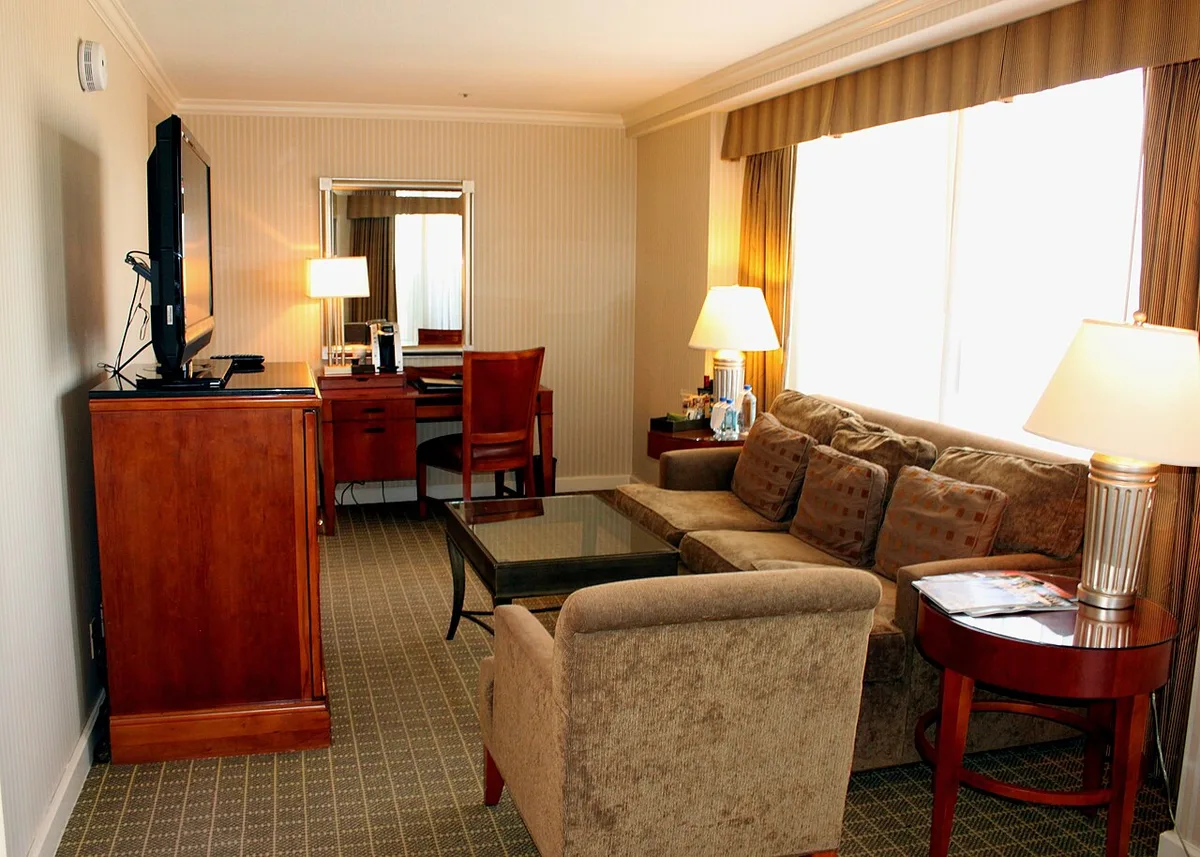
Image source: Wikimedia Commons / Prayitno / Thank you for (12 millions +) view from Los Angeles, USA (CC BY)
Here's the quick read on who each one suits best:
- Pull-out: your pick for regular guests or nightly sleepers.
- Click-clack: great for small spaces and surprise sleepovers.
- Futon: the budget option for very occasional visitors.
Comparing any of these to [well-regarded sleeper models] shows how big the support gap can be.
Side-by-Side: Comfort, Support, and Real-World Feel
Numbers tell the story better than adjectives here. Here's how the main types stack up on the things you actually feel at 2 a.m.
| Type | Mattress feel | Best for | Sleep quality |
|---|---|---|---|
| Pull-out | Foam or hybrid, 4.5 to 6 inches | Regular guests, nightly use | Best |
| Click-clack | Firm seat foam | Occasional use, small spaces | Fair |
| Futon | Thin pad over slats | Rare visits, tight budgets | Fair to poor |
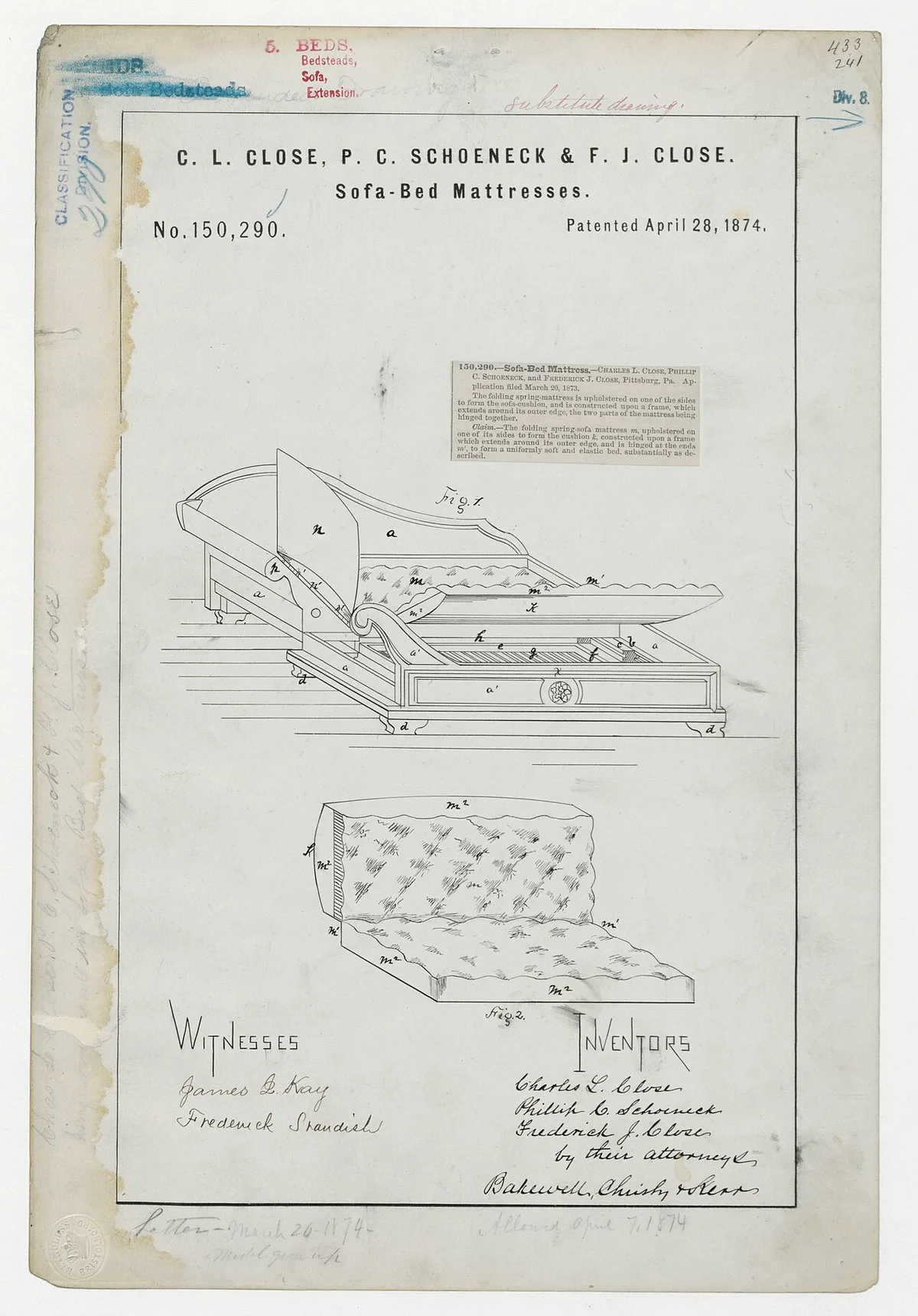
Image source: Wikimedia Commons / Department of the Interior. Patent Office. (1849, 1925)
A few patterns jump out right away. Mattress thickness is the single biggest driver of comfort. Anything under 5 inches lets you feel the frame beneath you.
Go 5.5 inches or thicker and the surface finally starts to cradle your body.
Material matters almost as much as thickness. Innerspring feels bouncy and sleeps cooler. Memory foam hugs your shape but traps heat.
Hybrid builds, which have surged in popularity as of 2026, split the difference and usually hit the sweet spot for sleepers.
One last thing worth knowing. A good mattress topper can lift a mediocre bed by a full comfort tier, and it costs a fraction of replacing the whole sofa. We'll come back to [comfort-focused picks] in a bit.
Match the Sleeper to the Sofa Bed Type
Comfort is personal, so the "best" sofa bed depends entirely on who's sleeping and how often. Match the type to the sleeper and you'll be happy. Ignore the fit and even a pricey model disappoints.
Start with frequency. If someone sleeps on it every night, only a quality pull-out with a 5.5-inch-or-thicker mattress will hold up. Occasional guests?
A click-clack or futon does the job without the bulk.
Now think about body type and sleep position. Side sleepers need more cushioning to protect hips and shoulders, so lean toward thicker foam or hybrid. Back and stomach sleepers can handle firmer, thinner surfaces more easily.
Weight is another factor. Two adults sharing the bed need a center support leg and a solid deck. Without it, the middle sags and you'll both drift toward the dip by morning.
Space and stairs matter too. Pull-outs are heavy, often 150 to 350 pounds. If you've got a narrow stairwell or a walk-up, measure your doorways before you fall in love with one.
For the bigger picture on [sizing that fits your living room], it helps to measure twice and buy once.
What Makes a Sofa Bed Uncomfortable (and How to Spot It Before You Buy)
Most sofa beds feel fine in the showroom and terrible by week three. The upside is that nearly every comfort problem leaves a clue before you buy. Here's what to watch for.
The classic deal-breaker is bar feel, that hard crosswire pressing into your back. It's worst in thin-mattress pull-outs. Press down hard on the unfolded bed and see if you feel the frame grid through the surface.
Sagging comes next. Budget frames and thin decks dip in the middle within a year or two. Look for a center support leg and a solid, padded deck from the start.
Then there's the setup fight. Some mechanisms need two people and a strong back. If you live alone or you're a bit older, that daily struggle gets old fast.
Ask to open and close it yourself in the store.
While you're checking labels, confirm the mattress meets the federal flammability standards enforced by the CPSC. It's a basic safety baseline every reputable model clears.
Watch for these red flags:
- A mattress thinner than 5 inches
- No center support leg
- Flimsy, exposed crosswires under the pad
- A mechanism that needs two people to operate
Spot those and you'll dodge the worst. Look for a model [built for regular use] and every one of those boxes should be ticked.
Fixes That Actually Work: Toppers, Decks, and Sheets
A mattress topper is the most affordable way to raise comfort on a thin sofa bed deck. Add a 2- to 3-inch memory foam or latex topper and you gain contour without replacing the whole unit. Just verify the topper folds cleanly when the bed retracts; bulky types can jam the mechanism.
Most pull-out decks have a center gap where the two mattress halves meet. A simple fix is a fitted foam wedge or a thin egg-crate topper that bridges the space. Some users place a non-slip mattress pad underneath the topper to stop shifting during the night.
Sheets made for standard beds often slip off sleeper sofas because the mattress is shorter or narrower. Deep-pocket fitted sheets rated for 16, 18 inches work best, and many buyers add elastic sheet suspenders clipped to the corners for a secure fit.
One underrated trick is rotating the mattress quarterly if it’s double-sided. This evens out body impressions and extends the usable life by a year or more. If the mattress is single-sided, flip it end-to-end every six months.
Mechanism longevity improves with simple care. Dry a PTFE-based lubricant spray on the fold rails once a year. Wipe away dust at the pivot points, and never force the bed open if it sticks, check for foreign objects in the track first.
Image source: Wikimedia Commons / Prayitno / Thank you for (12 millions +) view from Los Angeles, USA (CC BY)
When you match the topper thickness to the mattress gauge, the sleep surface closes the gap between "firm" and "cozy" more often than not. We'll look at what you actually spend across quality levels next.
Price Tiers and What You Actually Get
Price is the fastest way to guess how a sofa bed will feel. The cheap end cuts corners on the frame, the mattress, or both. The expensive end pays for thicker steel, denser foam, and softer upholstery.
Here's how the three tiers usually break down, based on manufacturer specs and aggregate buyer feedback.
| Tier | Typical price | Mattress | Mechanism rating |
|---|---|---|---|
| Budget | $500 to $900 | 4.5-inch coil | Around 1,500 cycles |
| Mid-range | $1,200 to $2,200 | 5.5-inch foam or hybrid | 3,000 to 5,000 cycles |
| Premium | $2,500 to $4,500+ | 6 to 7-inch hybrid or latex | 5,000-plus cycles |
The budget tier is fine for a guest room that sees a sleeper twice a year. Push it into weekly use and the deck sags, the mattress flattens, and the comfort drops fast.
Mid-range is the sweet spot for most homes. You get a replaceable mattress, a center support leg, and a frame that survives regular use. That combination is what separates a bed you tolerate from a bed you'd actually sleep on.
Premium models add latex or hybrid mattresses, hardwood frames, and mechanisms rated for commercial turnover. If you want numbers on [what a decent sleeper costs overall], the spread holds up across brands.
Frequently Asked Questions
Are sofa beds comfortable for sleeping every night?
Only the best pull-outs are. You need a mattress at least 5.5 inches thick, a center support leg, and a padded deck. Budget sleeper sofas with thin coil mattresses break down within a year of nightly use.
What is the most comfortable type of sofa bed?
A pull-out sleeper with a hybrid or latex mattress wins on comfort. Click-clacks are firmer and futons are thinner, so neither holds up to repeated sleeping. For regular guests, the pull-out is worth the extra weight and cost.
Can I make a sofa bed more comfortable?
Yes. Add a 2- to 3-inch memory foam or latex topper, use deep-pocket sheets with suspenders, and bridge the center gap with a foam wedge. These fixes cost under $200 and lift a mediocre bed by a full comfort tier.
How long do sofa bed mattresses last?
Expect five to seven years with occasional use and three to five with nightly sleeping. Replaceable mattresses extend the whole unit's life to ten years or more. Thin, fixed mattresses often flatten within two years.
Do sofa beds hurt your back?
The frame bar causes most back complaints, not the mattress alone. Side sleepers feel it worst around the hips and shoulders. If you're shortlisting [sleeper models that hold up], check for a padded deck and legs before you buy.
How much should I spend for a comfortable sofa bed?
Plan on $1,200 to $2,200 for a comfortable mid-range model. That budget covers a replaceable 5.5-inch mattress and a mechanism rated for thousands of cycles. Anything under $900 usually means a thinner mattress and a shorter lifespan.