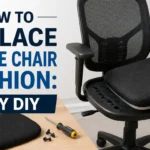
You have just rearranged your living room, and the new chair placement is perfect. But every time you sit down or try to scoot closer to your desk, the chair legs catch on the floor, scraping against the wood or tile with a jarring sound. This frustrating problem is more common than you think, and it can damage both your floors and your furniture over time. Whether you are dealing with a dining chair that refuses to slide, an office chair that sticks on carpet, or a rocking chair that leaves scuff marks, learning how to make the foot of a chair slippery is a practical skill that saves your floors and your sanity.
In 2026, with more people working from home and investing in their living spaces, the demand for simple, effective solutions to furniture friction has never been higher. This comprehensive guide will walk you through five proven methods to make chair feet slippery, from quick DIY fixes using household items to permanent hardware solutions. You will learn exactly which technique works best for your floor type, how to apply each method correctly, and what common mistakes to avoid. By the end of this article, you will have the knowledge to transform any stubborn chair into a smooth-gliding piece of furniture.
Understanding Chair Friction: Why Your Chair Sticks and What You Need
Before you can fix a sticky chair, you need to understand what causes the problem in the first place. Chair feet become non-slippery due to a combination of factors: the material of the chair leg, the type of flooring, and the condition of the contact surface. Hard rubber or plastic feet, common on many dining and office chairs, create high friction against smooth surfaces like hardwood, laminate, and tile. Over time, these feet can also pick up dirt, dust, and debris, which acts like sandpaper and increases resistance. On carpet, the issue is different: the fibers grab onto the chair leg, especially if the feet are flat or have sharp edges.
The key to making a chair foot slippery lies in reducing the coefficient of friction between the chair leg and the floor. This is achieved by either changing the material of the foot to something with lower friction, such as felt or Teflon, or by applying a lubricating layer. You will also need to consider the weight of the chair and the user. A heavy recliner requires a more durable solution than a lightweight kitchen chair. Additionally, the direction of movement matters: some chairs need to slide in all directions, while others, like rocking chairs, only need to move back and forth. Understanding these variables will help you choose the right method from the options below.
Before starting any project, gather the necessary tools and materials. For most methods, you will need a clean cloth, rubbing alcohol or mild soap for cleaning, and measuring tape to ensure a proper fit. Depending on the method you choose, you may also need felt pads, adhesive glides, Teflon tape, furniture sliders, or even a simple bar of soap. Always test your chosen solution on a small, inconspicuous area of the floor first to ensure it does not cause staining or damage. Remember, the goal is to make the chair foot slippery, not to leave residue on your flooring.
Method 2: Furniture Glides and Sliders for Heavy or Frequent Use
For chairs that see heavy daily use or are particularly heavy, furniture glides and sliders offer a more durable solution than felt pads. Furniture glides are typically made from hard plastic, nylon, or metal with a smooth bottom surface. They attach to the chair leg using a screw, a nail, or a tight-fitting cap. The most common type is the nail-on glide, which has a small metal pin that you hammer into the bottom of a wooden chair leg. This creates a permanent, low-friction surface that will not wear out quickly. For metal chair legs, look for glides that snap or screw into place.
Furniture sliders, on the other hand, are larger discs that sit under the entire chair leg. They are often made from hard plastic or Teflon and are designed to be placed directly on the floor, with the chair leg resting on top. These are excellent for chairs that need to be moved frequently, such as office chairs on carpet or heavy recl on hardwood. The key advantage of sliders is that they distribute the weight of the chair over a larger surface area, reducing pressure on floor and preventing dents. In 2026, many sliders come with a felt or rubber top layer to prevent scratching the chair leg itself.
When choosing between glides and sliders, consider your floor type. For hardwood and tile, hard plastic or Teflon glides work exceptionally well because they have a very low coefficient of friction. For carpet, choose sliders with a smooth, flat bottom that will not snag on the fibers. Installation is straightforward: for nail-on glides, simply tap them into the pre-drilled hole in the chair leg. For adhesive sliders, clean the floor surface and press the slider firmly into place. Always test the chair after installation to ensure it slides smoothly without wobbling. This method is ideal for office chairs, dining sets, and any furniture that requires frequent repositioning.
Method 3: The Teflon Tape Trick for Instant Slipperiness
If you need a quick, temporary solution that requires no tools and no adhesive residue, Teflon tape is your best friend. Also known as plumber's tape or PTFE tape, this thin, white tape is designed to create a non-stick surface. When wrapped around the bottom of a chair leg, it dramatically reduces friction and allows the chair to slide smoothly across most surfaces. This method is particularly useful for rental properties where you cannot permanently modify furniture, or for chairs that you plan to replace soon. The application process takes less than five minutes per leg.
To apply Teflon tape, start by cleaning the chair leg with a dry cloth to remove any dust. Cut a strip of tape about six inches long. Wrap the tape tightly around the bottom of the chair leg, overlapping each layer by about half the width of the tape. Continue wrapping until you have built up three to four layers. Press the tape firmly to ensure it adheres to itself. The tape will create a smooth, slippery surface that glides effortlessly. One important note: Teflon tape works best on flat-bottomed chair legs. If your chair legs have a rounded or pointed tip, the tape may not stay in place as effectively.
The main drawback of Teflon tape is its durability. It is not designed for heavy, long-term use and may need to be replaced every few weeks, depending on how often the chair is moved. However, it is incredibly cheap and readily available at any hardware store. For best results in 2026, look for Teflon tape that is labeled as "high-density" or "professional grade," as these versions are thicker and resistant to tearing. This method is perfect for temporary setups, guest chairs, or when you need a quick fix before a party or event. It is also a great way to test if a slippery chair foot will solve your problem before investing in a more permanent solution.
Method 4: DIY Solutions Using Household Items
Sometimes the best solutions are already in your home. Several common household items can be used to make chair feet slippery in a pinch. One of the oldest tricks is using a bar of soap. Simply rub the bottom of the chair leg across a dry bar of soap, coating it with a thin layer. The soap acts as a lubricant, reducing friction and allowing the chair to slide. This method works well on hardwood and tile but may leave a faint white residue on dark floors. Another option is using candle wax or paraffin wax. Rub the wax directly onto the bottom of the chair leg, then buff it with a soft cloth. The wax creates a smooth, slippery surface that lasts for several uses.
For a more modern DIY approach, consider using silicone spray or furniture polish. Spray a small amount of silicone lubricant onto a cloth and wipe it onto the bottom of the chair leg. Silicone is non-staining and creates a long-lasting slippery surface. Alternatively, apply a few drops of furniture polish, such as lemon oil or spray wax, to the chair foot. This method is particularly effective for wooden chair legs, as it also conditions the wood. However, be cautious with polished floors, as excess product can make the floor itself slippery and dangerous. Always apply the product sparingly and wipe away any excess.
A third DIY method involves using old socks or fabric scraps. Cut a piece of thick fabric, such as felt or fleece, and glue it to the bottom of the chair leg using a strong craft adhesive. This is essentially a homemade version of the felt pad method. For a no-glue option, slip a clean, thick sock over each chair leg. This works surprisingly well on hardwood floors and also protects the floor from scratches. The sock method is ideal for temporary use, such as during a move or while waiting for proper glides to arrive. These DIY solutions are cost-effective, environmentally friendly, and can be implemented in minutes with items you already own.
Method 5: Permanent Hardware Solutions for Professional Results
For those who want a permanent, professional-grade solution, installing dedicated furniture casters or roller wheels is the ultimate answer. Casters are small wheels that attach to the bottom of chair legs, allowing the chair to roll in any direction with minimal effort. They are commonly found on office chairs but can be installed on dining chairs, side tables, and even sofas. In 2026, the market offers a wide variety of casters designed for specific floor types. For hardwood and tile, choose soft rubber or polyurethane casters that will not scratch or leave marks. For carpet, hard plastic casters work best as they roll easily over fibers.
Installing casters requires a bit more work than other methods. Most casters come with a stem that inserts into a pre-drilled hole in the chair leg. If your chair does not have a hole, you will need to drill one using a drill bit that matches the stem size. Measure carefully to ensure the hole is centered and straight. Alternatively, you can purchase plate-mounted casters that screw directly onto the bottom of the chair leg. These are easier to install but may require removing the existing foot. Once installed, test the chair to ensure it rolls smoothly and does not tip over. For chairs with a high center of gravity, choose casters with a locking mechanism to prevent accidental rolling.
Another permanent solution is replacing the entire chair foot with a glide or cap made from ultra-high-molecular-weight polyethylene (UHMW). This material is incredibly durable and has one of the lowest coefficients of friction of any plastic. UHMW glides are often used in industrial applications and can last for years without wearing down. They are available in various sizes and can be ordered online or found at specialty hardware stores. Installation typically involves screwing or pressing the glide into the chair leg. While this method is more expensive than felt pads or tape, it offers the best long-term performance and is ideal for high-use furniture like kitchen chairs and office desks.
Key Takeaways
- ✓ Felt pads are the best all-around solution for making chair feet slippery on hardwood, tile, and laminate, but they need replacement every 3-6 months.
- ✓ For heavy chairs or frequent use, invest in furniture glides or sliders made from hard plastic, nylon, or Teflon for a more durable fix.
- ✓ Teflon tape offers a quick, temporary, and residue-free solution that works in minutes and is perfect for rentals or testing.
- ✓ Household items like bar soap, candle wax, silicone spray, and old socks can provide effective DIY solutions with items you already own.
- ✓ For a permanent, professional result, install furniture casters or UHMW glides, which offer the lowest friction and longest lifespan.
Frequently Asked Questions
Can I use WD-40 to make my chair feet slippery?
While WD-40 can temporarily reduce friction, it is not recommended for chair feet. WD-40 is a solvent and lubricant that can damage certain floor finishes, leave a greasy residue, and attract dust and dirt. It may also stain carpets or hardwood. Instead, use a dry lubricant like silicone spray or a dedicated furniture glide product for a safer, longer-lasting result.
Will making my chair feet slippery damage my hardwood floors?
When done correctly, making chair feet slippery should protect your hardwood floors, not damage them. The goal is to reduce friction, which prevents scratches, scuffs, and gouges. However, using the wrong material can cause issues. For example, hard plastic glides on unfinished hardwood can still cause scratches. Always use felt pads or soft rubber casters on hardwood, and ensure the contact surface is clean and free of debris.
How do I make chair feet slippery on carpet without them getting stuck?
On carpet, the best solution is to use furniture sliders or casters with a wide, smooth base. Felt pads can work on low-pile carpet but may snag on thicker fibers. For high-pile or shag carpet, choose sliders made from hard plastic or Teflon that are at least 3 inches in diameter. These distribute the chair's weight and allow it to glide over the fibers without catching.
What is the best method for making a rocking chair foot slippery?
Rocking chairs require a different approach because they only move back and forth. The best method is to attach felt strips or Teflon tape to the bottom of the rockers. Cut the material to match the length of the rocker and apply it using strong adhesive. This creates a smooth, low-friction surface that allows the chair to rock without sticking or scraping the floor. Avoid using casters on rocking chairs, as they can destabilize the chair.
How often should I replace felt pads on my chair feet?
The lifespan of felt pads depends on the weight of the chair, the frequency of use, and the floor type. On average, felt pads should be replaced every 3 to 6 months. Signs that they need replacement include visible wear, thinning, curling edges, or the chair starting to stick again. For chairs used daily, check the pads monthly and replace them as soon as they show signs of wear to protect your floors.
Conclusion
Making the foot of a chair slippery is a simple yet impactful home improvement task that protects your floors, reduces noise, and improves the functionality of your furniture. Whether you choose the quick convenience of felt pads, the durability of furniture glides, the ingenuity of DIY household items, or the permanence of casters, each method has its place depending on your specific needs and floor type. The key is to match the solution to the problem: consider the weight of the chair, the material of your floors, and how often the chair is moved. By following the steps outlined in this guide, you can eliminate the frustration of sticky chair legs and enjoy a smoother, quieter home.
Now is the time to take action. Start by examining the chairs in your home that cause the most trouble. Choose one method from this guide that best fits your situation, gather the necessary materials, and apply it today. You will be amazed at the difference a slippery chair foot can make. For ongoing maintenance, keep a pack of felt pads or a roll of Teflon tape in your home toolkit so you can quickly address any new chairs that enter your space. Your floors will you, and you will wonder why you did not make the switch sooner.