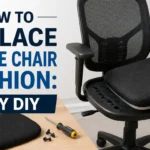
That dining chair with the faded floral fabric or the torn vinyl seat has been staring at you from the corner of the dining room for months. You know it has good bones, but the upholstery is beyond saving. Before you spend hundreds of dollars on a professional or, worse, toss the chair in the landfill, consider this: reupholstering a dining chair seat is one of the most satisfying and cost-effective DIY projects you can tackle in a single afternoon. With the right tools and a bit of patience, you can transform a tired piece of furniture into a stunning centerpiece that matches your current decor.
In 2026, the DIY home decor movement is stronger than ever, driven by a desire for sustainability and personalization. Learning how to reupholster a dining chair seat not only saves you money but also gives you complete control over the color, texture, and durability of your furniture. This guide will walk you through every step, from choosing the right fabric to securing the final staple, ensuring your project looks professional and lasts for years. Whether you are a complete beginner or someone looking to refine your technique, you will find practical, actionable advice here.
Gathering Your Tools and Materials
Before you even look at your chair, you need to assemble the right arsenal. The beauty of this project is that the tool list is short and inexpensive. You will need a staple gun (manual or electric, though an electric or pneumatic gun is highly recommended for consistent results), a pack of 1/4-inch or 3/8-inch staples, a flathead screwdriver or a staple remover tool, a pair of sharp fabric scissors, and a measuring tape. For the fabric, choose a heavy-duty upholstery fabric that is rated for high traffic, as dining chairs see a lot of wear. Avoid lightweight quilting cotton or linen, as they will wear out quickly and show every wrinkle.
The second critical component is the padding. Most dining chair seats come with a foam pad, but after years of use, that foam is likely compressed and uncomfortable. You have two options: reuse the existing foam if it is in decent shape, or replace it with new foam. For 2026, high-density polyurethane foam with a thickness of 1 to 2 inches is the gold standard. You can also add a layer of Dacron batting on top of the foam for a softer, more rounded look. Finally, do not forget the backing fabric. If your chair seat is removable, you will need a piece of black or neutral non-woven fabric to cover the underside and give it a clean, finished appearance.
The last item on your list is the most important: the fabric itself. When calculating yardage, measure the width and length of your seat, then add at least 4 inches to each side for wrapping and stapling. For a standard dining chair seat, you will need about half a yard of fabric per chair. If you are doing a set of four or six, buy all the fabric at once from the same dye lot to ensure color consistency. A pro tip for 2026 is to consider performance fabrics that are stain-resistant and easy to clean, especially if you have children or pets. These fabrics cost a bit more but will save you from having to redo the project in two years.
Removing the Old Upholstery and Preparing the Seat
The first physical step is to remove the seat from the chair frame. Most dining chair seats are attached with four screws driven up through the chair frame into the bottom of the seat board. Flip the chair over and look for these screws. Use a screwdriver or a drill with a screwdriver bit to remove them. Keep the screws in small bowl or magnetic tray so they do not get lost Once the screws are out, the seat should lift off easily. If it is stuck, do not force it; check for additional screws or glue. Set the chair frame aside.
Now, turn the seat over so you are looking at the underside. This is where the old fabric is stapled. Using your flathead screwdriver or staple remover, carefully pry up the old staples. Work slowly to avoid tearing the wood or damaging the seat board. It is often easier to slide the screwdriver under the staple and twist gently. Remove all staples and discard the old fabric and any old batting. You will be left with a bare wooden seat board, which may have old foam glued to it. If the foam is crumbling or has an odor, peel it off. If it is still intact, you can leave it as a base layer, but for best results, remove it and start fresh.
With the board bare, inspect it for damage. Look for cracks, splinters, or water damage. If the wood is in good shape, sand it lightly with medium-grit sandpaper to smooth any rough edges. If the board is damaged, you can trace the shape onto a new piece of 1/2-inch plywood and cut a replacement using a jigsaw. This is a common issue with older chairs, and replacing the board is a simple fix. Once your board is clean and smooth, you are ready for the fun part: cutting and applying your new fabric and foam.
Cutting and Layering Your New Foam and Fabric
Place your clean seat board on top of your new foam. Using a marker or a pen, trace the outline of the board onto the foam. For a standard flat seat, cut the foam exactly to the size of the board using an electric carving knife or a sharp utility knife. An electric knife makes clean, straight cuts through foam without leaving a jagged edge. If your seat has a curved or rounded front, cut the foam to match the shape precisely. For a more luxurious feel, you can cut the foam slightly larger than the board, about 1/2 inch on each side, to create a soft, padded edge.
Next, cut your Dacron batting. Lay the batting flat and place the foam-topped board on top. Cut the batting so it is about 3 to 4 inches larger than the board on all sides. This extra material will wrap around the edges and be stapled underneath. Drape the batting over the foam and board, then flip the whole assembly over so the batting is on the bottom. Pull the batting taut and staple it to the underside of the board. Start in the center of each side, placing one staple, then move to the opposite side and pull tight before stapling. Work your way out toward the corners, keeping the batting smooth and wrinkle-free.
Now, it is time for the fabric. Lay your upholstery fabric face down on a clean, flat surface. Place the padded seat board on top of the fabric, with the batting side down. Center the board on the fabric, ensuring the pattern is straight. If your fabric has a directional pattern, like stripes or a floral design, make sure it is oriented correctly. Cut the fabric, leaving a 4-inch border around the entire board. This margin is crucial for getting a good grip when you staple. For patterned fabric, take extra time to ensure the pattern is centered and level before you cut.
Stapling the Fabric for a Professional Finish
The stapling process is where your project goes from good to great. Start by pulling the fabric over one edge of the seat board and placing a single staple in the center of that side. Do not drive the staple all the way in yet; just enough to hold the fabric in place. Move to the opposite side, pull the fabric taut with your hand, and place a staple in the center. Repeat this for the remaining two sides. You should now have four staples, one in the center of each side, holding the fabric in place. Check the top of the seat to ensure the fabric is straight and the pattern is aligned.
Now, work your way out from the center of each side toward the corners. Place staples about 1 to 2 inches apart, pulling the fabric firmly toward you before each staple. The key is consistent tension. Too loose, and the fabric will sag; too tight, and you might distort the pattern or tear the fabric. For a smooth, drum-tight finish, use your free hand to smooth the fabric from the center outward as you staple. When you reach the corners, you will need to create neat pleats. For a square or rectangular seat, fold the excess fabric into a crisp pleat, similar to wrapping a gift box. Staple the pleat flat against the board.
For rounded or curved seats, the technique is slightly different. Instead of pleats, you will make small, overlapping folds, or darts, as you work around the curve. Place a staple, then make a small fold, staple again, and repeat. The folds should be evenly spaced and point toward the center of the seat. This takes practice, but the result is a smooth, tailored curve. Once all the fabric is stapled, trim any excess fabric with scissors, leaving about 1/2 inch of fabric beyond the staples. This prevents bulkiness when you reattach the seat to the chair frame.
Finishing the Underside and Reattaching the Seat
A professional reupholstery job is not complete until the underside looks clean. This is where the backing fabric comes in. Cut a piece of black non-woven fabric (often called dust cover) slightly larger than the seat board. Place it over the stapled underside, tucking the edges under slightly. Staple the backing fabric in place, using the same center-out technique. This fabric hides the raw staples and foam and protects the underside from dust and debris. It is a small step that makes a huge difference in the final appearance.
Now, it is time to reattach the seat to the chair frame. Align the seat board with the screw holes in the chair frame. If the old screws rusty or stripped, replace them with new ones of the same size. Drive the screws through the frame and into the seat board. Do not overtighten, as this can strip the wood or crack the seat board. Tighten until the seat is snug and does not wobble. If your chair has a separate backrest or arms, now is the time to check those for loose screws or wobbly joints as well.
Finally, give your chair a thorough inspection. Sit on it to test the comfort and stability. Check the fabric for any wrinkles or loose spots. If you find a wrinkle, you can sometimes fix it by carefully removing a few staples, pulling the fabric tighter, and re-stapling. For stubborn wrinkles, a handheld steamer can be used to gently relax the fabric fibers. Once you are satisfied, repeat the entire process for your remaining chairs. The second chair will take half the time of the first, and by the fourth chair, you will be a seasoned pro.
Key Takeaways
- ✓ Invest in high-density foam and performance upholstery fabric for durability and comfort.
- ✓ Always remove old staples completely and inspect the wooden seat board for damage before starting.
- ✓ Cut your fabric with a 4-inch border on all sides to ensure you have enough material for a tight wrap.
- ✓ Staple from the center of each side outward, maintaining consistent tension to avoid wrinkles.
- ✓ Finish the underside with a dust cover for a clean, professional look that protects your work.
Frequently Asked Questions
Can I reupholster a dining chair seat without removing the old fabric?
It is strongly recommended to remove the old fabric. Leaving it on creates a lumpy, uneven surface and can cause the new fabric to wear out faster. Removing the old staples also allows you to inspect the foam and wood for damage, ensuring a longer-lasting result.
What type of fabric is best for dining chairs that get daily use?
For high-traffic dining chairs, choose a heavy-duty upholstery fabric with a high rub count (over 15,000 double rubs). Performance fabrics like Crypton, Sunbrella, or polyester blends are excellent choices because they are stain-resistant, fade-resistant, and easy to clean. Avoid delicate fabrics like silk or velvet for everyday use.
How do I fix a chair seat that has a curved or rounded front?
Curved seats require a technique called "darting." As you staple around the curve, make small, overlapping folds in the fabric. Each fold should point toward the center of the seat. This creates a smooth, tailored finish without bulky pleats. Practice on a scrap piece of fabric first if you are unsure.
My foam is glued to the wooden seat board. How do I remove it?
If the foam is glued, use a putty knife or a stiff scraper to gently pry it off. For stubborn glue, apply a small amount of adhesive remover or mineral spirits to a cloth and dab it on the glue. Let it sit for a few minutes, then scrape. Always work in a well-ventilated area and wear gloves when using chemical removers.
Can I use a regular manual staple gun, or do I need an electric one?
A manual staple gun will, but it requires more effort and can cause hand fatigue, especially if you are doing multiple chairs. An electric or pneumatic staple gun is faster, drives staples more consistently, and is easier on your hands. For a one-time project, a manual gun is fine; for a full set of chairs, invest in an electric model.