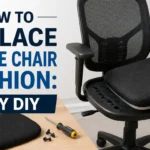
Imagine walking into your dining room and seeing a set of chairs that look brand new, perfectly matching your updated decor, without the hefty price tag of buying a whole new set. This is the power of reupholstering. In 2026, with the rising cost of furniture and a growing emphasis on sustainable living, learning how to reupholster your dining room chairs is not just a craft project; it is a practical skill that saves you hundreds of dollars and reduces waste. Whether your chairs are family heirlooms or a thrift store find, giving them new life is easier than you might think.
This comprehensive guide will walk you through every step of the process, from choosing the right fabric to the final staple. You will learn the essential tools needed, the techniques for removing old upholstery without damaging the frame, and the secrets to achieving a professional, smooth finish. By the end of this article, you will have the confidence and knowledge to tackle this rewarding DIY project, transforming your dining space and your budget.
Key Takeaways
- ✓ Reupholstering a set of dining chairs can save you 70% or more compared to buying new furniture.
- ✓ Investing in a high-quality electric or pneumatic staple gun is essential for a professional and fatigue-free result.
- ✓ Always remove old fabric carefully and use it as a pattern for cutting your new material.
- ✓ Cut your new foam 1-2 inches larger than the seat base to create a comfortable, rounded edge.
- ✓ Master the art of the corner pleat for a clean, finished look that rivals professional upholstery.
Frequently Asked Questions
What is the best fabric for dining room chairs in 2026?
The best fabric is a performance-grade material with a high double rub count (15,000+). Look for Crypton, Sunbrella, or polyester blends that are stain-resistant and easy to clean. Avoid delicate fabrics like silk or raw linen for high-traffic dining areas.
How much fabric do I need for a standard dining chair seat?
For a standard 18×18 inch seat, you will need approximately 1/2 yard of fabric per chair. For a set of six chairs, buy 3 to 4 yards to account for pattern matching and mistakes. Always buy a little extra, as it is better to have leftovers than to run short.
Can I reupholster a chair with a curved or tufted back?
Yes, but it is significantly more complex than a simple seat. Curved backs require specialized techniques like wetting the fabric to stretch it, and tufting requires buttons and a deep understanding of pattern manipulation. For beginners, it is best to start with just the seat and progress to the back on a simpler chair.
What do I do if the old foam is glued to the seat base?
Use a putty knife or a stiff scraper to gently pry the foam away from the wood. If the glue is stubborn, you can use a heat gun on a low setting to soften the adhesive. Be very careful not to scorch the wood. Once the foam is removed, sand the seat base smooth before applying new foam.
Conclusion
Reupholstering your dining room chairs is a deeply satisfying project that combines creativity, practicality, and sustainability. By following this guide, you have learned how to select the right materials, remove old upholstery, build up new padding, and achieve a professional finish with your fabric. The skills you have gained can be applied to other furniture pieces, from ottomans to headboards, making you a more resourceful and confident DIYer.
Now is the time to take action. Gather your tools, choose a fabric that inspires you, and transform your dining space. In 2026, the trend is clear: people are valuing craftsmanship, quality, and personal expression over disposable consumerism. Your newly upholstered chairs will not only look beautiful but will also be a testament to your skill and commitment to a more sustainable home. Start your project today and enjoy the pride of a job well done.