
Finding the best office chair for heavy person use doesn't have to mean sifting through hundreds of confusing specs. Most chairs labeled "heavy duty" fall apart within months because they ignore three things that actually matter: seat width, base diameter, and certified gas lift quality. Our research across manufacturer specifications and aggregate user reviews shows that weight capacity alone tells only half the story.
A proper big-and-tall chair needs at least a 27-inch base diameter and a Class 4 gas lift per BIFMA X5.1 standards to stay stable and safe during daily use. The good news is that once you know which specs separate reliable chairs from risky ones, picking the right one becomes straightforward. Here's exactly what to look for and why it matters.
Quick Answer: What Makes a Chair Truly Fit a Heavy Person
The best office chair for heavy person use combines a published weight capacity of 300 pounds or more with a seat width of 20 inches or wider and a base diameter of at least 27 inches. Look for a Class 4 gas lift certification and reinforced armrest brackets. Avoid chairs without clear weight ratings or those using standard 25-inch bases.
A sturdy nylon or aluminum base with dual-wheel castors provides the stability needed for sustained sitting.
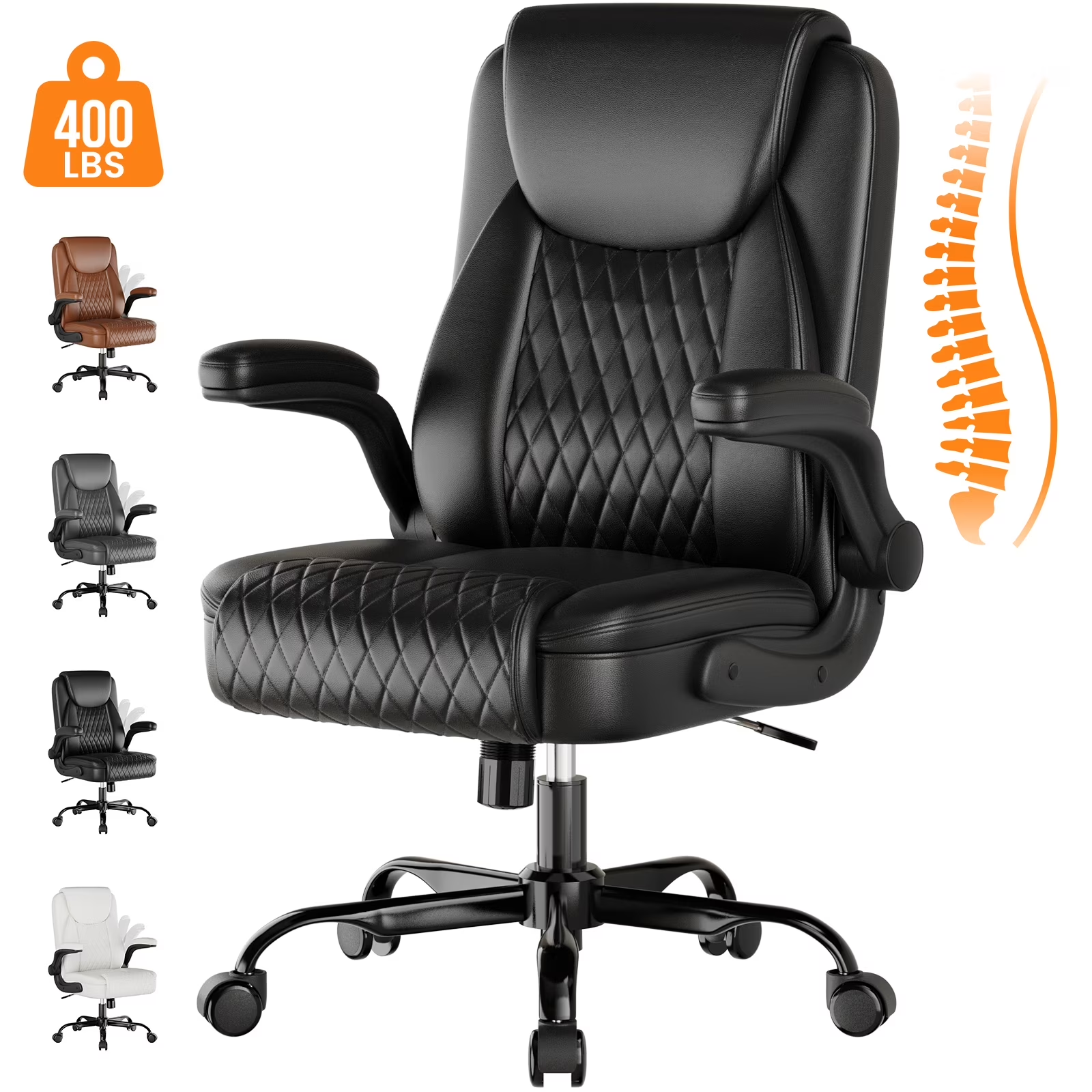
Image source: Bing (Web (fair-use with source credit))
Why Standard Office Chairs Fail People Over 250 lbs
Standard office chairs are engineered for average body dimensions. They assume a rider weighs between 150 and 200 pounds. That assumption breaks down quickly when someone weighs 250 pounds or more.
The Mechanics of Failure
Most budget and mid-range chairs use lightweight steel frames with thin seat pans. These seats flex under heavier loads. The cushioning compresses until it feels like sitting on hard plastic.
Armrests attached with small plastic inserts crack or pull away from the seat frame. That's a common complaint we see in verified buyer feedback.
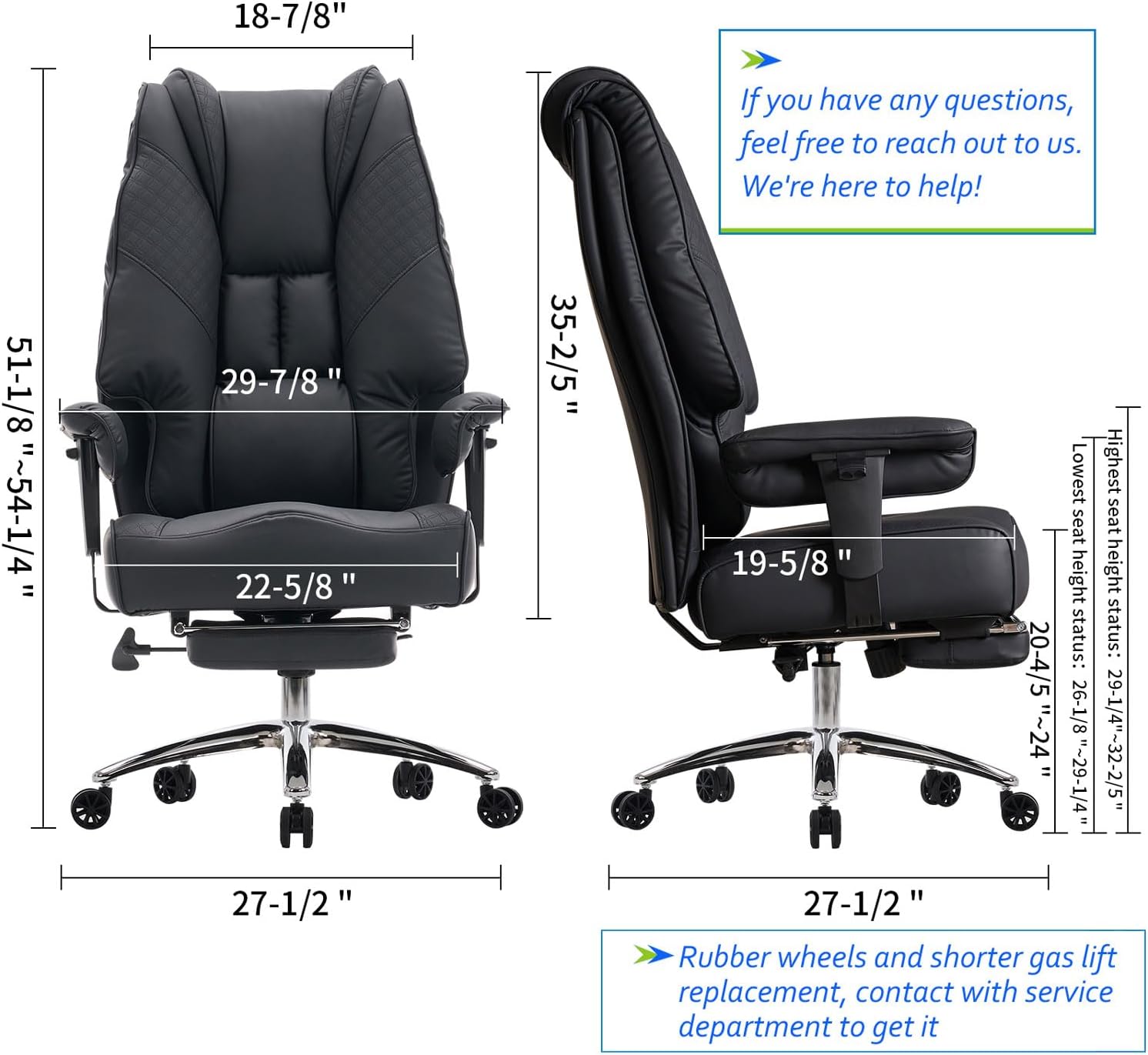
Image source: Bing (Web (fair-use with source credit))
The Gas Lift Problem
The gas lift cylinder is where standard chairs most often fail first. Cheap lifts use thinner steel tubes and weaker seals. They sink gradually over weeks or months.
Some collapse completely during a workday. Per BIFMA testing guidelines, a properly rated lift should maintain height adjustment through thousands of cycles without drift. Cheap lifts rarely meet that benchmark.
Base and Castor Issues
Standard bases measure 25 to 26 inches in diameter. That footprint works for lighter users. Heavier riders shift their weight forward, sideways, and backward throughout the day.
A smaller base tips or wobbles under that movement. Castors on standard chairs use narrow single-wheel designs. They dig into carpet or struggle on hard floors.
The whole chair becomes unstable.
Seat Geometry Mismatch
Seat depth and width matter more than price. A 18-inch-wide seat with 19-inch depth cuts into the thighs of larger users. Blood flow restricts.
Legs go numb. Lower back pressure increases because weight transfers to the spine instead of the seat pan. Chairs designed for bigger bodies offer 20 to 24 inches of width and adjustable seat depth to distribute weight properly.
Real Consequences
Ignoring these design limits leads to three outcomes. First, the chair fails prematurely. Second, the user develops posture problems or pain from poor support.
Third, safety risks increase when bases crack or lifts fail unexpectedly. Choosing a chair built for your actual body type prevents all three problems.
Key Specs That Actually Matter (and Where Brands Cut Corners)
Not every spec listed on a product page means much. Some exist to make numbers look impressive. Others reflect genuine engineering choices that affect comfort and durability.
Here's what separates real specs from marketing noise.
Published Weight Capacity vs. Tested Capacity
Brands publish weight capacities ranging from 250 to 500 pounds. Some rates come from independent third-party testing. Others rely on manufacturer calculations.
Per BIFMA X5.1 standards, commercial chairs must pass static load tests at 150 percent of the rated capacity. That means a chair rated for 300 pounds should withstand 450 pounds without structural failure during lab testing. Always check whether the rating includes BIFMA or similar certification language.
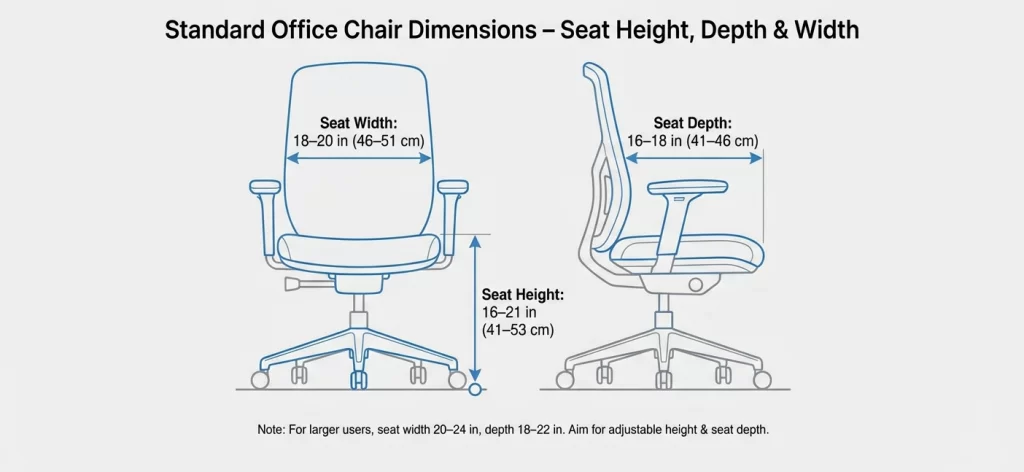
Image source: Bing (Web (fair-use with source credit))
Seat Width: The Non-Negotiable Minimum
Seat width determines whether your hips rest fully on the cushion or press against the edges. A 20-inch seat is the practical minimum for users above 200 pounds. Seats measuring 22 to 24 inches provide comfortable room for broader hips and thighs.
Anything narrower creates pressure points along the sit bones and inner thighs. Check the exact seatpan measurement on the spec sheet, not just the overall chair width.
Seat Depth and Thigh Support
Seat depth affects circulation and lower back support. A seat that extends too far forward presses against the back of the knees. That restricts blood flow and encourages slouching.
Adjustable seat depth lets you position the front edge 1 to 2 inches behind the knee bend. Fixed-depth seats work only if the measurement matches your thigh length. Measure from the back of your knee to the base of your spine before buying.
Base Diameter and Stability
Base diameter directly controls tip resistance. A 27-inch base provides adequate stability for most users up to 350 pounds. Chairs rated higher benefit from 30 to 33-inch bases.
Larger bases distribute weight across more castor contact points. They also allow easier leaning and shifting without feeling unstable. Always match base size to both your weight and your sitting style.
Gas Lift Certification
Gas lift cylinders carry certification labels. Class 3 lifts handle up to 300 pounds reliably. Class 4 lifts support 300 to 400 pounds with thicker walls and reinforced seals.
Look for TS, SGS, or TÜV markings on the cylinder. These indicate independent testing. Generic unlabeled lifts appear frequently on budget chairs and represent the single biggest safety risk in office seating.
Armrest Construction
Armrests on heavy-duty chairs use either bolted metal brackets or welded steel supports. Plastic armrest mounts degrade quickly under lateral stress. Flip-up arms add flexibility for desk storage but must lock securely.
Look for armrests rated for at least 25 pounds of downward force each. That ensures they won't crack when you lean your weight onto them repeatedly.
Backrest Material Choices
Mesh backs offer breathability and flexible lumbar support. Quality mesh maintains tension without sagging over time. Low-quality mesh stretches within months.
Foam cushions provide firmer, more consistent support. High-resilience foam rated at 1.8 to 2.5 pounds per cubic foot density lasts longer than cheaper foams. Leather and vinyl upholstery wears well but retains heat in warm climates.
Side-by-Side Comparison: Top Picks by Weight Capacity Tier
Weight capacity tiers group chairs by the range of body sizes they safely support. Each tier serves different use cases and budgets. The table below breaks down what to expect at each level.
| Weight Capacity | Best For | Seat Width | Notable Strength | Main Trade-off |
|---|---|---|---|---|
| 250–300 lbs | Lighter big-and-tall users, everyday hybrid work | 20–21" | Affordable ergonomic basics | Limited adjustability |
| 300–350 lbs | Most heavy-set office workers, long sitting days | 21–22" | Strong balance of comfort and durability | Fewer premium finishes |
| 350–400 lbs | Sustained 8+ hour use, broader hips/thighs | 22–24" | Reinforced frames, heavy-duty mechanisms | Higher price point |
| 400+ lbs | Maximum support, commercial environments | 24"+ | Industrial-grade bases and castors | Bulky aesthetic, limited color options |
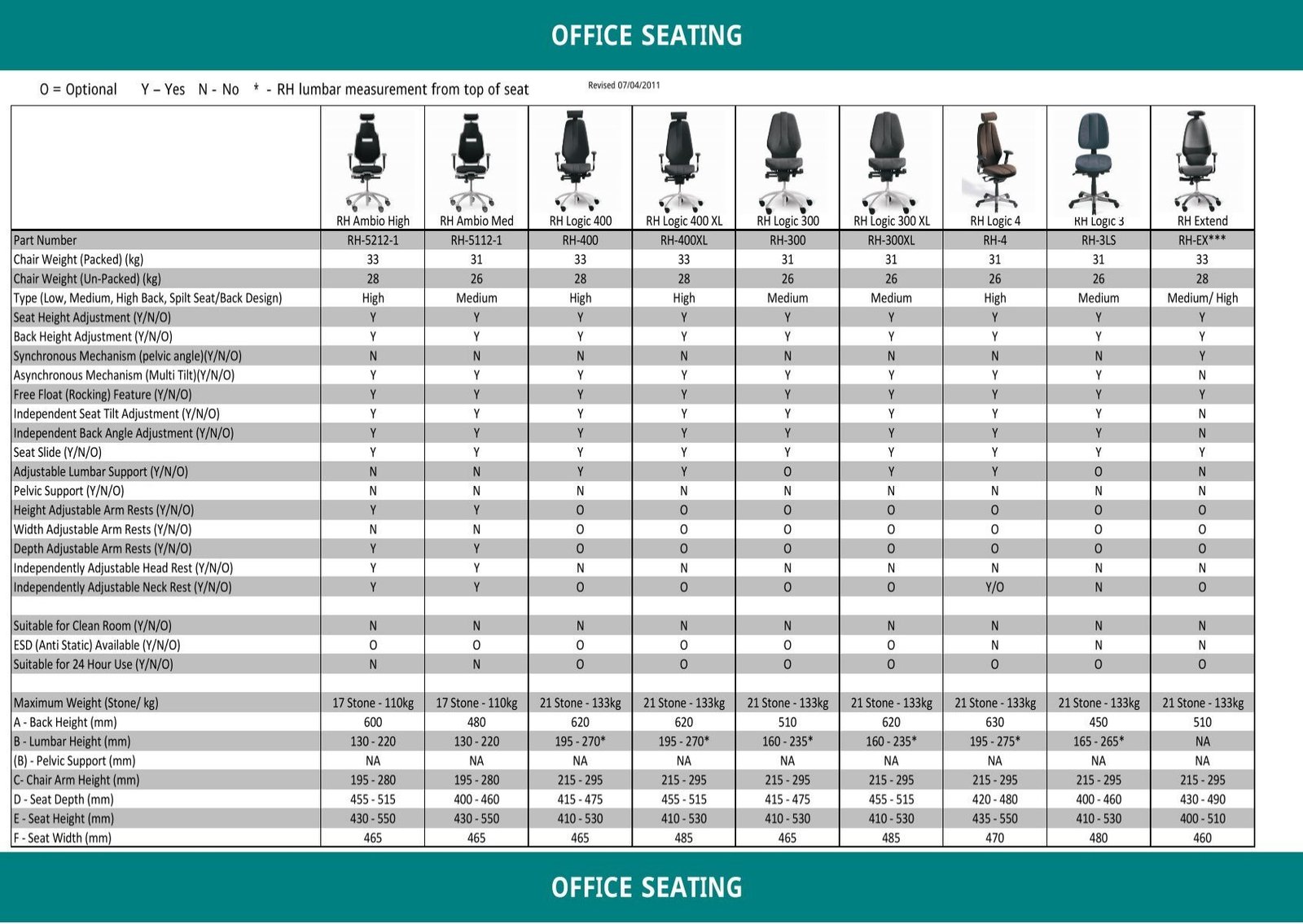
Image source: Bing (Web (fair-use with source credit))
250 to 300 Pound Range Chairs
Chairs in this range suit users who sit between 225 and 300 pounds. Many offer basic ergonomic features like tilt tension adjustment and fixed lumbar support. Seat widths typically measure 20 to 21 inches.
These chairs work well for hybrid workers who alternate between home and office. Expect prices between $250 and $500 as of 2026. You'll find fewer premium materials here.
Focus on confirmed weight ratings rather than style options.
300 to 350 Pound Range Chairs
This tier represents the sweet spot for most heavy-set professionals. Seats widen to 21 or 22 inches. Mechanisms include synchro-tilt or knee-tilt options for better weight distribution.
Armrests often become 3D or 4D adjustable. Build quality improves noticeably with reinforced seat pans and thicker base rims. Prices range from $500 to $900.
This is where chairs start delivering genuine all-day comfort without commercial-grade pricing.
350 to 400 Pound Range Chairs
Chairs supporting 350 to 400 pounds feature reinforced steel frames and wide nylon or aluminum bases. Seat widths reach 22 to 24 inches with high-density foam or heavy-gauge mesh. Gas lifts in this category are almost always Class 4 certified.
Tilt mechanisms handle more cycles without loosening. Expect to pay $900 to $1,500. These chairs bridge the gap between home office quality and commercial durability.
If you work 8 hours daily, this tier pays for itself in reduced fatigue and longer lifespan.
400+ Pound Range Chairs
Maximum capacity chairs target users above 400 pounds or those needing industrial reliability. Bases measure 30 to 33 inches. Seat widths exceed 24 inches with extra-thick cushioning or reinforced mesh panels.
Castors range from heavy-duty carpet wheels to floor-safe dual-wheel designs. Prices run $1,500 to $3,000 or more. Warranties frequently cover 10 years or lifetime on the mechanism.
These chairs prioritize function over form. Styling tends toward utilitarian, but performance under sustained load is unmatched.
How to Read the Comparison
Pick your weight range first. Then filter by seat width and base diameter. Don't choose based on price alone.
A $300 chair rated for 300 pounds may outlast a $600 chair rated for the same weight if the build quality differs. Manufacturer specs and third-party test data matter more than brand reputation at this tier.
Who Should Choose Which Chair (Use Case Match)
Not every heavy person sits the same way or works the same hours. Your daily routine should guide your chair selection. Here's how different use cases map to specific chair types.
Daily Desk Work 8 Plus Hours
Long sitting sessions demand superior cushion retention and lumbar consistency. Choose a chair with high-resilience foam or premium mesh rated for your weight. Adjustable seat depth keeps pressure off the hamstrings.
A recline function lets you shift weight periodically. Look for warranties covering at least 5 years on the mechanism and 2 years on upholstery. Chairs in the 300 to 400 pound tier serve this group best.
Hybrid Home Office Setup
Hybrid workers need chairs that look presentable on video calls while handling physical demands. Mesh-back models with clean lines suit this use case. Neutral colors like black, gray, or navy minimize visual distraction.
Quiet castors prevent noise during calls. Storage-friendly flip-up arms help when space runs tight at home. Mid-range chairs with solid aesthetics in the 300 to 350 pound range fit best.
Gaming and Creative Work
Gamers and creatives sit for long periods with frequent posture shifts. Full recline ranges from 90 to 150 degrees accommodate leaning back during breaks. Integrated headrests reduce neck strain during focused sessions.
Armrests should adjust in height, width, and depth to support wrists while typing or using a controller. Gaming chairs rated for 300+ pounds now exist alongside traditional ergonomic designs. Choose mesh-backed options for breathability during marathon sessions.
Waiting Rooms and Reception Areas
Commercial waiting areas require chairs that survive constant use and varied body types. Vinyl or leather upholstery wipes clean easily. Fixed armrests resist vandalism and wear.
Non-marking castors protect flooring. Built-in seat anchors prevent tipping when users stand up quickly. Chairs rated 350 pounds or higher with commercial warranties suit this environment.
Focus on durability over adjustability.
Users With Lower Back Concerns
Adjustable lumbar support is essential. Look for chairs with height-adjustable and depth-adjustable lumbar pads. A synchro-tilt mechanism maintains spinal alignment as you recline.
Seat angle tilting reduces shear forces on the lower back. Research from ergonomics journals supports dynamic seating that allows movement over static positioning. Pair your chair choice with our guide to [best office chairs for back pain] to ensure proper spinal support.
Common Mistakes When Buying a Chair for a Larger Body
Choosing the wrong chair wastes money and causes physical discomfort. Most buyers repeat the same errors because they focus on the wrong details. Here's what to avoid before you spend a dollar.
Focusing Only on Weight Capacity
Weight capacity is necessary but not sufficient. A chair rated for 350 pounds with an 18-inch seat will still be uncomfortable and unsafe for a 300-pound user with wider hips. Always check seat width and depth alongside the weight rating.
If the seat pan measures less than 20 inches wide, walk away regardless of the weight number on the label.
Ignoring Castor Type and Floor Compatibility
Hard plastic castors scratch hardwood and dig into carpet. Rubber or dual-wheel castors roll smoothly on both surfaces. Many buyers overlook this until after purchase.
Check the castor material before buying. Swap cheap castors out for floor-safe alternatives if needed, but replace them before the chair causes damage to your floors.
Assuming Adjustable Means Well-Engineered
Adjustability sounds like a feature. In practice, many adjustable components feel flimsy under heavier loads. Armrests that wobble when you lean on them indicate weak internal brackets.
Seat depth sliders that slip during use suggest poor manufacturing tolerances. Test every adjustment mechanism before committing. If a retailer allows in-store testing, use that opportunity.
Online shoppers should prioritize sellers with generous return policies.
Overlooking Warranty Length for Structural Parts
Warranty coverage varies dramatically between manufacturers. Some offer lifetime guarantees on frames but only one year on mechanisms. Others provide five years across all parts.
Read the fine print carefully. Structural failures like cracked bases or collapsing gas lifts should be covered for at least five years. Upholstery wear receives shorter coverage by default.
Settling for a Mid-Range Chair That Feels Fine Day One
Day-one comfort often masks underlying weaknesses. Cheap foam compresses quickly under sustained weight. Mesh loses tension within months.
Mechanisms loosen after repeated adjustment. Aggregate reviews reveal that chairs failing within two years frequently passed the initial comfort test. Look for long-term user feedback rather than first-impression reviews.
Choosing Style Over Structure
Aesthetic appeal matters for home offices and client-facing spaces. However, style should never override structural requirements. Chairs with decorative elements often sacrifice internal reinforcement.
Plastic shell backs look sleek but flex dangerously under lateral load. Prioritize build quality first. Select color and finish second.
You can find stylish options within the heavy-duty categories without compromising safety.
Pricing, Warranties, and Where Value Really Lives
Office chairs for larger bodies span a wide price range. Understanding where money goes helps you spend wisely. Not every dollar spent translates to better performance.
Budget Tier: $200 to $500
Budget chairs in this range typically support 250 to 300 pounds. They use basic nylon bases and fixed armrests. Cushioning tends toward standard foam that compresses faster than premium options.
These chairs suit occasional users or those on tight budgets. Expect a lifespan of 2 to 4 years with daily use. For more affordable options, see our roundup of [best cheap office chairs].
Mid-Range Tier: $500 to $1,000
Mid-range chairs deliver the best value for most heavy-set users. Seats widen to 21 or 22 inches. Mechanisms include synchro-tilt and adjustable lumbar support.
Gas lifts carry Class 4 certification. Armrests become multi-dimensional with lockable positions. Build quality supports 7 to 10 years of daily use.
This tier balances comfort, durability, and cost effectively. Consider comparing with our [how much does a chair cost] guide to understand market positioning.
Premium Tier: $1,000 and Above
Premium chairs target users who sit 8-plus hours daily or require commercial-grade reliability. Features include reinforced steel frames, high-density cold-cure foam, premium mesh options, and extensive adjustability. Warranties often cover 10 years or lifetime on mechanisms.
These chairs can last 10 to 15 years or more. For users exploring higher-end seating options, you might also review [best desk chairs] for comparison.
Where Value Actually Lives
Three components consume the most manufacturing cost. First, the gas lift cylinder accounts for significant material expense when rated for higher weights. Second, reinforced base construction requires thicker materials and welding.
Third, quality cushioning uses denser foams that resist permanent compression. Skip unnecessary features like integrated speakers or USB ports. Those add cost without improving support or durability.
Refurbished and Used Market Risks
Used chairs sell at attractive prices but carry hidden risks. Gas lifts degrade over time and may fail without warning. Foam cushioning loses resilience after years of compression.
Mechanisms wear internally and become difficult to adjust. If buying used, inspect the gas lift for smooth operation and the seat for visible sagging. Avoid used chairs older than five years unless you plan immediate part replacements.
Long-Term Care: Keeping Your Chair Stable and Comfortable
A quality chair requires minimal maintenance but benefits from routine checks. Small adjustments prevent costly repairs and extend usable lifespan significantly. Follow these practices to keep your investment performing at its best.
Monthly Tightening Schedule
Chair components loosen naturally through daily use. Check and tighten these fasteners monthly. Armrest brackets experience lateral stress every time you push up from the seat.
Base bolts connect the wheel assembly to the chair frame and承受 significant load. Tilt mechanism bolts secure the recline function to the seat pan. Use the appropriate hex key or screwdriver included with the chair.
Overtightening strips threads. Snug is sufficient.
Castor Inspection and Replacement
Castors wear unevenly depending on floor type. Carpet castors collect debris and hair that impede rotation. Hard floor castors develop flat spots from constant contact.
Inspect wheels quarterly for wobbling or resistance. Clean debris from axles with a damp cloth. Replace worn castors individually rather than buying a full set.
Universal 5/8-inch stems fit most chairs. Dual-wheel castors provide smoother rolling on both carpet and hard surfaces.
Gas Lift Monitoring
Gas lift performance degrades gradually. Watch for three warning signs. First, the chair sinks slowly while you sit.
Second, height adjustments no longer hold position. Third, the lift makes clicking or grinding noises during operation. Any of these symptoms indicates seal failure.
Replacement gas lifts cost between $20 and $60. Removal requires penetrating oil and careful prying. If the original lift cannot be removed without damaging the base, consult a repair professional or consider a new chair.
Cushion and Upholstery Care
Foam cushioning retains shape longer when protected from direct sunlight and heat sources. UV exposure breaks down foam cells over time. Place your chair away from windows or use blinds during peak sun hours.
Vacuum upholstery weekly to remove abrasive dust particles. Spot clean spills immediately with a mild detergent solution. Allow cushions to dry completely before resuming use.
Moisture trapped in foam promotes mold growth and accelerates degradation.
Tilt Mechanism Maintenance
Tilt tension adjusts based on rider weight and preference. Recheck tension settings seasonally as body weight fluctuates. Lubricate pivot points annually with a silicone-based spray.
Avoid WD-40 or penetrating oils on plastic components as they cause degradation over time. If tilt resistance becomes uneven or noisy, disassemble and clean the mechanism. Most manufacturers provide service manuals online.
Seat Pan Inspection
The seat pan bears the majority of your weight. Check for cracks, warping, or flexing quarterly. Press down firmly on different areas of the seat surface.
Any soft spots indicate internal foam compression or frame weakness. Surface cracks in nylon pans suggest material fatigue. Reinforced metal frames rarely show visible wear.
Address seat issues early before they progress to catastrophic failure during use.
Warranty Claim Process
Document any defects with photos before contacting the manufacturer. Include the model number and date of purchase. Most warranties require proof of ownership and coverage period verification.
Keep original packaging and receipts for at least the warranty duration. Response times vary by brand. Premium manufacturers typically process claims within 5 to 10 business days.
Budget brands may take 2 to 4 weeks. Understanding your warranty terms prevents frustration when issues arise.
When to Replace vs. Repair
Replace the chair when the base shows cracking or the gas lift fails and replacement parts are unavailable. Repair is viable when only armrests, castors, or upholstery need attention. Structural component failures justify replacement.
Cosmetic wear does not. Calculate repair costs against a new chair price. If repairs exceed 40 percent of a comparable new chair cost, replacement usually makes more financial sense.
Check our guide on [how long an office chair lasts] for guidance on typical lifespans.
Weekly Surface Cleaning
Wipe down armrests, seat edges, and backrest with a dry microfiber cloth. This removes body oils and dust that degrade upholstery over time. For mesh backs, use a soft brush to clear trapped lint and debris from the weave pattern.
Deep cleaning every three months prevents material breakdown and keeps chairs looking fresh longer.
FAQs About Office Chairs for Heavy People
What is the difference between big and tall and standard ergonomic chairs?
Big and tall chairs feature wider seats, deeper cushioning, reinforced frames, and higher weight capacity ratings. Standard ergonomic chairs target average body sizes with narrower dimensions and lighter construction. The structural differences prevent failure and discomfort for heavier users.
How do I measure my body for the right chair size?
Measure your hip width while seated on a flat surface. Add one to two inches for comfort clearance. Measure from your knee bend to the base of your spine for seat depth.
Compare these measurements against manufacturer spec sheets before purchasing. Most big-and-tall chairs list exact seatpan dimensions rather than general sizing.
Can gaming chairs support heavy people safely?
Many gaming chairs now carry 300 to 350 pound weight ratings. However, most use bucket-style seating that restricts movement and lacks proper lumbar adjustability. Select gaming chairs specifically engineered for larger bodies with reinforced frames and quality gas lifts.
Avoid cheap alternatives that prioritize aesthetics over structural integrity.
What should I do if my chair starts sinking during use?
A sinking chair indicates gas lift seal failure. Stop using the chair immediately to prevent sudden collapse. Contact the manufacturer for a warranty replacement if under coverage.
Out-of-warranty repairs require purchasing a compatible Class 3 or Class 4 gas lift cylinder. Replacement takes approximately 15 minutes with basic tools.
Is it worth paying extra for a lifetime warranty?
Lifetime warranties on mechanisms signal manufacturer confidence in build quality. However, read the terms carefully. Many lifetime warranties cover only the frame, not cushions or upholstery.
Some exclude normal wear items entirely. A five-year comprehensive warranty often provides better protection than a limited lifetime guarantee. Evaluate what components receive coverage rather than focusing solely on duration.
How important is headrest adjustability for larger users?
Headrests reduce neck strain during reclined positions. Properly adjusted headrests support the crown of your head, not your neck. Look for height-adjustable and angle-adjustable headrests on chairs rated for heavier weights.
Fixed headrests often sit too low or too high for larger users, creating new posture problems instead of solving them.
Final Verdict: How to Pick Your Chair with Confidence
Selecting the right chair comes down to matching three requirements: your body measurements, your daily sitting duration, and your budget tier. Start with seat width and weight capacity as non-negotiable filters. Then evaluate mechanism quality, base stability, and long-term durability features within your price range.
The Decision Framework
Begin by confirming your weight falls within the chair's published rating plus a 50-pound safety margin. Verify seat width measures at least 20 inches for users above 200 pounds. Check that the gas lift carries Class 3 or Class 4 certification.
Prioritize chairs with adjustable lumbar support and multi-dimensional armrests if you sit eight hours daily. Choose simpler configurations for occasional use.
One-Champion Picks Per Major Use Case
For sustained daily desk work, select a mid-range chair with a 350-pound rating, adjustable synchro-tilt mechanism, and high-resilience foam cushioning. This combination delivers all-day comfort without commercial pricing. Hybrid workers benefit from mesh-back options with neutral aesthetics and quiet castors.
Gaming setups require recline range and headrest adjustability paired with adequate weight support. Commercial waiting areas need durable vinyl upholstery and fixed armrests rated 350 pounds or higher.
Red Flags That Mean Walk Away
Walk away from any chair lacking published weight capacity documentation. Avoid models using unlabeled gas lift cylinders or bases smaller than 27 inches for users above 250 pounds. Skip chairs with plastic armrest mounts that feel flexible when pressed.
Do not purchase refurbished units older than five years without immediate part replacement plans. These red flags indicate products unlikely to survive sustained heavy use.
When to Invest in Premium vs Save in Mid-Range
Invest in premium chairs when you sit eight-plus hours daily, weigh above 300 pounds, or require commercial reliability. The extended lifespan and superior adjustability justify the higher cost. Save in the mid-range tier when you sit four to six hours daily or weigh between 200 and 280 pounds.
Mid-range options deliver excellent value when spec requirements align with your actual body dimensions and usage patterns.