
Ask most people who made the rocking chair and you'll hear one name: Benjamin Franklin. It's a tidy story, and it's also wrong. Our research through museum catalogues and furniture scholarship points to something messier and far more interesting.
Nobody can claim a single flash of inspiration here.
The rocker doesn't show up in colonial American inventories until the early 1700s, and the form spread through dozens of unnamed joiners across England, Germany, and the colonies. As of 2026, the Smithsonian's Division of Home and Community Life still catalogues early rockers with no inventor attached. That gap tells you most of what matters.
What follows untangles the myth from the documented record.
Who Made the Rocking Chair
Nobody knows who made the rocking chair. The form grew out of older curved-base seating in 18th-century Europe. Colonial craftsmen adapted it, and no inventor was ever named.
Benjamin Franklin is often credited, but the claim lacks primary evidence. Documented makers appear only in the 1800s.
Unraveling the Rocking Chair Myth: Why a Single Inventor Isn't the Answer
The Franklin story survives because it's flattering. It hands a famous tinkerer a charming side project, and it fits the way we like history packaged. Furniture scholars have hunted for a primary document tying Franklin to a rocking chair and come up empty.
What we do have is a paper trail of absence. Franklin's 1790 estate inventory lists plenty of furniture. No rocker appears on it.
That detail is worth sitting with for a moment.
The misattribution probably grew through 19th-century popular writing. Authors repeated the claim, and repetition slowly became evidence. Something similar happened to Nathaniel Adams, a Philadelphia chairmaker sometimes named as the originator.
His workshop records are genuine, but they don't establish the first rocker.
Here's the cleaner way to frame it. A rocking chair isn't an invention in the patent sense. It's a modification, a pair of curved rails added to a seat that already existed.
Hundreds of joiners made that same change independently as the curved form spread.
If you're trying to attribute a specific antique, "who invented it" is the wrong question. If you want historical truth, think in regions, workshops, and decades instead of one name.
The Evolution Behind the Rocking Chair: 18th-Century Origins and Early Craftsmanship
The rocking chair didn't start as a chair at all. Curved rockers first appeared on cradles and low stools, where motion soothed infants and helped with household chores. Somewhere in the early 1700s, a craftsman attached that same curved base to a full-size seat.
Dating the shift is genuinely tricky. Surviving examples are rare, and early rockers were often added later to older chairs. A Windsor built in 1760 might have gained its rockers in 1820.
Our research treats every rocker as a possible later modification until the construction evidence says otherwise.
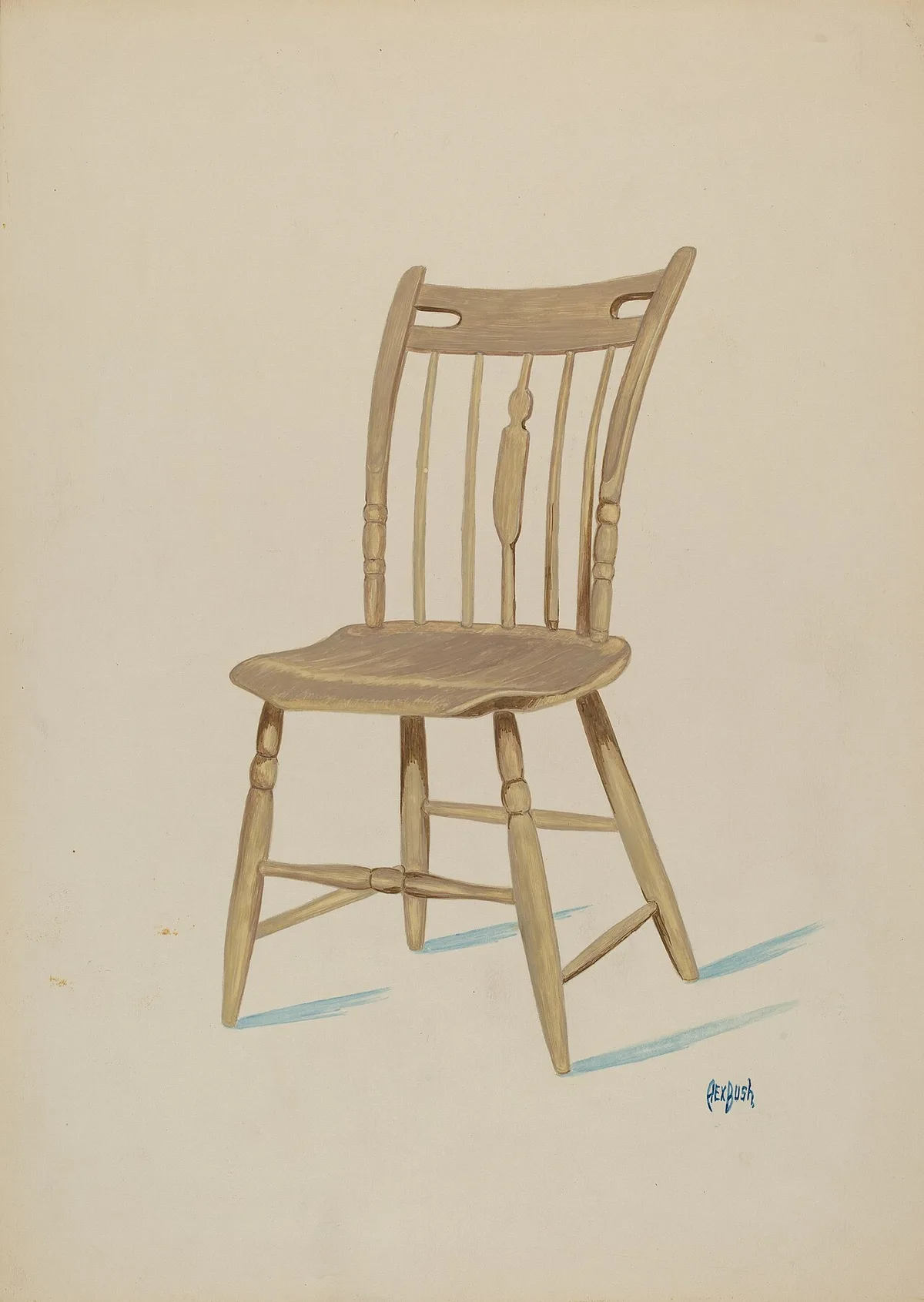
Image source: Wikimedia Commons / Rex F. Bush
Regional styles tell the story better than dates do. New England shops favored maple and pine with sharply splayed legs. Middle Colony workshops leaned toward walnut and heavier proportions.
Each region solved the same stability problem its own way, and the Smithsonian's National Museum of American History holds examples of both traditions.
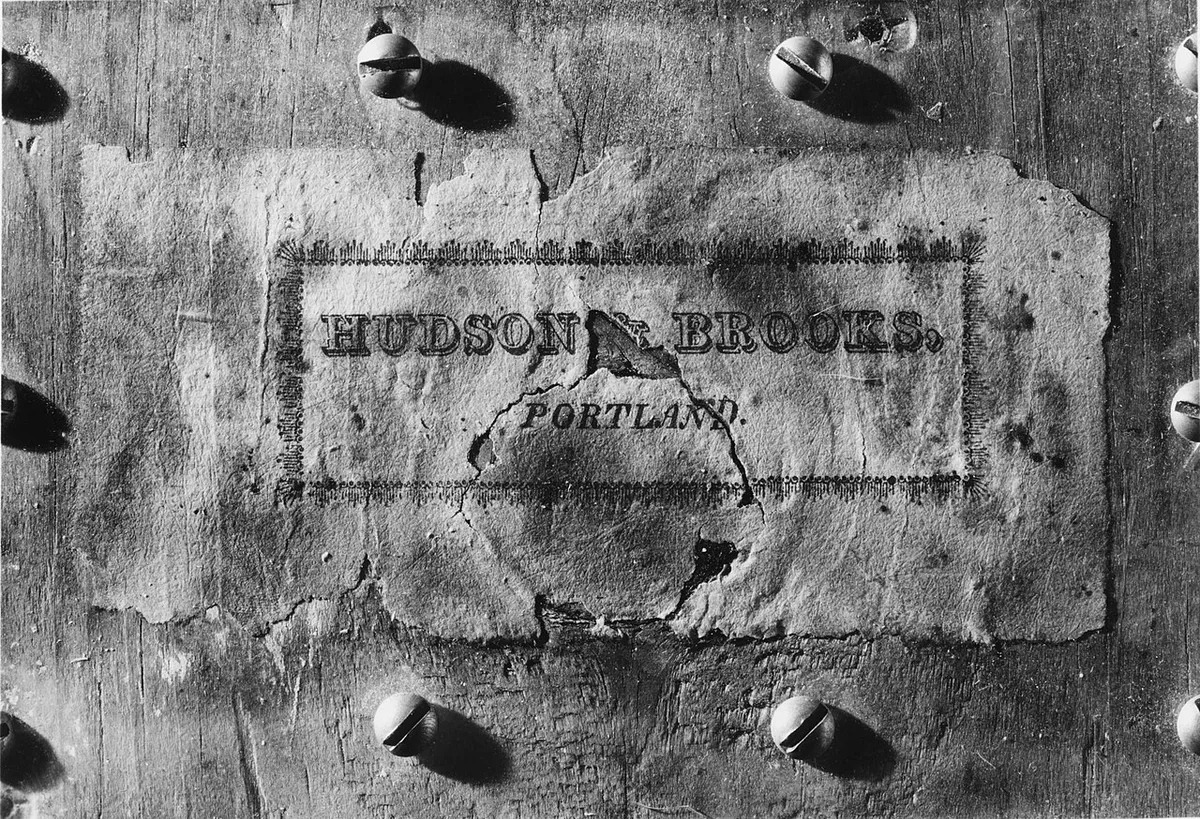
Image source: Wikimedia Commons / Creator:Hudson and Brooks
Windsor rockers dominated American production by the early 1800s. They share DNA with the era's other enduring seat designs, where comfort shaped form as much as fashion did. Later Shaker workshops pushed the idea further with lighter frames and woven tape seats.
So when someone asks who made the rocking chair, the honest answer is a crowd. Unnamed joiners, regional shops, and a handful of documented makers all moved the form forward.
Follow a Decision Tree to Pin Down the True Attribution: Your Path to Accurate Answers
Attribution questions arrive in different shapes. The answer you need depends on what you're actually asking. Work these branches in order.
Start with the widest filter:
- If you want general history, stop at "no single inventor." That's the accurate answer.
- If you have a specific chair in front of you, move to the next branch.
- If you're checking a claim you read online, ask whether a primary document backs it.
Then narrow by evidence type.
If the chair carries a label or stamp, the maker is probably documented. Many 19th-century American shops stamped their work.
If it has no markings, judge by construction. Hand-cut dovetails, mortise-and-tenon joints, and uneven saw marks point to pre-industrial work. Machine-cut joinery pushes the date later.
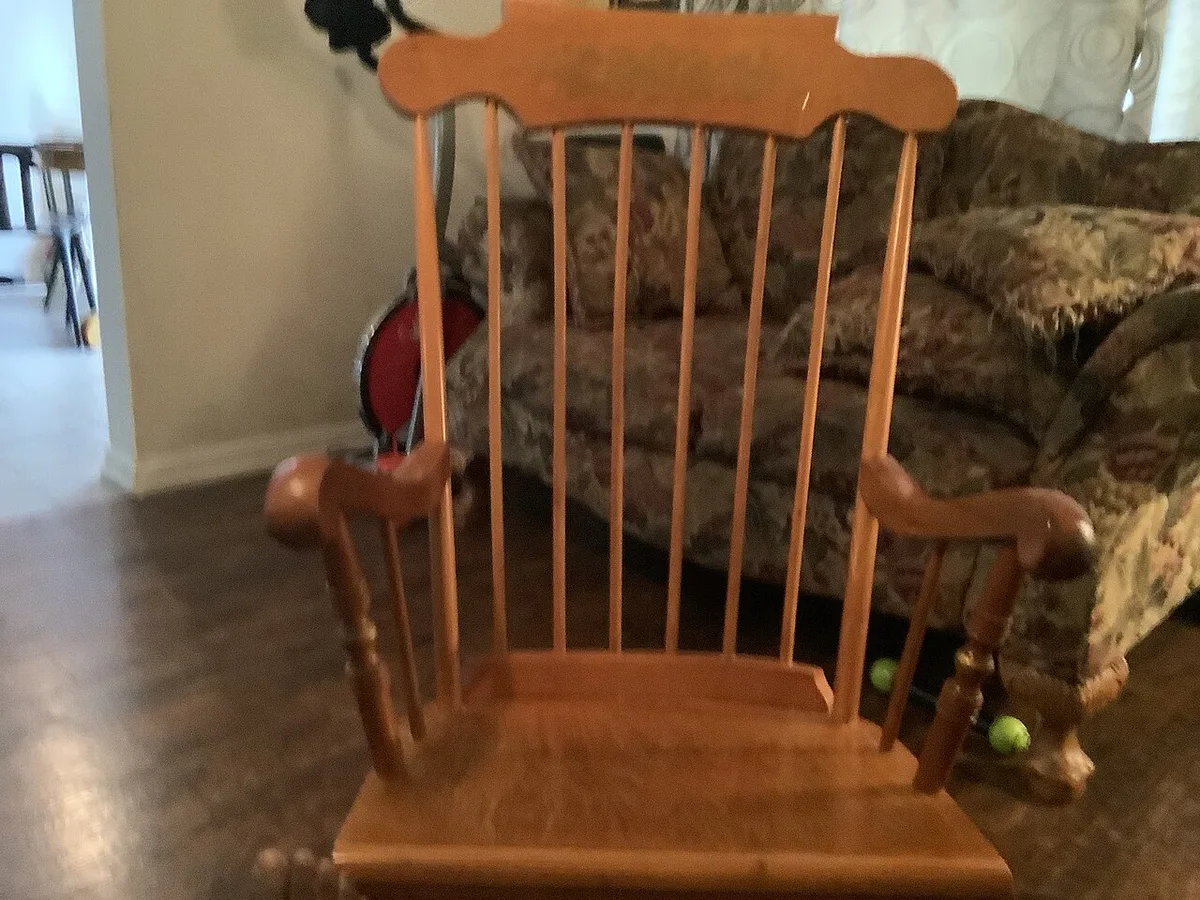
Image source: Wikimedia Commons / Dnenns (CC BY-SA)
If it's been refinished or repaired, slow down. New rockers on an old seat are extremely common. Watch for mismatched wood, fresh glue lines, and tool marks that don't match the rest of the frame.
If the trail leads to a named maker, verify it against institutional catalogues. One auction listing isn't proof. Cross-check with at least two museum records.
That final step is where most people quit. Don't. The gap between a guess and a real attribution is usually one more source.
Step-by-Step Guide to Verify Who Made a Specific Rocking Chair: Research Workflow
This is the process our research uses on a chair of unknown origin. Work it in order.
Step 1: Photograph everything. Capture the underside, joints, rocker attachment points, and any labels. Good photos save you repeat visits.
Step 2: Document condition. Note replaced parts, refinishing, and repairs. These change how you read every other clue.
Step 3: Measure the chair. Record seat height, overall width, and rocker arc length. If the numbers surprise you, checking typical seat heights and taking accurate dimensions properly will sort out whether the frame has been altered.
Step 4: Identify the style. Windsor, Shaker, platform rocker, or bentwood. Style narrows the field fast.
Step 5: Search institutional catalogues. Start with the Smithsonian and Colonial Williamsburg online collections. Search by style and period, never by guesswork. Regional archaeology records through the National Park Service can also confirm which forms show up at dated colonial sites.
Step 6: Compare against signed examples. Auction archives are useful here. Match tool marks and proportions, not just silhouette.
Step 7: Write your conclusion with the evidence behind it. A dated note with sources protects you at resale or donation.
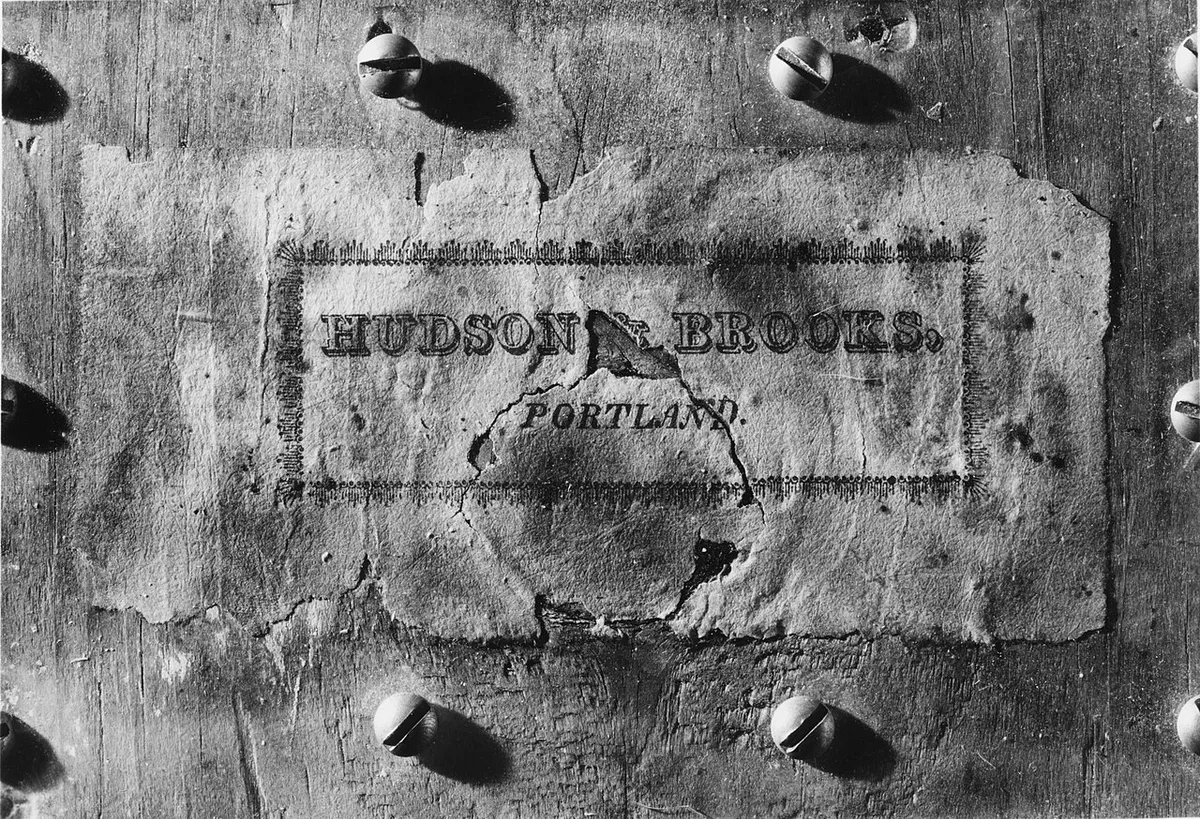
Image source: Wikimedia Commons / Creator:Hudson and Brooks
| Evidence type | What it usually tells you |
|---|---|
| Maker's stamp or label | Direct identification, if genuine |
| Joinery method | Rough production era |
| Wood species | Likely regional origin |
| Rocker attachment | Whether original or later addition |
Who Benefits from Knowing the Correct Maker? Collecting, Curating, and Design Needs
Different readers need different slices of this answer.
Collectors. Attribution moves money. A signed Philadelphia chair and an anonymous regional piece can look nearly identical and price far apart. Knowing the difference between "period" and "maker" keeps you from overpaying.
Curators and appraisers. Provenance documentation is the whole job. An undocumented chair is a research project, not a display piece.
Restorers. Repair choices depend on construction era. An 1790s joint wants hide glue and hand tools. An 1890s frame tolerates more modern methods.
Designers and buyers. Anyone shopping new should know that modern comfort-focused designs echoing the rocker owe nothing to a single maker. They're solving the same stability problem with better engineering.
Historians and students. The myth itself is instructive. It shows how a good story outruns evidence for two centuries.
One more group deserves a mention. If you're comparing seating types, a rocker sits alongside smaller accent seating in the same furniture family tree. Knowing where each form came from helps you describe what you own and what it's worth.
Common Pitfalls and How to Dodge Them: Misattributions and Research Errors
The biggest error is treating a famous name as evidence. If a seller says Franklin or Adams made a chair, ask for the document. No paper trail means no attribution, however charming the story.
The second trap is reading a repaired chair as an original. Later rockers are so common that many period seats were converted decades after they left the shop. Check the joinery where the rockers meet the legs.
Fresh glue, mismatched wood, and modern screws all point to a later fix.
The third is dating by silhouette alone. A Windsor shape spans more than a century, so style gives you a range, not a year. Combine form with tool marks and wood species before you commit.
The fourth is trusting one source. Auction listings repeat each other's mistakes, and a single catalogue entry isn't proof. Our rule is simple.
If two independent institutional records don't agree, keep the attribution open.
The fifth is over-restoring. Aggressive refinishing wipes out the tool marks and patina that carry provenance. Conservation guidance favors stabilizing over renewing.
Strip a chair and you may strip its history with it.
If you've already bought on a shaky claim, don't panic. Document what you have, photograph the details, and consult a museum registrar or a qualified appraiser. Honest paperwork, even without a maker's name, still protects value.
Real-World Cases: Successful Provenance Stories from Collectors and Museums
Attribution work rarely ends in a dramatic discovery. It usually ends in a modest, defensible answer. That's still a win, and these patterns repeat.
One common case involves a family rocker with no markings. A collector documented the joinery, matched the wood to regional stock, and dated the frame to roughly 1790 to 1810. The maker stayed unknown.
The period estimate alone lifted the piece's insurance value and settled a family argument.
Another pattern shows up at auction. A chair catalogued as "19th century rocker" carried a faint stamped mark under the seat rail. Cross-checking that stamp against two museum catalogues tied it to a documented shop.
The revised listing sold for several times the original estimate. The stamp, not the story, did the work.
Museums handle the harder version. Curators at Colonial Williamsburg and Winterthur regularly publish furniture research that corrects earlier claims. Their archives are free to search and remain the most reliable check on any attribution you meet.
Restorers add a fourth case. A rocker arrived with modern hardware and wobbled badly. Rebuilding the joints with period-appropriate hide glue and tightening the rocker arc restored function without erasing the evidence.
Compared with a full refinish, the conservative route kept the chair's provenance intact and its value higher.
The lesson across all four: document before you alter. Provenance grows from what you record, not from what you change.
Frequently Asked Questions About Rocking Chair Origins and Attribution
Did Benjamin Franklin invent the rocking chair?
No. Franklin's 1790 estate inventory lists no rocking chair. The claim appeared in later popular writing and spread through repetition.
Furniture historians have never found a primary document connecting him to the form.
When did rocking chairs first appear?
The curved base shows up on cradles and stools before 1700. Full-size rocking chairs appear in colonial inventories during the early 1700s. The change was gradual, and surviving examples are scarce, so precise dating stays difficult.
Who was Nathaniel Adams?
Nathaniel Adams was an early 19th-century Philadelphia chairmaker. His workshop records are genuine. They show a documented maker working in the form, though nothing establishes him as its originator.
How can I tell if the rockers on my chair are original?
Look at the joint where rockers meet the legs. Original work usually matches the chair's tool marks and wood. Mismatched species, fresh glue, and modern screws suggest a later conversion, which is very common.
Is a rocking chair worth more with a maker's mark?
Usually yes, as long as the mark is verified. A confirmed shop stamp can multiply auction value. Unmarked chairs still hold value based on period, condition, and region, just at a lower ceiling.