
If you are asking which sofa is best for living room use, the honest answer is that it depends on your space and how you live. A showroom favorite can feel wrong once it arrives at your door. Seat depth, frame quality, and upholstery durability matter more than style alone.
In our research, most buyers regret a purchase because they skipped measuring or ignored household wear.
Manufacturer specifications indicate that residential upholstery should hit at least 15,000 double rubs for daily use. That number comes from abrasion testing standards used across the furniture industry. A sofa below that threshold often shows pilling and thinning within two years.
Before you shop, you need to understand what separates a short lived piece from one that lasts.
Which Sofa Is Best for Living Room
The best sofa fits your room dimensions and daily routine.
Look for a kiln dried hardwood frame.
Choose fabric with at least 15,000 double rubs.
Match seat depth to your height and leg length.
As of 2026, performance fabrics lead in durability for homes with kids or pets.
What Actually Determines the Best Sofa for Your Living Room
The right sofa starts with three questions. How much floor space do you have? Who will sit on it every day?
What kind of wear should it survive? Aggregate reviews show that buyers skip these basics and pick by color alone.
Room scale sets the ceiling. A standard sofa runs 72 to 96 inches wide. An apartment size sofa often lands near 70 inches.
If your living room measures under 12 feet across, a loveseat or compact model keeps walkways open.
Household type changes the math. Homes with toddlers need stain resistant upholstery. Dog owners should look for tight weaves that resist snags.
If you host overnight guests, a sleeper sofa adds function without a separate bed.
Seat depth shapes comfort more than people expect. Shorter users do best with seats under 21 inches deep. Taller adults often prefer 24 inches or more.
Test by sitting all the way back and checking if your feet touch the floor.
Durability separates short term savings from long term value. Manufacturer specs confirm that 15,000 double rubs is the residential minimum for daily use. Frames built from kiln dried hardwood outlast particle board by years.
You can verify these details on the product spec sheet before you commit. Warranty length often signals what the maker believes about its own build. You can check sofa brand reliability for frames that match your budget.
You can also look at washable slipcovers if easy cleaning matters most.
Sofa Types Compared: Sectional, Standard, Loveseat, Sleeper, and Modular
Sectional sofas dominate large open concept rooms. They wrap around corners and create a defined seating zone. Choose one if you entertain often or need a chaise for lounging.
You can explore sectional sofa picks to see how they fit different layouts.
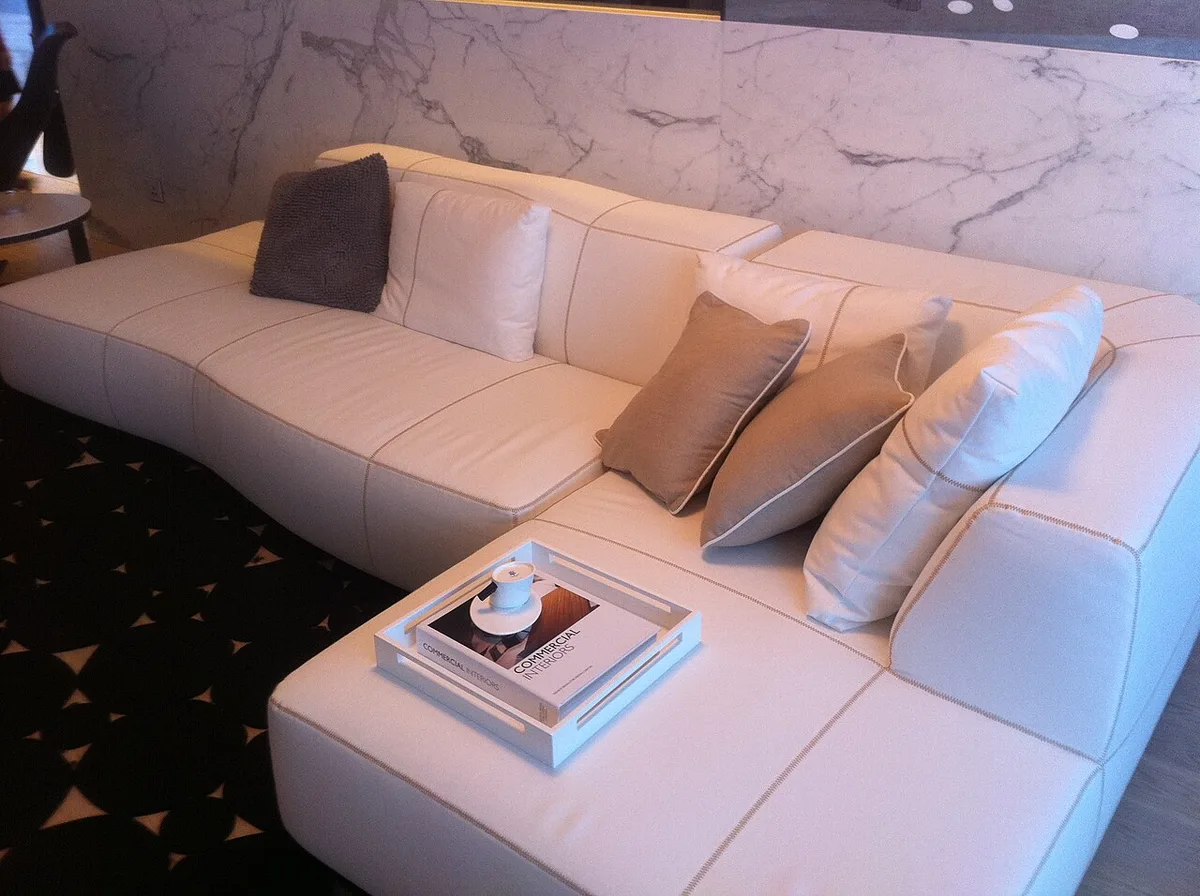
Standard sofas fit most living rooms without overwhelming them. A standard width of 84 inches works in average spaces. Pair it with a loveseat for flexible conversation areas.
Loveseats suit small apartments and bedrooms. They seat two people comfortably. Use them as secondary seating beside a larger sofa.
Sleeper sofas convert into beds for guests. The mechanism adds weight and cost. Pick one if you lack a spare room but host overnight visitors.
Browse sleeper sofa options before you decide if the trade off works for your space.
Modular sofas let you reconfigure pieces over time. They work in rentals and changing layouts. Look for sturdy connector hardware between modules.
Compare modular sofa layouts to find pieces that click together securely.
| Sofa Type | Best For | Typical Width |
|---|---|---|
| Sectional | Large rooms, entertaining | 90 to 150 inches |
| Standard | Average living rooms | 72 to 96 inches |
| Loveseat | Small spaces, secondary seating | About 60 inches |
| Sleeper | Guest rooms, studios | 72 to 96 inches |
| Modular | Flexible layouts, rentals | Varies by piece |
Each type trades off size against flexibility. A sectional gives you more seats but limits rearranging. A sleeper offers a bed but sacrifices cushion firmness.
Measure your room before you fall in love with a style.
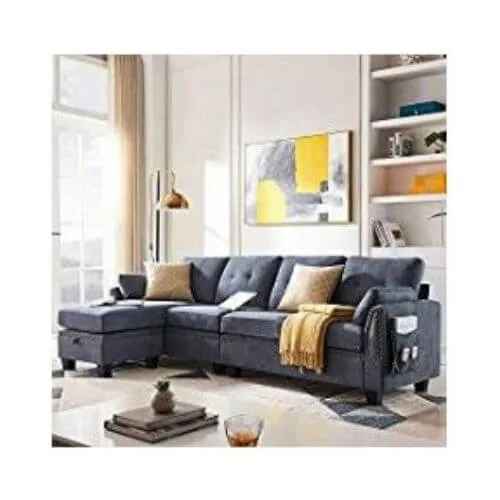
Upholstery Showdown: Performance Fabric, Leather, Faux Leather, and Microfiber
Performance fabric resists stains and daily abrasion. It is woven tight enough to block spills from soaking in. Choose it for homes with kids or pets.
You can pair it with washable slipcovers for easier cleanup.
Full grain leather develops a patina over time. Top grain leather offers a smoother, more uniform look. Both need conditioning to avoid cracking in dry climates.
Leather sofa picks show how this material ages in real homes.
Faux leather costs less but peels after a few years. It wipes clean easily. Avoid it if you want a decade long investment.
Microfiber hides dust and pet hair well. It can feel synthetic to the touch. Clean it with mild soap and water.
Pet owners often compare this with pet-friendly sofa options before choosing.
| Upholstery | Pros | Cons | Best For |
|---|---|---|---|
| Performance fabric | Stain resistant, durable | Can pill | Kids, pets |
| Leather | Ages well, easy to wipe | Scratches, cost | Adults, low traffic |
| Faux leather | Budget friendly, wipeable | Peels, cracks | Short term use |
| Microfiber | Hides hair, budget friendly | Synthetic feel | Pet hair |
Match the material to your real routine, not a showroom fantasy. A white performance sofa looks great until a toddler grabs it with peanut butter fingers. Leather rewards maintenance but shows every cat scratch.
Inside the Frame: Why Construction Quality Separates a 2-Year Sofa from a 15-Year One
The frame determines whether a sofa survives a move or collapses after two years. Kiln dried hardwood resists warping and cracking. Particle board frames sag under regular weight.
Suspension supports the seat cushions. Eight way hand tied springs offer the most give and longevity. Sinuous springs work well in mid range models.
Webbing is common in budget sofas but stretches over time.
Joinery matters as much as wood species. Corner blocked and dowel reinforced frames hold up better than stapled or glued ones. Manufacturer specs often list the construction type on the detail page.
You can cross check details against ASTM International furniture standards for added confidence.
Cushion fill affects how quickly a seat flattens. High resilience foam keeps its shape for years. Down blend feels plush but needs regular fluffing.
Pocketed coil cushions combine support with softness.
A strong frame costs more up front but avoids replacement costs. Look for corner blocks and hardened dowels in the assembly photos. Avoid sofas that rely only on staples and glue at the joints.
Match the Sofa to Your Real Life: Kids, Pets, Small Spaces, and Entertaining
Kids change the priority list. Stain resistant performance fabric beats delicate linen every time. Removable covers let you wash spills instead of living with them.
Pets demand tough surfaces. Microfiber hides fur but attracts claws. Tight weave performance fabric resists snags from dogs and cats.
Leather shows scratches but wipes clean of muddy paws. Dog safe upholstery options make sense if your pet sheds or climbs.
Small spaces reward compact dimensions. An apartment sofa under 70 inches wide keeps traffic flowing. Leave at least 30 inches of walking space around the piece.
Entertaining calls for flexible seating. A sectional creates a natural conversation pit. Add a loveseat if you want to break up a large room without one massive block.
Think five years ahead, not five months. A sofa that fits your current life saves you from replacing it when your household changes.
Before You Buy: Measure, Test, and Avoid the Delivery Nightmare
Most delivery nightmares start with a tape measure that never got used. Measure three things before you buy: the room, the path, and the piece itself.
For the path, check doorways, hallways, stairwells, and any elevator. A 90-inch sectional won't slide through a 32-inch door. Write down the narrowest point on the route to your living room.
| What to Measure | Why It Matters |
|---|---|
| Room width and depth | Sets the sofa size ceiling |
| Doorway and hallway width | Decides if it fits through |
| Stairwell turning space | Wide sectionals often fail here |
| Seat depth and height | Confirms comfort for your body |
Test comfort in person when you can. Sit all the way back and check if your feet reach the floor. If the seat runs past 24 inches deep and you're under 5'6", it may swallow you.
Compare fabric swatches in your own light. Showroom lighting flatters every color. Natural daylight at home tells the truth.
Delivery details trip up even careful buyers. Ask about white-glove service versus a curbside drop. Confirm the timeline, which often runs 2 to 12 weeks.
Inspect the moment it lands. Check for snags, frame wobble, and cushion defects before the crew leaves. Hold onto the packaging until you're sure you're keeping it.
Read the return policy too. Restocking fees often run 10 to 25 percent. Final-sale sofas can't go back, so tread carefully.
Frequently Asked Questions
What's the most durable sofa material for families?
Performance fabric wins for most families. It resists stains and stands up to daily abrasion. Look for at least 15,000 double rubs on the spec sheet.
Tight weaves also block spills from soaking into the padding.
How deep should a sofa seat be?
Seat depth should match your height. Most seats run 20 to 25 inches deep. If you're shorter, aim for 21 inches or less so your feet touch the floor.
Taller adults often prefer 24 inches for full leg support.
Is leather or fabric better with pets?
It depends on your pet. Leather wipes clean of fur and muddy paws but shows claw scratches. Tight performance fabric resists snags better.
Neither survives a determined chewer, so match the material to your animal's habits.
How long should a good sofa last?
A well-built sofa lasts 7 to 15 years. Kiln dried hardwood frames and eight-way hand-tied springs push toward the top of that range. Budget particle board models often sag within three years.
Warranty length hints at the expected lifespan.
Can I fit a sectional through a small doorway?
Measure before you assume. Many sectionals ship in separate pieces that fit through narrow doors. Check each module's dimensions against your doorways and stairwell turns.
If it won't fit, a loveseat or compact sofa is the safer call.
Final Verdict: How to Pick the Right One Today
So which sofa is best for living room life? Start with your space, then match it to your household. Style comes last, not first.
If you have a large room and love to host, a sectional gives the most seating. If space is tight, a loveseat or apartment sofa keeps walkways open. Guests staying over often?
A sleeper sofa earns its place.
Want to kick back for movie night? A reclining sofa trades some sleekness for comfort, and you can compare recliner builds before deciding. Leather lovers should read up on how the hide ages, since knowing the grain helps you pick well.
Prioritize the frame and foam over the look. A kiln dried hardwood frame with quality cushion fill outlasts a flimsy showroom piece by years.
Spend where it counts. Measure twice, test the seat, and read the return policy. Do that, and you'll land on a sofa that fits your room and your life for years to come.