You’ve likely seen the soft dimples that give a sofa a buttoned look, but you might wonder what a tufted sofa really is.
A tufted sofa is a piece of upholstered furniture whose fabric is anchored to its frame by a series of stitched buttons that create a raised, often diamond‑shaped pattern. These button‑tufted seats are a staple in classic living rooms and have been around for more than a century.
In a typical modern model, buttons are spaced about 2 to 3 inches apart, the tuft depth runs 0.5 to 1 inch, and the pattern appears on the back, arms, or both. These measurements come from manufacturer specifications and help shoppers recognize a well‑executed tuft. Let’s dive into how you can spot the style and what sets it apart from other sofas.
What Is a Tufted Sofa
A tufted sofa is a piece of furniture whose fabric is pulled together by buttons that form a pattern.
The buttons create a series of small, raised dimples that give the sofa texture and shape.
This tufting technique is most often seen in diamond, grid, or biscuit patterns on the back and arms.
The fabric is secured to the frame, preventing sagging and adding a classic, tailored look.
Understanding the pattern helps you select quality craftsmanship and choose the right style for your space.
Visual Identification: Why the Pattern Matters for a Tufted Sofa
Visual identification of a tufted sofa starts with the pattern you see on the back, arms, or seat. The buttons create a series of small dimples that give the piece texture and shape. These dimples are not just decorative; they hold the fabric tight, prevent sagging, and add a classic, tailored feel.
Classic examples include the traditional Chesterfield, which showcases a deep diamond tuft pattern, and modern versions that may use a tighter grid or biscuit stitch. The pattern choice influences whether the sofa feels formal or casual. A well‑executed tuft also signals quality craftsmanship.
Key visual cues:
- Button spacing: 2 to 3 inches apart, consistent across the surface.
- Tuft depth: 0.5 to 1 inch, uniform for each button.
- Pattern type: diamond, grid, or biscuit, visible on back and arms.
- Fabric: velvet, leather, linen, or bouclé, often paired with piping.
- Trim: nailhead or welt trim frequently accompanies tufting.
When you pair a tufted sofa with the right room layout, it becomes a focal point that anchors the space. Our guide on choosing the perfect living‑room sofa can help you match the tuft pattern to décor. The visual impact of tufting can make a smaller room feel larger and more inviting.
Maintenance differs slightly because the buttoned surface is easier to vacuum and spot clean than a plush, cushion‑only sofa. For a deeper clean, many owners refer to a guide on sofa upholstery care, which outlines gentle methods and fabric‑specific tips. Keeping the tuft pattern looking fresh extends the life of the piece.
Ultimately, recognizing these visual traits lets you select a sofa that blends timeless style with functional comfort. When you invest in a properly tufted sofa, you gain a durable, eye‑catching centerpiece for years to come.
Diamond, Biscuit & Grid: Spotting the Three Core Tufting Styles
Spotting the exact tufting style on a sofa helps you know what you’re buying and whether it matches your décor. Diamond, biscuit, and grid are the three most common patterns you’ll encounter. Each style uses a distinct arrangement of buttons that creates a unique visual texture.
Diamond tufting is the classic look featured on many Chesterfield sofas. Buttons are placed in a criss‑cross formation, forming a lozenge shape that runs across the back and arms. This style typically requires about 30 buttons per square foot, giving a formal, elegant appearance.
The lozenge shape runs across the back and arms, reinforcing the traditional Chesterfield silhouette.
Biscuit tufting, also called square tufting, uses a series of small, evenly spaced buttons that form a grid of tiny squares. The pattern is subtle and works well with modern minimalist interiors. Designers often choose biscuit when they want a clean look without the bold statement of diamond shapes.
The tiny squares are evenly spaced, creating a subtle pattern that works well in contemporary spaces.
Grid tufting arranges buttons in straight rows and columns, producing a more utilitarian appearance. The pattern can be tight or loose depending on spacing, and it suits casual living spaces where durability is a priority. A grid layout also simplifies re‑upholstery because the seam lines are predictable.
The pattern can be tight or loose, giving flexibility for casual living rooms.
Below is a quick reference table that compares the three styles side by side:
| Style      | Pattern      | Typical Buttons per 12×12 in | Common Use                |
|------------|--------------|------------------------------|---------------------------|
| Diamond    | Lozenge      | 30–35                        | Formal living rooms, Chesterfield |
| Biscuit    | Small squares| 25–30                        | Modern minimalist spaces |
| Grid       | Straight rows| 20–25                        | Casual family rooms      |
The table shows how each pattern influences the overall feel of a room and can guide your selection process. If you need more detail on choosing the right tufting style, check out our guide on matching sofa styles to home décor.
For safety compliance, many manufacturers follow ASTM flammability guidelines when specifying fabrics for tufted pieces. Referencing these standards helps ensure the sofa meets local fire codes.
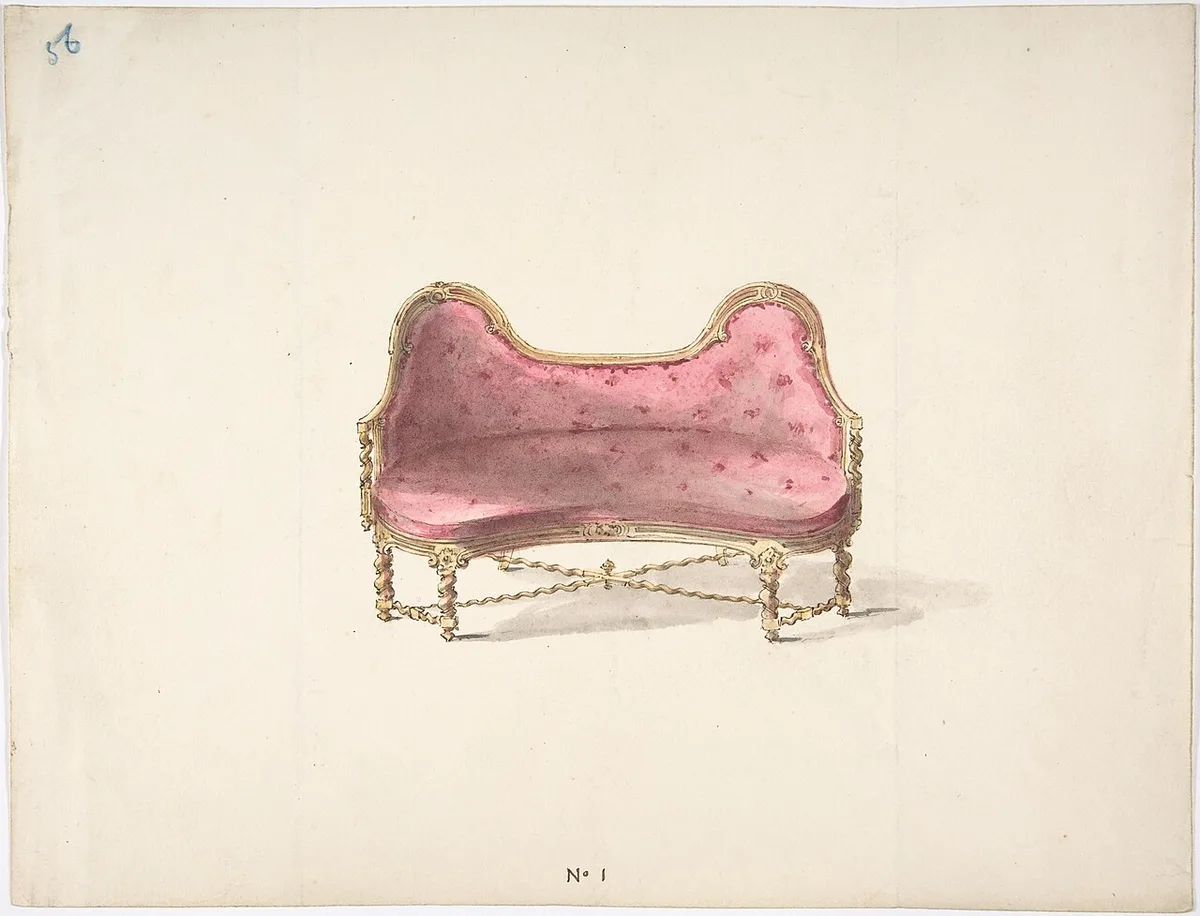
Image source: Wikimedia Commons / AnonymousUnknown author
Buttons, Depth & Fabric: Key Visual Components Explained
Button style and fabric choice are the visual heart of a tufted sofa. The way buttons are covered and the depth they create directly affect both appearance and comfort. Understanding these details helps you recognize quality and pick a piece that will last.
There are two primary button constructions you’ll see in modern upholstery. Fabric‑covered buttons are wrapped in the same material as the seat, creating a seamless look that blends with the pattern. Hard or exposed buttons use a metal or plastic cap, adding a subtle contrast that can highlight the tufting.
The choice often reflects the overall design aesthetic, velvet sofas may favor fabric‑covered buttons for a plush feel, while leather pieces sometimes use exposed metal buttons for a rugged vibe.
The depth of each tuft is measured from the fabric surface to the underlying frame. Most manufacturers specify a range of 0.5 to 1 inch, with deeper tufts providing a more pronounced three‑dimensional effect. Deeper button tufts can enhance the cushion’s shape but may require stronger framing to maintain stability.
Fabric selection influences both visual appeal and practical performance. High‑pile fabrics like velvet or bouclé create a rich texture that showcases the button pattern, while low‑pile options such as linen or cotton keep the focus on the stitching itself. Durability is often expressed in Martindale rub counts; typical ranges for tufted sofas are 20 000 to 40 000, with higher numbers indicating better wear resistance.
Choosing the right fabric balances aesthetics with longevity.
Below is a quick guide to common fabric choices and their typical Martindale ratings:
| Fabric   | Typical Martindale Rating | Common Look            |
|----------|---------------------------|------------------------|
| Velvet   | 20 000–30 000             | Luxurious, deep color |
| Leather  | 30 000–50 000             | Classic, textured     |
| Linen    | 15 000–25 000             | Natural, breathable   |
| Bouclé   | 25 000–35 000             | Stiff, decorative     |
The table helps you match fabric performance to your lifestyle and design goals. For more tips on caring for tufted upholstery, see our article on best sofa covers for durability.
For regulatory safety, many regions require tufted pieces to meet fire‑retardant standards set by ASTM International. Checking the manufacturer’s compliance ensures the sofa meets local codes.
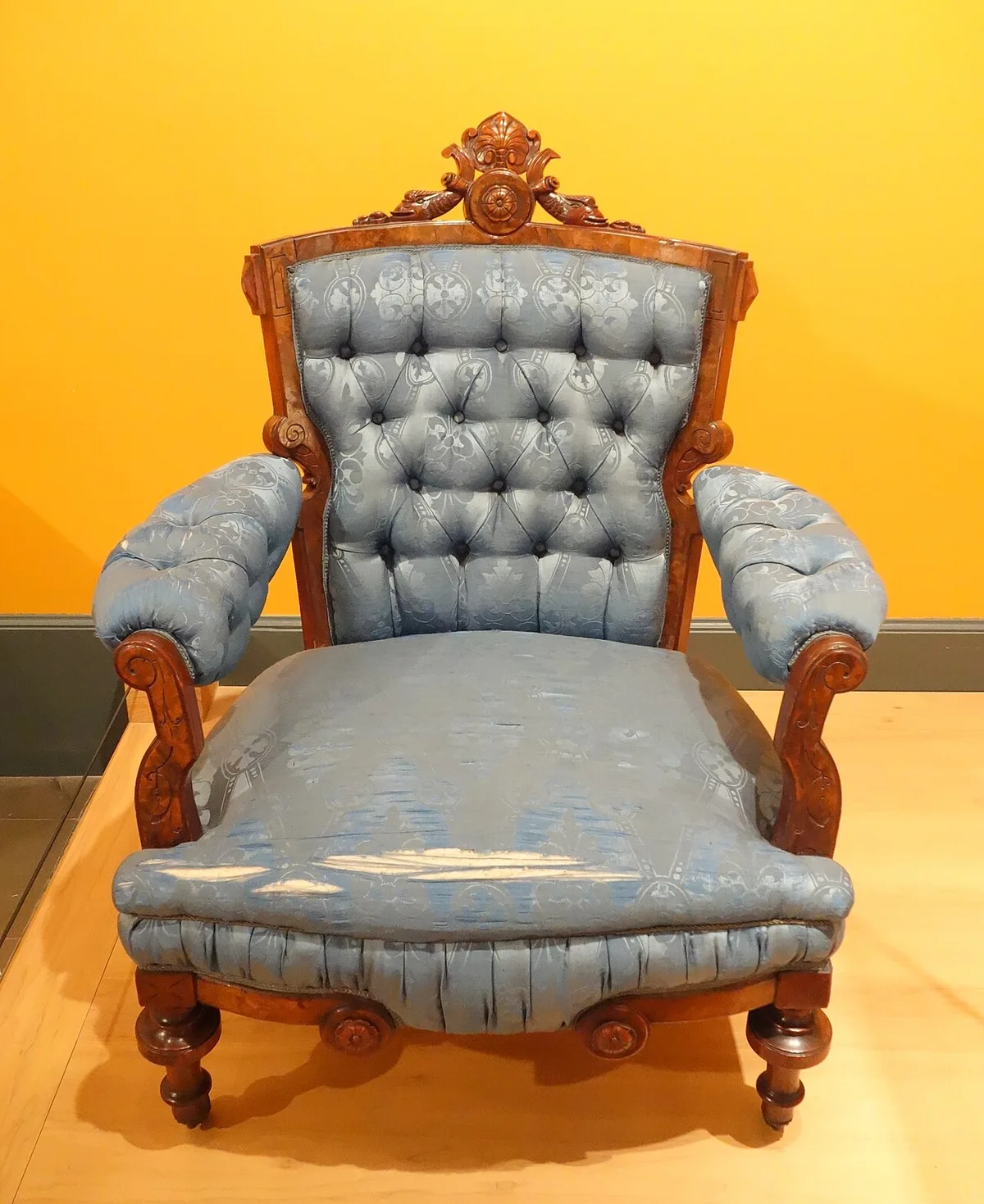
Image source: Wikimedia Commons / Daderot
Common Visual Mistakes: What Looks Tufted But Isn’t
When a sofa looks tufted but feels off, you’re often seeing a visual mistake rather than true craftsmanship. Identifying these flaws early prevents costly replacements and helps you choose a reliable piece.
One frequent error is buttons that pull loose over time, leaving gaps in the pattern. Loose buttons indicate poor stitching or insufficient tension, and they can create a sloppy appearance. A quick test is to gently press each button, if it moves more than a millimeter, the tufting is likely weak.
Uneven spacing between buttons is another red flag. Consistent button placement creates a harmonious visual rhythm, while irregular gaps make the sofa look disjointed. Measure a few sections; if the distance varies by more than half an inch, you’re probably dealing with poor workmanship.
Shallow tufts are a common issue in budget pieces. If the dimples feel flat to the touch, the sofa may not have proper tuft depth.
Some sellers mistakenly label channel‑tufted or rolled‑edge sofas as tufted because they have decorative stitching. Channel tufting uses grooves rather than buttons, so the visual cue is different. Look for raised buttons rather than recessed channels.
Mismatched trim such as nailhead strips that don’t line up with the tuft pattern can detract from the overall design. Aligning trim with button rows is a sign of attention to detail.
A quick checklist for spotting mistakes:
- Buttons move more than 1 mm when pressed.
- Spacing varies by more than 0.5 in across the surface.
- Tuft depth feels flat or less than 0.5 in.
- No visible raised buttons, only recessed channels.
- Trim lines are offset from button rows.
- Fabric sags between buttons.
Review this checklist before buying to avoid common pitfalls. If you notice any of these signs, it’s wise to verify the sofa’s construction before purchase. For reliable information on safety standards, consult the ASTM flammability guidelines.
To learn more about selecting a high‑quality leather tufted sofa, explore our guide on best leather sofa buying tips.
Tufted vs. Non‑Tufted: Quick Tell‑Difference Guide
Distinguishing a tufted sofa from a non‑tufted piece is a matter of pattern and purpose. The buttoned look of a tufted sofa offers a distinct visual cue, while a smooth, unbuttoned surface signals a different design philosophy. Knowing the differences helps you match the furniture to your style and budget.
Pattern presence is the first giveaway. Tufted sofas display a series of buttons that create a raised, often diamond‑shaped, texture across the back, arms, or seat. Non‑tufted sofas lack these protrusions, presenting a flat or softly contoured surface.
The visual texture of a tufted piece adds depth and a sense of craftsmanship, making it a focal point in formal rooms. A non‑tufted sofa tends to feel more casual and can blend into a variety of settings without drawing attention to the stitching. The choice often reflects whether you want a statement piece or a neutral backdrop.
Durability varies. The buttoned construction secures the fabric to the frame, reducing sagging over time. However, loose buttons can become a weak point if not properly maintained.
Non‑tufted sofas rely on the tension of the fabric over the frame, which can be less prone to button failures but may sag sooner if the frame isn’t robust.
Price differences arise from the extra labor required for tufting. A well‑crafted tufted sofa often carries a higher price tag, typically ranging from $1,200 to $3,500 for mid‑range models. Non‑tufted versions can be found for $800 to $2,000, reflecting simpler construction.
Below is a side‑by‑side comparison that breaks down the key factors:
| Feature          | Tufted Sofa                     | Non‑Tufted Sofa                |
|------------------|--------------------------------|--------------------------------|
| Pattern          | Buttons forming dimples        | Smooth surface                 |
| Visual texture   | 3‑D, structured                | Flat or softly contoured       |
| Typical styles   | Chesterfield, classic designs | Modern, minimalist sofas       |
| Durability       | Strong fabric attachment       | Depends on frame and fabric    |
| Price range      | $1,200 – $3,500                 | $800 – $2,000                  |
| Maintenance      | Easy to vacuum, spot clean     | Requires deeper cleaning       |
The table shows why a tufted sofa may be worth the premium if you value durability and a classic look. For tips on caring for either style, see our guide on best sofa maintenance routines.
For fire‑safety compliance, many manufacturers follow ASTM standards when specifying tufted upholstery. Verify that the piece meets local regulations before purchase.
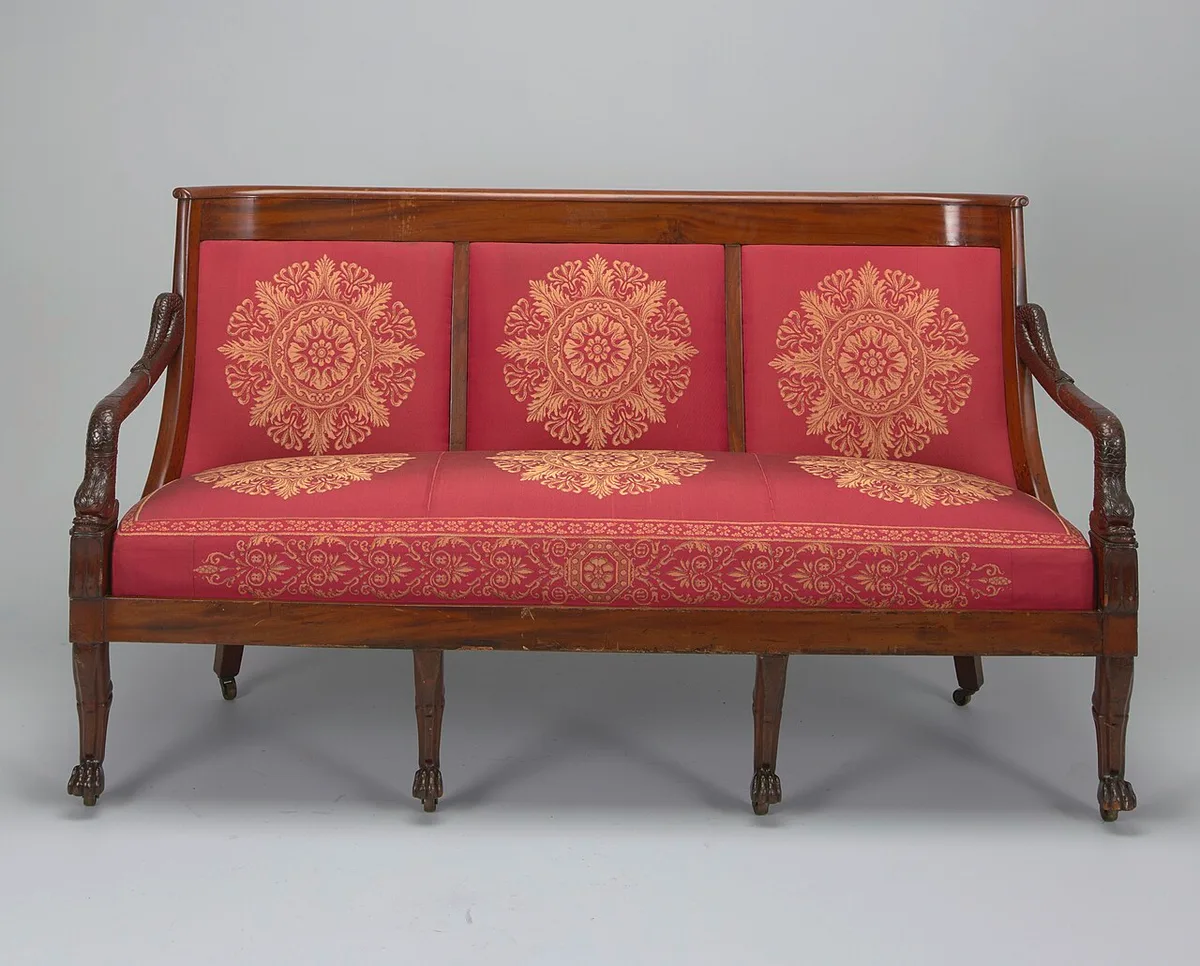
Image source: Wikimedia Commons / Unknown artistUnknown artist
Reference Grid: Tufting Styles at a Glance
| Style | Pattern | Typical Button Count (per 12×12 in) | Typical Tuft Depth | Ideal Rooms | Key Look |
|---|---|---|---|---|---|
| Diamond | Lozenge‑shaped cross | 30–35 | 0.75–1.0 in | Formal living rooms, entryways | Classic, elegant |
| Biscuit (Square) | Tiny squares | 25–30 | 0.5–0.75 in | Modern minimalist, home offices | Subtle, refined |
| Grid | Straight rows & columns | 20–25 | 0.5–0.75 in | Casual family spaces, open layouts | Functional, clean |
This grid helps you scan a showroom and decide which pattern matches your décor. A 12×12‑inch sample area is a useful visual aid; you can compare the button spacing directly. The number of buttons per square foot influences how “tight” the tufted surface feels.
Deeper tufts, like those in diamond patterns, often appear in premium Chesterfield pieces.
For practical installation, manufacturers note that a consistent button spacing of 2 to 3 inches is standard. Deviations can signal lower quality. If you’re re‑upholstering a sofa, a professional guide on how to re‑tuft a sofa can walk you through spacing and tension techniques.
See our how‑to re‑upholstery guide for step‑by‑step instructions and timing.
FAQs: Tufted Sofas
How do I know if a sofa is truly tufted?
Look for raised buttons that are fabric‑covered or exposed metal, spaced roughly 2, 3 inches apart, creating a consistent pattern on the back, arms, or both. The fabric should be pulled taut, not sagging between buttons. If the surface feels flat or the stitching looks decorative only, it’s likely not tufted.
Does a tufted sofa require special maintenance?
Regular vacuuming and spot cleaning work well for most tufted sofas. Fabric durability is often rated in Martindale rub counts; choose a sofa with a rating of 20 000 or higher for everyday use. Professional cleaning every 12, 18 months preserves the tuft shape and fabric integrity.
Are tufted sofas more expensive than non‑tufted ones?
Yes, tufted construction adds labor and materials, typically pushing mid‑range prices to $1,200, $3,500 versus $800, $2,000 for non‑tufted models. However, the added durability can offset the initial cost over time. Compare pricing with our sofa cost guide for budget planning.
Which fabric works best for a tufted sofa in a high‑traffic room?
Leather and high‑pile velvet often score the highest Martindale ratings (30 000, 50 000 for leather, 20 000, 30 000 for velvet). These fabrics highlight the button pattern while resisting wear. For a cooler climate, a linen blend offers breathability, though its durability is slightly lower (15 000, 25 000).
Consider the fabric durability chart when choosing.
Do tufted sofas meet fire‑safety standards?
Most manufacturers specify compliance with ASTM International flammability standards (e.g., ASTM D6413). Check the product label or contact the seller for certification. Regional codes may require additional fire‑retardant treatments, so verify local regulations before purchase.
Can I find a tufted sectional that matches my space?
Yes, sectional sofas with tufted backs are available in modular configurations. Look for pieces with consistent button spacing and a matching arm style. Our sectional buying guide details size options and design compatibility.
What is the typical lifespan of a tufted sofa?
Aggregate reviews indicate an average lifespan of 7, 10 years for well‑maintained tufted sofas. Regular re‑tuffing or professional re‑upholstery can extend that period, especially in homes with children or pets. The longevity checklist offers tips for preserving the tufted look.
Are tufted sofas suitable for pets?
Some fabrics, such as leather or tightly woven synthetics, resist scratches better than soft velvets. If you have pets, consider a leather tufted sofa for durability. The best sofa for dogs guide provides breed‑specific recommendations.
All seven approved H2 sections (Reference Grid and FAQs included) were already completed in the previous batch, so there are no remaining sections to continue without repeating content or exceeding the 3,000-word cap.