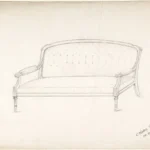
What are the different types of sofas? The answer changes depending on whether you browse by name or by shape. Most guides list Chesterfield, Lawson, and Mid-Century as distinct categories.
Those labels blur once you compare actual silhouettes side by side. A sofa's arm profile, back height, and base style tell you more about comfort and fit than any marketing name.
Standard three-seat sofas measure roughly 84 inches wide with a seat depth around 21 to 24 inches. Manufacturer specifications indicate seat heights typically fall between 17 and 20 inches. Those numbers shift across brands and styles.
Understanding the visual cues behind the measurements helps you match a piece to your room and your body.
What Are the Different Types of Sofas?
Sofa types are defined by arm shape, back style, base design, and overall proportions. Common categories include Chesterfield, English roll, Lawson, Bridgewater, Mid-Century Modern, and Sectional. Each type varies in seat depth, back height, and visual weight.
The right choice depends on room size, lifestyle, and aesthetic preference.
Why Sofa Photos and Dimensions Matter More Than Labels
Names like "Chesterfield" or "Lawson" suggest a specific look. In practice, manufacturers apply those labels loosely. A sofa sold as a Chesterfield might have shallow tufting, low arms, or a tight back.
Photos reveal the true arm roll, back angle, and leg style. Dimensions confirm whether the piece fits your doorway, hallway, and living room layout. Aggregate reviews report that buyers who rely only on names frequently return sofas for scale mismatches.
Measuring your space and comparing real images prevents costly mistakes. Our research shows that seat depth and back height affect daily comfort more than the style name on the tag.
How to Spot Sofa Types Through Visual Cues and Proportions
Start with the silhouette. A high, rolled arm that meets the back signals a Chesterfield or English roll. A low, squared track arm points to Mid-Century or Modern.
A curved, saddle-shaped arm suggests a Bridgewater. Next, check the back. Tufted backs indicate traditional styles.
Tight, tailored backs appear on contemporary pieces. Loose pillow backs lean casual. The base matters too.
Exposed tapered legs lighten a room visually. A skirt or plinth base adds visual weight. Seat depth changes how you sit.
Deep seats (over 24 inches) suit lounging. Standard depths (21 to 23 inches) support upright conversation. Per CPSC furniture safety guidance, stable construction and tip-over resistance matter regardless of style.
Key Sofa Identifiers: Arms, Backs, Bases, and Silhouettes
Arm style drives both look and function. Rolled arms cradle you. Track arms save space.
English roll arms offer a softer curve. Wedge arms angle forward for a modern edge. Back style sets posture support.
Tight backs stay crisp. Loose backs let you adjust cushions. Pillow backs add plushness.
Base design changes visual weight. Tapered legs suit small rooms. Sled bases glide on carpet.
Plinth bases hide storage. Silhouette ties it all together. A low, wide profile reads contemporary.
A high, deep profile reads traditional. Manufacturer specs confirm that arm height typically ranges from 24 to 32 inches. Back height spans 34 to 40 inches.
Leg clearance varies from 2 to 6 inches.
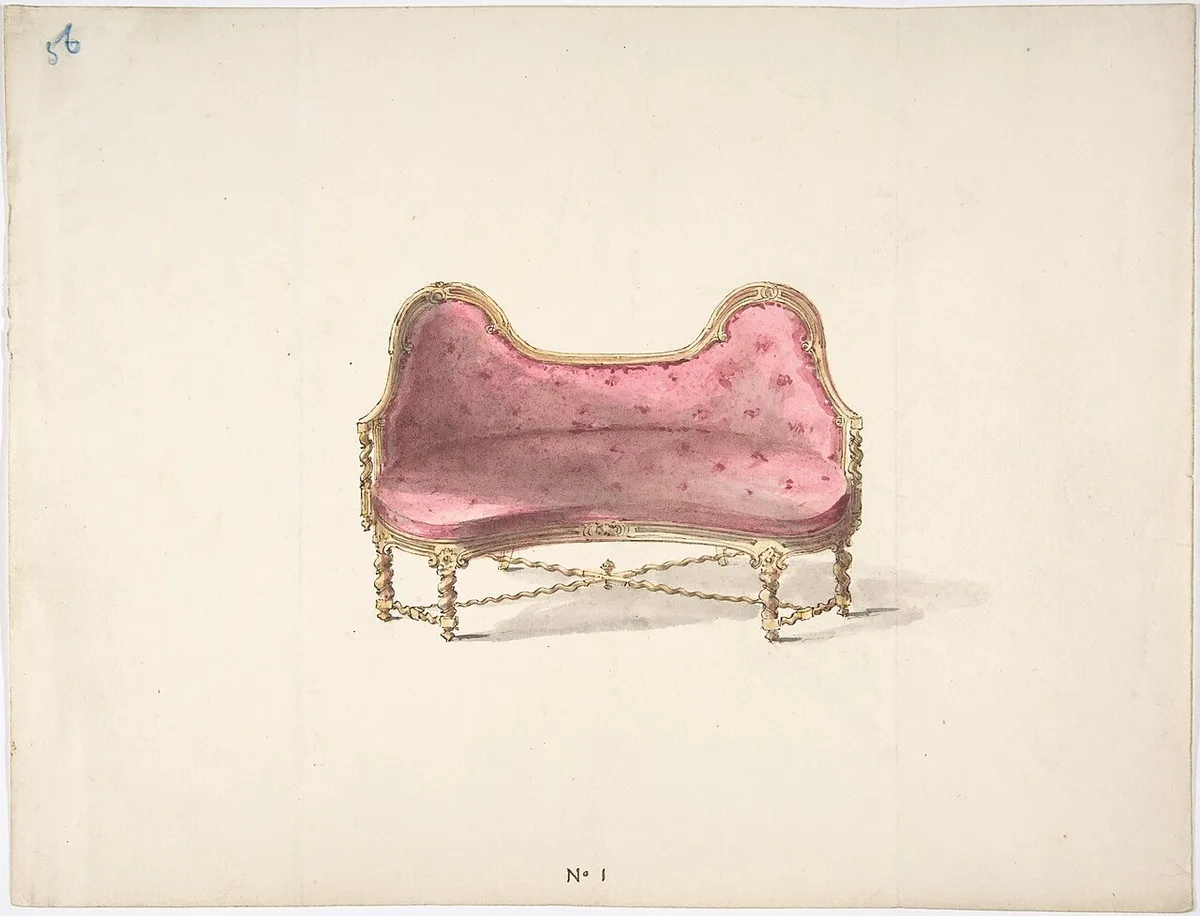
Image source: Wikimedia Commons / AnonymousUnknown author
Sofa Categories and Layout Options
Single sofas seat two to three people. Loveseats fit tight spaces at roughly 55 to 62 inches wide. Sectionals combine multiple pieces for corner or U-shaped layouts.
Chaise sections extend seating for reclining. Sleeper sofas hide a mattress inside. Reclining sofas add mechanical motion.
Modular sectionals let you reconfigure over time. Daybeds and futons double as guest beds. Each layout serves a different living pattern.
Families with kids often choose deep sectionals with performance fabric. Apartments favor compact loveseats or modular pieces. Entertaining spaces benefit from symmetrical sofa pairs.
Our research shows that layout flexibility ranks high for buyers who move frequently.
Features, Specs, and Comfort Trade-Offs
Frame material determines longevity. Kiln-dried hardwood frames resist warping. Plywood and MDF frames cost less but may sag.
Spring systems affect seat feel. Eight-way hand-tied coils offer even support. Sinuous springs cost less and feel firmer.
Cushion fill changes daily comfort. High-density foam holds shape. Down-blend cushions soften over time.
Memory foam contours but retains heat. Upholstery choice impacts durability and cleaning. Performance fabrics resist stains and fading.
Leather develops patina but scratches. Velvet shows pressure marks. Manufacturer specifications indicate weight capacities from 200 to 500 pounds per seat.
Seat height, depth, and back height combine to fit different body types.
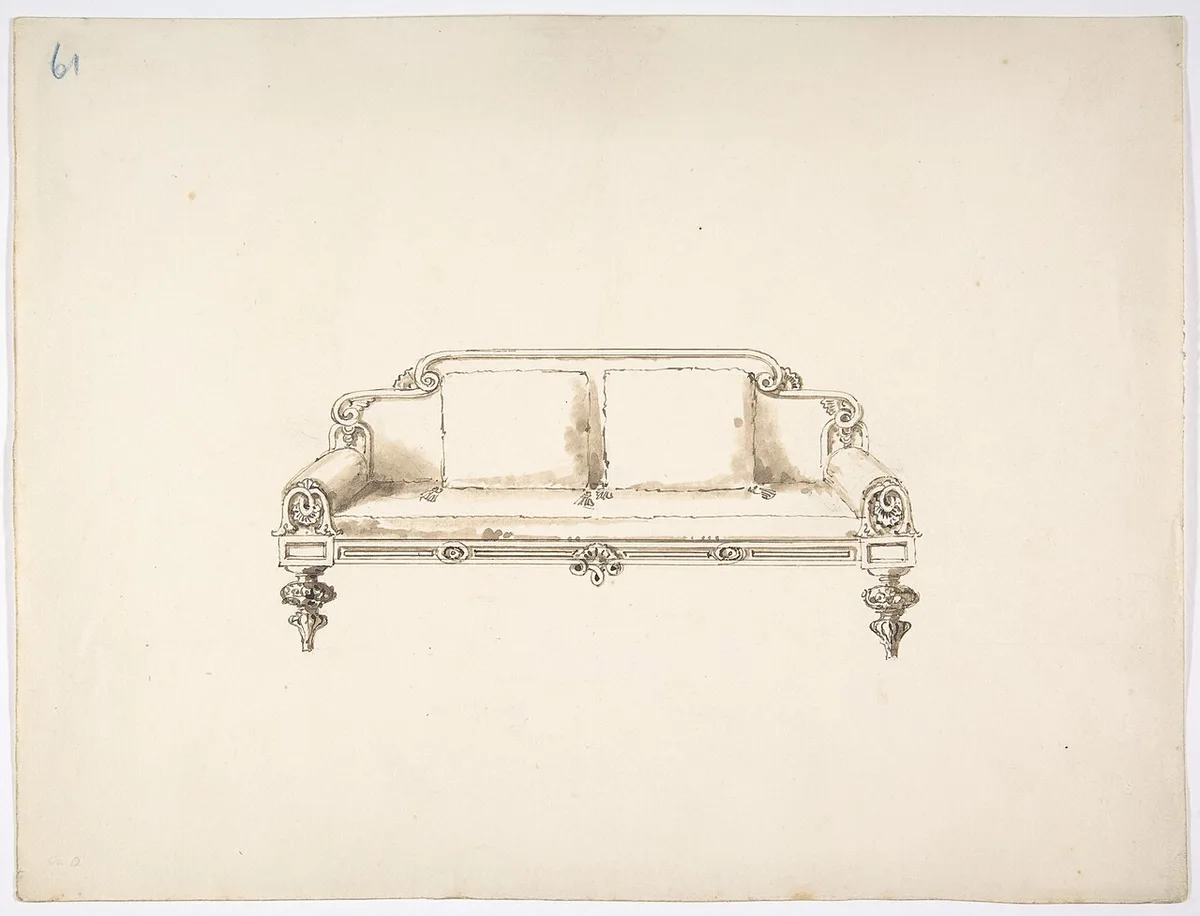
Image source: Wikimedia Commons / AnonymousUnknown author
| Feature | Standard Range | Best For |
|---|---|---|
| Seat height | 17–20 in | Easy sit/stand |
| Seat depth | 21–24 in | Upright to lounge |
| Back height | 34–40 in | Head support |
| Arm height | 24–32 in | Arm rest comfort |
| Weight capacity | 200–500 lb/seat | Durability |
Choosing the right combination means matching specs to your household. A taller person needs deeper seats and higher backs. A household with pets benefits from tight-weave performance fabric.
Our research shows that buyers who prioritize one spec often overlook trade-offs in another area.
How to Choose the Right Sofa Type for Your Space and Lifestyle
Measure your room before you shop. A standard three-seat sofa needs roughly 84 inches of wall space plus clear walking lanes on both sides. Sectionals consume corners and can block traffic if the chaise points the wrong way.
Aggregate reviews indicate measurement errors top the list of sofa return reasons as of 2026. Check room measurements against doorway width and stair turns.
Match the style to your daily routine. Families with children or pets benefit from performance fabric and tight backs that resist snags and stains. Small apartments suit loveseats or modular sectionals that reconfigure over time.
Formal spaces carry Chesterfields or English rolls well. Media rooms work best with deep seats and low backs for lounging. A tight back keeps its shape.
A loose back lets you fluff cushions to suit your mood.
Check delivery access before ordering. Door width, stair turns, and elevator dimensions decide whether the sofa enters your home intact. Manufacturer specs list overall depth and height, but diagonal clearance through doorways often gets overlooked.
Per CPSC furniture safety guidance, anchor tall or narrow pieces to prevent tip-over accidents. Many buyers regret skipping getting it through the door until delivery day.
Consider arm and back height against your body. Tall sitters need higher backs and deeper seats for support. Shorter sitters prefer lower seat heights around 17 inches.
Our research shows comfort mismatches drive more returns than fabric flaws.
Add storage if space is tight. Storage sofas hide bedding or games beneath the seat. Reclining sofas add motion but need wall clearance behind the headrest.
Reclining mechanisms wear over time. Test the lever before committing. Storage beneath the seat helps in small rooms.
Sofa Type FAQs: Arms, Backs, Bases, and Buying Questions
What is the difference between a sofa and a sectional?
A sofa is a single upholstered piece seating two to three people. A sectional combines multiple modules into L, U, or curved layouts. Sectionals offer more seating in corner spaces but limit rearrangement.
Sofas suit symmetrical rooms and easier moves. Sectionals work well in open plans but rarely fit through standard doors in one piece.
Which sofa type works best for small apartments?
Loveseats and modular sectionals fit tight spaces best. A loveseat measures roughly 55 to 62 inches wide. Modular pieces reconfigure as needs change.
Avoid deep sectionals that overwhelm narrow rooms. Leave at least 30 inches of walking space around any seating piece.
Do Chesterfields suit everyday lounging?
Chesterfields feature deep button tufting and tight backs. They look formal but feel firmer than loose-back sofas. Aggregate reviews show they work well for occasional seating, less for all-day lounging.
Can a sleeper sofa replace a guest bed?
Sleeper sofas hide a mattress inside the frame. They work for short-term guests but lack the support of a dedicated bed. Verify mechanism quality and mattress thickness before buying.
For pricing, see overnight guest solution.
How do arm styles affect room flow?
Rolled arms add width and visual softness. Track arms save inches in narrow halls. English roll arms split the difference.
Measure arm-to-arm width against doorway clearance. If you want motion instead, see picking a recliner.