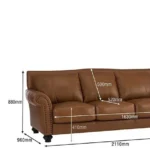
The answer to Which sofa is best for a living room? starts with your actual space, not a showroom floor. A sofa that looks perfect online can crush a small room or feel lost in an open layout. Your daily routine matters just as much as the fabric swatch.
We looked at frame construction, upholstery durability, and real buyer feedback to find what separates a short-term purchase from a ten-year investment.
Per BIFMA testing standards, a residential sofa frame should withstand at least 25,000 double rubs for moderate household use, yet many budget models fall well below that threshold. As of 2026, the average living room sofa lasts seven to ten years before cushion loft or frame stability declines noticeably. Let's break down which style fits your home and which materials earn that lifespan.
Why the "Best" Sofa Depends on Your Living Room Reality
Size is the first filter. Measure your room before you fall in love with a silhouette. A ninety-inch sectional can dominate a twelve-by-fifteen space and block traffic flow.
A seventy-two-inch three seater leaves breathing room around the coffee table. Doorway and stairwell clearance matters too. You do not want delivery day to end with a stuck sofa in the hallway.
Lifestyle shapes material choice. Homes with dogs or cats need performance fabric with a tight weave that resists snags and releases pet hair. Families with young children often choose slipcovered designs or stain-treated upholstery that cleans with soap and water.
If you entertain weekly, deep seat cushions and a wide profile encourage lounging, but firm seat foam holds its shape better under constant use.
Storage is another hidden variable. Some sectionals include hidden compartments under chaise lounges, which helps in apartments short on closet space. If that sounds useful, read our take on built in storage to see how much room it actually saves.
You should also check standard sofa sizes before ordering to avoid costly returns.
Room proportions dictate scale. A low-back sofa keeps sightlines open in a compact living room, while a high-back model anchors a larger space. Natural light also changes how color reads throughout the day.
Pair that with your existing rug and wall color so the piece feels intentional rather than dropped in.
Which Sofa Is Best for a Living Room?
The best sofa matches your room size and lifestyle. Sectionals work in large open spaces. Three seaters fit standard apartments.
Performance fabric lasts through kids and pets. Leather suits low traffic adult homes.
Sofa Types Compared: Sectionals, Standard Three-Seaters, Sleepers, and Modulars
Sectionals offer maximum seating in one piece. A left-facing chaise extends to the left when you sit on the sofa, while a right-facing version extends to the right. This orientation determines how the piece flows with your windows and fireplace.
Many sectionals also reconfigure, which helps if you move apartments every few years.
Standard three seaters remain the most versatile choice. They typically run seventy-two to eighty-four inches wide and pair easily with accent chairs. A standard three seater works in most living rooms without overwhelming the layout.
For exact width ranges, see three seater length.
Sleeper sofas pull out into beds for overnight guests. The mattress thickness usually ranges from three to five inches, which suits occasional use but not nightly sleeping. Modular systems let you add or remove pieces over time, making them ideal for growing families.

Image source: Wikimedia Commons / Estate Lookup Interiors

Image source: Wikimedia Commons / Jacopo Guarana
Which type fits your situation? Choose a sectional if you host weekly and have floor space to spare. Pick a three seater if you want a single anchor piece that fits through standard doorways.
Select a sleeper if you host guests monthly but lack a spare room. Go modular if your layout changes or your family is still growing.
Upholstery Showdown: Performance Fabric, Top-Grain Leather, and Natural Fibers
Performance fabric leads for busy households. It is woven tight enough to resist snags and often treated to block spills before they soak in. Dog hair lifts off with a vacuum, and most spills blot clean with mild soap.
This is the safest pick if you have children or pets.
Top-grain leather ages beautifully but demands specific conditions. It resists stains and wipes clean in seconds, yet it can crack in dry air and stick to skin in humidity. Leather also shows scratches more readily than fabric, which matters if cats share the home.
It works best in low traffic adult spaces where style takes priority over rough use. If you want a quality hide, review our leather buying checklist before handing over a credit card.
Natural fibers like linen and cotton breathe well and feel soft against skin. However, they wrinkle easily, absorb spills quickly, and fade in direct sunlight. Linen suits a formal living room that sees light use, but it struggles in high traffic zones.
| Material | Best For | Main Weakness |
|---|---|---|
| Performance fabric | Kids, pets, daily use | Can pill over time |
| Top-grain leather | Adult spaces, easy cleaning | Cracks, sticks in humidity |
| Linen or cotton | Low traffic, formal rooms | Stains, wrinkles, fades |
If you are unsure what your current sofa is made of, run a fabric type check before buying replacement cushions or slipcovers.
Frame, Cushion, and Spring Systems: What Actually Determines Longevity
The frame decides whether a sofa survives five years or fifteen. Kiln-dried hardwood resists warping and holds screws tighter than engineered wood or particle board. Look for corner blocks glued and screwed into place, not just stapled together.
A weak frame creates squeaks and wobbles within the first year.
Cushion fill affects daily comfort more than anything else. High-resilience foam keeps its shape for years, while low-density foam bottoms out quickly and leaves you feeling the frame beneath. Down blend cushions feel plush but require regular fluffing to avoid flat spots.
Pocketed coils under the foam add bounce and prevent that sinking sensation over time.
Spring systems support the seat from below. Sinuous springs run front to back and suit standard sofas, while eight-way hand-tied coils offer premium durability in higher-end frames. Reclining models add a mechanical layer, so check reclining comfort and motor rating if you choose power motion.
Furniture stability and flammability rules come from the Consumer Product Safety Commission. That agency sets baseline safety standards for upholstered goods sold in the United States. Those rules matter most if you have young children or pets climbing on the frame.
Matching Sofa to Lifestyle: Pets, Kids, Entertaining, and Small Spaces
Pet owners should prioritize performance fabric with a tight weave. It resists claw snags and releases dog hair with a standard vacuum. Avoid velvet if cats share the home, since that fabric snags easily and holds odor.
Dark colors hide fur between cleanings.
Families with young children benefit from slipcovered designs or stain-treated upholstery. A machine-washable slipcover comes off in minutes after juice spills. Dark navy or charcoal hides everyday messes better than white or cream.
Choose high-resilience foam so seat cushions do not sag under jumping kids.
Frequent entertainers need deep seating and a wide profile. A sectional with a chaise gives guests room to stretch out during movie nights. Some sectionals include hidden compartments under the seat, which helps in apartments short on closet space.
If that sounds useful, see how built-in storage compartments compare before you commit.
Small living rooms call for apartment-scale proportions. A low-back sofa keeps sightlines open and makes the room feel larger. Legs that show floor space create visual breathing room.
Measure your coffee table clearance first so people can walk around without squeezing. For exact width ranges, check the three-seater length guide.
Buying Smart: Measurements, Delivery Logistics, and Avoiding Costly Mistakes
Measure your room before you fall in love with a style. Record length, width, ceiling height, and doorway width. Check stairwell turns and elevator dimensions if you live in a building.
A sofa that fits the room may not fit through the front door.
White-glove delivery includes placement and assembly but costs extra. Curbside delivery leaves you carrying the box up stairs and attaching legs yourself. Confirm whether the manufacturer offers partial assembly or fully assembled shipping.
Missing hardware or unclear instructions turn a simple setup into a frustrating afternoon. If you have a bulky piece coming, read moving a big sofa to avoid damage.
Common mistakes include ignoring the double rub count and buying fabric without checking the return policy. A sofa under fifteen thousand double rubs wears fast in daily use. Verify the return window before ordering custom upholstery, since made-to-order pieces often cannot be returned.
High-resilience foam needs a break-in period of four to six weeks. Cushions feel firm at first, then soften with regular seating. Do not judge final comfort during the first week of ownership.
Standard sofa sizes vary by style, so pull up the size guide before placing an order.
Quick-Reference Comparison: Specs, Price Tiers, and Best-Fit Scenarios
Price tiers help narrow choices fast. Budget models run four hundred to eight hundred dollars but often use engineered wood and low-density foam. Mid-tier sofas cost eight hundred to two thousand dollars and usually include kiln-dried hardwood frames.
Investment pieces start at two thousand dollars and can exceed five thousand with premium leather or custom fabric.
Durability separates short-term purchases from ten-year investments. Look for at least fifteen thousand Wyzenbeek double rubs for light residential use. Thirty thousand plus suits homes with kids and pets.
Frame warranties range from five years on budget models to lifetime coverage on premium frames.
| Tier | Price Range | Frame | Best For |
|---|---|---|---|
| Budget | $400-$800 | Engineered wood | Guest rooms, first apartments |
| Mid-tier | $800-$2,000 | Kiln-dried hardwood | Families, daily use |
| Investment | $2,000-$5,000+ | Hardwood, hand-tied springs | Long-term ownership, main living room |
Match the sofa to your primary scenario. Choose a budget three seater for a spare room you rarely use. Pick a mid-tier performance fabric sectional for a family room with daily traffic.
Buy investment leather only if you have a low-traffic adult space and want the piece to age over decades. Before spending on leather, review buying a leather sofa so you know which hide grade justifies the cost.