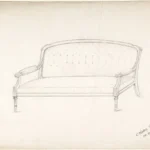
Have you ever wondered what is the difference between a sofa and a couch? Many people use the words without thinking, but the distinction can shape how you arrange a room. Choosing the right piece affects both comfort and style.
According to BIFMA guidelines, a standard sofa typically measures between 70 and 96 inches in length. A couch, by contrast, often falls in the 50‑ to 70‑inch range. These dimensions influence which rooms can accommodate each piece.
What Is the Difference Between a Sofa and a Couch?
A sofa is a long, upholstered seat with arms and a back. A couch is a smaller, often armless piece for two or three people. The main distinction lies in size and formal design.
Sofas suit large living rooms, while couches fit compact spaces.
Comparison / Sofa vs. Couch – Side-by-Side Breakdown
Comparing a sofa and a couch helps you see where each shines. The table below lays out the key differences side by side.
| Feature | Sofa | Couch |
|---|---|---|
| Typical length | 70‑96 in | 50‑70 in |
| Seating capacity | 3 or more | 2‑3 |
| Arm style | Often rolled or square | Often armless or low |
| Back style | Tall, upholstered | Lower, simpler |
| Common materials | Fabric, leather, velvet | Fabric, microfiber |
| Ideal room size | Large living room | Small apartment, den |
| Price range | $400‑$1500 | $200‑$800 |
A classic sofa often features a high back and rolled arms. This style gives a formal look that anchors a large living room.

A typical couch may have a low profile and minimal arms. This design suits smaller spaces and casual settings.

Frame construction varies between the two. Sofas usually use solid hardwood or engineered wood for stability. Couches may employ plywood or metal frames to keep weight down.
Cushion fill affects comfort and longevity. Down‑blend cushions provide a plush feel but require occasional fluffing. High‑density foam retains shape longer and needs less maintenance.
Upholstery choices differ as well. Sofas often showcase leather or heavy‑weight fabric that withstands daily use. Couches frequently feature microfiber or performance blends that resist stains.
Leg styles add character. Sofa legs are often turned wood or polished metal. Couch legs tend to be simple tapered wood or plastic glides.
Color and pattern options are broad for both. Sofas may offer more formal patterns like damask. Couches favor solid colors or geometric prints.
The BIFMA sets performance standards for seating and provides testing methods for durability. Understanding these standards helps you evaluate quality.
Another useful reference is the standard sofa dimensions guide. It explains how length, depth, and height affect room layout.
Use Cases / Best For / Who Should Choose Which
A sofa works well in spacious living rooms where it can anchor the decor. Families often prefer a sofa because it seats three or more comfortably.
In open‑plan areas, a sofa can define the seating zone without blocking sightlines. It also pairs well with coffee tables and area rugs.
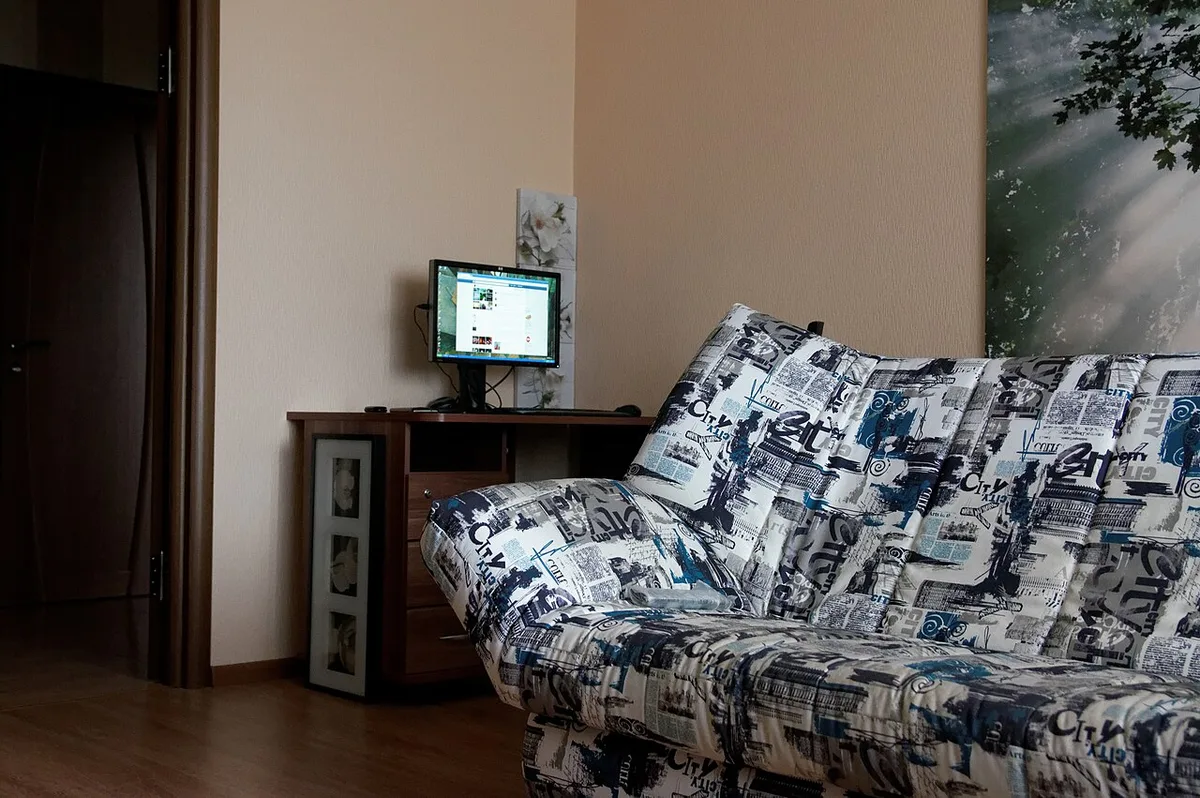
A couch excels in small apartments, home offices, or guest rooms where space is tight. It also serves as extra seating in a den or playroom.
In a studio, a couch can double as a daybed for casual naps. Its compact footprint leaves room for other furniture.
Office reception areas benefit from a sofa that conveys a welcoming vibe. The piece can accommodate multiple visitors while maintaining a professional appearance.
For a home theater, a deep sofa with reclining seats enhances the viewing experience. The added width allows for lounging during long movies.
A Airbnb host may choose a couch for a guest suite to maximize floor space. The piece can be dressed with throw pillows for a cozy feel.
Pet owners often favor a couch with removable covers. Easy cleaning helps manage shedding hair and muddy paws.
If you want a piece that doubles as a guest bed, a sofa bed cost guide can help you compare options. For a statement color, consider a bold pink sofa to liven a neutral room.
When pairing with white walls, a white wall pairing guide keeps the look balanced.
Mistakes to Avoid / Common Buying Errors
Buying without measuring the doorway leads to a piece that won't fit. Another common error is ignoring the frame material, which affects longevity.
Many shoppers overlook the weight capacity listed in the product specs. This can result in sagging cushions after a few years.
Ignoring fabric care instructions can cause stains that are hard to remove. A quick spot‑clean test on a hidden area saves trouble later.
Choosing a style that clashes with the room's color scheme creates a visual mismatch. Take a photo of the space and compare it with the furniture in the store.
Skipping a trial sit can lead to discomfort. A few minutes on the piece reveals how the cushions support your back.
Neglecting the return policy may leave you with a piece you dislike. Check the window for returns and any restocking fees.
Overlooking warranty coverage can mean paying for repairs out of pocket. A longer warranty often indicates manufacturer confidence.
Failing to consider traffic patterns can cause premature wear. Place the sofa away from high‑traffic zones if possible.
Not checking the fabric type may result in a surface that attracts pet hair. Synthetic blends tend to repel lint better than cotton.
Ignoring sunlight exposure can fade upholstery. Position the piece away from direct rays or use curtains.
Costs / Pricing / Data and Specs
Prices vary widely based on size, upholstery, and brand. As of 2026, a mid‑range sofa typically costs between $400 and $1500.
A budget couch often falls in the $200 to $800 range. Higher‑end models with premium leather can exceed $2000.
For a detailed breakdown, see our reclining sofa cost guide. It compares features at different price points.
Another factor is the cost of replacement cushions. Expect to pay $50 to $150 per cushion if you need to refresh the set.
Shipping fees can add $50 to $200 to the total, especially for large pieces. Check if the retailer offers free delivery.
Taxes and assembly charges may increase the final bill. Some stores include these in the listed price, while others add them at checkout.
Lifespan estimates range from seven to fifteen years with proper care. Regular cleaning and rotating cushions extend the usable life.
Resale value depends on brand and condition. Well‑maintained furniture from reputable makers often retains a higher percentage of its original cost.
Financing options are common for larger purchases. Monthly plans can spread the cost over twelve months or more.
Maintenance costs include professional cleaning every year or two. Expect to spend $100 to $300 per session for a large sofa.
Insurance claims for accidental damage may cover repairs. Review your policy for furniture coverage limits.
Final Recommendation / Verdict / Decision Guide
Choose a sofa when you have a room longer than twelve feet and need seating for three or more people regularly. The larger frame and deeper seat support longer sitting sessions.
Choose a couch when space is tight or the piece will serve as secondary seating. A compact footprint fits apartments, home offices, and guest rooms without overwhelming the layout.
If you entertain often, a sofa with a sturdy hardwood frame and high‑density foam cushions holds up better to daily traffic. Look for eight‑way hand‑tied springs for lasting support.
For a rental or starter home, a couch with a removable microfiber cover keeps cleaning simple and cost low. You can swap covers if your style changes.
Test the seat depth before you buy. A depth of twenty‑one to twenty‑four inches suits most adults. Deeper seats work for lounging but may feel awkward for shorter guests.
Check the door width and stair clearance on the delivery path. A sectional sofa often requires a wider opening than a standard couch.
Match the leg finish to other furniture in the room. Wood legs blend with traditional pieces. Metal legs suit modern or industrial decor.
Factor in long‑term maintenance. Leather develops a patina but needs conditioning. Fabric may stain but can be professionally cleaned.
Budget for accessories. Throw pillows, a matching ottoman, and an area rug add comfort and pull the look together.
When in doubt, measure the room and sketch a quick layout. A paper plan prevents costly returns and ensures the piece fits your life.
Frequently Asked Questions
What is the main difference between a sofa and a couch?
A sofa is larger and more formal with a structured back and arms. A couch is smaller, often armless, and designed for casual seating.
Can a couch seat three people?
Yes, many couches measure sixty to seventy inches and accommodate three adults. Check the seat width per person before buying.
Which lasts longer, a sofa or a couch?
A well‑built sofa with a hardwood frame and eight‑way springs typically lasts ten to fifteen years. A basic couch may show wear in five to eight years.
Is a sofa bed considered a sofa or a couch?
A sofa bed is classified as a sofa because it includes a full frame, arms, and a fold‑out mattress mechanism.
How do I clean a fabric sofa?
Vacuum weekly with an upholstery attachment. Spot clean spills immediately with a mild detergent. Schedule professional cleaning every twelve to eighteen months.
What size rug fits under a sofa?
Choose a rug that extends at least eighteen inches beyond the sofa on all sides. This anchors the seating area and prevents a floating look.