
Choosing between a loveseat and a sofa for a tight living area feels like a puzzle. You want comfort but you also need walking room. The question are loveseats better than sofas for small rooms comes up in almost every studio or condo project we see.
The answer depends on your actual square footage and how you live day to day.
Standard loveseats measure 52 to 58 inches wide while apartment sofas run 60 to 70 inches according to manufacturer specs compiled by the American Society of Interior Designers. A full sofa often exceeds 78 inches and can swallow a room under 150 square feet. Let us walk through the tradeoffs so you can decide with confidence.
Are Loveseats Better Than Sofas for Small Rooms
Loveseats fit rooms under 150 square feet better than full sofas. They leave walkway clearance of 36 inches or more. Apartments sofas work when you need three seats daily.
Full sofas crowd small rooms and block traffic flow. Choose based on your room width and seating needs.
Why Size Matters in Small Rooms: The Loveseat vs Sofa Dilemma
Small rooms punish oversized furniture fast. A 90 inch sofa in a 12 by 12 foot room leaves only 24 inches for walking. That fails the 36 inch minimum walkway standard used by space planners.
You end up squeezing past the arm every time you cross the room. The visual weight also shrinks the perceived space.
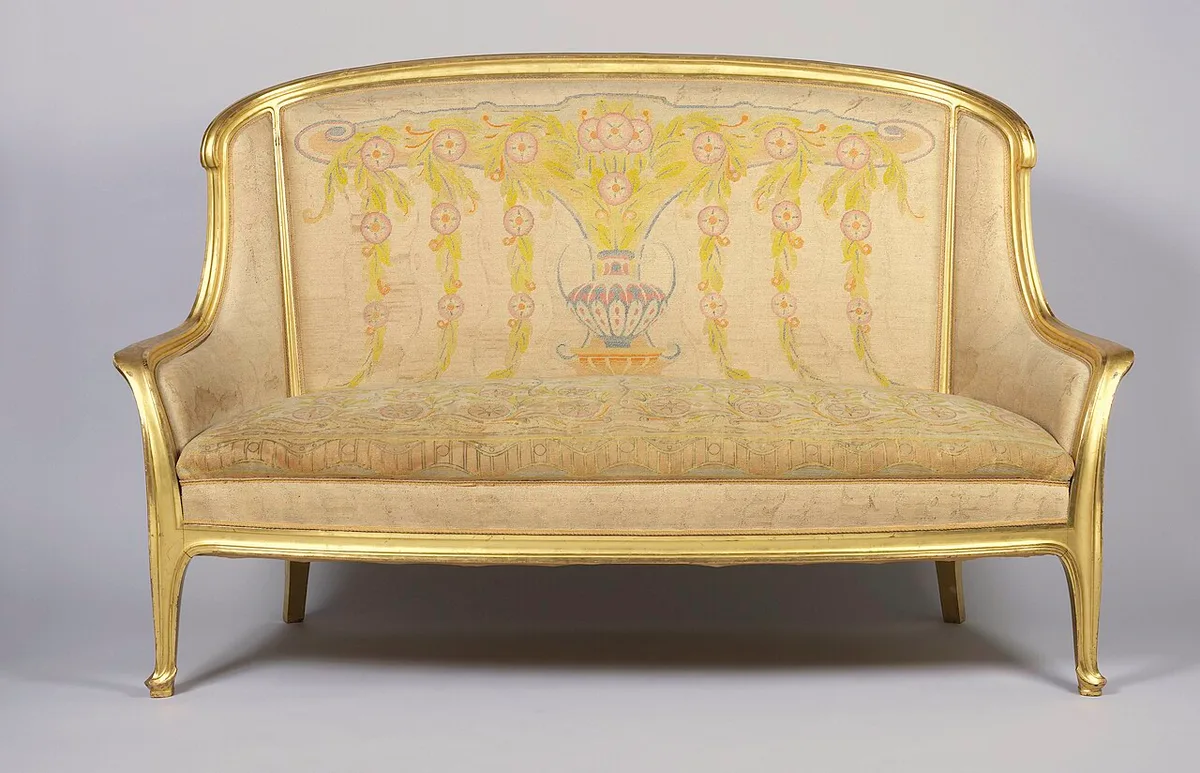
Loveseats solve the footprint problem. At roughly 55 inches wide they occupy half the wall. That keeps the room feeling open.
You still get two comfortable seats. The tradeoff is losing a third seat. If you host movie nights weekly that matters.
If you live alone or with one partner it rarely does.
Room proportion guides the decision. Designers suggest furniture should not exceed 60 percent of the room's shortest wall. Measure your space.
Divide the width by 0.6. That number is your max furniture width. A 10 foot wall allows 72 inches.
That fits an apartment sofa. An 8 foot wall allows 58 inches. That fits a loveseat only.
Understanding Scale: How Loveseats and Sofas Differ in Size and Function
Scale is more than width. Seat depth changes how you sit. Standard depth runs 21 to 24 inches.
Deep seats push short people forward. Shallow seats feel perchy for tall people. Loveseats and sofas share similar depth ranges.
The difference is total seating area.
Back height alters visual bulk. High backs create a wall effect. Low backs open sight lines.
Mid century modern loveseats often sit 30 inches tall. Traditional sofas can reach 36 inches or more. In a small room a lower profile keeps the ceiling feeling higher.

Arm style changes usable width. Rolled arms add 6 to 8 inches per side. Track arms add 2 to 3 inches.
Armless designs maximize every inch. A 58 inch loveseat with rolled arms gives you 42 inches of seat. The same width with track arms gives 52 inches.
That extra 10 inches fits a child or pet easily.
Leg height matters for visual weight. Exposed legs show floor space. That tricks the eye into seeing more room.
Skirted bases hide the floor and feel heavier. Most compact sofas now ship with 4 to 6 inch legs standard. You can often swap them for taller versions to lift the piece visually.
Function differs too. Loveseats rarely offer sleeper mechanisms. Some apartment sofas do.
If you need a guest bed the sofa wins. Reclining loveseats exist but need wall clearance. Check the spec sheet for required space behind the back.
Key Features That Impact Room Space: Dimensions, Materials, and Design
Width gets attention but depth drives comfort. A 22 inch seat depth suits most adults. Deeper seats need throw pillows for support.
That adds visual clutter. Measure your favorite chair at home. Use that depth as your target.
Upholstery affects maintenance in tight quarters. Performance fabrics resist stains from spills or pets. Microfiber cleans with water and mild soap.
Leather wipes clean but scratches show. In a small room the sofa sits near the kitchen. Splatter risk is real.
Choose accordingly.
Frame construction determines longevity. Kiln dried hardwood frames last decades. Engineered wood with corner blocks lasts 7 to 10 years.
Particle board frames sag fast. Ask the retailer for the frame spec. A 10 year warranty on the frame signals quality.
Modular designs add flexibility. Some apartment sofas come as two armless chairs and a corner. You can rearrange them as your layout changes.
That matters in a studio where the living area doubles as a home office. Separate pieces move through narrow doorways easier too.
Slipcovers extend style life. A neutral sofa with a washable cover adapts to new decor. You replace the cover not the piece.
Brands like IKEA and Pottery Barn offer replaceable covers for many models. Check availability before you buy.
Pros and Cons: When Loveseats Shine and When Sofas Win
Loveseats win on proportion. They fit rooms under 150 square feet without crowding. They cost less than comparable sofas often by 200 to 800 dollars.
They move through 30 inch doorways and tight stairwells easier. They pair with accent chairs for flexible seating.
Loveseats lose on capacity. Two seats max. No sleeper option usually.
Limited lounging space for one person. Can look sparse in rooms over 200 square feet. May need a second piece to balance the room visually.
Sofas win on versatility. Three seats standard. Sleeper versions exist in apartment sizes.
Deeper seats allow full stretch lounging. Anchors the room as a focal point. Works in spaces 150 to 250 square feet well.
Sofas lose on footprint. Even compact models need 60 inches minimum. They dominate narrow rooms.
They cost more upfront. Delivery fails in older buildings with tight turns. They limit furniture rearrangement options.
Comparing Options: Choosing the Right Seating for Your Small Space
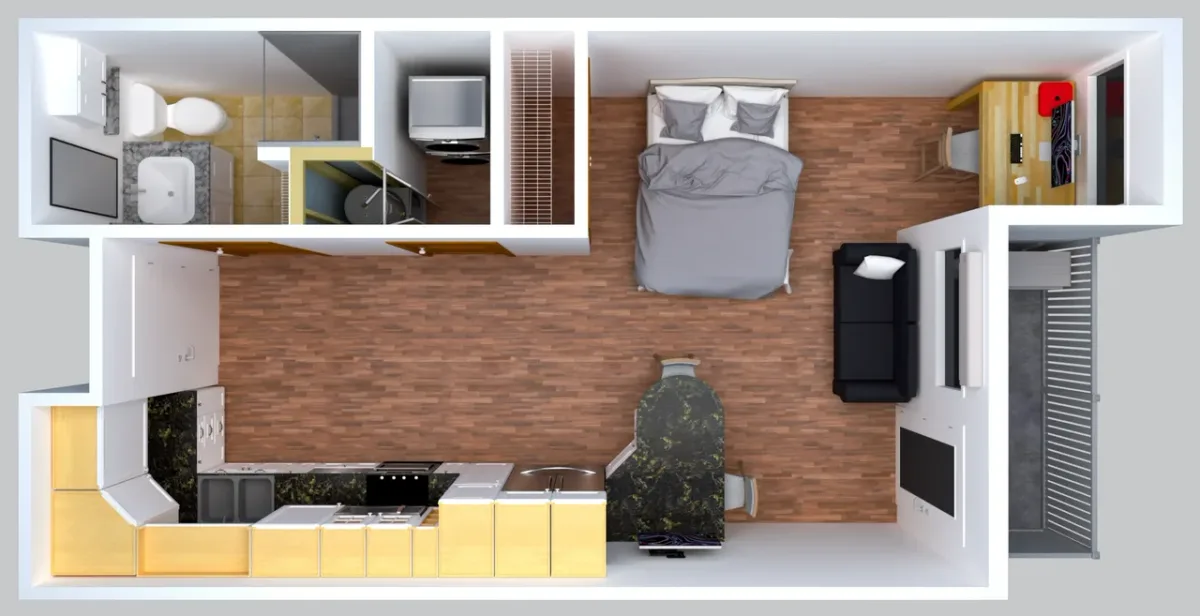
Start with your room width. Measure the wall where the seating goes. Subtract 36 inches for walkway clearance.
The remainder is your max furniture width. A 132 inch wall leaves 96 inches. That fits any option.
A 108 inch wall leaves 72 inches. That fits apartment sofa or loveseat.
Next count daily users. One or two people? Loveseat works.
Three people nightly? Sofa needed. Occasional guests?
Add a pouf or floor cushion. Those store in a closet. They cost 50 to 150 dollars.
They solve the extra seat problem without permanent bulk.
| Scenario | Best Pick | Why |
|---|---|---|
| Studio under 400 sq ft | Loveseat | Maximizes open floor |
| 1 bedroom 500 sq ft | Apartment sofa | Seats three daily |
| Narrow layout 10 ft wide | Loveseat | Keeps walkway clear |
| Frequent overnight guests | Sofa sleeper | Dual function |
| Renters moving yearly | Modular pieces | Easy transport |
Test sit before buying. Seat height 17 to 19 inches suits most. Seat depth 21 to 23 inches works for average heights.
Back support should hit your shoulder blades. Bring a tape measure to the showroom. Sit for ten minutes.
Your body knows the truth.
Visual weight matters as much as dimensions. A leggy loveseat in light linen feels smaller than a skirted sofa in dark velvet. Both occupy 55 inches.
The first recedes. The second advances. Choose the visual weight that matches your room's light and color palette.
Common Mistakes and How to Avoid Them
The biggest mistake is skipping the tape measure. People fall for a showroom floor that's three times the size of their living room. Then the piece arrives and nothing else fits.
Measure your wall, doorway, and stairwell before you order anything.
Ignoring doorway width is the second trap. A 58 inch loveseat won't clear a 30 inch door frame unless the legs come off or the arms detach. Check the boxed shipping dimensions, not just the assembled size.
Some models ship in two pieces for exactly this reason.
Blocking walkways is another common error. You need at least 36 inches between the seat front and the opposite wall or furniture. Drop below that and the room feels cramped fast.
People also forget to account for a coffee table, which adds another 18 inches of clearance behind it.
Buying without checking the return policy costs real money. Furniture returns often carry 15 to 25 percent restocking fees. Order swatches first.
Confirm the fabric reads the same under your actual lighting. That small step saves a costly mistake.
Mismatching scale is subtler. A tiny loveseat in a 200 square foot room looks lost. It floats without visual anchor.
In that case a compact sofa or a loveseat plus two accent chairs balances better. Proportion runs both ways.
Frequently Asked Questions
Can a loveseat seat three people?
A standard loveseat seats two adults comfortably. Three slim adults can squeeze on a 58 inch model for a short time. For daily seating of three, choose an apartment sofa at 60 to 70 inches wide.
What is the minimum room size for a full sofa?
You want at least 150 square feet for a full sofa. Below that, walkway clearance drops under 36 inches. A room 12 by 12 feet or larger handles a standard sofa without crowding.
Do loveseats work in a living room with a coffee table?
Yes, if you leave 14 to 18 inches between the seat front and the table edge. That gap lets legs pass through. Anything tighter and people step around the table instead of using it.
Is a loveseat or an accent chair pair better for a small room?
Two accent chairs offer more flexibility than one loveseat. You can split them apart or tuck them into corners. A loveseat gives a more anchored, cozy feel.
Choose chairs for versatility and loveseats for a defined seating zone.
How do I move a loveseat through a narrow hallway?
Measure the diagonal of your tightest turn first. Remove the legs to gain 4 to 6 inches of clearance. Some frames also detach at the arms.
If the diagonal still fails, pick a modular model that ships flat.
Does furniture scale really change how big a room feels?
Yes. A lower back and exposed legs make a room read larger. Dark, skirted, heavy pieces shrink the perceived space.
Lighter fabrics and visible floor area both help the eye see more openness.