
If your living room has an awkward corner, a sectional might be the fix. Maybe you're wondering what is a sectional sofa and whether one will actually fit. A sectional is just a sofa split into movable pieces you arrange into an L or a U.
That flexibility is exactly why they've become so popular.
Most models run 84 to 130 inches wide, and the better ones use kiln-dried hardwood frames instead of particleboard. As of 2026, sectionals have become the go-to choice for large living rooms and open-plan homes. So let's walk through what they are, how they work, and what to watch for.
What Is a Sectional Sofa
A sectional sofa is a large couch built from joined pieces. Those pieces are called modules or sections. Most form an L-shape or a U-shape around a room.
One section usually ends in a chaise or a recliner. You arrange the modules to fit your space.
At its core, a sectional is modular seating. Instead of one rigid frame, you get separate pieces: a corner wedge, armless chairs, and a chaise or terminal piece. You connect them into one continuous sofa.
The word "sectional" refers to those sections, and that's what sets it apart from a standard three-seater. A regular sofa arrives as one fixed unit. A sectional lets you control the footprint.
Why does that matter? Because real rooms aren't perfect rectangles. Sectionals wrap around corners, float in the middle of open spaces, or hug a wall to save room.
They give you more usable seating without eating the whole floor.
They're also social by design. The L or U shape faces inward, so people can actually talk to each other. A straight sofa lines everyone up like a waiting room.
One quick heads-up: "sectional" and "modular" get used interchangeably, but they aren't always the same thing. A true modular sofa lets you rearrange and add pieces freely. Many sectionals lock into fixed shapes.
If you're ready to compare real layouts, our top-rated picks can point you toward the standouts.
How Sectional Sofas Work: Modular Design & Layout Basics
Think of a sectional as building blocks for sitting. Each block is a module, and you snap them together into one piece. Once you see the parts, the whole thing clicks.
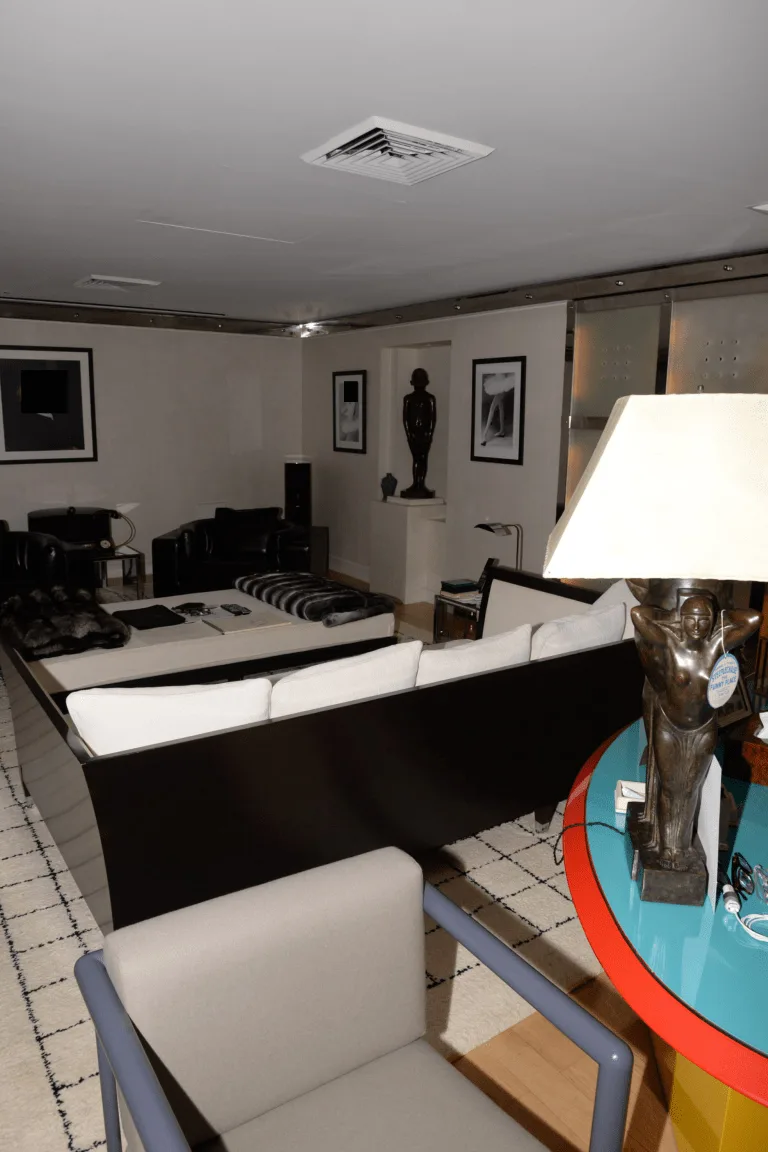
The core building blocks
Most sectionals mix a few standard pieces:
- A corner piece that turns the sofa 90 degrees.
- Armless mid-sections that fill the straight runs.
- A chaise that extends outward for lounging.
- A terminal piece, either an armrest or a recliner, that caps each end.
Combine a corner, two armless pieces, and a chaise, and you've got a classic L-shape. Swap the chaise for a second corner and you move toward a U-shape.
Left-facing vs right-facing
This trips up a lot of buyers. The terms describe where the chaise sits when you face the sofa. A left-arm chaise sits on your left side.
Get it wrong and the piece points into a wall.
A quick top-down diagram clears it up instantly, which is why you should always check layout images before ordering. Most listings include one for exactly this reason.
Why they fit tricky rooms
Because the modules are separate, sectionals handle awkward spaces well. They wrap corners, divide open-plan rooms, and create natural zones. Manufacturers often ship them in pieces too, so a big sofa still fits through a normal doorway.
If modular flexibility is your priority, flexible seating that reconfigures is worth a look. And since these pieces can be heavy, the Consumer Product Safety Commission has clear guidance on anchoring furniture to prevent tip-overs.
Sectional Sofa Features: Modules, Upholstery, Frame & Storage Options
Sectionals vary a lot once you look past the shape. The frame, the fill, and the add-ons all change how one feels and how long it lasts. Here's what actually separates a great one from a dud.
What's inside the frame
The frame is the skeleton, so it matters most. Look for kiln-dried hardwood with joinery that's corner-blocked, dowelled, or glued and stapled. Cheap models skip this and lean on particleboard, which sags within a couple of years.
Upholstery and cushion fill
Fabric choice drives both comfort and cleaning. Here's a quick rundown:
| Upholstery | Best for | Watch out for |
|---|---|---|
| Performance fabric | Kids, pets, spills | Feels less plush |
| Leather | Durability, wipe-clean | Pet scratches, cold in winter |
| Linen / cotton blend | Breathable, casual | Stains without treatment |
| Velvet / microfiber | Soft, cozy feel | Shows marks, needs care |
Cushion fill is its own decision. Foam holds its shape but runs firm. Fiber-down feels plush but needs regular fluffing.
Many brands wrap a foam core in fiber to split the difference.
Add-ons worth considering
- Storage tucked under the chaise or seats.
- A pull-out bed for guests, like sofas that double as a guest bed.
- Built-in recliners or power headrests.
- Removable, washable covers, which protective covers make easy to swap out.
One safety note: upholstered furniture sold in the US should meet flammability rules. Many makers test to California's TB117-2013 standard, and groups like ASTM International publish the methods used to check furniture safety. It's worth confirming before you buy.
Pros and Cons of Sectional Sofas: Benefits, Drawbacks & Real-World Trade-offs
No sofa is perfect, and sectionals are no exception. They shine in some rooms and frustrate in others. Here's the honest breakdown.
Where sectionals win
- They seat more people in less floor space. A big U-shape fits six or seven easily.
- They define zones in open-plan rooms, acting like a soft divider.
- Many adapt. You can slide the chaise to the other end.
- They're comfortable for lounging, thanks to that stretch-out spot.
- They create a natural conversation area since seats face inward.
Where they fall short
- They're bulky. A large piece can dominate a small room and block walkways.
- They're heavy and awkward to move, especially once assembled.
- Low-quality frames sag, and seams between modules can gap over time.
- They usually cost more than a standard sofa of similar quality.
- Fixed shapes lock you in, so they're harder to repurpose if you move.
So which rooms suit them?
Large living rooms, open-plan spaces, and family dens are the sweet spot. Sectionals earn their keep wherever you gather a lot of people and want them comfortable.
Small apartments? Tread carefully. A compact apartment-sized piece can work, but measure twice.
If you share your home with a dog, pet-friendly picks help, since performance fabrics shrug off claws and stains far better.
The takeaway is simple: match the sectional to the room, not the other way around. When you're torn, comparing the standout layouts side by side saves a lot of buyer's regret.
Step-by-Step Guide: Choosing, Assembling & Placing a Sectional Sofa
Buying and setting up a sectional goes smoothly when you plan first. Rushing leads to a sofa that won't clear the door. Here's the order that works.
1. Measure before anything else
Measure the room, the doorway, and every tight hallway the pieces must pass through. Note where vents, outlets, and windows sit. A sofa that blocks a radiator is a daily annoyance.
2. Map the footprint with tape
Tape the sectional's outline on your floor. Live with it a day or two. You'll instantly feel whether it crowds the room or clears the walkways.
3. Choose your configuration
Decide on an L-shape, U-shape, or a straight run with a chaise. Confirm left-facing or right-facing based on your door and TV placement. This is where people make costly mistakes.
4. Pick the frame and fabric
Prioritize a hardwood frame over particleboard. Then choose fabric for your household: performance fabric for kids and pets, leather for easy cleanup. If spills worry you, gentle leather care keeps hides looking new for years.
5. Unbox and assemble
Most sectionals arrive in several boxes. Lay out the pieces, then join the modules using the brackets or clips provided. Line up the connectors, press firmly, and check that the seams sit tight.
Keep all hardware until the sofa is fully placed.
6. Anchor and settle in
Heavy sectionals can tip, especially with kids climbing on them. Fit any anti-tip hardware the maker includes. Then fluff the cushions, nudge the modules into place, and give the seams one final check.
A little patience here pays off.
FAQs: Common Questions About Sectional Sofas
Here are the questions we see most often, answered straight.
How much does a sectional sofa cost?
Most solid sectionals land between $800 and $3,000. Budget models start around $500, while leather and designer pieces climb past $5,000. Price tracks frame material and upholstery more than sheer size.
Add roughly $100 for delivery if the retailer charges for it.
Will a sectional fit through my doorway?
Usually, because sectionals ship as separate modules. Measure the door diagonal plus any tight hallway corners before ordering. Most individual pieces clear a 30-inch opening.
If one won't, some makers sell removable legs or arms that buy you extra room.
Can you sleep on a sectional?
Yes, if you buy one built for it. Sleeper sectionals hide a pull-out mattress under the chaise or a seat section. A queen pull-out needs about 80 inches of clear floor once extended.
Standard sectionals don't fold flat, though the chaise still handles naps fine. Our roundup of beds that tuck away for guests covers the mattress side of it.
How long does a sectional sofa last?
Plan on 7 to 15 years with normal use. Hardwood frames and high-density foam push toward the top of that range. Particleboard frames sag in three to five years.
Reviews mention seam gaps forming, so re-tighten the connectors once a year. Choosing hides that age well helps if you go the leather route.
What's the difference between a sectional and a modular sofa?
A sectional usually locks into one fixed shape. A modular sofa lets you pull every seat apart and rebuild it however you like. If you rearrange rooms often, or you move a lot, modular wins.
If you want a set layout that hugs a corner, a sectional keeps things simple.
Can I switch the chaise to the other side?
Some models yes, many no. Reversible designs, often sold as "left/right facing," let you move the chaise to either end. Fixed pieces are clipped or bolted to one side only.
Check the listing carefully if you might flip your layout after a move.