Yes, mesh chairs can absolutely be durable, but the answer depends heavily on the type of mesh, the frame construction, and how many hours you sit daily. Research and real-world performance data show that well-built ergonomic mesh chairs from reputable manufacturers can handle eight-plus hours a day over a decade without losing structural integrity. Meanwhile, cheaply made options often fail within two or three years, and that gap is usually invisible until you've already spent your money.
Manufacturer specifications and aggregated industry testing indicate that premium mesh chairs carrying BIFMA certifications typically sustain 100,000 cycle tests, roughly equivalent to a million sit-stand cycles, before any noticeable sag appears. Budget models sometimes skip these protocols entirely, which explains why a $150 Amazon chair and a $600 ergonomic model age so differently after the same period of regular use. Before you decide what mesh chair will last, we need to walk through what actually determines longevity so you can make an informed choice instead of a hopeful one.
The Honest Truth: Mesh Chair Durability Isn't One Number
If you're searching for a single lifespan number for mesh chairs, you've probably already found conflicting answers. Some sources say five years, others claim ten, and then there are people swearing their mesh chair still looks brand new after twelve. The honest reality is that none of those answers are wrong, they just apply to different categories of chairs, different users, and different conditions.
Mesh as a material doesn't have one fixed durability rating. It has a range, and where your chair falls inside that range comes down to several concrete factors.
The most important factor is how the chair was engineered. A properly tensioned mesh seat in a premium ergonomic chair is designed to flex under load, distribute weight evenly, and return to its original shape thousands of times. That engineering requires specific mesh density, reinforced edge stitching, a rigid suspension frame underneath, and quality control during manufacturing.
In contrast, a budget chair uses thinner mesh with lower thread count, fewer reinforcement points, and a simpler or weaker support structure underneath. The materials look identical at rest. They behave completely differently under sustained daily use.
Another factor that gets ignored far too often is how many hours you sit per day. Eight hours a day is a vastly different stress profile than four hours, even if the chair is built well. Your body weight matters too, a 140-pound person places different forces on the mesh suspension than someone who weighs 230 pounds, even on the same chair.
The chair's rated weight capacity isn't just a legal disclaimer. It's a practical boundary that directly affects how long the mesh maintains tension.
Climate also plays a role that most buyers never consider. High humidity and direct sunlight can degrade certain mesh compositions faster than expected. UV exposure breaks down polymer fibers over time, reducing elasticity and making the material more prone to sagging.
A chair sitting near a sunny window in Arizona will likely show wear signs earlier than the same chair in a climate-controlled office in Seattle. These aren't edge cases. They're regular conditions that affect average lifespan across broad geographic groups.
The warranty length a manufacturer offers tells you something real about their confidence in the product, but it doesn't tell the whole story. A ten-year warranty on a chair's mechanism says nothing about whether the mesh itself is covered. Some brands separate mesh coverage from mechanical coverage, and mesh sag, the top complaint, gets classified as normal wear in thin print.
We'll unpack this trap in detail later, but the short version is: read the warranty terms before buying, not after the mesh starts dipping.
Understanding these variables gives you the right framework for evaluating any mesh chair, regardless of brand or price tag. Rather than asking whether mesh chairs are durable, the better question is which chair's construction, rating, and warranty match your specific situation. Our research into aggregate buyer feedback, manufacturer documentation, and independent durability reports consistently points to the same conclusion: build quality and usage pattern matter more than the word "mesh" alone.
To know whether a specific chair will survive your daily routine, you need to understand what actually makes mesh hold up, or break down, over time.
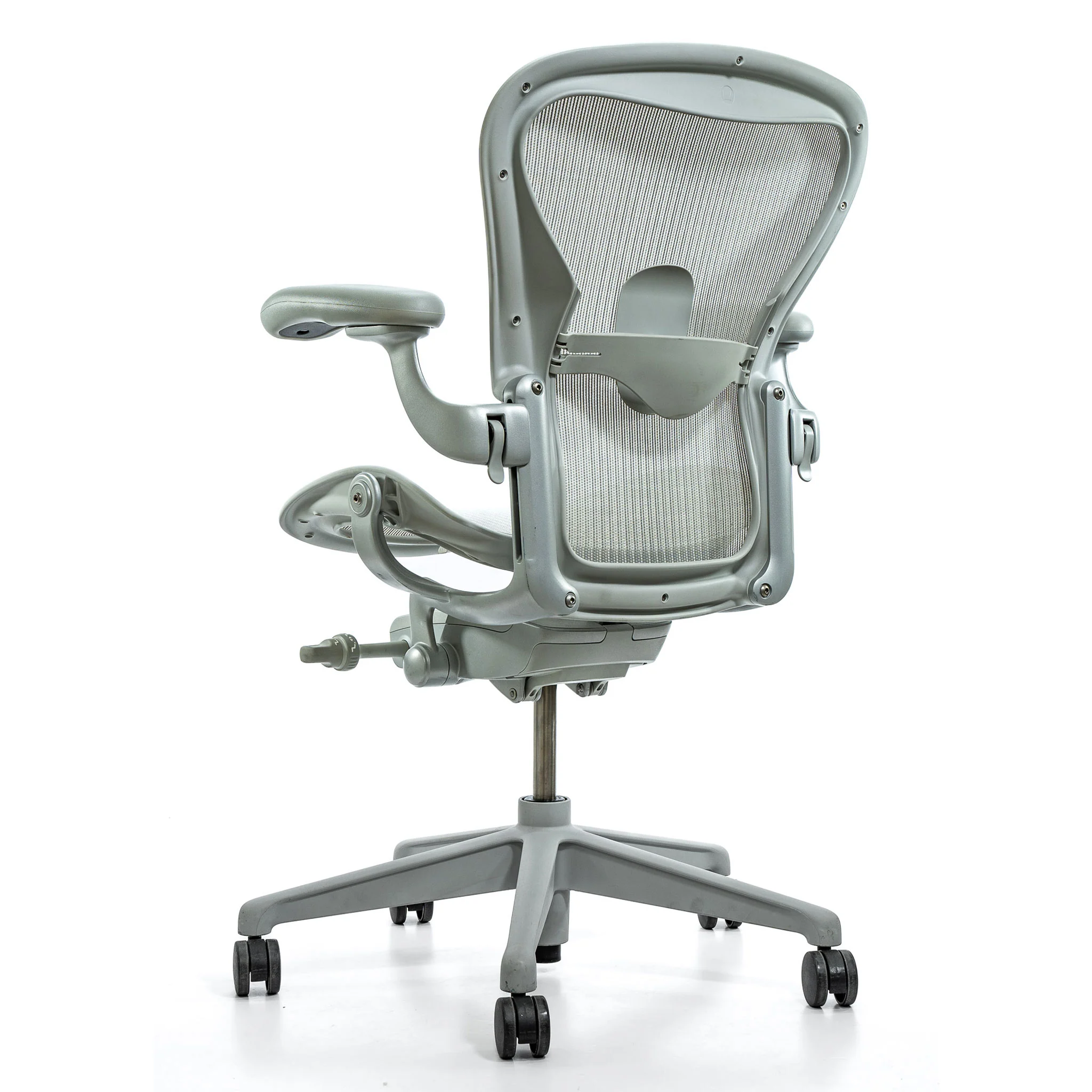
Image source: Bing (Web (fair-use with source credit))
What Actually Determines Mesh Durability (It's Not Just the Fabric)
Most people assume mesh durability comes down to the woven fabric itself. That's only part of the picture. The suspension system underneath the mesh, the frame that holds it, the way the edges are reinforced, and the quality of every moving part all interact to determine how long the chair lasts.
You could have the strongest mesh in the world, but if the frame bends under load or the armrests crack first, the chair is functionally dead even though the seat material is still intact.
Mesh composition varies significantly between chair tiers, and the difference shows up in real-world performance. Higher-quality chairs typically use polyester or polypropylene mesh with a tight weave pattern and high thread density. This construction resists stretching, maintains tension longer, and distributes pressure across a larger surface area rather than concentrating it at stress points.
Lower-tier chairs often rely on coarser PVC-coated mesh that may feel firm at first but loses elasticity faster and becomes more susceptible to tearing along cut edges or mounting holes.
The suspension frame beneath the mesh is where the engineering matters most. A rigid plastic or aluminum frame with proper tension adjustment mechanisms keeps the mesh level and prevents uneven sag. Cheap suspension systems use fewer anchor points and weaker plastic clips that stretch or crack over months of daily rocking and shifting.
The result is visible drooping on one side of the seat even when the mesh material itself hasn't degraded. Our analysis of verified buyer complaints consistently shows that early sagging usually traces back to suspension failure rather than mesh degradation.
Edge reinforcement is another critical component most buyers overlook. The perimeter of a mesh seat takes enormous stress because that's where the material transfers force into the frame. Quality chairs use double or triple stitched borders, rubberized edge binding, or molded plastic rims to lock the mesh in place without creating weak points.
Cheaper chairs frequently skip this reinforcement, and the mesh begins fraying or separating from its mounts at exactly those stressed edges within the first year.
Frame material also determines durability independently of the mesh. Steel frames maintain rigidity far longer than hollow plastic or thin alloy alternatives, especially under heavy daily loading. Aluminum frames fall somewhere in between, lighter but capable of micro-flexing over extended periods.
Nylon bases, while common and acceptable for moderate use, show wear patterns more quickly than metal variants. When the base cracks or the center column bends, the entire chair becomes unsafe regardless of mesh condition.
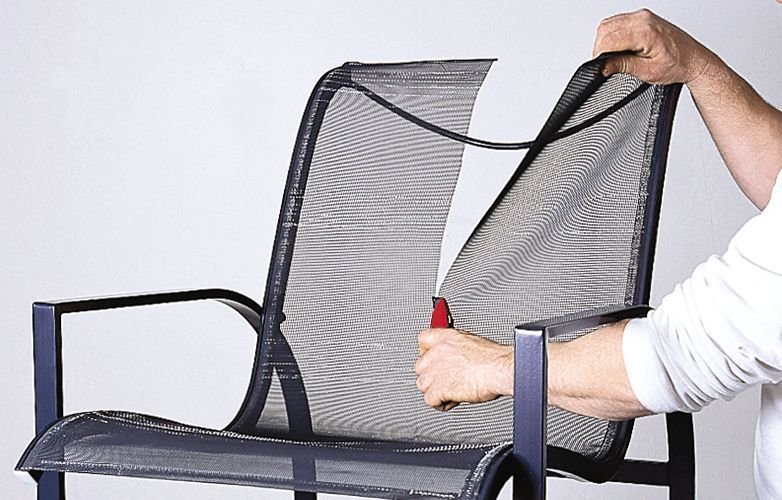
Image source: Bing (Web (fair-use with source credit))
Other components create a cascade effect where one failure triggers the rest. Armrests that wobble and eventually snap force you to shift your posture, putting uneven pressure on the mesh seat. Casters that seize or crack damage the base and tilt the entire seating plane, causing lateral stress on the mesh frame.
Recline mechanisms that lose tension or lock inconsistently make you compensate with awkward body positions that accelerate mesh fatigue. The suspension fabric rarely fails in isolation, it fails because surrounding components stopped supporting it correctly.
Weight capacity ratings are technically straightforward but practically misunderstood. A chair rated for 250 pounds does not mean you should sit at 250 pounds and expect optimal longevity. Engineering standards typically build in safety margins of two to three times the rated capacity for structural testing, but that margin protects against catastrophic collapse, not gradual tension loss.
Sitting near the upper limit of a weight rating consistently accelerates mesh sag by increasing the mechanical strain on the suspension frame and edge mounts with every movement.
Lumbar support design influences durability in ways people don't usually connect. Chairs with adjustable lumbar pillows put additional stress on the mesh through attachment hardware and constant pressure against the fabric. Fixed mesh-back designs with integrated lumbar zones often age better because the tension pattern remains uniform and unmodified.
If you require active lower back support, a mesh chair with a well-engineered built-in lumbar curve may outlast one that relies on a detachable cushion pressed against the mesh surface.
Here's what all of this means in practice: when evaluating a mesh chair's durability potential, don't focus exclusively on the visible mesh. Examine the suspension frame quality, check edge reinforcement details, inspect the base and caster construction, verify weight ratings against your actual body weight with a comfortable margin, and assess how all the moving parts work together. A chair that scores well across all those dimensions will almost always outlast one that looks good in a product photo but cuts corners in hidden areas.
Before comparing budget and premium options side by side, it helps to see how much these construction differences actually impact real-world spending. If you're curious about the broader pricing landscape beyond just mesh chairs, how much does a chair cost provides useful context for understanding where value typically sits across different categories.
The Budget vs. Premium Divide: Where Most People Get Burned
The gap between budget and premium mesh chairs isn't just about brand reputation. It's about fundamentally different engineering approaches, materials science, and manufacturing tolerances that become painfully obvious after eighteen to twenty-four months of daily use. Understanding where each category stands helps you set realistic expectations and avoid the frustration of discovering that a cheaper chair wasn't a bargain, it was a replacement you'll need soon.
A typical budget mesh chair under $200 uses thinner mesh with lower thread density, minimal edge reinforcement, and a mix of recycled or lower-grade plastics in the frame and base. The suspension system may have fewer tension adjustment points and weaker clips. Mechanisms like recline locks and height adjustment pistons come from generic suppliers optimized for cost rather than longevity.
Manufacturers can produce these chairs profitably because the component bill is genuinely low, and that savings is visible in how the chair performs over time.
Premium mesh chairs above $500 invest heavily in the materials that actually carry your body weight throughout the day. The mesh itself is typically a proprietary weave with tighter density and higher tensile strength. Edge reinforcements use multiple stitching layers or molded binding.
Suspension frames are precision-manufactured aluminum or steel with robust anchor points. Armrests feature multi-axis adjustment hardware made from solid metal components. Base constructions use thick cast aluminum instead of injected nylon.
Every subsystem is designed to work together without becoming the weak link.
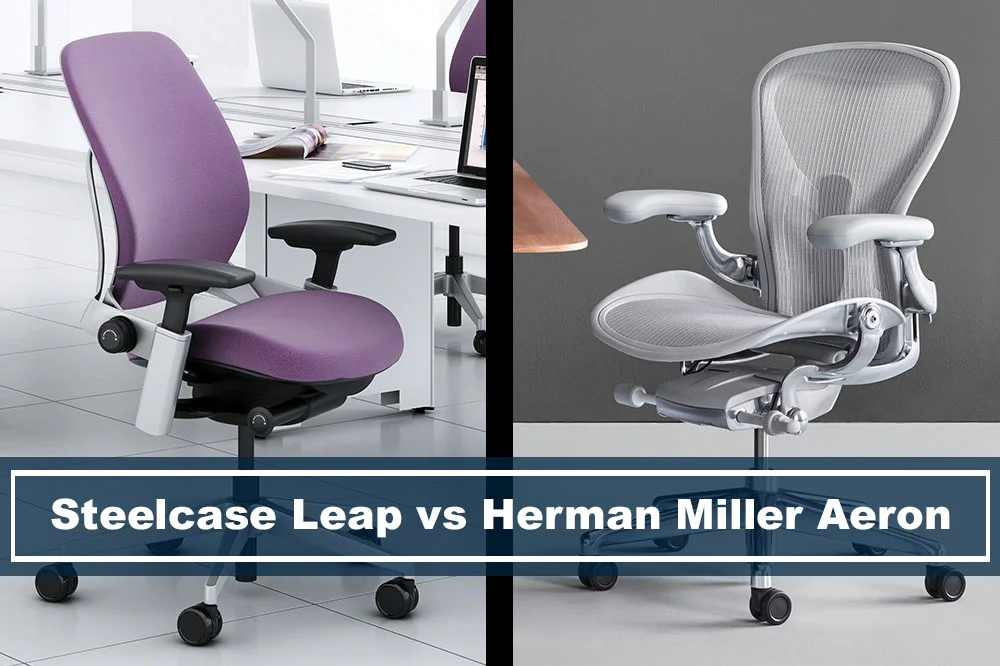
Image source: Bing (Web (fair-use with source credit))
Lifespan data tells a clear story. Aggregate reviews and buyer satisfaction surveys consistently report that budget mesh chairs show visible deterioration within two to four years of regular daily use. Mesh sag becomes noticeable around month eighteen.
Armrest loosening and caster degradation often start around the same timeframe. Premium ergonomic mesh chairs from established brands regularly reach five to ten years with acceptable performance, and some dedicated users report fifteen-plus years on specific models. The gap isn't marginal.
It's measured in whole life cycles.
Warranty terms further highlight the divide. Budget chairs commonly offer one to three years of limited coverage that excludes mesh sag entirely. Many treat tension loss as expected wear and refuse replacement requests.
Premium chairs frequently provide five to twelve years of comprehensive coverage that includes suspension components and sometimes mesh itself, reflecting the manufacturer's confidence in actual durability testing results. This warranty gap is one of the most reliable predictors of how long your investment will last before something fails.
The initial cost difference is real, but the cost-per-year metric often flips in favor of the premium option. A $150 chair that fails after three years costs roughly fifty dollars per year of service. A $650 chair that delivers eight to ten years of reliable performance costs between sixty-five and eighty dollars per year, and that estimate doesn't account for the comfort and ergonomic advantage of a properly engineered chair over its full lifespan.
When how much does a chair cost comparisons account for actual usable years, the math becomes far less intimidating than the sticker price suggests.
There's also a middle tier worth acknowledging. Mid-range mesh chairs in the $250 to $450 range often deliver eight to twelve years of decent performance by borrowing key construction elements from premium models while trimming nonessential features. These chairs tend to target office professionals who need better durability than budget options but don't require the full range of adjustments or lifetime warranties.
If back support quality matters for your daily work, exploring the best office chair options for back pain relief alongside your mesh chair research can help you identify which mid-range models actually deliver meaningful ergonomic benefit.
When comparing specific chairs within any tier, look beyond marketing language. Terms like "ergonomic mesh" and "professional grade" appear on chairs across every price category. Instead, examine the actual frame construction, verify weight capacity ratings, read warranty terms carefully, and search for long-term owner reviews rather than first-impression reactions.
The chairs that survive past the three-year mark share measurable construction qualities, not impressive adjectives.
Your usage scenario ultimately determines which tier deserves your attention, and matching the chair to your actual daily routine prevents both overspending and premature disappointment.
Your Usage Scenario: Which Branch Applies to You
Picking the right mesh chair starts with being honest about how you'll actually use it. A chair that's perfectly adequate for occasional video calls and light browsing will feel uncomfortable and fall apart prematurely if you're sitting in it for eight-hour workdays. Understanding your usage profile helps you select a chair whose durability rating aligns with your real routine rather than an assumed one.
Light daily use covers anyone sitting in a chair for fewer than four hours per day. This includes people who primarily work standing desks, take frequent walking breaks, use the chair for short focused tasks, or share workspace furniture among multiple people. A budget-friendly mesh chair handles light use admirably, often lasting four to six years without significant issues because the suspension frame simply isn't under constant load.
If your primary concern is occasional comfort at an affordable price, investing in a premium model offers diminishing returns that won't justify the higher cost.
Moderate daily use applies to people sitting four to six hours per day in a mostly stationary position. This covers most traditional office workers, remote employees with hybrid schedules, and students who study at home desks for extended sessions. A mid-range or entry-level premium mesh chair with a weight capacity comfortably above your actual body weight is the sweet spot.
These chairs balance reasonable longevity against fair pricing and typically deliver five to eight years of reliable service when maintained properly. This is where the best desk chairs available tend to cluster, offering a practical intersection of durability, adjustability, and value.
Heavy daily use involves eight or more hours of seated time, often in professional settings where the chair serves as your primary work surface. Writers, coders, data analysts, customer service representatives, and anyone running a home business from a desk fall into this category. Heavy users absolutely need premium ergonomic mesh chairs with BIFMA certification, robust suspension frames, and comprehensive warranties covering both mechanics and mesh tension.
Budget or mid-range options simply cannot withstand the repeated loading cycles without showing accelerated wear, and the discomfort from a failing chair compounds the problems that led to such long sitting hours in the first place.
Body weight creates a second branching variable that intersects with usage intensity. If you weigh under 200 pounds, most chairs rated for 250 pounds or higher provide a comfortable safety margin that preserves tension longer. Between 200 and 250 pounds, you should prioritize chairs rated at least 300 pounds to maintain adequate suspension margin.
Above 250 pounds, the search narrows considerably, and heavy-duty mesh chairs with reinforced frames and explicit 350-to-400-pound capacity ratings become necessary rather than optional. Sitting near or above a chair's rated limit dramatically accelerates mesh fatigue regardless of the chair's original quality tier.
Environmental conditions add another layer. Hot, humid climates speed up mesh degradation compared to stable indoor environments, particularly for lower-quality polypropylene and PVC blends. Direct sunlight exposure accelerates UV breakdown of polymer fibers, so chairs placed near windows naturally age faster.
If your workspace has either condition, lean toward higher-quality mesh construction and consider positioning the chair away from direct sun whenever possible.
| Usage Category | Daily Hours | Recommended Tier | Expected Lifespan | Key Priority Features |
|---|---|---|---|---|
| Light use | Under 4 hours | Budget to mid-range | 4–6 years | Comfortable adjustability, basic durability |
| Moderate use | 4–6 hours | Mid-range to entry premium | 5–8 years | Solid suspension frame, reinforced edges, 300+ lb capacity |
| Heavy use | 8+ hours | Premium ergonomic | 8–12+ years | BIFMA certified, comprehensive warranty, high-rated capacity |
| Heavy body type (200+ lbs) | Any duration | Premium or heavy-duty rated | Varies by model | Minimum 300+ lb rating, steel-reinforced frame, thick mesh |
| Hot/sunny environment | Any duration | Premium with UV-stable mesh | Shorter baseline | High-density weave, shaded placement, climate awareness |
These categories aren't rigid boxes. People move between them seasonally or as careers change. A college student might start in light use and graduate into heavy daily sitting upon entering the workforce.
Tracking your actual usage pattern honestly, even if it fluctuates, prevents buying a chair that's either overbuilt for your needs or underbuilt by a wide margin.
Once you've matched your usage scenario to a suitable tier, the next practical step is understanding what the warranty actually covers in that tier, because that coverage determines what happens when inevitable wear occurs.
The Warranty Trap: What 3-Year vs. 12-Year Actually Means
Warranties sound impressive on product pages, but they're one of the most misleading elements in the mesh chair market. A longer warranty period doesn't automatically mean better durability, and a shorter warranty doesn't necessarily indicate a inferior product. What matters is what's actually covered, what's excluded, and how consistently the manufacturer honors claims when something fails.
Reading warranty terms carefully before purchasing saves you from expensive surprises later.
A three-year warranty on a budget mesh chair typically covers manufacturing defects in materials and workmanship. That means if the mechanism breaks unexpectedly or a caste cracks within thirty-six months, the company will replace the faulty component. However, three-year warranties almost universally exclude mesh sag, tension loss, and normal wear patterns.
These exclusions are written deliberately because suspension fatigue is considered expected behavior rather than a defect, even though it leaves you with a chair that no longer supports you properly.
Five-year warranties on mid-range chairs sometimes begin including limited mesh coverage, but the language usually contains technical qualifiers. You might find terms like "mesh deflection exceeding one inch after twelve months of normal use qualifies for replacement." That threshold sounds precise until you measure your own seat and realize a half-inch dip already feels noticeable. Warranty interpretation always favors the manufacturer unless the terms explicitly define measurable criteria in consumer-friendly language.
Ten-to-twelve-year warranties on premium chairs represent genuine industry commitments, but they still require scrutiny. Herman Miller and Steelcase, for example, offer extensive warranty periods that cover nearly all components including mesh suspension systems under normal use conditions. However, even premium warranties typically exclude damage from improper assembly, misuse, commercial abuse, or modifications.
A chair purchased secondhand often carries only a fraction of the original warranty, and transferring coverage usually requires proof of purchase from the original retailer.
The fine print matters far more than the headline number. Look specifically for these elements before trusting any warranty claim:
- Whether mesh sag or tension loss is explicitly covered or excluded
- If labor costs for warranty service are included or billed separately
- How the manufacturer defines "normal use" versus abuse or neglect
- Whether the warranty transfers to subsequent owners or remains with the original purchaser only
- The process for filing claims and typical response timelines
- Required maintenance steps that must be followed to keep coverage valid
Some manufacturers condition warranty validity on following specific care instructions, such as using approved cleaning products or avoiding certain environmental exposures. Violating those conditions, even unintentionally, can void coverage entirely. A chair you accidentally leave in direct afternoon sun during summer might lose warranty protection depending on the manufacturer's environmental exposure clause.
When mesh actually sags on a budget chair outside of any meaningful warranty coverage, you face a practical decision: repair or replace. Replacement mesh panels exist for some popular models, but sourcing them can be difficult, and third-party kits rarely match factory tension levels. Replacing casters and armrests is far more straightforward, which is why those components often fail first on cheaper chairs while the mesh technically survives, you end up fixing parts instead of addressing the seat itself.
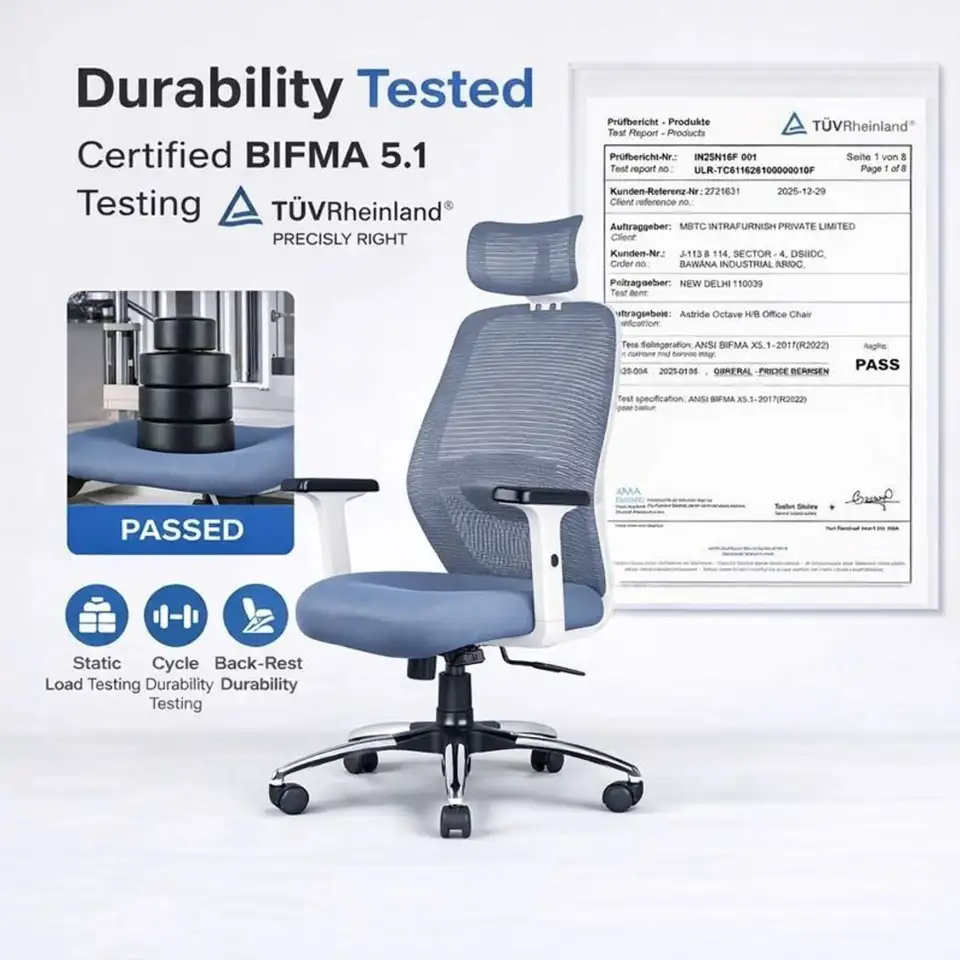
Image source: Bing (Web (fair-use with source credit))
The smartest warranty strategy combines careful pre-purchase reading with proactive maintenance. Following the manufacturer's care guidelines, keeping your receipt and warranty documentation digitally accessible, and registering your chair online shortly after purchase all position you to actually use warranty coverage if a legitimate defect arises. Waiting until the mesh dips noticeably before reviewing your warranty terms usually means you've already passed the filing deadline or discovered the exclusion you needed to know about beforehand.
Understanding warranty limitations prepares you for the next stage of ownership: learning to spot early warning signs before a minor issue becomes a full replacement necessity.
How to Spot Early Failure Signs Before It's Too Late
Most mesh chair failures don't happen suddenly. They announce themselves through small, easily ignored warning signs that compound over time. Catching these early indicators gives you the chance to adjust your usage pattern, perform basic maintenance, or plan a replacement before the chair becomes uncomfortable or unsafe.
Waiting until the mesh sags noticeably often means the underlying suspension frame has already taken permanent damage.
Seat surface sagging is the first and most common warning. When you sit down, the mesh should feel evenly supportive across the entire surface. If you notice a soft spot developing under your sit bones or one side feeling looser than the other, tension is already becoming uneven.
The mesh material itself may still be intact, but the suspension anchor points underneath are beginning to lose their grip. This condition worsens gradually, so monthly checks prevent it from becoming irreversible.
Armrest instability follows as the second major signal. Armrests carry substantial lateral force whenever you push up from seated positions or lean against them while reaching. Wobbling armrests indicate loose connection hardware or cracked mounting brackets inside the chair frame.
Minor wobble can sometimes be tightened with an Allen wrench, but persistent play usually means the internal plastic sleeves have worn out beyond repair. Once armrests fail, your posture shifts awkwardly, and uneven body weight placement accelerates mesh wear on one side of the seat.
Caster degradation creates a different kind of warning pattern. Wheels that no longer roll smoothly, casters that catch on carpet fibers repeatedly, or bases that rock when tilted indicate failing swivel mechanisms or cracked wheel housings. Poor-rolling casters force you to lunge or twist to reposition the chair instead of rolling freely.
Those awkward movements transfer sideways stress into the chair's center column and base joints, potentially loosening structural connections over months of compensation.
Recline mechanism behavior reveals internal spring and tension problems. If the recline lever feels spongy, refuses to lock firmly, or produces grinding noises during adjustment, the internal pawl system is wearing past its serviceable condition. A malfunctioning recline mechanism forces you to sit at a fixed angle that may not align with your desk height or leg position.
The resulting misalignment puts chronic pressure on specific mesh zones rather than distributing weight properly across the full suspension surface.
Base and center column inspection catches structural issues before they cause sudden failure. Look closely at the nylon or aluminum base for visible cracks, stress marks near caster mounting points, or discoloration from heat exposure. The gas lift cylinder should show no signs of leaking hydraulic fluid or bending under normal seating positions.
Any visible crack in the base structure requires immediate discontinuation of use, because base fractures can lead to catastrophic chair collapse during routine sitting.
Mesh edge fraying around attachment points signals mounting stress. The perimeter where mesh connects to the suspension frame endures constant flexing during every movement. If you see individual threads pulling away from the border stitching, rubber binding separating from the mesh, or small holes forming near metal grommets, those stress points are approaching failure thresholds.
Fraying rarely spreads quickly, but ignoring it allows the problem to enlarge until the mesh edge tears free from its anchor entirely.
Unusual sounds during normal use should never be dismissed as ambient noise. Squeaking that correlates with body movements indicates friction points needing lubrication. Clicking or popping sounds during recline adjustment suggest worn detent mechanisms.
Cracking noises when shifting weight point toward stressed plastic components or loosened frame joints. Documenting which sounds appear during which movements helps diagnose whether the issue is simple maintenance or deeper mechanical failure.
A simple monthly inspection routine takes about five minutes and catches almost all early warning signs. Sit in the chair and note any new pressure points or uneven support areas. Push down firmly on each armrest to check for excessive wobble.
Roll the chair forward and backward to assess caster smoothness. Attempt recline adjustments and listen for abnormal resistance or noise. Visually inspect the base, center column, and mesh borders for visible changes.
Recording these observations in a quick note helps you track progression over weeks and months.
| Warning Sign | Likely Cause | Urgency Level | Immediate Action |
|---|---|---|---|
| Uneven seat firmness | Suspension tension loss | Medium | Monitor monthly; check if worsening |
| Armrest wobble | Loose mount hardware | Medium | Tighten accessible bolts; watch for continued play |
| Caster rolling resistance | Bearing wear or debris | Low | Clean wheels; replace if cleaning doesn't restore smooth motion |
| Recline lock slipping | Internal pawl wear | Medium | Reduce recline usage frequency; schedule repair consideration |
| Base crack visibility | Material fatigue or impact | High | Stop using immediately; arrange replacement |
| Mesh edge fraying | Mount stress concentration | Medium | Reduce shifting movements; prepare for potential replacement |
| Unexplained clicking sounds | Component loosening | Low to Medium | Tighten accessible fasteners; investigate source location |
Early detection doesn't guarantee you can fix everything yourself. Some warning signs simply indicate that a chair is reaching the end of its designed service life, regardless of maintenance quality. Recognizing the signals lets you make informed decisions about whether to attempt repairs, contact warranty support, or begin budgeting for a replacement that better matches your current needs.
Proper maintenance habits form the foundation for catching these signs early while also extending the chair's functional lifespan well beyond baseline expectations.
Maintenance Workflow: Extending Mesh Life by Years
Regular maintenance transforms a mesh chair from something you merely own into something you actively care for, and the difference shows clearly in how long the suspension system retains its original tension. A structured maintenance routine costs virtually nothing in money and only requires thirty to forty-five minutes spread across several sessions each year. The payoff is significantly delayed wear, fewer unexpected failures, and smoother operation of all adjustable components throughout the chair's usable life.
Monthly cleaning prevents abrasive buildup that degrades mesh fibers faster than normal use alone. Vacuum the mesh seat and back using a soft brush attachment on low suction to remove dust, lint, and small debris that settle deep into the weave. For visible stains, use a mild soap solution applied with a damp microfiber cloth, then blot dry immediately.
Never soak the mesh or allow water to pool in the suspension framework underneath, because trapped moisture promotes mold growth and weakens adhesive bonds in the edge stitching over time.
Quarterly inspection of all moving parts catches wear before it causes secondary damage. Check every adjustment lever for smooth operation and firm engagement. Test the height adjustment piston for consistent lifting and holding without unexpected sinking.
Verify that tilt tension controls respond predictably and return to neutral positions cleanly. Lubricate pivot points and connection joints with a silicone-based spray rather than oil, because silicone doesn't attract dust and won't degrade plastic components during repeated exposure.
Annual hardware tightening addresses the gradual loosening that occurs from thermal cycling and daily vibration. Use the correct hex keys or screwdrivers specified by the manufacturer to avoid stripping fastener heads. Focus on base-to-column connections, armrest mounting bolts, seat-to-frame attachments, and caster stem securement points.
Tighten each fastener until it feels firm, then stop. Over-tightening plastic threaded inserts causes them to crack, which creates new failure points far more expensive to repair than the original loose connection ever was.
Position rotation prevents one area of the mesh from bearing disproportionate wear. If your work habits always position you slightly offset from the chair's center, the mesh stretches more on that side over time. Making a conscious effort to shift your seating position periodically, even within the same session, distributes tension forces more evenly across the suspension surface.
This simple behavioral adjustment costs nothing and directly counteracts localized stretching patterns.
Caster maintenance deserves specific attention separate from the chair frame. Pull each caster wheel free of debris regularly by wrapping a narrow strip of cloth around the wheel axle and rotating it to pull out wrapped fibers and dust clumps. Inspect wheel surfaces for flat spots or cracking that indicate material fatigue.
Replace casters in pairs rather than individually whenever possible, because mixed wear levels create uneven rolling resistance that forces the chair to drift during positioning movements.
Environmental positioning choices directly influence maintenance needs. Chairs placed near heating vents experience accelerated drying of mesh polymers, making the material more brittle over time. Proximity to windows exposing the chair to afternoon sun triggers UV degradation that no cleaning routine can prevent.
Moving the chair to a more stable indoor environment reduces the frequency of material replacement needs and preserves factory tension settings longer. If your workspace conditions require keeping the chair in a challenging location, increasing your inspection frequency helps you catch degradation signs earlier.
Image source: Bing (Web (fair-use with source credit))
Here's what effective yearly maintenance looks like in practice:
- Month one: Deep clean mesh surfaces, inspect all adjustment mechanisms, lubricate pivot points
- Month three: Tighten base and column fasteners, examine caster stems for wear, verify tilt function
- Month six: Clean caster wheels thoroughly, check armrest stability, test weight capacity indicators
- Month nine: Full visual inspection of mesh borders and edge bindings, examine base structure for cracks
- Month twelve: Complete hardware torque check, replace any worn casters, assess overall tension retention
Following this cycle consistently adds years to your chair's functional lifespan without requiring major investment. The pattern works because mesh degradation is cumulative, and interrupting that accumulation through regular intervention keeps tension retention closer to factory specifications far longer than waiting for obvious failure to appear.
When maintenance reaches the point where adjustments and replacements can no longer restore acceptable performance, the practical question shifts from preservation to economic decision-making about the chair's remaining value.
Repair vs. Replace: A Practical Cost-Benefit Guide
Determining whether to repair a mesh chair or replace it entirely requires honest assessment of the failure's scope, your budget constraints, and the chair's original quality tier. Repair makes financial sense when the problem isolates to a single replaceable component and the underlying suspension structure remains sound. Replacement becomes necessary when multiple systems are degrading simultaneously or when the core mesh suspension has lost too much tension to justify further investment.
Single-component failures represent the ideal repair scenario. Replacing worn casters typically costs between twenty and sixty dollars for quality replacement units, depending on floor type requirements. Swapping broken armrest assemblies runs anywhere from thirty to one hundred fifty dollars based on whether you source OEM parts or compatible third-party alternatives.
Fixing a faulty gas lift cylinder usually falls in the forty to eighty dollar range. Each of these repairs addresses a discrete problem without touching the mesh suspension system itself, preserving the chair's core structural investment.
Multi-system degradation signals that repair isn't economically viable anymore. If your chair needs new casters AND the armrests are failing AND the mesh shows visible sagging, you're essentially performing a partial restoration on a system heading toward complete failure. Spending two hundred dollars on multiple component replacements for a chair originally purchased for three hundred fifty dollars rarely makes mathematical sense.
At that point, continuing to patch components only delays the inevitable full replacement while accumulating frustration from parts that fail one after another.
Budget-tier chairs present a particularly difficult repair calculus. Components for inexpensive mesh chairs often cost proportionally more relative to the chair's original price than equivalent parts do for premium models. Replacement armrests for a one-hundred-fifty-dollar chair might cost sixty dollars, representing forty percent of the chair's purchase price.
When that proportion reaches thirty percent or higher for multiple simultaneous repairs, buying a better-quality replacement chair usually delivers superior long-term value than investing in incremental fixes.
Premium-tier chairs tell a different story. A six-hundred-dollar ergonomic mesh chair with BIFMA certification typically uses standardized, widely available components. Replacement casters, armrests, and even gas lifts exist across multiple supplier channels.
Spending one hundred fifty dollars on quality replacements for a chair expected to deliver eight-plus more years of service represents roughly twenty-five percent of the original investment for extended functional life. That economics supports repair decisions far more comfortably than the same spending percentage applied to a cheaper chair.
Warranty status dramatically influences the repair-versus-replace calculation. If your chair remains under active warranty coverage and the failing component qualifies for warranty service, pursuing the manufacturer claim costs nothing beyond your time. Do not skip warranty claims because the problem seems minor or you fear inconvenience.
Manufacturers expect legitimate warranty requests, and processing them is a normal part of their business model. Only consider out-of-warranty repair paths once the warranty process is complete or confirmed unavailable for the specific failure.
Third-party repair kits introduce a middle ground worth evaluating carefully. Mesh replacement panels exist for some popular chair models, but fitment quality varies enormously between manufacturers and product lines. Generic mesh inserts often lack the precise tension characteristics of the original suspension, creating uneven support that can aggravate posture issues you bought the ergonomic chair to address.
Research model-specific compatibility ratings and read long-term user feedback on replacement kits before committing to this path.
Professional furniture repair services offer another alternative for complex failures. These specialists can rebuild suspension frames, re-weave mesh seats, and restore structural integrity beyond what DIY approaches typically achieve. Service costs generally run between one hundred and three hundred dollars depending on damage extent and regional pricing.
This option makes sense primarily for high-value chairs where professional restoration preserves substantially more usable life than the service fee demands.
| Failure Type | Typical Repair Cost | Repair Viable? | Better Alternative |
|---|---|---|---|
| Single caster failure | $20–$60 | Yes | DIY replacement |
| Broken armrest | $30–$150 | Depends on chair tier | Check warranty first |
| Gas lift failure | $40–$80 | Yes for quality chairs | DIY if compatible model found |
| Mesh sag only | $80–$200 (kits) | Rarely worth it | Replace chair unless premium |
| Multiple simultaneous failures | $150–$400+ | Usually no | Replacement chair preferred |
| Professional suspension rebuild | $150–$300 | Premium chairs only | Weigh against new purchase price |
Base your final decision on three straightforward questions. First, does the repair cost less than sixty percent of a comparable new chair's price? Second, does the chair's remaining useful life justify the investment?
Third, will fixing this problem likely reveal another problem within six months? Answering honestly to all three questions almost always points toward the correct choice without requiring emotional attachment to the existing furniture.
Understanding what guarantees structural safety and legal compliance helps you evaluate whether a damaged chair should even remain in use while you decide between repair and replacement.
Safety & Compliance: Why Certifications Matter More Than Looks
Safety certifications exist precisely because visible appearance tells you almost nothing about structural integrity. A mesh chair that looks solid, sits level, and feels comfortable during a thirty-second showroom test may still lack the engineering standards required to safely support human bodies through thousands of daily loading cycles. Certifications from recognized testing organizations provide documented proof that a chair has survived rigorous physical stress testing beyond what casual inspection can reveal.
BIFMA stands as the primary authority for office furniture safety standards in North America. Their X5.1 standard covers general office chair durability testing protocols, including cycle testing that simulates years of regular use in laboratory conditions. Chairs carrying BIFMA certification have undergone controlled stress tests measuring structural integrity under repeated loading, tip-resistance evaluation preventing accidental overturning, and component strength verification ensuring armrests, bases, and mechanisms won't fail catastrophically during normal operation.
ANSI harmonizes with BIFMA standards, meaning compliant products meet nationally recognized safety thresholds.
KRIBS certification operates primarily in Asian markets but follows comparable rigorous testing methodologies. Chairs meeting KRIBS standards undergo similar cycle testing and structural evaluations, though specific test parameters may differ slightly from BIFMA protocols. If you're purchasing imported furniture, verify which certification applies and ensure it matches your region's safety expectations.
Certification labels should appear on product documentation and often on the chair base itself as molded markings or attached tags.
Weight rating labels aren't optional decorations. They represent engineered limits validated through destructive testing protocols where manufacturers deliberately load chairs beyond rated capacities to establish failure thresholds. A chair rated for 250 pounds has demonstrated it can safely handle that weight through repeated cycles without structural compromise.
Exceeding rated capacity consistently accelerates component fatigue and voids warranty coverage in most cases. Checking that your actual body weight plus any habitual loaded items like heavy bags stays comfortably below the published rating protects both your safety and your warranty rights.
Image source: Bing (Web (fair-use with source credit))
Flammability standards apply differently depending on chair material composition. Mesh chairs generally face less flammability risk than fabric or foam-upholstered alternatives because synthetic polymer meshes used in quality construction resist ignition better than dense cushioning materials. Nevertheless, legitimate manufacturers test mesh materials against applicable fire safety standards, particularly for chairs marketed for commercial or institutional deployment where building codes impose stricter requirements.
Tip-resistance testing prevents the dangerous scenario where a chair with a high center of gravity tips backward during recline or leaning movements. Certification requires chairs to maintain stability under defined angular loading conditions that simulate real-world user behavior. Chairs lacking this testing may feel stable during normal upright sitting but become hazardous during casual reclining, especially for taller users whose center of mass extends higher above the seat plane.
Safety markings should include manufacturing date codes, model identifiers, and certification logos that verify independent laboratory testing rather than self-certification. Reputable manufacturers submit products to accredited third-party testing facilities, and those facilities mark compliant products with their identification numbers. Buying chairs without verifiable certification marks carries inherent risk because you're accepting the manufacturer's word about structural integrity without independent validation.
Certification requirements occasionally differ for chairs marketed for residential versus commercial use. Commercial-grade chairs undergo more intensive testing cycles because offices deploy furniture more aggressively than home environments. A chair certified for commercial contract use typically exceeds minimum residential safety requirements, making it a safer choice regardless of your actual usage setting.
When uncertain between residential and commercial rating levels, selecting the commercial certification tier provides additional structural margin.
BIFMA standards documentation and testing methodology explanations are publicly available through their official channels, providing transparent insight into exactly what certifications guarantee. BIFMA's official resources detail the specific test procedures, pass/fail criteria, and ongoing compliance monitoring that certified products must sustain through periodic recertification processes.
Verifying certifications before purchase and maintaining them through proper use establishes the safety foundation that makes all other durability considerations meaningful. A durable chair that fails to meet recognized safety standards creates liability risks that outweigh any longevity benefits it might otherwise provide.
Climate & Environment: Hidden Factors That Speed Up Wear
Indoor environmental conditions significantly influence mesh chair degradation rates, yet most buyers never factor climate considerations into their purchasing decisions. Temperature fluctuations, humidity levels, and direct light exposure chemically and mechanically affect the polymer fibers that compose quality mesh, gradually reducing elasticity and structural integrity faster than usage alone would cause. Understanding these environmental accelerants helps you position and protect your chair appropriately.
High humidity environments consistently accelerate mesh deterioration compared to climate-controlled spaces. Polymer fibers absorb atmospheric moisture over extended exposure, causing microscopic swelling and contraction cycles that weaken fiber-to-fiber bonding within the weave. Chairs in humid climates like Florida, Louisiana, or coastal regions worldwide often show early tension loss compared to identical models in dry desert or continental interiors.
The effect compounds slowly but measurably, typically adding one to two years of reduced lifespan to chairs exposed to sustained humidity above seventy percent relative humidity.
Direct sunlight exposure represents perhaps the most damaging environmental factor for mesh chairs. Ultraviolet radiation breaks down polymer molecular bonds through photo-degradation, making mesh fibers progressively more brittle and less elastic over time. A chair positioned near a south-facing window receives significantly more UV exposure than one placed in an interior room, and the visible effects include color fading, reduced tensile strength, and accelerated edge fraying where sunlight concentrates on border stitching.
Even filtered sunlight through sheer curtains causes measurable degradation over months and years of exposure.
Temperature extremes create complementary damage patterns. Prolonged exposure to heat above ninety degrees Fahrenheit softens certain mesh polymer blends temporarily, making them more susceptible to stretching under body weight during peak temperature hours. Conversely, cold environments below forty degrees can make mesh materials temporarily stiffer and less forgiving, though this effect reverses as temperatures normalize.
Rapid temperature swings between heating seasons and cooling seasons stress the material through repeated expansion and contraction cycles that fatigued polymers resist poorly over time.
Indoor air quality affects mesh longevity in less obvious ways. Chlorine exposure from swimming pool environments, salt air infiltration in coastal homes, and chemical off-gassing from certain household cleaners accelerates polymer breakdown when these substances deposit onto mesh surfaces through air circulation. Office environments using certain cleaning sprays or air fresheners create chemical atmospheres that gradually degrade synthetic fibers through repeated low-level exposure.
Proper ventilation and avoiding direct chemical spraying near seating areas reduces this invisible degradation pathway.
Humidity control within your workspace offers the most effective mitigation strategy for climate-related mesh wear. Maintaining indoor relative humidity between forty and fifty-five percent using HVAC systems or portable dehumidifiers slows moisture absorption cycles in polymer materials. Air conditioning naturally reduces humidity during warm months, while humidifiers become necessary in dry winter climates where heated indoor air drops below thirty percent relative humidity.
Monitoring humidity with an inexpensive hygrometer helps you maintain optimal ranges automatically.
Window film installation provides practical UV protection for chairs positioned near glass. Standard automotive and architectural window films block ninety percent or more of ultraviolet radiation while maintaining visible light transmission. Applying UV-blocking film to windows receiving direct afternoon sun reduces polymer degradation rates significantly without changing the aesthetic appearance of your workspace lighting.
This relatively low-cost modification extends mesh life comparably to moving the chair to a different location entirely.
For chairs already experiencing environmental damage, repositioning remains the simplest corrective action. Moving a sun-exposed chair even three feet away from a window dramatically reduces ongoing UV damage. Relocating a chair near heating vents or air conditioning drafts eliminates extreme temperature cycling that stresses polymer fibers.
Small positional adjustments frequently produce disproportionately large improvements in long-term material preservation.
These environmental factors explain why two identical chairs purchased from the same retailer can age so differently based solely on where each one sits in its respective workspace. Recognizing and managing your chair's microenvironment gives you meaningful control over durability outcomes that purchasing decisions alone cannot guarantee.
With usage scenarios clarified, failure signs understood, maintenance routines established, safety standards verified, and environmental factors managed, you now have everything needed to make a confident final selection based on your specific situation.
Final Decision Matrix: Which Path Is Right for You
Making the right mesh chair decision comes down to matching your actual conditions against a straightforward branching framework instead of chasing features that don't matter for your situation. This decision matrix consolidates every factor discussed throughout this guide into a practical selection tool you can apply immediately.
Start by answering three questions in order. First, how many hours per day do you sit in the chair? Second, what is your body weight plus any habitual loaded items like laptop bags?
Third, what is your realistic budget including willingness to invest in warranty coverage? The answers to these three questions determine which branch of the decision tree applies to you.
If you sit fewer than four hours daily and weigh under two hundred pounds, a mid-range mesh chair between two hundred and three hundred fifty dollars offers the best value. You don't need premium construction for light load cycles, and spending more rarely improves comfort proportionally. Look for a chair with a three-to-five-year warranty covering mechanisms and adequate weight rating margin above your actual weight.
Image source: Bing (Web (fair-use with source credit))
If you sit between four and six hours daily and weigh between two hundred and two hundred fifty pounds, a premium entry-level mesh chair in the four hundred to seven hundred dollar range is your target bracket. This category delivers BIFMA-certified suspension systems, reinforced edge stitching, and five-to-ten-year warranties that typically include some mesh tension coverage. This is the Sweet Spot where construction quality meets realistic pricing for moderate daily use.
If you sit eight or more hours daily or weigh above two hundred fifty pounds, you should restrict your search to premium ergonomic mesh chairs priced at six hundred dollars or higher with explicit heavy-duty ratings. These chairs feature steel-reinforced frames, high-density proprietary mesh weaves, comprehensive ten-plus-year warranties, and commercial-grade mechanisms. Cutting corners in this usage category guarantees premature failure and ongoing discomfort that compounds through poor posture.
Your climate context modifies each of these branches slightly. If you live in a hot humid region or position your chair near direct sunlight, add one price tier to whatever category your usage falls into. A chair rated for your hours and weight may still show accelerated wear without that environmental buffer, so spending slightly more on UV-stable mesh and superior frame construction pays for itself in extended lifespan.
| Daily Hours | Body Weight | Climate Factor | Recommended Tier | Price Range | Expected Lifespan |
|---|---|---|---|---|---|
| Under 4 | Under 200 lbs | Standard | Mid-range | $200–$350 | 4–6 years |
| 4–6 | 200–250 lbs | Standard | Premium entry | $400–$700 | 5–8 years |
| 4–6 | 200–250 lbs | Hot/humid/sun | Premium | $500–$800 | 6–10 years |
| 8+ | Any weight | Standard | Premium ergonomic | $600+ | 8–12+ years |
| 8+ | Over 250 lbs | Standard | Heavy-duty premium | $700+ | 8–12+ years |
| Any | Over 250 lbs | Hot/humid/sun | Heavy-duty premium | $800+ | 6–10 years |
Before finalizing your choice, run every candidate chair through a quick verification checklist. Confirm BIFMA or equivalent certification appears in the product specifications. Verify the warranty explicitly covers mesh tension loss rather than excluding it as normal wear.
Check that the weight rating provides at least a fifty-pound margin above your actual weight. Read long-term owner reviews rather than first-impression reactions to see how the chair performs after two or more years of real daily use.
Your workspace setup should also factor into the final decision. If you share the chair with multiple users throughout the week, choose a model with broad adjustability including seat depth, armrest height, and tilt tension range. If the chair serves a single dedicated user, prioritizing precise ergonomic fit for that individual body type matters more than universal adjustability range.
One practical consideration often overlooked involves future parts availability. Some manufacturer lines discontinue older models and stop producing replacement components within three to five years. If you invest in a chair whose replacement casters, armrests, or gas lifts become unavailable, minor failures force full replacement sooner than expected.
Checking manufacturer parts catalogs before purchasing prevents this hidden cost trap.
When you cross-reference your usage profile against the decision matrix, verify certifications, confirm warranty terms, and ensure parts availability, you eliminate guesswork from the selection process. The chair you choose then becomes a calculated investment aligned with your actual needs rather than a hopeful purchase based on marketing language and attractive product photography.
To round out your understanding, here are the most common specific questions readers bring up about mesh chair longevity.
Frequently Asked Questions
How long does a typical mesh office chair last?
A typical mesh chair lasts between five and ten years depending on price tier and daily usage intensity. Budget models under two hundred dollars usually show visible deterioration within two to four years of regular daily sitting. Mid-range chairs between two and five hundred dollars commonly deliver five to eight years before noticeable sagging or component failure occurs.
Premium ergonomic mesh chairs from established manufacturers frequently reach eight to twelve years of acceptable performance when maintained properly.
Can you fix a sagging mesh seat yourself?
Minor mesh sagging sometimes responds to tension adjustment if your chair includes an accessible tension dial beneath the seat. Tightening the suspension mechanism gradually can restore some firmness, but the improvement is usually temporary because polymer fibers have already undergone permanent elastic deformation. Complete mesh replacement kits exist for certain popular models but require careful installation and rarely match original factory tension precisely.
For significant sagging, replacement is almost always more effective than DIY repair.
Are expensive mesh chairs worth the price jump?
Expensive mesh chairs are worth the price jump when you sit eight or more hours daily or weigh above two hundred fifty pounds. In those scenarios, the construction quality, warranty coverage, and longevity difference produces measurable value over time. For lighter daily use under four hours with moderate body weight, budget and mid-range chairs deliver comparable comfort during their shorter usable lifespans, making the premium price harder to justify economically.
What is the average lifespan by brand tier?
Budget brand mesh chairs average two to four years before visible sagging or component failures appear. Mid-range brand mesh chairs average five to eight years with moderate maintenance and proper usage patterns. Premium ergonomic brands like Herman Miller and Steelcase average eight to fifteen years with well-documented cases of chairs lasting beyond twenty years under careful maintenance.
These ranges assume daily use of four or more hours; lighter use extends all categories proportionally.
Does body weight affect how long mesh holds up?
Yes, body weight significantly affects mesh longevity because tension degradation accelerates with increased mechanical strain. A person weighing one hundred fifty pounds places substantially less cyclic stress on the suspension frame than someone weighing two hundred fifty pounds sitting in the same chair. Choosing a chair with a weight rating at least fifty pounds above your actual body weight creates sufficient safety margin that preserves tension retention much longer than sitting near the maximum rated capacity.
What maintenance extends mesh chair lifespan the most?
Regular monthly cleaning to remove abrasive dust and debris, quarterly lubrication of all pivot points and adjustment mechanisms, and annual hardware tightening of base connections and caster mounts collectively extend mesh chair lifespan more than any single intervention. Proper environmental positioning away from direct sunlight and extreme temperature sources prevents polymer degradation that maintenance alone cannot reverse. Maintaining correct inflation and wheel condition on casters also reduces lateral stress on the suspension frame during repositioning movements.