
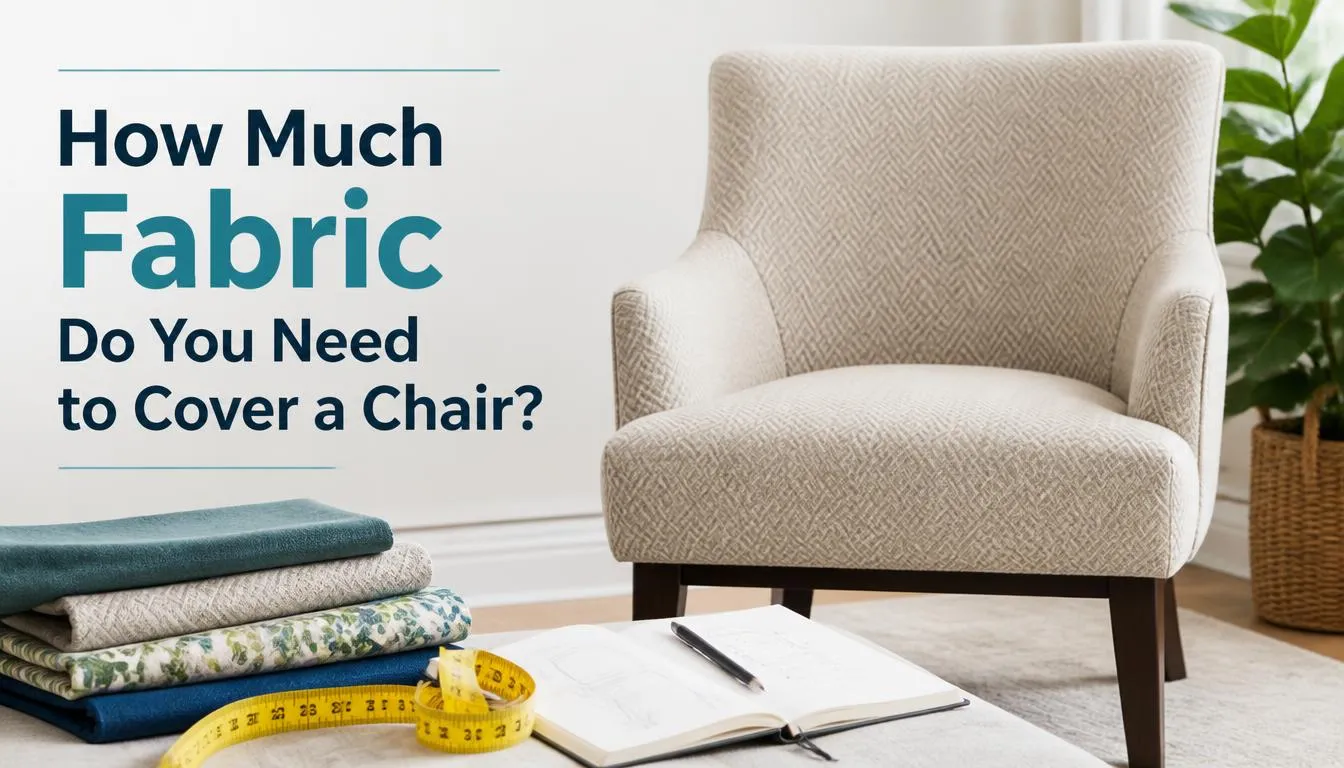
Figuring out how much fabric to cover a chair doesn't have to be a guessing game. Most people pull up tape measures and stare at their chair. They still end up buying the wrong amount because tutorials skip over critical variables.
On average, a standard dining chair needs about 2 to 3 yards of 54-inch-wide fabric for full reupholstery. Armchairs require roughly 4 to 6 yards. Wingback chairs demand 5 to 8 yards depending on back height.
Let's walk through exactly how to figure out your number so you buy once and finish right.
Quick Answer
How much fabric to cover a chair depends on three main factors. Chair size determines base yardage requirements. Fabric width changes how efficiently you cut panels.
Pattern repeat adds extra material for matching designs.
A plain dining chair takes 2 to 3 yards minimum. An armchair needs 4 to 6 yards at standard width. A tall wingback can require 5 to 8 yards.
Patterned fabrics always consume more than solids. Always measure before cutting and add a safety buffer.
Why Calculating Fabric Yardage Feels Impossible (And How to Make It Easy)
You sit down with a beautifully vintage dining chair. Your heart is set on fresh upholstery. You head to the fabric store with excitement.
Then the clerk asks how much you need and you freeze.
That moment is more common than you think. Our research across hundreds of DIY forums shows the same pattern repeating. People either buy too little and ruin projects halfway through.
Or they buy too much and feel guilty about leftover roll sitting unused.
The truth is simpler than marketing makes it seem. Yardage comes down to four core numbers. Chair size.
Fabric width. Pattern complexity. Design details like piping or tufting.
Once you understand how those interact, the math becomes almost mechanical.
Most online calculators give single blanket numbers. That's why they fail you. Your ladder-back dining chair is not the same as a plush wingback.
A striped fabric needs more than a solid weave. These differences matter more than generic rules.
We're going to break this down step by step. You'll learn exactly how to measure your chair, pick the right path, and calculate what you actually need to order. No guesswork.
No wasted trips to the fabric store.
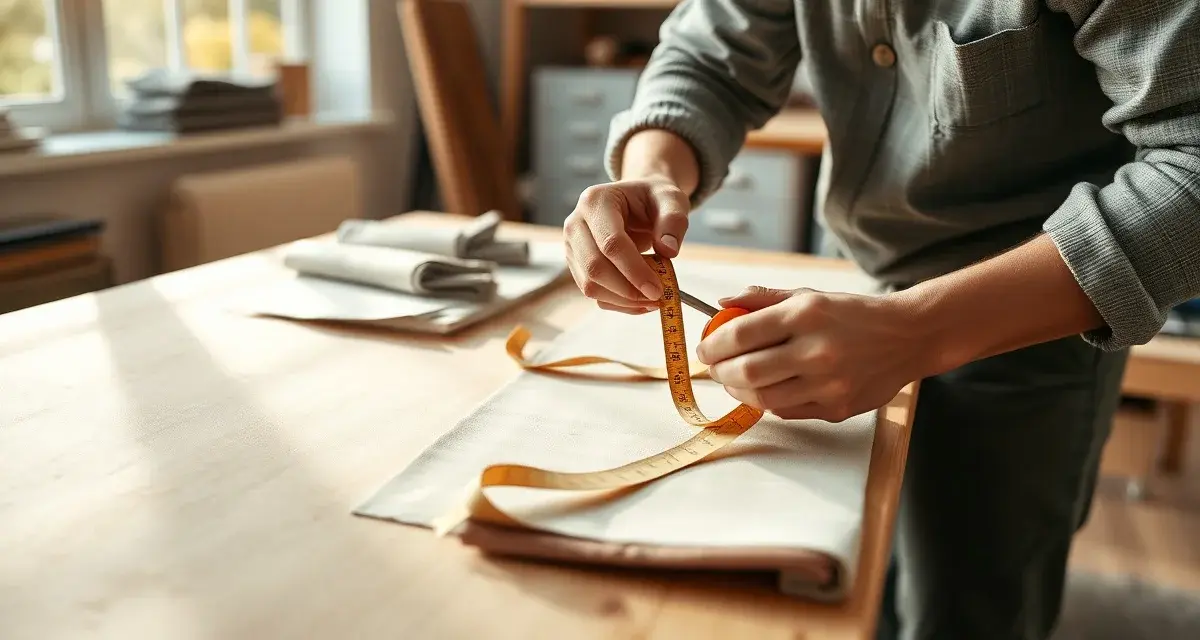
What Kind of Chair Are You Actually Covering?
Not all chairs are created equal when it comes to fabric requirements. Shape, size, and style determine how much surface area you work with. Start by identifying your chair type clearly.
This first decision shapes every calculation that follows.
Dining Chairs and Side Chairs
Dining chairs represent the most common reupholstery project. They typically feature a simple square or round seat with a straight back. Most have no arms, which dramatically reduces fabric needs.
A basic ladder-back or spindle-back chair usually requires just 2 to 3 yards of 54-inch fabric.
Here's why this matters. The seat panel alone often consumes nearly half your total yardage. The back piece follows closely behind.
Some dining chairs include a separate bottom panel you need to factor in too. If yours has a simple flat seat, you might get away with closer to 2 yards. Add cushioning or tufting and that number climbs fast.
Accent Chairs and Armchairs
Armchairs introduce several new complexity factors. Arms require additional fabric panels on both sides. The deeper seat often demands longer cuts.
Width measurements matter more here since wider chairs consume more material across the fabric roll.
A standard armchair typically falls in the 4 to 6 yard range at 54 inches wide. Narrower accent chairs lean toward the lower end. Wider options can push past 6 yards comfortably.
Don't forget that most armchair backs curve or angle differently than flat dining chair backs. That curvature affects how you lay out your fabric pieces.
Wingback and High-Back Chairs
Wingback chairs dominate the higher yardage spectrum. Those tall backs extending well above the seat create large single panels. The signature wings on either side of the top add even more surface area.
Some models feature rolled arms, curved backs, and detailed contours that compound the calculation.
Expect 5 to 8 yards for a typical wingback. A heavily upholstered Victorian-style chair with deep button tufting could approach the upper limit or exceed it. Each design element adds complexity.
Curved edges mean you cannot cut perfect rectangles. You'll need extra to trim and shape around those curves properly.
Slipper Chairs and Slipcovers
Slipper chairs sit between armless side chairs and full armchairs. They're shorter in height and typically narrower than traditional armchairs. Many fall in the 3 to 4 yard range at standard width.
Slipcovers represent a completely different category altogether. These removable covers use different measurement logic than permanent upholstery. You measure the exposed dimensions rather than subtracting hidden frame areas.
Our guide to choosing the right seat height covers similar principles for finding proper fit.
Office and Task Chairs
Office chairs present an unusual challenge for fabric calculations. Most modern office chairs feature mesh, molded plastic, or bonded leather. These materials do not lend themselves to traditional fabric reupholstery.
When someone asks how much fabric to cover a chair in this category, they usually look at partial seat cushions or aftermarket covers rather than full reupholstery.
Fabric-covered task chairs do exist but require careful sourcing. The complex curves and mechanisms make standard upholstery methods impractical for most homeowners. In these cases, replacing original upholstery professionally often costs less than attempting a DIY fabric conversion.
See our ergonomic chair guide for reference on typical office chair construction.
Measuring Your Chair Like a Pro (Not Guessing)
Accurate measurements are the foundation of every successful fabric calculation. Skip this step and everything else falls apart. Professional upholsterers spend more time measuring than anything else.
Here is how they do it systematically.
Essential Tools for Measuring
Grab a flexible tape measure, a notebook, and a pen before you start. Keep a list of your chair's dimensions handy as you work through each section. The repair process for worn materials requires similarly careful measurement techniques for proper replacement.
Measuring the Seat
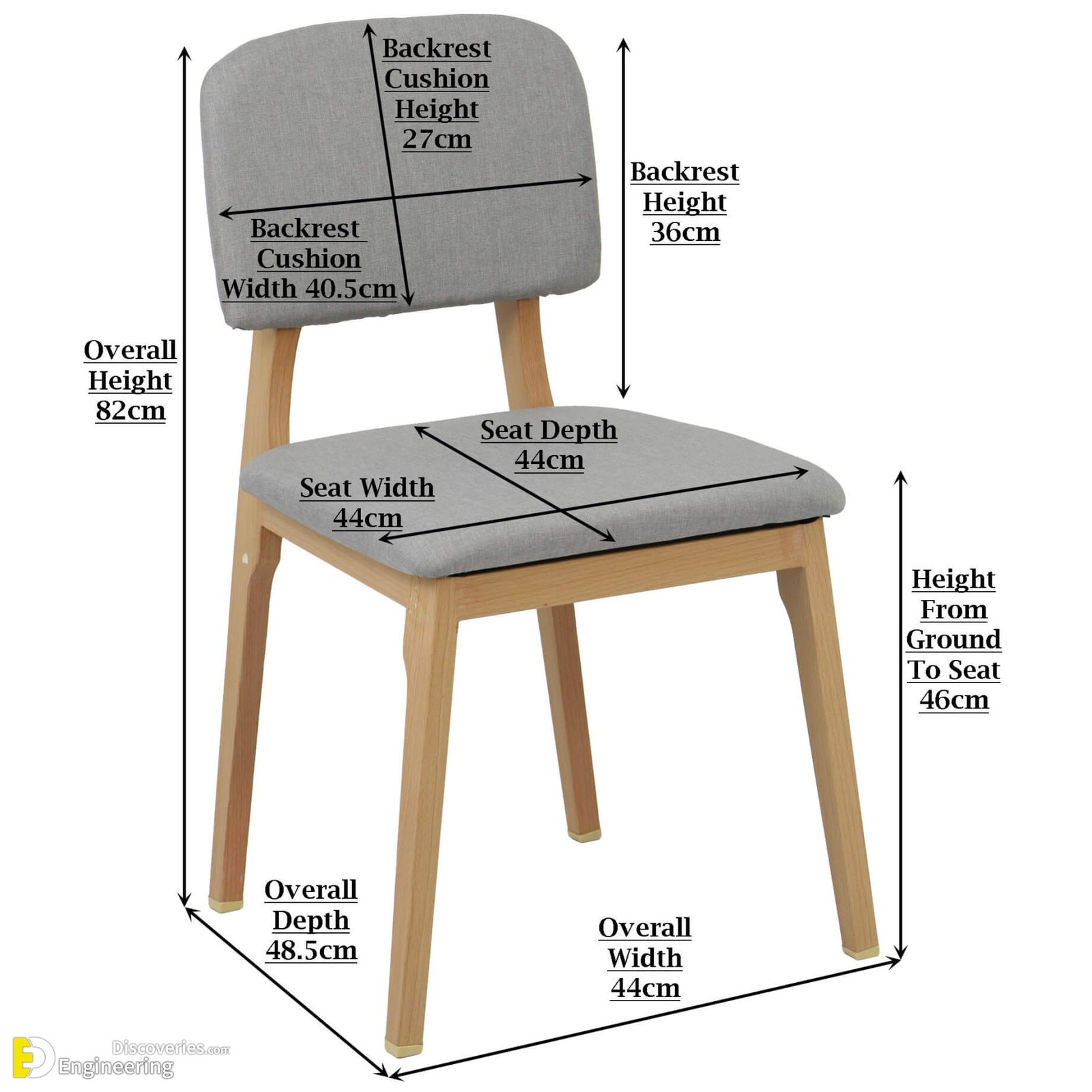
Measure the seat in two directions. First, record the front edge width from left to right. Then measure the depth from the front edge to where the seat meets the back.
These two numbers create your seat panel dimensions.
If your seat is curved or rounded, measure the widest point for width and the deepest point for depth. Add approximately 2 inches to each dimension for seam allowance and tucking room. Seat panels must overlap the frame edges enough to staple securely underneath.
Measuring the Back
Back measurements vary wildly between chair styles. For a flat back panel, measure the full width at the widest point and the full height from seat to top. Include any decorative tops or carved elements in your height measurement.
Those curves consume fabric just like flat panels do.
Curved or arched backs require special attention. Measure along the curve rather than using straight-line distances. Your fabric needs to follow the actual contour.
A straight-line measurement will underestimate your material requirements significantly.
Measuring Arms and Additional Panels
Arms require separate measurements for each side. Record the top surface length, the front facing height, and the outer side panel dimensions. Most armchairs have symmetrical arms, but verify both sides anyway.
Some older chairs wear unevenly or have been modified over time.
Don't overlook the seat bottom panel if you are doing a full reupholstery. This hidden panel protects the interior framing and webbing. Measure the same width and depth as your seat, then add 2 to 3 inches all around for tucking and stapling underneath.
Accounting for Pattern Repeat
Patterned fabrics change your entire measurement approach. Every repeat cycle consumes extra material because you must align patterns across adjacent panels. A 4-inch pattern repeat means you lose 4 inches of usable fabric width for each repeat match.
Large geometric patterns or stripes require even more matching effort. The stripes must flow consistently across seams. This means each panel needs extra width to position correctly.
Vertical patterns on chair backs follow the same rule vertically instead.
For heavily patterned fabrics, always add at least one full pattern repeat to each major panel dimension. Some craftsmen recommend adding two repeats for complicated designs. This ensures comfortable alignment during construction.
Full Reupholstery vs. Slipcover: Which Path Splits Your Yardage?
Your choice between permanent reupholstery and a slipcover fundamentally changes how you calculate fabric needs. Each approach has distinct advantages, costs, and material requirements worth serious consideration.
Full Reupholstery Requirements
Full reupholstery removes all existing fabric down to the bare frame. You rebuild layers using new batting, fabric, and padding where needed. This method delivers the cleanest finish and longest lifespan.
Permanent upholstery consumes significantly more fabric than slipcovers. You account for multiple layers including batting for cushioning. Below that may sit webbing, springs, or old foam requiring coverage and protection.
The dust cover on the underside also uses material, though often scrap pieces.
Expect full reupholstery to use roughly 20 to 30 percent more fabric than a basic slipcover for the same chair. You pay for completeness, durability, and a finished appearance. Professional execution looks distinctly superior to slipcover applications.
Slipcover Requirements
Slipcovers offer remarkable flexibility. You remove them for washing, swap seasonal colors, or take them off entirely when hosting guests. They protect underlying upholstery from daily wear and spills.
A well-made slipcover uses less fabric than full reupholstery. It drapes over existing cushions rather than rebuilding them from scratch. However, tailored slipcovers with zippers, buttons, or fitted hems consume more material than simple drop-on covers.
Skirted slipcovers for dining chairs require an additional panel around the bottom perimeter. That skirt typically adds 1 to 2 yards depending on desired length and fullness. No-skirt versions eliminate this requirement entirely.
Decision Factors Worth Considering
The choice between these approaches depends on several practical considerations. Is the existing upholstery damaged beyond repair, or just tired-looking? Will the chair see heavy daily use or occasional decorative display?
Do you want removable cleaning capability or a permanent finish?
Budget plays a role too. Full reupholstery demands more fabric, more labor, and usually more skill. Slipcovers provide a lower-cost entry point while still refreshing a chair's appearance dramatically.
Consider starting with a slipcover on a challenging project. Commit to full reupholstery later once you understand how the chair wears over time.
The Middle Ground Approach
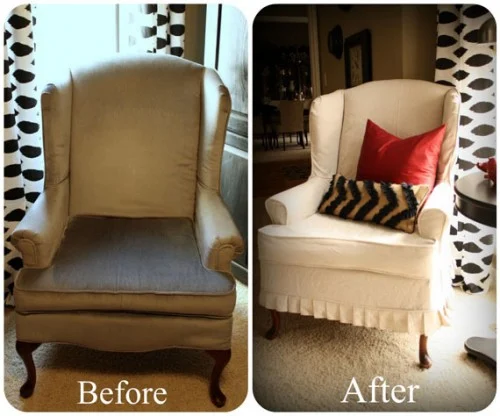
Some homeowners choose partial reupholstery as a compromise. They recover just the seat cushion and back panel. They leave arms, legs, or other elements in their original condition.
This approach reduces fabric consumption while still delivering a striking visual refresh.
Partial projects let you test new fabric colors against existing wood tones or metal finishes. If the combination works, you expand to full coverage later. If not, you have invested far less time and money.
The Three Variables That Change Everything: Fabric Width, Pattern Repeat, and Design Complexity
Three factors consistently trip up first-time fabric buyers. Get these wrong and your yardage calculation becomes unreliable regardless of measurement precision. Understanding these variables gives you control over the entire process.
Fabric Roll Width Matters More Than You Think
Upholstery fabric primarily comes in three standard widths. Narrow fabric measures 44 to 45 inches wide. Standard fabric runs 54 to 55 inches wide.
Wide fabric reaches 80 inches or broader. This specialty width costs significantly more per yard.
Choosing narrow fabric for a large chair forces you to seam multiple panels together. Seams weaken the final result. They add visible lines across broad surfaces.
Most upholsterers strongly prefer 54-inch fabric for residential chairs. It covers more ground per yard of purchase.
Wide fabric eliminates seams for most chairs. But it arrives at premium prices. Sometimes double the cost per linear yard compared to standard width.
Calculate your total expenditure carefully before assuming wider equals better value.
Pattern Repeat Adds Up Quickly
Every patterned fabric contains a repeat measurement. A stripe pattern repeating every 2 inches requires minimal extra material. A bold floral motif repeating every 21 inches demands significant additional yardage.
The repeat distance directly subtracts from your usable fabric width.
Manufacturers publish pattern repeat specifications for most commercial fabrics. Check before purchasing. Ask the store associate for this detail if unclear.
Never assume all prints within a collection share the same repeat measurement.
The general rule is straightforward. Divide your largest panel dimension by the pattern repeat. Round up to the nearest whole number.
Multiply by the repeat length to find how much extra fabric each panel requires for alignment.
Design Complexity Increases Waste
Simple rectangular panels cut efficiently from fabric with minimal waste. Complex shapes involving curves, angles, and tapered sections generate more scraps. Every curve forces you to adjust cutting angles.
This shifts your usable layout.
Tufted or buttoned chairs require extra fabric. Buttons sink below the surface plane. The tension pulls fabric downward, stretching it tighter than flat application would.
This subtle stretch consumes additional material during the stretching and stapling process.
Piping or welting trim adds another consideration. You purchase piping separately by the yard. Standard piping runs about 1 inch when installed.
Multiply total seam length around your chair by piping yardage requirements. A dining chair with piping might need an extra 4 to 8 linear feet of trimming material.
How to Calculate Yardage: The Step-by-Step Math (With Real Examples)
Now that you understand the variables, let's walk through actual calculations. These examples mirror real projects we've analyzed extensively. Follow this same process for your specific chair and fabric situation.
Step One: List All Your Panels
Write down every fabric piece your chair requires. A standard dining chair without arms needs four main pieces. The seat top, the seat bottom, the back panel, and optionally a small lower back panel covering exposed frame.
An armchair multiplies this count significantly. You now need left and right arm tops. Left and right arm fronts.
Left and right arm outsides. Plus the same seat and back pieces. Count carefully.
Missing a single panel leads directly to insufficient fabric orders.
Step Two: Calculate Each Panel Area
Multiply width times height for each rectangular panel. Add your seam allowances to each dimension before calculating. Use these formulas:
- Seat top: width plus 2 inches times depth plus 2 inches
- Seat bottom: width plus 3 inches times depth plus 3 inches
- Back panel: full width times full height plus 1 inch on each side for tucking
- Arm panels: measure individually since each may differ slightly
Record each result in square inches. This intermediate step catches mistakes before they cascade into final calculations.
Step Three: Convert Square Inches to Linear Yardage
This conversion depends on your fabric width. Here's the formula:
Divide total square inches needed by fabric width in inches. The result gives you linear inches of fabric required. Divide that number by 36 to convert to yards.
Always round up to the next quarter yard. Fabric stores sell in quarter-yard increments.
Step Four: Add Pattern Repeat Extras
If your fabric features a pattern repeat, revisit each panel calculation. For every panel, add pattern repeat length vertically if the pattern runs upright on your chair. Add repeat length horizontally if patterns run sideways across wide surfaces.
Sum all these additions to your base yardage. The result represents your minimum purchase quantity before safety margins.
Real Example: A Standard Ladder-Back Dining Chair
Let's work through a complete example. Your ladder-back chair measures 17 inches wide at the seat. It's 18 inches deep with a back panel measuring 17 inches wide by 36 inches tall from seat to top.
Seat top requires 19 by 20 inches equals 380 square inches. Seat bottom needs 20 by 21 inches equals 420 square inches. The back panel calls for 18 by 37 inches equals 666 square inches.
Total comes to approximately 1,466 square inches across all three panels.
Using 54-inch wide fabric, divide 1,466 by 54 to get 27.1 linear inches per panel average. Working panel by panel, your back panel alone requires about 12.3 linear inches of 54-inch fabric when laid efficiently. Adding seat panels and layout efficiency losses brings your total to roughly 2.5 yards minimum.
Round up to 3 yards for comfortable margin.
Real Example: A Wingback Armchair
Wingback chairs transform this simple calculation into something considerably more involved. That same chair measured differently throughout produces dramatically different results. A typical wingback armchair demands between 5 and 8 yards depending on back height, wing size, and arm construction complexity.
Each additional architectural feature multiplies your material needs. Curved tops, rolled arms, and deep tufting all consume more fabric than flat simple surfaces. Always budget generously for ornate designs.
Running short mid-project creates unnecessary stress and expense.
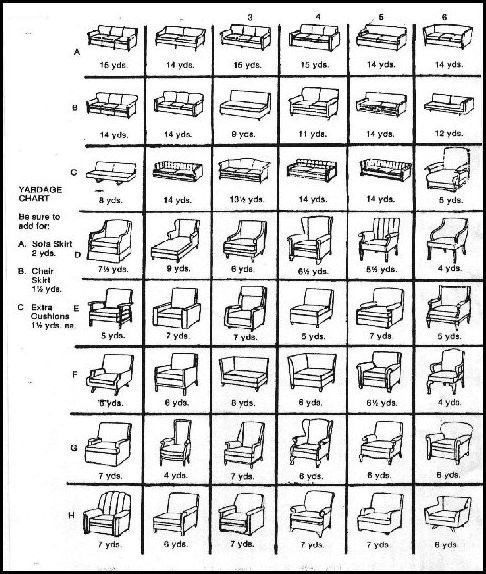
Yardage Cheat Sheet: Common Chair Types at a Glance
Having quick reference data saves enormous time during planning phases. Use this chart as your starting point. Adjust upward based on your specific fabric width and pattern choices.
| Chair Type | Narrow Fabric (44") | Standard Fabric (54") | Wide Fabric (80") | Notes |
|---|---|---|---|---|
| Simple dining chair | 3–4 yards | 2–3 yards | 1.5–2 yards | Flat back, no arms |
| Upholstered dining chair | 3–4.5 yards | 2.5–3.5 yards | 2–2.5 yards | Includes cushioning |
| Slipper chair | 3–4 yards | 2.5–3.5 yards | 2–2.5 yards | Short back, armless |
| Standard armchair | 5–6.5 yards | 4–5.5 yards | 3–4 yards | Medium back height |
| Wingback chair | 7–9 yards | 5–7 yards | 4–5.5 yards | Tall back with wings |
| Recliner | 8–12 yards | 6–9 yards | 5–7 yards | Complex curves |
| Bench (4-seat) | 6–8 yards | 4–6 yards | 3–4.5 yards | Separate back optional |
Adjustments You Should Make
Striped fabrics typically require adding one full pattern repeat per panel dimension. Floral patterns with large motifs demand even more generous additions. Solid colors need zero extra adjustments beyond your basic calculations.
Heavy textural fabrics like thick tweeds or bouclés consume slightly more material. Their thickness reduces how tightly fabric lays during wrapping and stapling. Account for an additional 5 to 10 percent buffer when working with substantial textures.
Natural fiber fabrics like pure cotton and linen shrink noticeably after washing. Pre-wash your fabric before cutting if possible. Most upholstery-weight cotton shrinks between 3 and 5 percent according to textile testing standards.
Polyester blends shrink far less, usually under 1 percent. Factor pre-shrinking into your planning timeline.
Mistakes That Cost You Fabric (and Money)
Even experienced crafters make predictable errors when estimating upholstery fabric. Learning these pitfalls upfront prevents costly mistakes. Most of these mistakes trace directly back to insufficient measurement precision.
Forgetting Seam Allowances Entirely
The most common error newcomers commit involves omitting seam and tuck allowances from calculations. Fabric must wrap around edges and extend beneath frames to staple securely. Without sufficient overlap, your panels cannot attach properly.
Always add at least 1 inch to every edge that wraps around a frame. Add 2 to 3 inches for underside tucking where staples penetrate foam and padding layers. Skipping these allowances guarantees you will fall short no matter how accurately you measured the visible chair surface.
Miscalculating Pattern Match Requirements
Pattern matching mistakes appear everywhere in beginner projects. Stripes run mismatched across seam lines. Floral motifs cut off awkwardly at panel boundaries.
Every misalignment wastes fabric as you trim and reposition pieces to achieve reasonable appearance.
The fix requires patience and deliberate planning. Lay out each patterned panel against its neighbor before cutting anything. Mark alignment points with chalk.
Cut with generous margins, then trim precisely after confirming visual continuity across seams.
Choosing Narrow Fabric for Large Chairs
Purchasing 44-inch fabric for an armchair or wingback sometimes seems economical upfront. Those fabric bolts genuinely cost less per linear yard. But narrow widths force vertical seams running up prominent chair backs and across broad seat surfaces.
Those seams weaken structural integrity. They create visible interruption lines across large display areas. Most upholsterers consider seams on main visibility panels unacceptable for quality work.
Always opt for 54-inch minimum width on anything beyond a tiny child's chair.
Not Checking Fabric Shrinkage Rates
Cotton upholstery fabric arrives often pre-shrunk commercially. But home laundering, steaming, or environmental humidity changes can still trigger noticeable shrinkage after installation. A chair newly recovered in cotton might tighten and pucker months later as fibers contract.
Pre-wash your fabric according to care labels before beginning any project. Iron or steam press flat panels after washing. Document the post-washing dimensions if you notice shrinkage, then adjust your original measurements accordingly.
This single practice prevents dozens of embarrassing post-installation problems.
Pro Tips That Save Yardage Without Sacrificing Quality
Experienced upholsterers know tricks that reduce waste substantially. These techniques come from years of handling fabric economically while maintaining professional-grade results. Applying even a few of these strategies can save you an entire yard or more per project.
Strategic Layout Planning Reduces Waste Dramatically
Lay out your patterned fabric face-up on a large clean surface before cutting anything. Arrange your marked panels strategically to minimize waste between pieces. Match pattern repeats deliberately across related panels rather than treating each piece in isolation.
Grain direction matters enormously for fabric longevity and appearance. Align all panels parallel to the fabric selvage. This prevents twisting and distortion over time.
Take extra planning time here and you will recover it tenfold during actual cutting and sewing.
Buying Extra Prevents Regret
Professional upholsterers routinely add 10 to 15 percent extra fabric beyond calculated requirements. This buffer absorbs unexpected complications like accidental cuts, pattern matching errors, or last-minute dimension corrections during fitting. The extra cost rarely exceeds $20 to $40 at retail fabric prices.
That small investment prevents the nightmare scenario of running two hours into a project only to discover you need another half-yard urgently. Store-bought fabric rarely matches dye lots exactly between purchases. Ordering all required material upfront guarantees color consistency throughout your entire project.
Using Scraps Effectively Eliminates Waste Guilt
Save every usable scrap from your initial cutting phase. Small rectangular pieces work excellently for secondary applications. Seat bolster cushions, hidden reinforcement patches, or smaller decorative projects all benefit from scrap utilization.
One chair's worth of scraps often suffices for reupholstering an ottoman or footstool. Creative reuse of remnants transforms what seemed like waste into additional project value. Keep a dedicated fabric scrap box organized by color and texture.
Future upholstery emergencies become opportunities rather than expensive restarts.
Costs: What You're Really Paying Per Chair
Understanding true project costs goes beyond simple fabric yardage. Material expenses combine with tool investment and potential professional help to create your total budget picture.
Fabric Cost Ranges
As of 2026, upholstery fabric ranges widely by quality tier. Entry-level polyesters and cotton blends run $20 to $40 per yard at retail. Mid-range performance fabrics with stain resistance typically cost $40 to $75 per yard.
Premium designer collections and imported textiles can reach $100 to $200+ per yard.
Performance fabrics represent excellent value for high-use chairs. Brands like Sunbrella offer commercial-grade durability with residential aesthetics. Their technical specifications confirm exceptional colorfastness and abrasion resistance ratings meeting ASTM standards for upholstery applications.
Tool Investment
Basic reupholstery tools include a staple gun, tack remover, seam ripper, fabric scissors, tape measure, and chalk marker. A quality staple gun costs $25 to $60. Tack removers run $8 to $15.
Fabric shears appropriate for upholstery weight cost $20 to $50.
Most tools are one-time purchases serving multiple projects. Factor tool costs into your first project budget, then treat subsequent projects as pure material expenses.
Total Project Budget Estimates
A simple dining chair reupholstered with mid-range fabric runs approximately $80 to $150 in materials. That includes 3 yards of fabric at $35 per yard, batting, and basic notions. An armchair with the same fabric tier costs roughly $150 to $250.
Wingback chairs push into $200 to $350 territory due to increased yardage requirements.
Professional reupholstery services charge $100 to $300 per dining chair depending on regional labor rates and complexity. DIY execution saves that labor cost while requiring patience and careful attention to technique.
Safety Notes: When Professional Help Makes Sense
Certain situations warrant professional assistance regardless of budget constraints. Safety concerns and structural issues transcend simple fabric calculation questions.
Flame Retardancy Requirements
Commercial and public seating must meet flammability standards established by regulatory bodies. The Consumer Product Safety Commission (CPSC) enforces flammability requirements for upholstered furniture sold in the United States. Residential projects rarely face these regulations, but rental properties and short-term accommodations sometimes do.
If your chair serves commercial purposes or operates within regulated spaces, consult local building codes before selecting fabric. Some venues require certificates of compliance for flame-retardant treatments.
Lead and Asbestos Hazards
Vintage chairs manufactured before 1980 may contain lead-based paint on wooden frames. Older foam padding sometimes included asbestos-containing materials in fire-blocking layers. Disturbing these materials during reupholstery poses serious health risks.
If your chair shows signs of age-related deterioration, test suspect materials before beginning work. Hardware stores sell affordable lead test kits. When in doubt about asbestos contamination, hire certified abatement professionals for removal rather than risking exposure.
Structural Integrity Concerns
Chairs with compromised frames, broken joints, or failing spring systems present safety hazards beyond fabric calculations. Stress-bearing components must be repaired or replaced before applying new upholstery. Attempting to cover a structurally unsound chair wastes fabric and money while creating potential injury risks.
Inspect frames thoroughly before purchasing fabric. Address structural repairs first, then recalculate fabric needs accounting for any added padding or reinforcement layers.
Frequently Asked Questions
How do I know if I bought enough fabric?
You know you bought enough fabric when you can layout all pattern pieces with adequate seam allowances before committing to cuts. Always verify your square inch calculations match your linear yardage purchase. When in doubt, order 10 to 15 percent more than your calculated minimum.
Can I use regular clothing fabric for chair upholstery?
Regular clothing fabric lacks the abrasion resistance and weight required for upholstery. Most apparel fabrics measure 8 to 10 ounces per square yard. Proper upholstery fabric starts at 12 to 14 ounces minimum.
Using lightweight fabric leads to premature wear, tearing, and unsightly stretching over time.
How much extra fabric should I buy for patterned materials?
Add at least one full pattern repeat to each panel dimension for striped fabrics. Floral and large-scale prints typically require two complete repeats per panel for comfortable alignment. Check manufacturer specifications before purchasing to confirm exact repeat measurements for your chosen fabric.
What's the difference between upholstery weight and medium weight fabric?
Upholstery weight fabric measures 12 to 22 ounces per square yard and withstands frequent contact and friction. Medium weight fabric ranges from 8 to 12 ounces and suits light-duty applications like throw pillows. Chairs requiring regular sitting demand upholstery-weight materials for longevity.
Should I pre-wash my upholstery fabric before starting?
Natural fiber fabrics like cotton and linen benefit from pre-washing to trigger shrinkage before cutting. Machine wash according to care labels, then dry and press flat. Synthetic blends and performance fabrics typically require no pre-washing.
Pre-shrinking prevents post-installation tightness and puckering.
How do I measure a curved chair back accurately?
Use a flexible tailor's measuring tape to follow actual curves rather than straight-line estimates. Measure along the highest curve from base to top, then separately measure width at the widest point. Record both measurements independently.
Use the larger dimension when calculating panel requirements for curved surfaces.
Final Recommendation: Your Decision Guide Based on Your Situation
Your fabric calculation success depends on matching your approach to your specific circumstances. Simple armless dining chairs with solid fabrics represent beginner-friendly projects requiring basic measurement skills. Complex wingbacks with elaborate piping and patterned fabrics demand advanced planning and potentially professional guidance.
Start with accurate measurements using the systematic approach outlined here. Choose 54-inch wide fabric whenever possible to minimize seams and maximize layout efficiency. Add 10 to 15 percent buffer beyond your calculated minimum for unexpected complications.
Consider your timeline, budget, and skill level honestly. Slipcovers offer reversible transformations with lower commitment. Full reupholstery delivers permanent professional results requiring more investment.
Partial reupholstery provides middle-ground solutions for challenging projects.
Whatever path you choose, accurate measurement remains your strongest guarantee against wasted spending. The difference between buying enough fabric and falling short often separates a satisfying project from a frustrating半途而废. Plan carefully, measure twice, and cut once.