
Are leather sofas cold? At first touch, yes, they often feel cool. That chill fades once your body heat warms the surface.
The bigger question is whether the sofa stays cold while you sit.
Leather upholstery usually runs 1.0 to 1.5 mm thick, and published thermal data puts its conductivity near 0.15 W/mK. That number matters because it explains the quick cool-to-touch feel. Room temperature, humidity, and the finish decide how long that feeling lasts.
Here's how to tell whether your sofa has a real problem or just a cold-room moment.
Are Leather Sofas Cold
Yes, leather sofas often feel cold at first. Leather pulls heat from your skin faster than fabric. That initial chill usually fades within a few minutes.
A cold room makes the effect stronger. Dry, stiff leather can feel colder for longer.
Why Leather Steals Heat From Your Skin (and Why It's Not What You Think)
Leather feels cold because it moves heat away from your skin quickly. That's thermal conductivity at work. The material doesn't create cold.
It drains warmth from your hand and spreads it across the surface.
Our research shows leather sits near 0.15 W/mK in published thermal data. Wool and cotton sit lower, so they trap air and feel warmer on contact. NIST materials data tracks these differences across common materials.
Thermal conductivity vs. what your hands actually feel
Your hand feels temperature, not conductivity. A cool room makes leather read as colder than it is. A warm room can make the same sofa feel neutral within seconds.
The surface finish also changes how fast heat moves.
Aniline, semi-aniline, and pigmented finishes: which surface runs coldest
Pigmented leather often feels coolest at first. The sealed top coat blocks airflow and gives heat nowhere to go but sideways. Aniline leather breathes more, so it can feel less slick and less chilly.
Semi-aniline sits between the two. None of them stay cold once your body heat settles in. That matters if you're weighing a tufted design against a smooth seat.
Is Your Leather Sofa Cold? Run This Quick Room-by-Room Check
Coldness is partly a room problem. Check the space before you blame the sofa. A leather sofa in a 16°C room will feel cold to almost everyone.
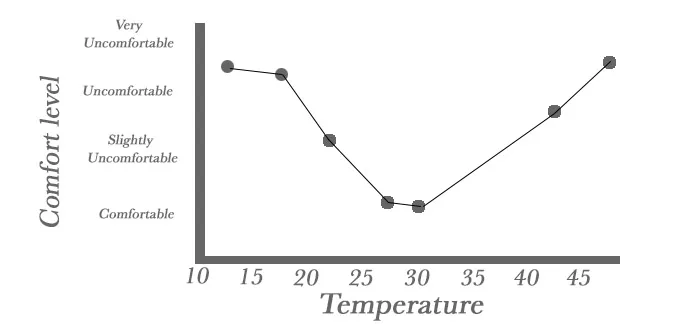
Image source: Wikimedia Commons / Achen1997 (CC BY-SA)
Room temperature and the 20 to 22°C comfort window
Most people settle in when a living room sits between 20 and 22°C. Below 18°C, leather grabs heat from bare skin fast. The U.S.
Department of Energy's home comfort guidance points to steady temperatures, not quick blasts of heat. A stable room helps more than a hot radiator.
Season, humidity, and unheated spaces
Winter air holds less moisture. Dry indoor air makes leather feel slicker and colder. Damp, unheated rooms are worse because the surface stays cool for hours.
If your sofa sits near a window or exterior wall, expect a colder touch.
Your body: circulation, skin type, and how long you sit
Poor circulation makes any surface feel colder. So does low body fat and thin clothing. Short sittings feel chillier than long ones because your body has less time to warm the leather.
If you sink in for a movie, the sofa usually catches up. If you perch for five minutes, it won't.
Check the sofa's position too. A piece that's too big for the room can block airflow. Room layout and sofa size matter more than most buyers expect.
Decision Branch: What to Do About a Cold Leather Sofa
Use this branch test before you shop for fixes. Answer the room question first. Then check the leather.
Then check your own comfort habits.
| Condition | What it means | Next move |
|---|---|---|
| Room below 18°C | The air is the main problem | Raise steady heat, add a rug |
| Leather feels stiff and dry | Surface needs conditioning | Clean, then condition lightly |
| Only bare skin feels cold | Normal contact chill | Add a throw or wear long sleeves |
If the room is simply too cold
Then warm the room, not the sofa. A steady 20 to 22°C beats a space heater aimed at the leather. Heat blasts dry the hide and can crack the finish.
Add a thick rug and move the sofa away from cold walls.
If the leather itself is the problem
Then look at the finish and condition. Bonded leather and heavy pigmented coats feel colder and less breathable. Dry leather loses flexibility and holds a chill longer.
Clean it with a pH-balanced leather cleaner, then use a thin layer of conditioner.
If it's a comfort mismatch rather than a cold sofa
Then change how you use it. A leather sofa is a poor fit for bare-leg lounging in an unheated room. Add a washable throw or a fitted slipcover.
If you want a warmer seat every night, a fabric piece may suit you better. Sofa pricing helps you compare before you switch.
Fix It Without Replacing It: Warmth Upgrades That Actually Work
You don't need a new sofa to fix a cold seat. Most fixes are cheap and reversible. As of 2026, most of these upgrades cost less than a new cushion.
Start with the simplest layer and work upward.
Throws, slipcovers, and cushion layers
A wool or fleece throw blocks direct skin contact. That cuts the initial chill fast. A fitted slipcover changes the whole surface feel, though it hides the leather.
Cushion layers help too, especially on seats you use bare-legged. If you're shopping for a larger piece, buying a leather sectional with a softer finish can reduce the problem.
Leather conditioning and how it changes hand-feel
Conditioner won't turn leather into fabric. It can make dry, stiff hide feel more supple. Softer leather sits closer to your body and warms faster.
Clean first, then apply a thin coat. Buff off the excess. Heavy conditioner attracts dirt and can leave a tacky feel.
Placement, floor rugs, and HVAC airflow
Cold floors pull warmth from the whole seating area. A thick rug under the sofa makes a real difference. Keep vents from blowing directly on the leather.
That dries the surface and creates a draft. Move the sofa a few inches off an exterior wall if condensation is an issue.
If the sofa has deep tufting, tufted sofa upkeep matters more in dry rooms. Dust and dry air make those folds feel colder. A quick vacuum and light conditioning keep the surface even.
Mistakes That Make the Cold Worse
Some fixes make the problem worse instead of better. Here are the ones that come up most often.
Overheating with space heaters and vents
A space heater pointed at a leather sofa feels like a quick fix. It isn't. Direct heat blasts dry the hide.
The surface loses flexibility and holds a chill even harder. Leather needs steady ambient warmth, not a blowtorch aimed at the seat.
Heater vents and AC ducts create the same problem. A constant blast dries the top coat and can crack it over time. Move the sofa a few feet away from any vent.
Let the room warm evenly instead.
Conditioner overuse and silicone-heavy products
Too much conditioner makes leather feel greasy. It attracts dirt and blocks breathability. Silicone-heavy products sit on the surface and make it feel slicker.
That can read as colder, not warmer.
Use a thin coat of a water-based conditioner. Clean the sofa first. Apply the conditioner with a soft cloth.
Buff off the excess. Sofa care guides explain the process for specific designs.
Blaming the leather when it's the room or the frame
Sometimes the sofa is fine. The room is too cold, or the frame blocks airflow. A leather sofa in a 16°C room will feel cold no matter what you do.
Check the space before you blame the upholstery.
A sofa that's too big for the room restricts airflow. Pieces that sit against exterior walls pull heat from the outside. Measure your space before you buy.
Room layout and sofa size guides help you avoid both problems.
Other common errors
Abrasive cleaners strip the hide's natural oils. They leave the surface dry and stiff. Not rotating cushions lets one side wear and feel colder.
Simple habits prevent most of these problems. The American Leather Manufacturers Association recommends pH-balanced cleaners and regular conditioning for longevity.
Leather vs. Fabric vs. Faux Leather: Where Each One Feels Best
The right material depends on your room, your body, and how you use the sofa. Leather, fabric, and faux leather each have strengths. Here's how they stack up on warmth.
| Material | Initial warmth feel | Breathability | Durability | Best for |
|---|---|---|---|---|
| Full-grain leather | Cool at first, warms fast | Moderate | 15-20+ years | Long-term investment, easy cleaning |
| Top-grain leather | Cool at first, warms fast | Moderate | 10-15 years | Most living rooms, balanced feel |
| Bonded leather | Cool, slower to warm | Low | 5-8 years | Budget option, light use |
| Faux leather (vinyl) | Cool, slow to warm | Low | 5-10 years | Pet-friendly, moisture resistance |
| Microfiber fabric | Warm at first | High | 8-12 years | Bare-leg comfort, kids |
| Wool blend | Warm at first | High | 10-15 years | Cold climates, cozy feel |
Fabric wins on first touch. It traps air and feels warmer immediately. Leather loses that battle but makes up for it in durability and easy cleaning.
Faux leather tries to copy real leather but usually falls short on breathability.
If you sit bare-legged in a warm room, fabric feels better. If you want a sofa that survives pets and spills, leather is the pick. A sectional buying guide can help you compare finishes before you commit.
For a balanced choice, modular sofas let you mix materials. You can pair leather arms with fabric cushions for the best of both worlds.
Best For Whom? Who Should Buy Leather Anyway
Leather isn't for everyone. It shines in specific situations. Here's who gets the most out of it.
People in moderate climates love leather. A room that stays between 18 and 24°C makes the initial chill a non-issue. The sofa warms up fast and stays comfortable.
If you want a sofa that survives spills, pets, and daily use, leather wins. Full-grain and top-grain hide last 10 to 20 years with basic care. Fabric shows wear faster and needs more upkeep.
Easy cleaning is another draw. A damp cloth handles most accidents. Sofa care guides explain the details for specific designs.
Who should skip it? People in cold, unheated rooms. Those with circulation issues or sensitive skin.
Anyone on a tight budget who doesn't mind replacing furniture sooner.
A compromise works too. A leather-frame sofa with fabric cushions gives you durability where it matters and warmth where you sit. Living room guides cover these mixed options.
Leather also ages well. A well-kept full-grain sofa develops a patina over years. That character is hard to replicate with fabric or faux alternatives.
The initial coldness becomes a minor quirk in a piece that lasts decades.
Frequently Asked Questions About Cold Leather Sofas
How long does it take for a leather sofa to warm up?
A leather sofa usually feels neutral within 2 to 5 minutes of sitting. The exact time depends on room temperature, leather thickness, and your body heat. In a 20°C room, full-grain leather reaches comfort quickly.
In a 16°C room, it can take 10 minutes or longer.
Can I make my leather sofa feel warmer without buying a new one?
Yes. Add a wool or fleece throw to block direct skin contact. Use a thick rug under the sofa to warm the floor.
Keep the room at a steady 20 to 22°C. A light leather conditioner can make the surface feel more supple. Avoid space heaters aimed at the sofa.
Is faux leather colder than real leather?
Faux leather often feels colder at first. Vinyl and PU coatings trap less air and conduct heat faster. Real leather breathes more and warms up quicker.
However, bonded leather can feel similar to faux leather in cool rooms.
Does leather get cold in winter?
Leather doesn't get cold in the way a metal railing does. It feels cool because it conducts heat away from your skin. In a heated room, a leather sofa stays comfortable year-round.
In an unheated winter room, it will feel chilly until your body warms the surface.
What's the best throw material for a leather sofa?
Wool and alpaca throws work best. They insulate without slipping off the smooth surface. Fleece is a budget-friendly alternative.
Cotton throws breathe but offer less warmth. Avoid heavy knits that pull on the leather when you sit.