What is a three-seater sofa? It sounds simple until you start measuring doorways and comparing cushion counts. Most people assume the label means three adults sit comfortably.
The reality depends on overall width, cushion split, and arm design. A sofa sold as a three-seater can feel roomy or tight depending on those details.
Manufacturer specifications indicate a typical three-seater spans 84 to 96 inches wide with a seat depth of 20 to 24 inches. That range covers everything from compact apartment models to sprawling family room anchors. Knowing where a specific model falls in that spread saves you from a piece that dominates the room or leaves guests shoulder to shoulder.
Let’s break down what the label actually promises.
What Is a Three-Seater Sofa?
A three-seater sofa is an upholstered seating unit designed to accommodate three average adults. The standard width falls between 84 and 96 inches. Seat depth usually measures 20 to 24 inches.
Overall height ranges from 30 to 34 inches. Weight capacity typically reaches 500 pounds total. The frame uses solid wood, engineered wood, or metal.
Cushions come in three separate pieces, two pieces, or a single continuous deck.
How to Identify a Three-Seater by Sight
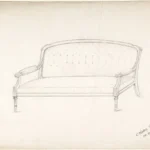
Start with the cushion count. A classic three-seater shows three distinct seat cushions and three matching back cushions. Two-cushion models still qualify if the overall width hits the 84-inch minimum.
Armless or low-arm designs visually stretch the seating line. High rolled arms eat into usable width by several inches each. Check the leg line.
A continuous front rail suggests a single deck. Separate cushion supports often mean individual springs per seat.

Image source: Wikimedia Commons / Anton Friedrich König
Look at the proportion between seat depth and back height. Deep seats with low backs signal a lounge profile. Shallow seats with tall backs read more formal.
The skirt or leg style changes the visual weight. Exposed legs make a piece feel lighter. A full skirt grounds it visually.
Fabric pattern scale matters too. Large repeats can shrink the perceived size. Small patterns or solids keep the eye moving across the full width.
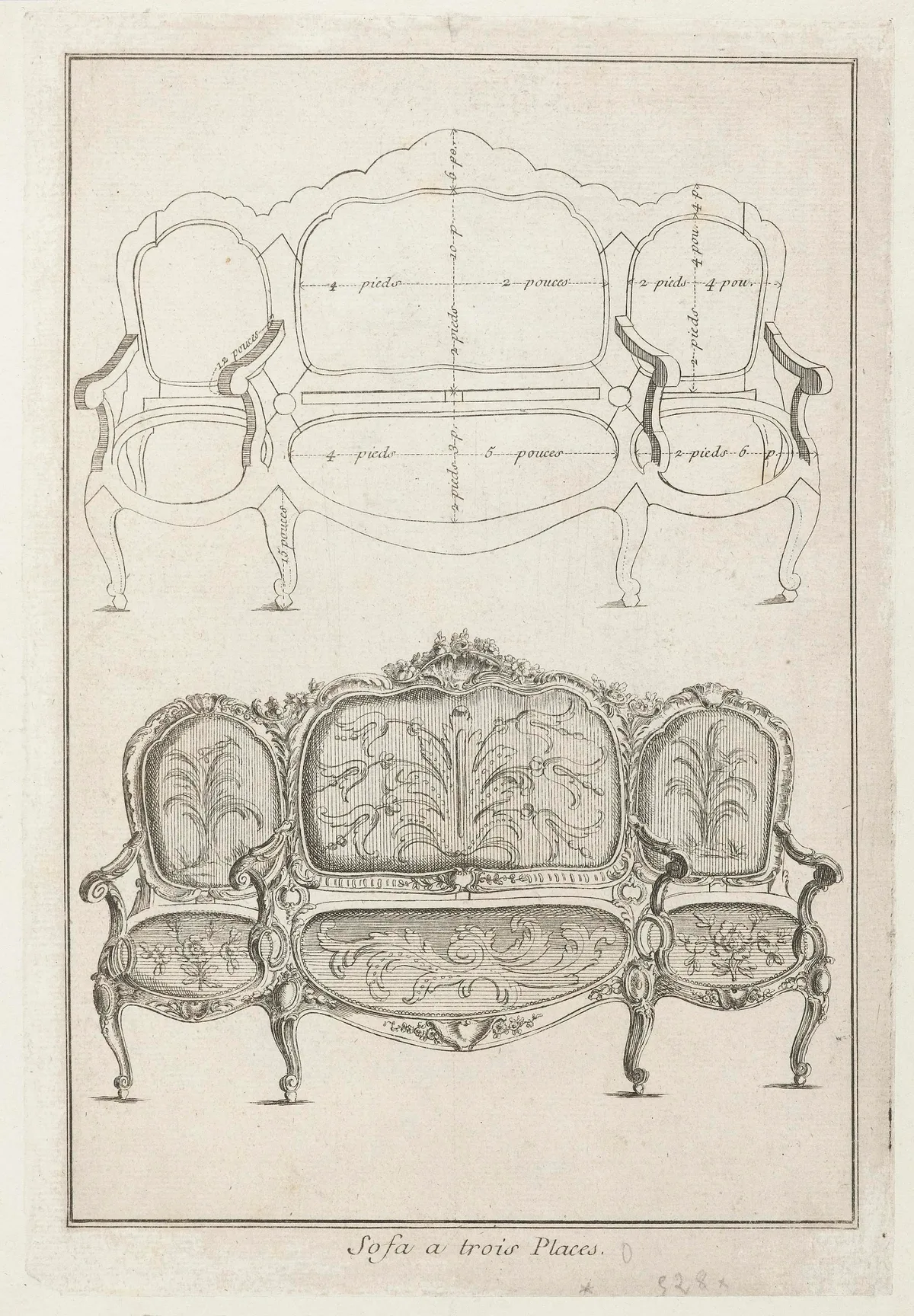
Image source: Openverse / Matthew Liard, English, ca. 1736, 1782
Measure the clear seating width between arms. That number tells the real story. Anything under 72 inches between arms fits two adults comfortably.
Three adults need at least 78 inches of clear width. Sit on it if you can. Feel for a center hump where two cushions meet.
A well-built three-seater uses a center support leg or a continuous spring deck to eliminate that dip. Aggregate reviews report that center support is the top durability complaint on budget models.
Who a Three-Seater Sofa Is Best For
Families of three to four people use a three-seater as the primary living room anchor. It leaves floor space for a coffee table and traffic flow. Couples in apartments appreciate the guest capacity without a sectional footprint.
Empty nesters downsize from larger sectionals to a three-seater for easier cleaning and rearranging. Rental property owners choose them for durability and broad appeal. The standard dimensions guide shows how a three-seater fits most rooms over 12 by 14 feet.
Pet owners should pick tight-weave fabrics or leather. Loose weaves snag claws. Microfiber resists stains and hair.
Households with elderly members benefit from a seat height of 18 to 20 inches and firm cushion foam. That combination eases standing up. First-time buyers get the most seating per dollar compared to a sectional or a sofa plus loveseat pair.
Interior designers often specify a three-seater as the room’s largest piece then layer chairs around it.
Three-Seater Sofa vs. Loveseat, Sectional, and Sofa Bed
A loveseat seats two and runs 60 to 72 inches wide. It works in tight nooks but lacks the third seat. A sectional splits into configurable modules.
You can build a three-seat section plus a chaise. That flexibility costs more and needs more square footage. A sofa bed hides a mattress inside.
The mechanism adds weight and reduces seat depth. The comparison breakdown shows each type’s trade-offs.
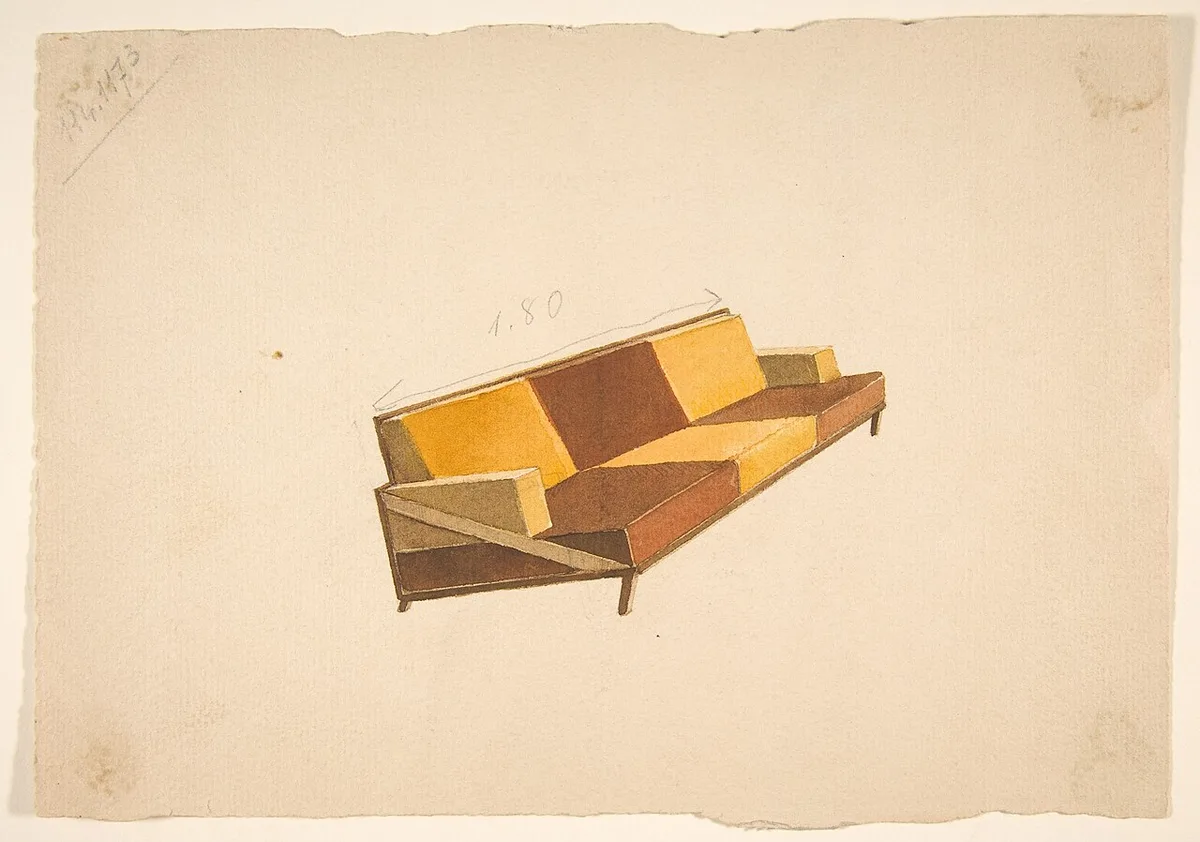
Image source: Wikimedia Commons / Guglielmo Ulrich
Choose a loveseat when the room is under 11 feet wide or when a pair of chairs completes the seating. Pick a sectional for open-plan spaces where you want to define zones. Select a sofa bed only if overnight guests are frequent.
A dedicated three-seater plus a separate air mattress often sleeps better and sits better. Reclining models add mechanical complexity. They suit media rooms more than formal living areas.
How to Measure, Place, and Buy a Three-Seater Sofa
Measure the room’s clear floor area. Subtract 36 inches for each traffic path. The remainder is your maximum sofa footprint.
Measure doorways, hallways, and stair turns. The narrowest point must exceed the sofa’s packed height or depth. Most three-seaters ship with legs off.
That reduces the moving profile by 4 to 6 inches. Moving a big sofa requires at least two people and furniture sliders.
Tape the sofa outline on the floor. Live with it for a day. Check sightlines to the TV, fireplace, and windows.
Ensure side tables have landing space. Order fabric swatches before committing. Test them in your lighting at morning, afternoon, and evening.
Identify the fabric type to match cleaning needs to lifestyle. Confirm the return policy. Many retailers charge restocking fees on upholstered goods.
Schedule delivery for a weekday when you can inspect the frame and cushions before the crew leaves.
Price Range, Materials, and Long-Term Care
You can spend $500 or $3,000 on the same 88-inch footprint. The difference hides under the fabric.
| Price tier | Typical range | What you're really buying |
|---|---|---|
| Budget | $500 to $900 | Engineered wood frame, polyester or microfiber, 1 year warranty |
| Mid-range | $900 to $1,600 | Kiln-dried hardwood frame, foam over fiber fill, 3 year frame warranty |
| Premium | $1,600 to $3,000+ | Hardwood frame, pocketed coils or hand-tied springs, top-grain leather or performance weave |
Frame first, always. Kiln-dried hardwood joints stay square for decades. Stapled engineered corners sag within about five years of daily load.
Ask the retailer for the frame warranty length before you ask about fabric.
Upholstery splits by lifestyle. Performance polyester shrugs off spills in a family room. Linen looks lovely and stains fast.
Top-grain leather ages beautifully but shows cat scratches. Faux leather peels in three to five years on a sunny wall. If a plush pile appeals, check whether the crushed-look trend suits you before committing.
Safety-wise, the Consumer Product Safety Commission sets no federal flammability standard for sofas, so California's TB 117-2013 is the practical benchmark most brands build to as of 2026.
Maintenance is boring and it works:
- Rotate and flip loose cushions monthly so foam wears evenly.
- Vacuum weekly with an upholstery attachment, crevices included.
- Blot spills, don't rub. Rubbing drives stains into the weave.
- Condition leather twice a year.
- Keep the sofa out of direct sun to slow fading and fabric breakdown.
Check frame bolts and leg glides every six months. Tighten anything that wobbles. If storage matters, look at hidden compartments built into the base rather than adding a bulky trunk.
Frequently Asked Questions
Can three adults really sit on a three-seater?
Usually yes, if clear width between the arms hits 78 inches or more. Below that, you get two comfortable seats and a squeezed middle. Cushion split doesn't decide it, usable width does.
Is a three-seater the same as a 3-cushion sofa?
Not always. A three-seater is defined by overall width and rated capacity. Cushion count is a separate choice.
Plenty of two-cushion designs qualify as three-seaters, and some three-cushion models run too narrow.
How long should a three-seater sofa last?
Expect 10 to 15 years with a hardwood frame and decent foam. Budget frames on the same schedule often fail at 5 to 7 years. Frame warranty length predicts lifespan better than fabric claims.
What fabric handles kids and pets best?
Tight-weave performance polyester or a Crypton-style finish. Both release messes with water and a cloth. Skip loose weaves, since claws snag threads and pull loops.
Will a three-seater fit through a standard doorway?
Most will. A 30-inch door clears an 84-inch sofa carried on its end, provided the hallway turning radius allows it. Remove the legs first and measure your tightest corner.