
Finding the best wide seat chairs for comfort isn't just about picking something that fits your frame. It's about understanding what "wide" really means when manufacturers market their products. A seat that measures 22 inches across might feel cramped for someone with broader hips, while a 26-inch seat with a deep cushion could be perfect.
The real difference comes down to three numbers. Seat width, seat depth, and weight capacity. According to BIFMA testing standards, commercial-grade seating must undergo rigorous cycle and load testing before earning certification.
Most residential chairs don't carry that same stamp of approval. That leaves you trusting the manufacturer's word on what the chair can actually handle.
Quick Answer
What are the best wide seat chairs for comfort? They feature seats wider than 24 inches with high-weight capacity frames. Look for high-resilience foam cushions and reinforced hardwood or steel construction.
BIFMA-certified models offer verified durability. Seats between 24 to 28 inches suit most larger adults comfortably.
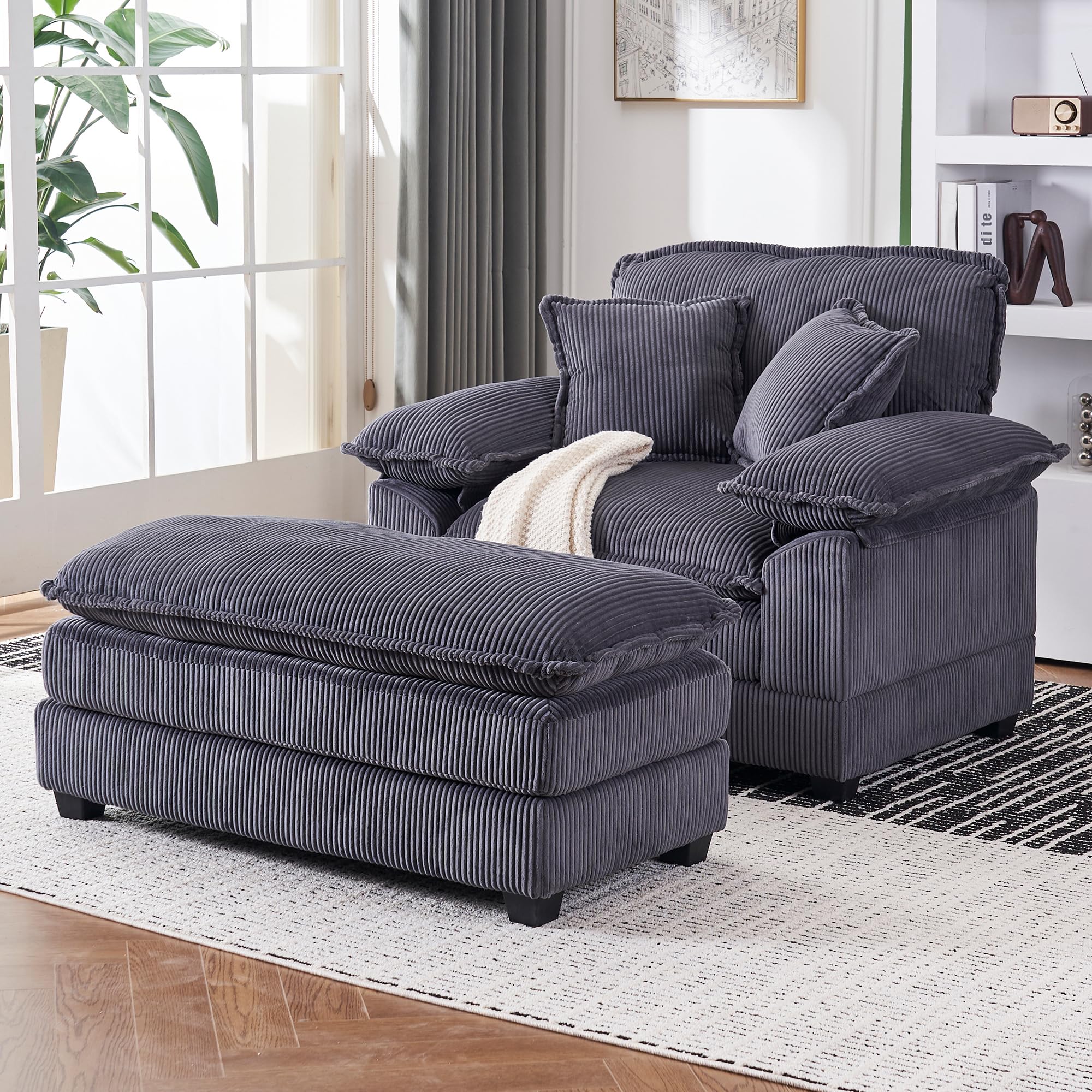
Image source: Bing (Web (fair-use with source credit))
Why Choosing a Wide Seat Chair Is Different Than You Think
Most people walk into a furniture store and grab the widest chair they see. That instinct feels reasonable. But here's what happens when you skip the details.
You end up with a chair that looks spacious but leaves your thighs hanging off the edge. Or worse. You sit for 20 minutes and wake up with numb legs and a sore lower back because the seat depth was wrong.
The problem starts with how loosely the term "wide" is used in marketing. One brand calls a 23-inch seat wide. Another brand labels the same measurement standard.
Some companies market "bariatric" chairs that barely clear 250 pounds. Others build seats to hold 500 pounds with reinforced steel frames. The gap between those two chairs is massive.
It's not just about comfort. It's about whether the chair will survive daily use without creaking, sagging, or tipping.
Your body type changes everything too. A person who is six-foot-four and 300 pounds needs very different dimensions than someone who is five-foot-seven and 260 pounds. The shorter person might actually suffer more on a deep luxury recliner because their feet dangle.
Their knees bend at an awkward angle. Blood flow gets restricted. That taller person needs both width and depth, plus a higher seat to get their legs underneath properly.
Seat depth alone trips up more shoppers than any other factor. When the cushion runs past your thighs by three inches, your calves press against the front edge. After a while, circulation drops.
Your legs go to sleep. You shift around constantly trying to find relief. An ideal seat depth leaves about two inches between the front edge and the back of your knees.
That's roughly four to six inches of thigh support. Everything beyond that becomes a design flaw waiting to happen.
Weight capacity is another area full of smoke and mirrors. Some budget brands list 400-pound ratings on chairs built with particle board frames and thin pine legs. Those chairs won't hold 400 pounds for long.
The joints will loosen. The legs will wobble. The base will crack under repeated stress.
Reliable manufacturers test their chairs well past their rated capacity. They use thicker gauge steel, reinforced corner blocks, and double-stitched seams. You should look for chairs that have been tested at least 1.5 times their stated limit.
Frame material matters far more than upholstery style. A chair wrapped in beautiful leather still won't last if the core structure is softwood or hollow metal tubing. Solid hardwood frames like oak, maple, or walnut hold their shape for decades.
Steel tube frames add rigidity and resist warping. Particle board and MDF fall apart within a few years under heavier loads. You can spot the difference by checking the underside of the chair or asking the seller directly about frame composition.
The psychological factor plays a role too. When you sit in a chair that feels precarious, you tense up. Your shoulders rise toward your ears.
Your lower back hunches forward. Even if the chair technically supports your weight, your body knows something is off. Confidence in your seating changes how comfortable you actually feel.
That's why stability matters as much as softness. A firm, rock-solid chair often beats a plush one that rocks side to side.
What "Wide Seat" Actually Means (And Why It Matters)
Understanding the three core measurements separates shoppers who get lucky from shoppers who buy twice. Each number tells a different story about how the chair will interact with your body throughout the day.
Seat width measures the flat surface from armrest to armrest. Most standard armchairs sit between 20 and 22 inches wide. Anything above 24 inches starts entering wide territory.
Chairs labeled bariatric or oversized typically range from 26 to 30 inches or more. But width alone doesn't guarantee comfort. A 28-inch seat with narrow armrests spaced only 22 inches apart forces your arms inward.
You end up squeezed anyway.
Seat depth runs from the backrest to the front edge of the cushion. This dimension controls how much of your thigh rests on supported surface. Standard dining chairs measure around 17 to 19 inches deep.
Living room chairs push to 20 or 21 inches. Deep seating goes to 23 or 24 inches. The sweet spot depends entirely on your leg length.
As a general rule, you want two to three inches of space between the cushion edge and the back of your knee when seated.
Seat height determines how easily you can get in and out. Lower lounge chairs feel cozy but make standing harder. Higher chairs suit tall people but feel unstable for shorter users.
The average dining chair sits at 18 inches. Living room chairs often run 16 to 17 inches. Recliners and lift chairs can adjust anywhere from 18 to 22 inches.
People recovering from knee or hip surgery benefit enormously from higher seats that reduce the bending required to stand.
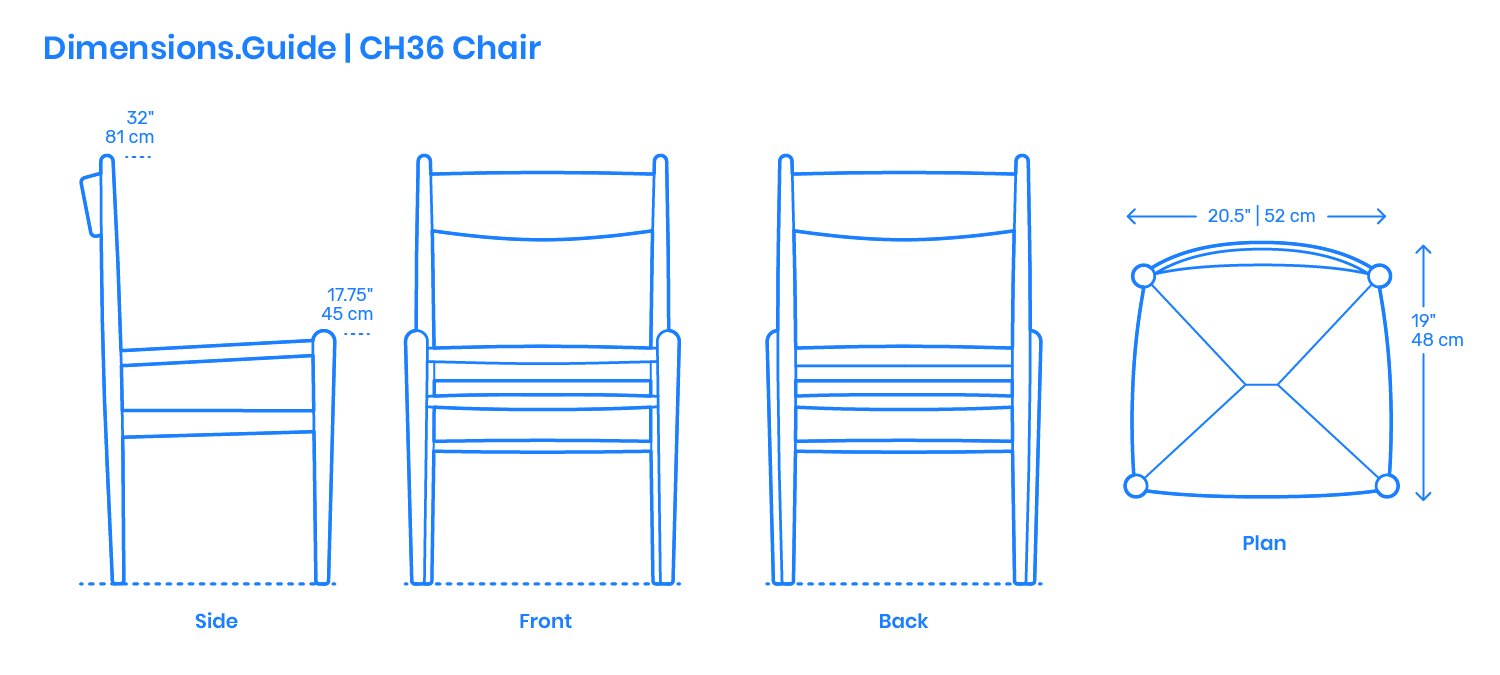
Image source: Bing (Web (fair-use with source credit))
Cushion density deserves its own explanation. Foam density measures how many pounds of material pack into each cubic foot. Low-density foam sits below 1.5 pounds per cubic foot.
It feels soft at first but flattens quickly. Medium-density foam runs 1.5 to 2.0 pounds per cubic foot. It holds shape better and lasts longer.
High-resilience foam reaches 2.0 pounds or above. It returns to form after every sit. Heavy individuals should target at least 1.8 pounds per cubic foot.
Anything softer creates permanent indentations within months.
Armrest width affects shoulder comfort more than people realize. Narrow armrests press into your upper arms and restrict blood flow. Wide-set armrests give your shoulders room to drop naturally.
Some chairs offer removable or flip-up arms for flexibility. If you plan to slide the chair under a desk, slim arms become essential. Fixed wide arms work better for lounging chairs meant to stay in one spot.
Backrest height influences neck and head support. Low backs end around shoulder blade level. Mid backs reach the top of your shoulders.
High backs extend to crown height. If you lean your head back while reading or watching TV, a high back makes a real difference. Standard office chairs usually include headrests.
Accent chairs rarely do. Lift chairs almost always provide full back support with adjustable head rests.
The relationship between these measurements creates the actual comfort equation. A chair with great width but terrible depth fails the tall person. A chair with excellent depth but no lumbar support fails the back-pain sufferer.
The best chairs balance all dimensions together. They account for the way your body settles over hours, not just the first five minutes of sitting.
The Main Types of Wide Seat Chairs You Should Know
Each category serves different purposes and body types. Knowing which category matches your situation saves time and prevents costly returns.
Plus-Size Armchairs
Plus-size armchairs target everyday living room use. They prioritize comfort over function. Most sit between 26 and 30 inches wide with moderate depth options.
Weight capacities typically range from 300 to 400 pounds for quality models. Budget versions may claim higher numbers without the structural backing. Look for chairs with sinuous spring suspension plus thick foam layers.
That combination distributes weight evenly and reduces pressure points.
These chairs come in numerous upholstery styles. Leather provides easy cleaning and cooling in warm climates. Performance fabric resists stains and fading.
Microfiber offers a soft touch that appeals to families. Velvet adds luxury but shows wear faster. Your choice depends on lifestyle, climate, and décor preference rather than structural differences.
Bariatric Recliners
Bariatric recliners represent the heaviest-duty option available for home use. These chairs handle 400 to 600-plus pounds depending on construction quality. They feature extended seat depths, extra-wide cushions, and reinforced steel frames.
Most include push-button recline mechanisms and optional lift functions that tilt the seat forward to assist standing.
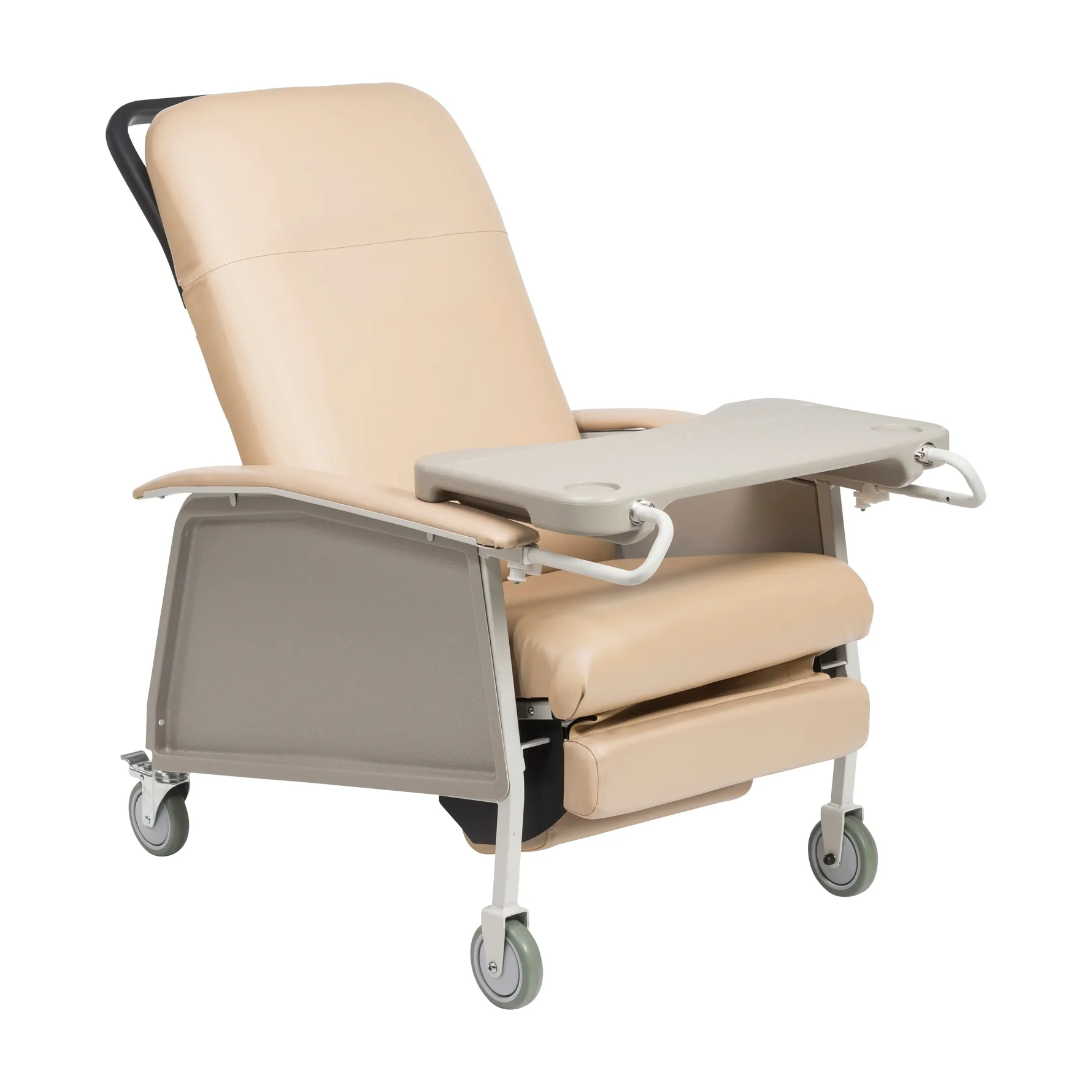
Image source: Bing (Web (fair-use with source credit))
The lift function deserves special attention. Motorized lift chairs raise the entire seat angle to help users stand. They replace the need for arm strength or leg leverage.
That makes them essential for seniors recovering from surgery or managing arthritis. The motors add cost but also add weight to the overall unit. Expect to pay significantly more for a quality lift mechanism compared to a stationary recliner.
Recline range varies by model. Some stop at 135 degrees. Full-flat recliners reach 180 degrees for napping.
Wall-hugger designs require only a few inches of clearance from the wall. Traditional recliners need 10 to 12 inches. Measure your space before choosing.
Oversized Dining Chairs
Oversized dining chairs solve a practical problem most people don't consider until it becomes urgent. Standard dining chairs cap out around 250 pounds. Most host families eventually need seating that accommodates larger guests without embarrassment.
These chairs maintain the formal dining aesthetic while offering 300-plus pound capacity.
Construction differs from living room chairs. Harder cushions suit upright eating positions. Softer cushions slip forward when you lean into a plate.
Wood or metal frames with padded seats strike the right balance. Look for chairs with solid joinery rather than staples and glue alone. Dining chairs face lateral twisting forces during use.
Weak joints fail quickly under that stress.
Heavy-Duty Office and Task Chairs
Office chairs designed for larger bodies combine ergonomic adjustability with structural reinforcement. Seat width typically starts at 22 inches and extends to 28 inches on premium models. Depth adjustment allows customization for different leg lengths.
Weight capacities range from 300 to 500 pounds on quality versions.
These chairs address a specific pain point that living room furniture ignores. Spinal alignment during prolonged sitting. A well-supported office chair can help reduce lower back strain during work hours.
The best heavy-duty task chairs include adjustable lumbar support, seat depth sliders, and adjustable armrests that move up, down, and inward.
Swivel bases with dual-wheel casters suit carpeted and hard floors. Five-star bases distribute weight across five contact points for maximum stability. Cheap chairs use four-point bases that tip more easily.
Tilt tension adjustment lets you customize resistance. Tighter settings suit heavier users who want the chair to hold position. Looser settings allow easier reclining.
Side-by-Side Comparison: Which Chair Type Fits Your Life
Comparing categories side by side reveals which option aligns with your priorities. No single chair excels at everything. Each type trades certain features for others.
| Chair Type | Best For | Typical Weight Capacity | Seat Width Range | Key Strength | Main Limitation |
|---|---|---|---|---|---|
| Plus-Size Armchair | Daily living room lounging | 300 to 400 lbs | 26 to 30 inches | Comfortable cushioning | Limited adjustability |
| Bariatric Recliner | Extended sitting and recovery | 400 to 600+ lbs | 26 to 32 inches | Full body support | Expensive and bulky |
| Oversized Dining Chair | Mealtime hosting | 250 to 350 lbs | 20 to 24 inches | Space efficient | Less padding |
| Heavy-Duty Office Chair | Work-from-home professionals | 300 to 500 lbs | 22 to 28 inches | Ergonomic features | Ugly aesthetic |
The plus-size armchair wins for pure relaxation in a living room setting. You sink in, prop your feet up, and read for hours. The tradeoff is minimal customization.
Armrests stay fixed. Back angle stays fixed. Seat height never changes.
If your body demands specific adjustments, this category frustrates you.
The bariatric recliner dominates when extended comfort matters most. You can recline fully flat. You can elevate your legs.
The lift function transforms independence for anyone with mobility challenges. The cost reflects those capabilities though. Quality models run hundreds of dollars more than comparable armchairs.
Space requirements also increase significantly.
Oversized dining chairs occupy a niche most people overlook until guests arrive and discomfort shows. A chair that visibly strains under a guest's weight sends the wrong message. Properly engineered dining chairs look normal while handling substantially more weight.
The cushioning stays firmer for dining posture. That firmness becomes a liability for lazy weekend lounging.
Heavy-duty office chairs deliver the most precise ergonomic control. Adjustable lumbar support targets your specific spine curve. Seat depth slides accommodate different leg lengths.
Armrests raise and lower to match desk height. The visual compromise is real though. These chairs look like office equipment even in home environments.
They prioritize function over aesthetics.
Who Should Get Which Wide Seat Chair
Matching chair type to your situation eliminates guesswork and ensures the investment pays off. The right chair for your neighbor might be completely wrong for you.
Large-Framed Adults Seeking Daily Comfort
Adults over 250 pounds looking for reliable daily seating benefit most from plus-size armchairs or bariatric recliners. The key is verifying actual seat dimensions rather than relying on product names. Ask for the exact width and depth measurements from the manufacturer.
Compare those numbers against your hip width and thigh length.
You should also verify frame construction before purchasing. Request photos of the chair's underside showing frame joints and leg attachments. Solid wood mortise-and-tenon joints outlast metal brackets screwed into particle board.
Steel tube frames with gusseted corners handle repeated loading better than bent wire solutions. These details rarely appear in online product photos but make enormous differences over years of use.
Seniors Needing Easier Sit-to-Stand Support
Seniors face unique challenges that standard furniture doesn't address. Muscle weakness, joint stiffness, and balance issues make sitting and standing hazardous without proper support. Lift chairs transform independent living by reducing the physical effort required to rise.
The motor raises the seat to a standing-friendly angle. You simply lean forward and step up.
Consider a lift chair that matches your mobility needs and budget. Quality units cost considerably more than basic models but deliver reliability you depend on daily. Motor lifespan matters enormously here.
Cheaper motors fail after two or three years. Premium motors rated for 10,000 cycles last well over a decade with normal use.
Remote control placement affects usability. Some models use handheld remotes that seniors lose frequently. Wall-mounted controls stay in one place but require reaching.
Base-mounted buttons eliminate both problems but force bending to operate. Evaluate which control method matches the user's dexterity and vision.
People Recovering from Surgery or Joint Issues
Post-surgical patients need chairs that support healing positions while minimizing strain on recovering joints. Hip replacement patients benefit from higher seats that reduce hip flexion. Knee surgery patients need firm cushioning that doesn't compress too deeply under surgical limbs.
Both groups benefit from lift-assist features during early recovery phases.
Orthopedic recommendations generally suggest seat heights between 19 and 21 inches for surgical recovery. Anything lower increases the bending angle at the hip and knee beyond safe ranges during initial healing. Back support should remain firm and vertical.
Soft, deep cushions encourage slouching patterns that stress surgical sites.
Physical therapists often recommend chairs with armrests positioned at elbow height. Armrests provide leverage for standing while protecting healing joints from bearing full body weight through the legs alone. Padded armrests prevent pressure sores on sensitive surgical incisions near the shoulders and elbows.
Remote Workers Who Sit 8+ Hours a Day
Remote workers demand the most from their seating because duration multiplies every flaw. A chair uncomfortable for 20 minutes becomes torture at eight hours. Spinal compression, hip tightness, and lower back fatigue accumulate throughout the day.
The wrong chair turns productive work sessions into pain management exercises.
Heavy-duty office chairs with full adjustability serve this population best. Seek models with independent lumbar height and depth adjustment. Your lower back curve varies from person to person.
Fixed lumbar supports hit the wrong spot for many users. Dynamic lumbar systems that move with your spine during posture shifts provide superior long-term comfort.
Thigh support requires particular attention during extended sitting. Seat edges that press into the back of your knees restrict circulation and cause leg fatigue. Look for waterfall-edge cushions that slope downward at the front.
This design maintains circulation while supporting the full thigh length. Waterfall edges also reduce pressure on the perineal region, which affects comfort and health during prolonged sitting.
Hosts Who Want Sturdy Guest Seating
Home hosts face social pressure to provide adequate seating for all guests. Empty chairs or visibly strained furniture create awkward situations. Oversized dining chairs and plus-size armchairs solve both problems while maintaining entertaining aesthetics.
Guests appreciate thoughtful accommodation without drawing attention to adaptations.
Coordinate chair materials with existing dining or living room furniture. Mismatched styles disrupt room harmony even when functionally appropriate. Solid wood frames in matching finishes blend seamlessly with established décor.
Fabric choices should complement rather than compete with room colors. Neutral tones like charcoal, navy, and taupe work universally across décor styles.
Consider stackability if hosting frequency varies. Stackable oversized chairs store efficiently when not in use. Fixed-frame chairs occupy permanent floor space.
Evaluate your hosting patterns before committing to either approach. Regular entertainers benefit from dedicated spacious seating. Occasional hosts gain flexibility from stackable options that disappear into closets.
Price Tiers and What You Actually Get at Each Level
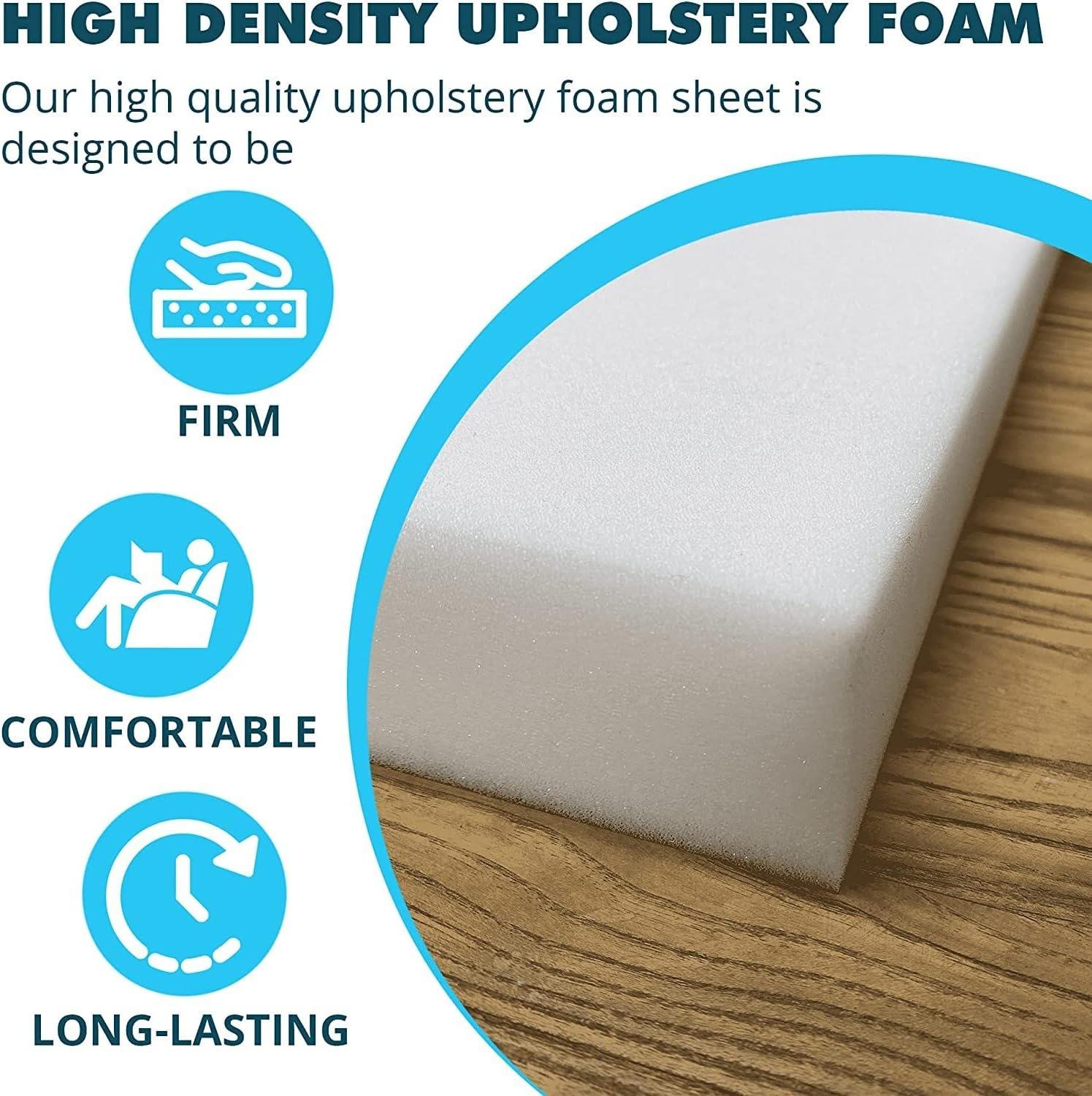
Image source: Bing (Web (fair-use with source credit))
Pricing tells you more about chair quality than most shoppers realize. The cheapest options rarely deliver long-term comfort for larger bodies. The most expensive models sometimes overpromise on features that don't matter.
Understanding what changes at each price point helps you spend wisely without overspending on unnecessary bells and whistles.
Budget ($150–$350): Expect compromises in foam density and frame durability
Budget chairs target price-sensitive buyers who still want wide seating. Most fall in this range with basic construction methods. Frames often combine softwood components with metal brackets.
Particle board appears in seat pans and back supports. Foam density typically measures below 1.5 pounds per cubic foot. These chairs feel comfortable initially but compress noticeably within six to twelve months.
Weight capacity claims in this tier require careful scrutiny. Some manufacturers list 350-pound ratings on chairs built with flimsy leg attachments. That gap between marketing numbers and actual performance creates safety concerns.
A chair that wobbles or creaks under normal use sends a clear signal about its true limits. You can identify weaker construction by checking leg joinery and base hardware during in-store inspections.
Materials in this price range sacrifice longevity for affordability. Polyester fabrics resist staining better than natural fibers but feel less breathable. Thin padding layers conform quickly but lack supporting resistance.
Metal bases may feature powder coating that chips rather than peels. Overall, budget chairs suit occasional guests rather than daily primary seating.
Mid-Range ($350–$800): Solid construction, better materials, real weight ratings
Mid-range chairs represent the value sweet spot for most buyers. Construction quality improves significantly across all critical components. Hardwood frames replace softwood and particle board combinations.
Steel tube reinforcement appears at stress points like leg joints and armrest mounts. Foam density climbs to 1.8 pounds per cubic foot or higher. These specifications translate directly into longer furniture life.
Weight capacity ratings become more trustworthy in this tier. Manufacturers invest in proper testing before advertising higher numbers. Chairs carrying 400-pound ratings usually demonstrate that capability through visible construction reinforcement.
Leg thickness increases. Base plates widen. Hardware upgrades from standard screws to bolts with locking nuts.
These details matter enormously when evaluating long-term durability.
Upholstery selections expand considerably. Performance fabrics with stain resistance become available. Genuine leather options appear alongside synthetic alternatives.
Multiple color choices let buyers coordinate with existing décor. Seat cushion construction often combines multiple foam layers for targeted support. Lumbar zones receive firmer material while thigh areas stay slightly softer.
This zoning technique addresses different pressure requirements across body contact points.
Warranty coverage strengthens proportionally with price increases. One-year limited warranties become two-to-three-year standards. Frame warranties extend to five years on quality mid-range models.
Fabric warranty coverage ranges from one to three years depending on manufacturer confidence. Return policies also improve, giving buyers more flexibility to test chairs at home before committing.
Premium ($800+): Commercial-grade frames, high-resilience foam, long warranties
Premium chairs justify their cost through commercial-grade construction and extensive features. Frames use kiln-dried hardwood with reinforced corner blocking and double-welded steel joints. High-resilience foam reaches 2.0 pounds per cubic foot minimum.
Some models incorporate gel-infused memory foam for temperature regulation. Materials selected here prioritize decades-long performance over budget compromises.
Weight capacities reach genuinely impressive levels at this price point. Quality bariatric recliners routinely handle 500 to 600 pounds. Frame engineering distributes loads across multiple contact points rather than concentrating stress on single joints.
Base designs accommodate heavier users without sacrificing stability on carpet or hard floors. These chairs feel fundamentally different under body weight because the engineering supports rather than merely contains.
Adjustability features proliferate throughout premium models. Recline tension adjusts independently of lift function. Lumbar support changes height and depth separately.
Armrests move in four or more dimensions. Headrests angle and extend for neck support customization. These adjustments address individual body variations that off-the-shelf designs ignore.
The investment pays dividends through personalized comfort.
Commercial certifications appear more frequently in premium pricing tiers. BIFMA certification signals independent testing verification. UL listing confirms electrical safety for powered features.
Greenguard certification verifies low chemical emissions from foams and fabrics. These third-party validations provide assurance beyond manufacturer claims alone.
Safety Standards and Certifications to Look For
Safety ratings separate reliable furniture from risky purchases. Without independent verification, you rely entirely on manufacturer honesty regarding weight limits and structural integrity. Knowing which certifications matter protects you from buying furniture that fails under normal use.
BIFMA Testing and Commercial Durability Ratings
BIFMA (Business + Institutional Furniture Manufacturers Association) establishes voluntary standards for commercial seating durability and safety. Their testing protocols include cycle testing, structural load testing, and stability analysis. Chairs earning BIFMA certification undergo rigorous evaluation well beyond residential requirements.
BIFMA cycle testing simulates years of use in compressed timeframes. Seats receive repeated loading cycles equivalent to thousands of sitting events. Frames endure lateral force testing to verify tip-over resistance.
Casters and mechanisms undergo repeated operation checks. Pass rates indicate genuine engineering quality rather than marketing exaggeration.
Look for BIFMA logos on product labels or specification sheets. Reputable manufacturers display certification information prominently. Companies unwilling to share testing documentation raise red flags about their quality standards.
Ask specifically whether a chair meets BIFMA X5.1 standards for general seating or BIFMA X5.4 for task chair requirements.
UL Listing for Reclining and Swivel Mechanisms
UL (Underwriters Laboratories) certification covers electrical safety for motorized features. Lift chairs, power recliners, and electronic adjustment systems require UL listing to ensure wiring and motors meet fire and shock prevention standards. These components operate near the human body continuously during use.
Electrical failures pose serious injury risks.
Verify UL marks on control boxes, motors, and power supplies. The marking should include a recognizable UL logo followed by a file number. Counterfeit markings sometimes appear on cheap imports attempting to mimic legitimate certification.
Check the UL Online Credentials Directory to confirm authenticity when uncertain.
Manual reclining mechanisms carry different safety expectations. Mechanical linkages must demonstrate smooth operation without pinching hazards. Gas lift cylinders in office chairs require specific pressure testing.
Cheap gas lifts can fail catastrophically, causing the seat to drop suddenly or refuse to lock at selected heights.
Fire Retardancy Standards (Cal 117 and Beyond)
Fire safety standards protect occupants from upholstery ignition sources. California Technical Bulletin 117 (Cal 117) establishes flammability requirements for upholstered furniture sold in California. While technically a state regulation, many manufacturers adopt Cal 117 compliance nationwide for consistency.
Cal 117 tests require foam cores to resist ignition from small flame sources like cigarettes and candles. Covers must meet similar flame resistance requirements. Foams treated with flame retardant chemicals raise environmental and health questions.
Newer standards focus on barrier materials rather than chemical treatments.
Federal standards also apply to upholstered furniture across all states. 16 CFR Part 1630 establishes general flammability requirements. These baseline standards prevent obviously dangerous products from reaching consumers. Quality manufacturers exceed minimum requirements rather than barely meeting them.
Manufacturer Load-Test Documentation
Reputable manufacturers provide load-test documentation for heavy-duty chairs. This information often appears on request rather than in marketing materials. Request test reports showing static load capacity, dynamic cycling results, and tip-over force measurements.
Transparent companies welcome these inquiries.
Test results should demonstrate capacity well above stated ratings. A chair rated for 400 pounds should withstand at least 600 pounds without permanent deformation or failure. Safety factors between 1.5 and 2.0 times rated capacity indicate responsible engineering practices.
Third-party testing lab reports carry more credibility than in-house manufacturer tests. Organizations like SGS, Intertek, and TÜV provide independent verification services. Products tested by these labs demonstrate commitment to documented safety standards.
Look for test reports mentioning specific standards like BIFMA, ANSI, or ISO classifications.
Common Mistakes People Make When Buying Wide Chairs
Shoppers repeatedly make the same errors that lead to regrettable purchases. Recognizing these pitfalls helps you avoid them through informed decision-making. Most mistakes stem from rushing decisions rather than gathering sufficient information before buying.
Assuming "Wide" Marketing Equals Real Extra Width
Marketing departments craft appealing descriptors without technical precision. Terms like "wide," "oversized," and "plus-size" lack standardized definitions. One brand calls 23 inches wide.
Another uses the same label for 26 inches. The inconsistency confuses shoppers who cannot compare options objectively.
Always verify actual seat dimensions before purchasing. Product descriptions should list precise width and depth measurements in inches. If specifications remain vague or absent, request them directly from customer service.
Written confirmation protects against miscommunication during returns or exchanges.
Ignoring Seat Depth and Backrest Height
Seat depth receives less attention than width despite equal importance. Deep seats cause thigh pressure and restricted circulation. Shallow seats leave thighs unsupported.
Neither extreme delivers comfort during extended sitting periods. Match seat depth to your inseam measurement for optimal support.
Backrest height affects neck and head support availability. Low backs require separate pillows for neck comfort. High backs integrate support directly into chair design.
Tall users particularly benefit from extra backrest height. Average-height users often overlook this dimension until trying chairs with insufficient coverage.
Overlooking Doorway and Staircase Clearance
Massive chairs create delivery problems if rooms remain inaccessible. Wide seats combined with bulky armrests frequently exceed standard doorway widths. Staircase turns complicate matters further.
Measuring entry points prevents embarrassing situations where chairs arrive but cannot enter living spaces.
Standard doorways measure 30 to 32 inches clear. Add three to four inches of clearance for comfortable passage. Most oversized chairs require doorways at least 34 inches wide.
Staircase landings need consideration too. Corner turns on stairs demand additional width for chair rotation during carrying.
Measure stair widths at their narrowest points. Landing platforms should accommodate chair rotation without forcing awkward positioning. Elevator access eliminates staircase concerns entirely.
Apartment buildings with elevator service simplify delivery considerably.
Skipping Foam Density and Frame Material Checks
Visible upholstery hides critical internal construction quality. Soft foam feels plush initially but permanently compresses under body weight. Cheap frames warp under repeated stress cycles.
Both failures occur gradually, making immediate complaints difficult. Long-term satisfaction depends entirely on internal component quality.
Request foam density specifications from manufacturers. Numbers below 1.5 pounds per cubic foot signal potential durability issues. Medium-density foams around 1.8 pounds offer reasonable longevity.
High-resilience foams exceeding 2.0 pounds provide maximum compression resistance.
Frame material identification requires asking directly. Hardwood species like oak, maple, and birch resist warping and joint failure. Softwoods like pine accept heavier loads temporarily but deform over time.
Metal frames should specify gauge thickness. Thicker steel resists bending and fatigue better than thin tubing.
Believing Inflated Weight Capacity Claims Without Proof
Weight capacity numbers mean little without verification. Some manufacturers inflate ratings to capture larger buyer segments. A chair claiming 500-pound capacity might actually fail around 300 pounds under sustained loading.
Empty promises create dangerous situations when users trust unchecked specifications.
Look for chairs testing beyond advertised ratings. Safety margins between tested limits and labeled capacity indicate honest engineering. Chairs tested at 1.5 times rated capacity demonstrate confidence in structural integrity.
Claims lacking any test documentation warrant skepticism regardless of attractive numbers.
Customer reviews sometimes reveal actual capacity limitations. Buyers occasionally mention chairs struggling under weights near rated maximums. Reviews describing wobble, creaking, or joint separation signal inadequate construction for claimed capacities.
Aggregate review analysis provides real-world validation beyond marketing materials.
How to Maintain Your Wide Seat Chair for Years of Comfort
Proper maintenance extends chair lifespan dramatically while preserving comfort characteristics. Most wear problems result from neglect rather than normal aging. Simple routines prevent costly replacements down the line.
Cushion Flipping and Rotating Routine
Cushion rotation redistributes compression wear evenly across foam surfaces. Flipping cushions every few weeks prevents permanent indentations forming in sitting positions. High-resilience foam recovers reasonably well from regular compression.
Low-density foam develops permanent depressions quickly without rotation.
Mark cushion positions with removable labels or fabric markers. Clear orientation guides simplify rotation procedures. Rotate cushions quarterly for moderate-use chairs.
Monthly rotation suits daily-use chairs receiving constant loading. More frequent rotation maximizes cushion lifespan considerably.
Seat bases benefit from occasional lifting and repositioning too. Chairs rest unevenly on carpeted floors over time. Lifting and rotating entire chairs prevents permanent floor indentation.
Carpet pile compression creates sinking spots that affect chair stability.
Fabric Cleaning and Stain Prevention Tips
Fabric maintenance depends heavily on material type. Performance polyester accepts most cleaning solutions without damage. Genuine leather requires specialized conditioners to prevent cracking.
Microfiber responds well to gentle brushing and mild detergent solutions.
Immediate stain treatment prevents permanent absorption. Blot spills rather than rubbing to avoid spreading contaminants deeper into fabric. Cleaning solutions should match fabric manufacturer recommendations.
Using incorrect cleaners damages protective coatings and accelerates aging.
UV protection matters for chairs near windows. Sunlight fades fabrics and breaks down foam cell structure over time. Rearranging chair positions periodically exposes different fabric areas equally.
Window film installation reduces UV penetration without blocking natural light completely.
Hardware Tightening and Mechanism Lubrication
Mechanical components loosen naturally through vibration and thermal expansion cycles. Regular inspection catches problems before they escalate into safety issues. Check all visible fasteners quarterly for tightness.
Loose screws and bolts compromise structural integrity gradually.
Moving parts benefit from periodic lubrication. Reclining mechanisms, lift motors, and swivel bases require appropriate lubricants. Silicone spray works well for most metal-on-metal contacts.
Grease suits heavier mechanical joints承受ing greater loads. Avoid WD-40 as a lubricant since it attracts dust and debris over time.
Motorized components deserve special attention. Lift chair motors accumulate dust inside housing vents. Compressed air cleaning removes debris without disassembly.
Motor failure often traces to overheating from blocked ventilation pathways.
When to Replace Foam vs. Repair Upholstery
Foam replacement costs less than full reupholstering in most cases. Compressed foam creates permanent comfort loss regardless of fabric condition. New cushion inserts restore original support characteristics without replacing entire chair structures.
Local upholsterers typically perform foam replacement services. They remove existing fabric, cut new foam to specifications, and reinstall covering materials. Costs vary based on fabric selection and regional labor rates.
DIY replacement requires sewing skills and appropriate tools.
Upholstery repair becomes worthwhile when damage remains localized. Small tears and burns affect limited fabric areas. Matching replacement fabric proves challenging for discontinued patterns.
Professional repairs using inconspicuous locations sometimes produce acceptable results despite visible mending.
Expert Tips for Finding Your Perfect Fit
Expert guidance separates informed shoppers from overwhelmed buyers. These practical strategies help you evaluate chairs systematically rather than relying on impulse decisions.
Measure Your Hips, Thighs, and Shoulder Width First
Body measurements predict chair comfort far better than guessing from clothing sizes. Hip width determines minimum seat width requirements. Thigh length establishes necessary seat depth.
Shoulder breadth influences armrest spacing preferences.
Use a flexible measuring tape for accurate body dimensions. Stand naturally while measuring hip circumference at widest point. Measure thigh length from knee bend to hip joint while seated.
Record shoulder width from acromion point to acromion point across upper back. Compare these numbers against chair specifications before purchasing.
Test Sit for 15 Minutes Before You Commit
Quick sitting tests miss problems appearing only after sustained pressure application. Fifteen minutes minimum sitting reveals circulation restrictions, pressure points, and postural strain. Try various sitting positions including crossed legs and forward-leaning postures.
Bring reading materials or phones to simulate realistic usage scenarios. Check how armrests interact with typical activities. Evaluate back support adequacy during different posture changes.
Notice any numbness developing in legs or feet during extended testing periods.
Store policies vary considerably regarding sit testing. Some retailers encourage thorough evaluations. Others restrict testing to quick glances.
Call ahead confirming sit-test availability before visiting stores.
Choose Armrests That Don't Crowb Your Shoulders
Armrest placement directly affects shoulder comfort and arm circulation. Narrow armrest间距 forces shoulders inward, creating upper back tension. Wide armrest spacing allows natural shoulder positioning.
Armrest width itself matters too. Narrow pads concentrate pressure on forearm edges.
Test armrest height relative to desk or table surfaces. Aligned armrests support forearms comfortably during work activities. Misaligned heights force shoulder elevation or elbow hanging, both causing fatigue over time.
Flip-up armrests provide seating flexibility when desk clearance matters. Standard fixed arms limit chair placement options near tables and consoles. Consider your primary chair locations when selecting armrest types.
Prioritize Firm Support Over Soft Sink-Feel
Soft cushions create immediate pleasure but abandon support eventually. Firm cushions feel rigid initially but maintain posture alignment consistently. Long-term comfort favors firmness over sinking luxury.
High-density foam provides firm yet responsive support. Memory foam conforms closely but lacks inherent structural rigidity. Combination designs place firmer foam beneath softer top layers for optimal balance.
Pure soft foam regardless of material type compresses permanently under sustained heavy loads.
Check Return Policies and Warranty Terms
Return policies protect against incorrect sizing selections. Generous return windows allow extended home testing beyond store evaluations. Restocking fees sometimes apply to returned furniture.
Factor these costs into total purchase calculations.
Warranty terms reveal manufacturer confidence in product durability. Longer frame warranties indicate structural quality assurances. Fabric warranty coverage varies widely.
Understand what each warranty covers and excludes before purchasing.
Some manufacturers require registration for warranty activation. Complete registration promptly after delivery. Lost registration documentation complicates warranty claims later.
Keep purchase receipts and warranty cards in organized file storage.
Mistakes to Avoid / Common Errors
Mistakes compound quickly when shopping for specialized seating. Recognizing pitfalls before encountering them saves time, money, and frustration throughout the buying journey.
Not Verifying Actual Dimensions Against Body Measurements
Product photos obscure real size differences between similarly styled chairs. One brand's wide chair fits differently than another's despite matching visual appearances. Relying on subjective impressions leads to incorrect sizing assumptions.
Always cross-reference listed dimensions against your body measurements. Subtract one to two inches from hip width for comfortable seat width allowance. Add two to three inches to thigh length for appropriate seat depth.
These calculations prevent ordering chairs fitting nobody comfortably.
Overlooking Weight Distribution Dynamics
Static weight capacity ignores dynamic loading during movement. Getting up from chairs creates momentary forces exceeding body weight. Reclining mechanisms transfer load through different frame areas than stationary sitting positions.
Chairs handling static weight well sometimes fail during dynamic use. Leg joints experience different stress patterns during rising motions. Base stability changes when weight shifts during recline transitions.
Consider your typical usage patterns when evaluating structural adequacy.
Assuming All Wide Chairs Feel Identical
Manufacturing variations create significant comfort differences between similarly labeled chairs. Frame construction methods differ considerably between brands. Foam formulations vary across suppliers.
Upholstery stretching techniques affect final seat dimensions unpredictably.
Physical inspection remains essential despite growing online shopping trends. Sitting in identical-looking chairs side by side reveals unmistakable comfort distinctions. Store comparisons help calibrate expectations for online purchasing decisions.
Neglecting Maintenance Requirements
Chair maintenance demands change over ownership lifetime. Initial comfort degrades without proper care routines. Fabric deterioration accelerates without cleaning.
Mechanical components fail prematurely without lubrication.
Establish maintenance schedules matching your usage intensity. Daily-use chairs require monthly inspections. Occasional-use chairs need seasonal checks.
Consistent maintenance prevents small problems becoming expensive replacements.
Rushing Decisions Under Sales Pressure
Sales environments create artificial urgency that clouds judgment. Limited-time offers and floor demonstrations pressure quick commitments. Genuine research benefits from unhurried comparison shopping across multiple vendors.
Take measurements home and compare specifications objectively. Research warranty terms and return policies thoroughly. Read customer reviews focusing on long-term durability reports rather than first-impression excitement.
Patient decision-making produces better outcomes than rushed purchases.
Costs / Pricing / Data / Specs
Understanding pricing structures helps set realistic expectations before shopping begins. Cost factors influence which features become available at different budget levels.
Typical Price Ranges by Category
Plus-size armchairs start around $200 for basic models. Quality versions with hardwood frames and medium-density foam run $400 to $700. Premium options with designer upholstery and extensive adjustability exceed $1,000 easily.
Bariatric recliners command higher prices due to reinforced construction and motorized features. Entry-level lift chairs begin near $500. Quality units with reliable motors and substantial weight ratings run $800 to $1,500.
Full-flat recliners with advanced features reach $2,000 or more.
Oversized dining chairs range from $150 to $400 per piece. Bulk purchasing discounts sometimes apply for complete set acquisitions. Matching end tables and coordinating furniture increase overall costs significantly.
Heavy-duty office chairs span $300 to $1,200 depending on ergonomic feature complexity. Basic wide-task chairs provide essential adjustability affordably. Premium models with comprehensive customization options justify higher prices through extended comfort during demanding work sessions.
Key Specifications to Compare
Seat width ranges from 24 to 32 inches across quality wide chairs. Depth measurements typically span 20 to 24 inches. Height variations cover 16 to 22 inches depending on chair category and intended use.
Weight capacities vary enormously from 250 to 600+ pounds. Higher ratings generally correlate with sturdier construction and more durable components capable of sustaining prolonged use without structural degradation.
Cushion thickness runs 4 to 8 inches depending on design philosophy. Thicker cushions feel plusher but may compress excessively under heavy loads. Optimal thickness balances comfort with structural support requirements.
Frame materials range from softwood to hardwood to steel constructions. Hardwood and steel dominate quality wide chair production. Particle board and MDF appear primarily in budget options lacking durability guarantees.
Upholstery selections include polyester blends, genuine leather, synthetic leather, microfiber, and performance fabrics. Material choice affects maintenance requirements, climate suitability, and aesthetic compatibility with surrounding décor.
Additional Costs to Budget For
Delivery charges sometimes exceed $100 for oversized furniture items. White-glove delivery services include assembly and placement for additional fees. Self-assembly instructions accompany most pre-assembled chairs requiring minimal tool participation.
Protective covers cost $30 to $100 depending on size and material quality. Covers protect upholstery from spills, pet damage, and UV fading during summer months. Proper coverage extends fabric appearance considerably.
Replacement cushions run $100 to $300 individually. Complete reupholstery services range $300 to $800 depending on fabric complexity and labor rates. Budget annual maintenance costs roughly 10% of initial purchase price for expected upkeep.
Real Scenarios / Case Examples
Real-world situations illustrate how different chairs serve distinct needs effectively. Understanding these examples helps you match your situation to appropriate chair categories confidently.
Scenario 1: Mike, 6'2", 310 lbs, Work-from-Home Engineer
Mike spends ten hours daily at his computer desk. Standard office chairs caused chronic lower back pain within weeks. His solution involved switching to a heavy-duty ergonomic chair with 26-inch seat width, adjustable lumbar support, and 400-pound capacity rating.
The adjustable seat depth accommodated his longer legs perfectly. Waterfall edge cushion prevented circulation restriction during extended coding sessions. Armrests positioned correctly at desk height eliminated shoulder strain.
Within two weeks, his back pain decreased significantly.
Mike chose a chair with five-year frame warranty and three-year mechanism warranty. Those terms provided confidence his investment would last beyond typical office chair lifespans. Total cost reached $650, substantially cheaper than medical treatments he previously required.
Scenario 2: Eleanor, 5'4", 245 lbs, Recent Hip Replacement Patient
Eleanor needed temporary seating supporting recovery precautions after hip surgery. Her surgeon recommended avoiding angles below 90 degrees during hip flexion. Standard living room chairs forced uncomfortable bending during sitting and standing.
A bariatric lift chair proved ideal for her rehabilitation period. Motorized elevation raised seat position automatically when she pressed a button. The lift angle reduced hip flexion requirements dramatically during standing transitions.
Physical therapists praised the chair's role in her recovery progress.
Eleanor used the lift chair for eight weeks post-surgery. After her therapist cleared unrestricted movement, she transitioned to a regular plus-size armchair. The lift chair sold secondhand at fair value, recovering most of her initial $900 investment.
Scenario 3: The Johnson Family Hosting Holiday Gatherings
The Johnson family regularly hosted extended holiday meals. Their dining room accommodated twelve guests comfortably until relatives with larger bodies arrived. Standard dining chairs proved inadequate for several family members.
Oversized dining chairs solved the problem elegantly. Four additional chairs matched existing furniture style while accommodating guests up to 350 pounds comfortably. The chairs stacked neatly against walls when not in use, preserving dining room flexibility for smaller gatherings.
Total investment reached $1,200 for four coordinating chairs. The family appreciated having permanent seating solutions rather than borrowing uncomfortable folding chairs from friends. Guest feedback consistently praised the thoughtful accommodation.
FAQs
How wide does a seat need to be for plus-size comfort?
Seats measuring 24 inches wide minimum provide comfortable accommodation for most plus-size adults. Ideal width ranges between 26 and 28 inches depending on individual hip measurements. Adding one to two inches beyond hip width ensures adequate breathing room without excessive empty space feeling unstable.
What weight capacity should I look for as a large adult?
Quality chairs should support at least 100 pounds above your body weight for safe margins. A 250-pound person should seek chairs rated 350 pounds minimum. Higher ratings indicate stronger frame construction and more durable components capable of sustaining prolonged use without structural degradation.
Can a wide chair actually help my back pain?
Properly designed wide chairs with firm lumbar support reduce back strain significantly. Adequate seat width prevents leg dangling positions compressing lower spine. Correct seat depth maintains natural spinal curvature without pressure point creation.
Ergonomic features enhance benefits substantially compared to standard seating alternatives.
Are leather or fabric better for hot climates?
Fabric chairs breathe considerably better than leather in warm environments. Natural fibers like cotton and linen maximize airflow during extended sitting. Leather traps heat against skin surfaces, creating discomfort during summer months.
Synthetic leather performs similarly poorly for temperature regulation.
How do I know if a chair will fit through my door?
Measure doorway widths before purchasing oversized furniture. Most standard doors provide 30 to 32 inches clear opening. Add three inches clearance for comfortable maneuvering.
Wide chairs often require 34-inch minimum openings for successful delivery without stairway navigation complications.
What is the average lifespan of a quality wide chair?
Well-constructed wide chairs typically last seven to fifteen years with proper maintenance. Budget models depreciate faster, averaging three to five years before noticeable comfort decline. Premium bariatric chairs with commercial-grade frames occasionally exceed twenty years of reliable service when cared for appropriately.
Do I need special cushions for wide chairs?
Standard chair cushions fit most wide seat configurations without modification. Specialty cushions address specific comfort needs like tailbone relief or extra lumbar support. Pre-existing back conditions may warrant therapeutic cushion investments beyond basic chair specifications.
How do I clean upholstered wide chairs effectively?
Vacuuming weekly removes surface dirt preventing fabric abrasion. Spot cleaning spills immediately avoids stain setting. Professional upholstery cleaning annually maintains fabric appearance and hygiene.
Following manufacturer care instructions preserves warranty coverage throughout ownership lifetime.
Final Recommendation: Our Decision Guide for Picking the Right Chair
Choosing the right wide seat chair requires balancing body measurements, usage patterns, and budget constraints systematically. No single chair satisfies every need perfectly. Matching chair characteristics to your specific situation produces optimal comfort outcomes.
Match Your Body Measurements to Seat Dimensions
Start with accurate hip and thigh measurements taken against standing mirror reflections. Compare these numbers against advertised seat width and depth specifications. Subtract one inch from hip measurement for comfortable seat width minimum.
Add two inches to thigh length for appropriate seat depth.
Verify seat height compatibility with your leg length. Feet should rest flat on floors without dangling when seated properly. Knee angles should approximate 90-degree positioning for optimal circulation.
Adjustments become necessary if standard heights prove incompatible with your proportions.
Align Chair Type with Your Primary Use Case
Living room relaxation suits plus-size armchairs with generous cushioning. Extended sitting requiring positional changes benefits from bariatric recliner features. Formal dining occasions demand oversized dining chairs maintaining aesthetic coordination.
Home office productivity requires ergonomic office chair adjustability addressing spinal alignment needs.
Consider multi-purpose usage patterns when selecting chair categories. Hosts entertaining regularly should prioritize guest accommodation across size variations. Individuals using chairs exclusively for personal daily activities gain more from personalized comfort optimization than versatile multi-use solutions.
Invest in Quality Where It Matters Most
Frame construction deserves priority investment over superficial aesthetics. Solid hardwood or steel frames outlast particle board combinations decades earlier. Reinforced joint construction prevents progressive loosening under repeated loading cycles.
Internal component quality determines functional lifespan far more than exterior appearance quality.
Foam density represents second-priority investment area. High-resilience foam maintaining shape over years justifies higher upfront costs through extended comfort preservation. Cheap foam compressing permanently within months creates false economy costing more through premature replacement purchases.
Avoid Cheapest Options If You Sit Daily or Exceed 250 Pounds
Budget chairs fail disproportionately under regular heavy use conditions. Construction shortcuts creating low prices manifest as comfort degradation and structural failure over time. The additional investment in quality construction pays dividends through extended service life and continued comfort satisfaction.
Occasional guest seating justifies budget purchases more readily than daily primary seating applications. Chairs serving infrequent visitors face minimal cumulative stress compared to daily loaded utilization patterns. Match purchase decisions to actual usage intensity expectations realistically.
Trust Certifications and Real Reviews Over Marketing Buzzwords
Independent testing certifications provide objective quality verification beyond promotional claims. BIFMA, UL, and manufacturer test reports offer documented performance evidence supporting marketing assertions. Third-party validation carries more credibility than manufacturer-only quality statements.
Customer review aggregation reveals actual long-term performance patterns unavailable from specification sheets alone. Focus reviews discussing durability, comfort persistence, and construction quality rather than unverified first-impression comments. Patterns emerging across numerous reviews indicate reliable quality characteristics worth prioritizing during selection processes.