How long should an office chair last? The answer hinges on build quality, daily hours of use, and your body weight. A basic $150 chair may fall apart within two years of daily use.
A well-built $800 ergonomic chair can easily serve you for ten years or more.
Per ANSI/BIFMA X5.1 standards, commercial office chairs must pass rigorous cycle tests that simulate years of real-world stress. Those tests reveal which chairs will hold up and which will fail early. Knowing what drives chair lifespan, and what voids warranties, helps you spend smarter and protect your spine.
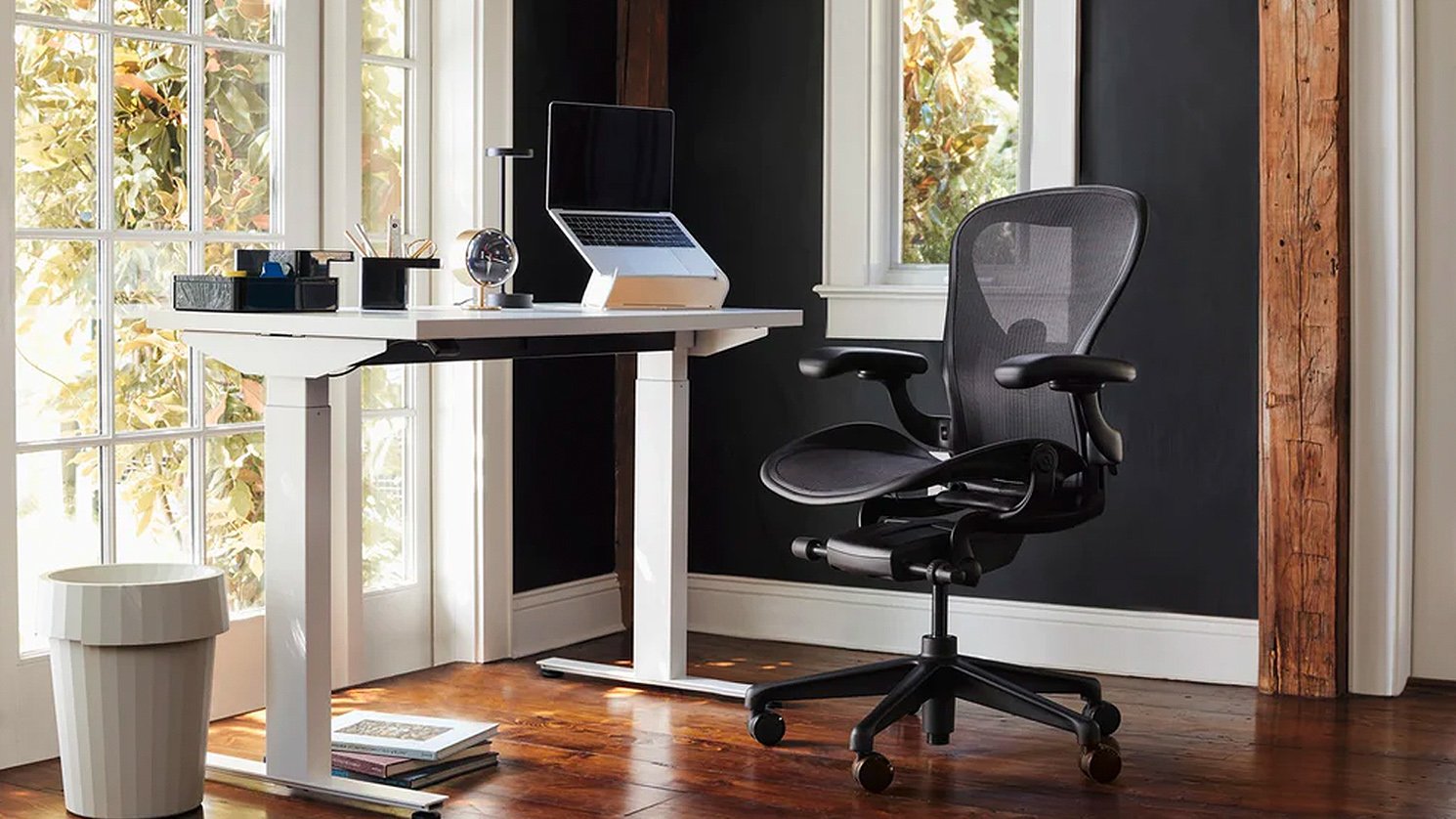
Image source: Bing (Web (fair-use with source credit))
Quick Answer
how long should an office chair last depends on its build quality and how you use it. Budget chairs last two to five years. Mid-range chairs hold up for five to ten years.
Premium chairs can last twelve to fifteen years or more. Warranty length is one indicator but not the whole story. The three biggest factors are foam density, gas lift classification, and daily hours of use.
Lifespan by Price Tier: Budget, Mid-Range, and Premium Chairs
The single biggest predictor of chair longevity is how much you paid, and why. Price tiers exist because manufacturers use dramatically different materials, engineering tolerances, and component sources at each level. You pay more upfront for better polyurethane foam, heavier-gauge steel frames, and Class 5 gas lifts instead of unbranded cylinders.
Here is what you can realistically expect from each tier.
Budget Chairs ($100–$300): What to Expect
Budget office chairs dominate Amazon listings, warehouse clubs, and big-box retail floors. They look decent in photos. They feel fine after one week.
Within months, most users notice the seat cushion softening into a flat disc. Armrest padding cracks or peels. Castors stop rolling smoothly or leave marks on hard floors.
The tilt mechanism develops a sloppy play that never goes away.
Manufacturer specifications for budget chairs rarely disclose foam density. Industry data shows most chairs under $300 use polyurethane foam below 1.8 pounds per cubic foot. Foam below that threshold loses resilience rapidly under constant compressive load.
If you sit eight or more hours per day, that seat pan will flatten noticeably within one to two years. Bonded leather upholstery cracks within eighteen months in warm environments. Mesh backs on budget models often lack tension adjustment and will stretch out permanently.
The typical budget chair lifespan sits at two to five years. With light daily use, say two to three hours on weekdays, some budget chairs stretch toward the five-year mark. With heavy use, eight to ten hours daily in a hot room, expect the three-year ceiling.
You should check price guides for various chair types when deciding whether replacement makes sense.
If you must buy budget, prioritize a chair with a warranty of at least two full years. That signals the manufacturer expects the core mechanisms to survive beyond sixty days. Look for castors rated for your flooring type.
Avoid bonded leather entirely, it always cracks. Explore the best cheap office chairs if you are working with a tight budget but still need reliable daily support.
Mid-Range Chairs ($300–$700): The Sweet Spot
This is where most smart buyers land. Mid-range chairs hit a practical balance: durable components without the brand-name premium. You get high-density foam at or above 2.0 pounds per cubic foot, Class 4 gas lifts, functional synchro-tilt mechanisms, and armrests that actually adjust in three dimensions.
Mesh backs include tension controls so you can tighten them as the material naturally relaxes over time.
Aggregate reviews from verified purchasers consistently report five to eight years of reliable daily use from mid-range chairs. A few models from established brands push past ten years with regular maintenance. Seat cushions retain shape far longer than budget alternatives.
Armrest pads resist wear. Castors roll quietly and don't mar floors. The tilt mechanism stays tight without developing lateral wobble.
Mid-range chairs represent the strongest value-to-lifespan ratio for most people. If your job requires four to eight hours of seated work per day, this is the tier where you should focus your search. You also might want to explore top-rated desk chairs for models that fit within this range and still deliver solid ergonomics.
A word of caution: not every chair priced between $300 and $700 deserves the mid-range label. Some manufacturers inflate prices with marketing language while cutting hidden corners on foam density and cylinder quality. Always verify the specs before purchasing.
Request the foam density number. Confirm the gas lift is Class 4 or higher. Check what the warranty covers and for how long.
Premium Chairs ($700+): When It Pays to Invest
Premium chairs come from manufacturers with decades of ergonomics research behind them. Think Herman Miller, Steelcase, Haworth, Humanscale, and Okamura. These companies engineer chairs to meet and exceed BIFMA durability standards.
Their foam formulations resist permanent compression set for well over a decade. Their gas lifts are Class 5, double-chambered designs tested far beyond typical workplace demands. Their mechanisms feel buttery smooth and stay smooth.
The typical premium chair lifespan runs ten to fifteen years. Many owners push theirs past fifteen years with periodic part replacements. Herman Miller chairs famously carry twelve-year warranties that cover every mechanical component, including the suspension mesh and casters in some models.
Steelcase offers ten-year warranties with extensive parts coverage. These warranties reflect genuine engineering confidence, not marketing spin.
Cost-per-year calculations make premium chairs economically defensible for power users. A $1,200 chair lasting fifteen years costs approximately $80 per year. A $200 budget chair lasting three years costs roughly $67 per year.
On paper, the budget chair looks cheaper. But the budget chair delivers uncomfortable, poorly supportive seating for most of those three years. The premium chair provides consistent ergonomic support from day one to year fifteen.
People searching for the best office chairs for long periods of sitting often find that investing in a premium model pays off over time.
Premium chairs also retain resale value remarkably well. A well-maintained Herman Miller Aeron resells for 40 to 60 percent of its original price on secondary markets. A Steelcase Leap holds similar value.
Budget chairs typically sell for under $30 regardless of condition. If you plan to upgrade in five or six years, a premium chair effectively costs less than its sticker price suggests.
| Feature | Budget Tier | Mid-Range Tier | Premium Tier |
|---|---|---|---|
| Typical Lifespan | 2–5 years | 5–10 years | 10–15+ years |
| Foam Density | Below 1.8 lb/ft3 | At or above 2.0 lb/ft3 | Premium high-resilience blends |
| Gas Cylinder Class | Class 3 or unclassified | Class 4 | Class 5 |
| Tilt Mechanism | Basic tilt, minimal adjustability | Multi-function synchro-tilt | Full adjustability, multi-position locks |
| Armrest Adjustability | Fixed or basic 2D | 3D to 4D adjustable | Fully adjustable, durable cushioning |
| Typical Warranty | 1–5 years | 5–10 years | 10–12 years or lifetime |
| Resale Value | Minimal (under $30) | Moderate (20–40%) | Strong (40–60%) |
| Best For | Occasional/light use | Daily 4–8 hour users | Power users, heavy-weight, tall users |
What Actually Determines How Long Your Chair Lasts
You could spend a thousand dollars on a chair and still be sitting on a disappointment in three years. Conversely, a six-hundred-dollar mid-range chair might carry you comfortably through a decade of daily use. The difference comes down to four specific variables.
Get these wrong and your chair dies early. Get them right and you get maximum life from every dollar spent.
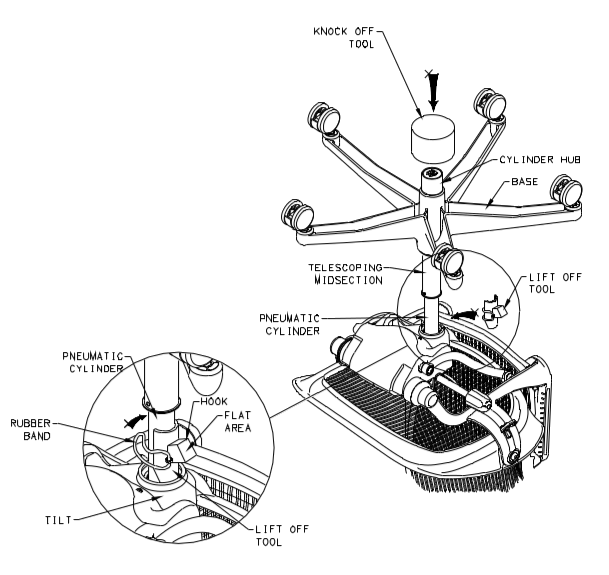
Image source: Bing (Web (fair-use with source credit))
Usage Intensity and Daily Hours
Hours seated per day is the single most powerful variable in chair degradation. Every hour you spend in a chair applies continuous compressive force to the seat foam, the lumbar support, and the mechanisms that hold everything together. Foam fatigues faster under repeated loading cycles.
Bolts and plastic joints experience micro-stress with every weight shift, lean-back, and reposition.
If you sit fewer than two hours per day, even a budget chair will likely serve you adequately for four to five years. If you sit eight to ten hours per day, every component experiences five to ten times the wear of occasional use. Foam bottoms out faster.
Castor wheels flatten quicker. The gas cylinder endures constant pressure variations from hourly height adjustments. Mesh backrests stretch permanently under sustained body weight.
Daily hours also interact with sitting posture. Slouchers and recliners place asymmetric loads on the chair structure. Leaning heavily on one armrest puts sideways stress on a joint not designed for it.
Shifting constantly from upright to fully reclined engages the tilt mechanism far more often than someone who locks it in one position. Your habits matter almost as much as your budget.
Your Weight and Chair Rating
Every office chair carries a published weight capacity. That number is not a suggestion. It is the maximum safe operating limit set by the manufacturer after structural testing.
Exceed it and you accelerate wear on every component.
Most standard office chairs are rated for 250 to 300 pounds. Heavy-duty models extend to 350, 400, or even 500 pounds. If you weigh 240 pounds and sit in a chair rated for 250 pounds, you are operating near the engineering limit every single hour.
The foam compresses harder. The frame flexes more. The gas cylinder works at maximum pressure.
This does not mean the chair will catastrophically fail. It means the degradation timeline shortens significantly compared to a 170-pound user in the same chair.
Always choose a chair with a weight capacity at least twenty pounds above your body weight. That margin gives the frame, foam, and cylinder breathing room. Oversizing slightly is cheaper than replacing a prematurely failed chair.
Users who are taller or heavier should prioritize heavy-duty ergonomic chairs designed for larger frames with reinforced bases and upgraded gas lifts. Tall users might also compare best tall desk chairs to find models built for extended legroom and higher seat tracks.
Build Quality and Material Grade
Build quality is invisible until something breaks. That is why it matters most. Two chairs can look nearly identical in a product photo.
One uses injection-molded nylon for its base and castor stems. The other uses reinforced polypropylene with glass fiber additives. The second resists cracking under thermal expansion and mechanical stress.
The first may develop hairline fractures within two years in a sun-exposed office.
Foam density is the most important spec you can check. Look for high-resilience polyurethane foam rated at 2.0 pounds per cubic foot or higher. Below 1.8 pounds per cubic foot, foam begins losing structural integrity within one to two years of daily compression.
Memory foam alone is not a solution, it tends to retain heat and soften further in warm rooms. A high-density HR foam core with a thinner memory foam comfort layer strikes the best balance.
Mesh quality varies enormously. Cheap elastic mesh stretches permanently within months. Quality mesh uses woven polyamide or polyester with tension adjustment.
Brands like Herman Miller and Steelcase engineer their mesh compounds specifically for long-term load resistance. Upholstery choice also matters: genuine top-grain leather ages gracefully but requires conditioning. Fabric upholstery breathes better and hides wear longer.
Bonded leather is the worst option, it is real leather scraps laminated onto a paper backing and it cracks predictably within eighteen to twenty-four months.
Environment: Sun, Heat, and Humidity
Your room environment silently eats away at chair materials. Direct sunlight degrades everything. UV radiation breaks down polymer chains in plastic components, causing brittleness and color fading.
Mesh expands under UV exposure and loses tension. Foam oxidizes and becomes crumbly. Leather dries out and splits.
A chair placed near a window will age twice as fast as one in a shaded corner, all else being equal.
Heat accelerates chemical aging in foams and adhesives. Offices without climate control or rooms with direct summer sun can reach temperatures that soften foam beyond recovery. High humidity causes metal components to corrode and fabric to harbor mold.
Low humidity dries out leather and wood bases. Climate-controlled environments preserve chair materials dramatically better than extreme or fluctuating conditions.
If your workspace gets hot or sunny, invest in window treatments and position the chair away from direct rays. Even basic blinds or curtains reduce UV damage substantially. The effort takes ten minutes and extends chair life by one to three years.
Warranty Promises vs. Real-World Durability
Warranties are the most misunderstood aspect of office chair buying. Consumers read "lifetime warranty" and assume the chair lasts forever. Manufacturers write "lifetime warranty" and mean something very specific and often limited.
Understanding what a warranty actually covers, and what it does not, separates informed buyers from disappointed ones.
The Warranty Length Myth
A ten-year warranty sounds impressive. So does a twelve-year warranty. Neither guarantees the chair will survive ten or twelve years.
Warranties cover manufacturing defects, not normal wear and tear. If the foam sags after three years of daily use, that is wear. The warranty does not cover it.
If the gas cylinder fails after two years, that may or may not be covered depending on the terms. If the tilt mechanism cracks, coverage depends on whether the crack resulted from a material defect or from misuse beyond the rated weight capacity.
Some manufacturers advertise generous warranty lengths while excluding the very components most likely to fail. Seat cushion deformation is almost universally excluded from coverage across every tier. Castor wear is rarely covered after the first year.
Armrest pad deterioration is considered normal cosmetic aging. Tension mechanisms on mesh backs often carry shorter coverage windows than the main structural components.
What "Lifetime Warranty" Actually Means
"Lifetime" refers to the lifetime of the product line or the original purchaser, not a human lifetime. Herman Miller defines "lifetime" as the expected useful life of the product under normal commercial use. Steelcase ties their lifetime warranty to the original registered owner.
Both companies stand behind their products better than any budget brand could, but the terminology is legally precise and intentionally narrow.
Prorated warranties are another trap. Some manufacturers offer a "lifetime" warranty that is fully covered for years one through five and then prorated from year six onward. You might pay fifty percent of the replacement part cost in year seven and seventy-five percent in year ten.
The warranty still exists on paper. It just gets progressively less valuable over time. Read the fine print before assuming a lifetime warranty protects you indefinitely.
Prorated Warranties and Hidden Loopholes
The most dangerous warranty language appears in the exclusions section. Typical exclusions include:
- Cosmetic changes in color or texture from normal exposure to light or cleaning
- Damage caused by misuse, abuse, or failure to follow assembly instructions
- Modifications or repairs performed by unauthorized personnel
- Commercial or rental use, even if sold for residential purposes
- Normal wear items such as castors, armrest pads, and fabric faces
- Damage from elevated temperatures or direct sunlight
Some budget brands require you to register the product within thirty days of purchase to activate the warranty. Miss that window and the entire coverage vanishes. Others require you to provide the original sales receipt, and if you bought the chair at a thrift store or Facebook Marketplace, you are out of luck.
Always read the full warranty document before purchasing, not after something breaks.
Side-by-Side Comparison: Key Differences Between Chair Tiers
Understanding where each chair tier stands on specific attributes helps you match expectations to reality. The table below compares the defining characteristics across budget, mid-range, and premium categories. Use it as a reference when evaluating options in each price bracket.
| Attribute | Budget Tier ($100–$300) | Mid-Range Tier ($300–$700) | Premium Tier ($700+) |
|---|---|---|---|
| Expected Lifespan | 2–5 years | 5–10 years | 10–15+ years |
| Seat Foam Density | Below 1.8 lb/ft3 | 2.0 lb/ft3 or higher | Premium high-resilience blends |
| Gas Lift Classification | Class 3 or unbranded | Class 4 certified | Class 5 double-chamber |
| Tilt Mechanism Quality | Basic tilt, limited lock positions | Synchro-tilt with tension control | Multi-position, fully adjustable |
| Armrest Adjustability | Fixed or basic up/down | 2D to 4D adjustable | Fully articulated, soft-touch pads |
| Frame Material | Thin-gauge steel or reinforced plastic | Medium-gauge steel with reinforced joints | Heavy-gauge steel or aluminum alloy |
| Mesh Quality | Single-layer, non-adjustable tension | Dual-layer with tension dial | Engineered suspension with full adjustment |
| Warranty Coverage | 1–5 years, often parts-only | 5–10 years, broad component coverage | 10–12 years or true lifetime |
| Resale Value Retention | Under 10% of original price | 20–40% after 3–5 years | 40–60% even after 5+ years |
| Replacement Parts Availability | Limited or proprietary | Good availability through dealers | Excellent through authorized service networks |
| Best Use Case | Light/occasional use, guest chair | Daily 4–8 hour work from home or office | Power user, heavy-weight, professional use |
When you know what to expect from different office chair prices, you can make much smarter purchasing decisions across any budget.
Components That Fail First — And When to Intervene
No office chair fails all at once. Components degrade at different rates based on their material properties and stress exposure. Knowing which part fails first and when to intervene can add years to your chair's usable life, sometimes for less than the cost of a new seat cushion.
Understanding these failure modes is essential for anyone trying to maximize chair longevity.

Image source: Bing (Web (fair-use with source credit))
Seat Cushion Sagging and Foam Breakdown
Seat foam degradation is the number-one failure mode across every price tier. The cushion sits directly under your body weight and endures continuous compression during every hour of sitting. Over time, the foam cells lose their ability to rebound.
The seat flattens into a concave depression. Lumbar support shifts downward as the cushion compresses unevenly. This causes lower back strain and poor posture.
High-density foam resists this process significantly longer than low-density foam. If your mid-range or premium chair's seat begins softening after five or six years, replacement seat pans are often available through the manufacturer. Replacing a worn seat cushion costs between $80 and $250 depending on the brand.
That is a fraction of the cost of a new chair and restores the original ergonomic geometry completely. Budget chair seats are rarely replaceable because the foam is glued directly into a cheap plastic pan. In that case, full replacement is the only option.
Learning how to reupholster a chair cushion can be a cost-effective DIY solution for stubborn seat wear.
Gas Cylinder Failure
Gas cylinder failure manifests as the chair slowly sinking while you sit or failing to hold any height adjustment at all. A healthy cylinder locks firmly at whatever height you set it. A failing cylinder creeps downward under body weight.
Complete failure means the chair drops to its lowest position and refuses to rise.
Class 3 and unbranded cylinders fail first, typically between years two and four of daily use. Class 4 and Class 5 cylinders from certified manufacturers like Silca or Rialzi often survive eight to twelve years. Replacement cylinders are universal within their size classes.
A Class 4 cylinder replacement kit costs between $20 and $50 and requires only a rubber mallet and basic tools. If your chair's cylinder fails and the rest of the chair is in good shape, this repair extends life by another five to eight years at minimal cost.
Castor Wear and Floor Damage
Castors degrade in two distinct ways. Rolling castors develop flat spots from friction and debris accumulation. Swivel castors lose their pivot smoothness and start binding.
Cheap plastic castors crack under heavy loads or sharp impacts. On hard floors, low-quality castors leave dark scuff marks that are nearly impossible to remove.
Replacing castors is straightforward and inexpensive. Standard office chair castor stems use either a 11mm or 10.5mm diameter interface. Measure your stem before purchasing replacements.
Quality dual-wheel castors cost between $15 and $40 for a set of five. Rubber-wheel castors are the best choice for hardwood and tile floors. Nylon castors roll more easily on carpet but scratch hard surfaces.
Upgrading castors once every three to four years on a frequently used chair prevents floor damage and restores smooth rolling.
Mesh Tension Loss or Tears
Mesh backrests lose tension gradually through repeated loading and unloading cycles. A backrest that once felt firm and supportive becomes noticeably lax. You lean back further to achieve the same support feeling.
Tension adjustment mechanisms on quality mesh chairs let you tighten the backrest. Turn the dial clockwise in quarter-turn increments until the desired firmness returns.
Tears in mesh are more serious. Small punctures can sometimes be patched from behind with a fabric repair kit, but the fix is cosmetic at best. Structural tears near the frame attachments usually mean the mesh panel needs replacement.
Some manufacturers sell replacement mesh panels. Others do not. Check availability before committing to a mesh-back chair if tear resistance is a concern.
Tilt Mechanism Looseness and Failure
The tilt mechanism is the mechanical heart of any ergonomic chair. It controls how far the backrest reclines, how much resistance you feel, and whether the mechanism locks in position. Over time, the bolts and bushings inside the mechanism wear.
The recline action becomes loose and imprecise. The lock positions slip. In severe cases, the mechanism seizes completely and the chair becomes either permanently locked upright or permanently unlocked and wobbly.
Minor loosening is fixable. Tightening the central tension bolt and checking all mounting hardware often restores proper function. If the mechanism itself is damaged internally, replacement units are available for many popular models.
Third-party tilt mechanisms compatible with standard ten-bolt patterns cost between $40 and $120. Match the pattern and center-to-center measurements before ordering.
Armrest Breakage and Padding Wear
Armrest failures occur in three forms. The padding cracks and flakes away, especially on bonded-leather or vinyl-covered arms. The adjustment mechanisms loosen and arms slide down unexpectedly during use.
The armrest brackets crack or snap off the seat pan, usually from lateral loading when someone pushes hard on one arm.
Replaceable armrest pads are available from many mid-range and premium manufacturers. Replacement costs run $15 to $40 per pair. Loose adjustment mechanisms can often be tightened with an Allen wrench using the built-in adjustment bolt.
Broken brackets require replacement armrest assemblies. Verify compatibility with your specific chair model before purchasing. Some budget chairs use proprietary armrest designs that are unavailable separately, making armrest failure a terminal defect.
Real Scenarios: Which Chair Tier Fits Your Situation
Lifespan expectations change dramatically based on who you are and how you use your chair. A chair that lasts five years for one person may last fifteen for another. Matching your personal profile to the right tier prevents premature disappointment and wasted money.
Consider these common scenarios.
The 8-Hour-Day Remote Worker
If you work from home eight or more hours daily, your chair is a primary piece of work equipment. Budget chairs will sag, creak, and fail within three years under this workload. Mid-range chairs offer the best balance of cost and longevity, often reaching six to eight years with proper maintenance.
Premium chairs justify their price through consistent support and minimal degradation over ten-plus years. For this group, the best ergonomic chairs for back pain relief are worth the investment because daily pain undermines productivity and health.
The Light or Occasional User
Users who sit fewer than three hours per day stretch the lifespan of any chair significantly. A budget chair may last four to five years with light use. A mid-range chair could easily exceed eight years.
Occasional users often prioritize aesthetics and comfort over extreme durability. They can afford to buy mid-range and treat it as a long-term purchase, or invest in a premium chair that will still feel new in ten years.
The Heavy-Set User (250+ lbs)
Body weight multiplies stress on every component. A 280-pound user in a 300-pound-rated chair will degrade that chair faster than a 170-pound user. Heavy-set users should always select chairs rated at least 350 pounds, preferably 400 pounds.
This means moving into the mid-range or premium tier immediately. Budget chairs rarely exceed 300-pound ratings and use weaker frames and thinner foam. Checking specialized seating solutions for heavier individuals can provide insight into construction differences that matter at higher weights.
The Tall User (6'0"+)
Standard chairs often have insufficient lumbar reach, short seat depths, and low backrest heights for users over six feet. Tall users compress the seat pan differently and place uneven pressure on the backrest. Chairs designed for taller frames feature extended lumbar support, deeper seats, and higher backrests.
These chairs tend to use sturdier materials because they accommodate larger leverage forces. Prioritize tall-friendly desk chairs that explicitly list height accommodations in their specifications.
The Shared or Guest Chair Need
Guest chairs and shared workspaces see unpredictable users. Different weights, sitting postures, and adjustment habits accelerate wear. A mid-range chair with a ten-year warranty often outlasts two budget chairs in a guest room setting.
Shared office chairs benefit from easy-to-clean upholstery and robust castors. Commercial-grade mid-range models strike the right balance between durability and cost for high-turnover environments.
Repair vs. Replace: A Practical Decision Guide
Knowing when to fix a chair and when to trash it saves money and reduces waste. Most chair failures are localized. A broken caster, worn armrest pad, or failing gas cylinder can be replaced without buying a new chair.
However, structural damage or severe foam breakdown usually signals the end of the line.
When a Part Swap Makes Sense
If the chair frame is solid, the tilt mechanism works, and only one component has failed, replacement is almost always worthwhile. Common repairable failures include:
- Gas cylinder sinking or not holding height
- Cracked or flat-spotted castors
- Worn armrest pads or broken armrest brackets
- Loose or stripped tilt tension knob
- Minor mesh tears that can be patched
Replacement parts for popular brands are widely available through third-party sellers and authorized service networks. Total repair costs typically range from $20 to $150. Compare that to a new mid-range chair costing $400 to $700.
Repairing makes financial sense unless multiple major components have failed simultaneously.
When It's Time to Walk Away
Walk away when the chair exhibits one or more of these conditions:
- The seat foam is completely collapsed and no replacement pan is available
- The frame is cracked, bent, or visibly stressed
- The tilt mechanism is seized or the housing is broken
- Multiple critical components have failed within a two-year period
- The warranty has expired and the chair was a budget model
In these cases, repair costs approach or exceed the price of a comparable new chair. Continuing to use a structurally compromised chair risks injury from sudden collapse or loss of support.
Cost-per-Repair Math That Matters
Use this simple formula to decide: divide the total repair cost by the remaining expected lifespan in years. If the annual cost is less than half the annual cost of a comparable replacement chair, repair. If it is more, replace.
For example, a $100 gas cylinder repair on a five-year-old mid-range chair with five years of remaining life costs $20 per year. A comparable new chair costs $500 and lasts ten years, or $50 per year. Repair wins.
The same $100 repair on a five-year-old budget chair with two years of remaining life costs $50 per year. Replacement wins.
Common Buying Mistakes That Cut Chair Life Short
Even the best chair can fail early if you make the wrong choices at purchase or misconfigure it upon setup. These mistakes are common, avoidable, and expensive in the long run. Learn from others' regrets.
Ignoring Weight Capacity Ratings
Buying a chair rated for 250 pounds when you weigh 260 pounds is a recipe for rapid degradation. The frame, foam, and cylinder operate near their limits constantly. Always select a chair with a weight capacity at least twenty pounds above your body weight.
That margin preserves component life and maintains warranty validity.
Chasing "Lifetime Warranty" Without Reading the Fine Print
"Lifetime warranty" does not mean lifetime replacement. It means lifetime coverage for defects under specific conditions. Read the exclusions.
Understand prorated terms. Confirm whether the warranty transfers to a second owner if you resell. A vague lifetime warranty is often worse than a clear five-year warranty.
Skipping Ergonomic Adjustment at Setup
Installing a chair and sitting in it without adjusting seat height, armrests, lumbar support, and tilt tension guarantees discomfort and accelerated wear. Wrong seat height forces your knees above hip level, increasing pressure on the seat pan and thighs. Unadjusted armrests cause shoulder strain and encourage leaning on one side, stressing the frame asymmetrically.
Always consult the manual and adjust every control before daily use.
Buying Based on Looks Over Build Specs
A chair that looks executive and expensive may use cheap materials underneath. Bonded leather, thin steel frames, and unbranded gas cylinders hide behind polished photos and sleek descriptions. Always verify foam density, gas lift class, frame material, and warranty terms before purchasing.
Look for specification sheets, not just marketing copy.
Assuming a Cheaper Chair Saves Money Long-Term
The math rarely favors budget chairs for daily users. A $200 chair replaced every three years costs $200 per year. A $600 chair lasting ten years costs $60 per year.
The cheaper chair also delivers inferior support, potentially increasing healthcare costs from back and neck pain. Calculate cost-per-year based on realistic lifespan, not sticker price.
Maintenance That Actually Extends Chair Life
Regular maintenance prevents minor issues from becoming major failures. Ten minutes a month can add two or three years to your chair's lifespan. Follow this practical maintenance routine.
Weekly and Monthly Checks That Take Five Minutes
Perform these quick inspections weekly:
- Test the gas lift: does the chair sink while you sit?
- Check castor movement: do all wheels roll freely without sticking?
- Inspect armrests: do they stay in position or slip down?
- Listen for unusual noises: squeaks, clicks, or grinding during movement?
Monthly, perform these deeper checks:
- Tighten all visible bolts and screws with the appropriate tools
- Clean castor stems with a damp cloth to remove hair and debris
- Wipe down frame and controls with a mild cleaner
- Check mesh tension and adjust if the backrest feels lax
Cleaning Materials That Protect Upholstery and Mesh
Different materials require different cleaners. Using the wrong product can damage fabrics, crack leather, or degrade mesh.
- Fabric upholstery: Use a mild detergent mixed with water. Blot, do not rub. Allow to air dry completely.
- Mesh backrests: Vacuum with a brush attachment on low suction. Spot clean with a damp cloth and mild soap. Never soak mesh.
- Leather (genuine): Use a leather cleaner and conditioner every three to six months. Avoid silicone-based polishes.
- Vinyl and bonded leather: Clean with a vinyl cleaner. Condition occasionally to prevent cracking.
- Plastic and metal frames: Wipe with a damp cloth. Dry thoroughly to prevent water spots and corrosion.
When to Lubricate and What to Avoid
Lubricate only moving metal-on-metal parts: tilt mechanism pivot points, height adjustment lever pivots, and armrest adjustment slides. Use a silicone-based spray or dry PTFE lubricant. Avoid WD-40 or similar penetrating oils, which attract dust and degrade plastic and rubber components over time.
Apply lubricant sparingly and wipe away excess.
Never lubricate the gas cylinder, mesh tension mechanisms, or castor swivel bearings. These components are sealed or designed to run dry. Adding lubricant traps debris and accelerates wear.
Floor Protection and Caster Care
Floor damage from castors is common and preventable. Hard plastic or nylon castors scratch hardwood and tile. Soft rubber or polyurethane castors roll smoothly on hard floors without marking.
Carpeted offices benefit from larger, dual-wheel nylon castors that distribute weight and roll over pile fibers.
Replace castors every three to five years for heavy-use chairs, or sooner if you notice flat spots, binding, or floor marks. A full set of quality replacement castors costs under $40 and restores smooth operation completely.
Safety Standards and Certifications That Matter
Not all office chairs meet the same safety and durability benchmarks. Certified chairs undergo independent testing for structural integrity, stability, and component strength. Choosing certified chairs reduces the risk of sudden failure and ensures baseline durability.
BIFMA Standards Explained (X5.1, X5.4, X5.5, X5.8)
The Business + Industrial Furniture Manufacturers Association publishes voluntary consensus standards that define performance requirements for office furniture. Key standards include:
- ANSI/BIFMA X5.1: General requirements for office chairs, including stability, durability, and safety tests for all chair types.
- ANSI/BIFMA X5.4: Specific requirements for low-back task chairs.
- ANSI/BIFMA X5.5: Specific requirements for mid-back task chairs.
- ANSI/BIFMA X5.8: Specific requirements for high-back task chairs.
These standards test tilt mechanisms through 100,000+ cycles, castor endurance over measured distances, gas lift pressure retention, and frame load tolerance. Chairs bearing BIFMA certification have passed these tests. Certification labels are often found on the chair underside or in product documentation.
What BIFMA Testing Actually Proves
BIFMA tests simulate years of commercial use in accelerated cycles. A 100,000-cycle tilt test equals roughly ten years of daily reclining for an average user. Gas lift tests verify the cylinder holds height under 150 percent of rated capacity for extended periods.
Stability tests ensure the chair does not tip under normal use conditions. Passing these tests indicates the chair meets minimum durability thresholds for commercial environments.
Prop 65 and Chemical Exposure Warnings
California Proposition 65 requires warnings for products containing chemicals known to cause cancer or reproductive harm. Many office chairs carry Prop 65 labels due to flame retardants, certain plastics, or adhesives. This does not mean the chair is unsafe under normal use.
It means the manufacturer is complying with state labeling laws. If chemical exposure is a concern, look for chairs certified by GREENGUARD or similar programs that limit volatile organic compound emissions.
How to Verify a Chair Meets Established Standards
Ask the retailer or manufacturer for BIFMA certification documentation. Reputable companies provide test reports or certification numbers upon request. Check product specification sheets for explicit mentions of ANSI/BIFMA compliance.
Be wary of chairs that claim "meets or exceeds BIFMA standards" without providing specific certification references. Independent verification separates compliant products from marketing claims. For additional context on seating certifications and their importance, you might review ergonomic seating guidelines from occupational safety sources.
Second-Hand and Refurbished Chairs: Worth the Risk?
Buying a used office chair can save significant money, but it carries risks. Premium brands sold second-hand often outlast new budget chairs. Budget brands sold used may fail within months.
Knowing what to inspect and which brands hold up best helps you avoid costly mistakes.
Where to Find Quality Used Chairs
Quality used chairs appear on:
- Office liquidation auctions and surplus dealer websites
- Facebook Marketplace and Craigslist from small businesses upgrading fleets
- Refurbished furniture specialists who test and warranty used commercial seating
- Online marketplaces like eBay and Mercari with seller return policies
- Company closeout sales and estate liquidations
Avoid used chairs from high-traffic public spaces like co-working cafes or call centers, where wear is maximized. Prefer chairs from home offices or small corporate environments with lighter use histories.
What to Inspect Before Buying Used
Conduct a thorough inspection before purchasing:
- Sit in the chair and test every function: height adjustment, tilt, lock, armrest movement
- Check for gas cylinder sinking: raise to maximum height and sit for two minutes. Watch for downward creep
- Inspect the seat pan for deep permanent indentations or uneven firmness
- Examine the mesh back for tears, sagging, or detached stitching
- Roll the chair on a smooth surface: listen for grinding, check for wobble, ensure all castors spin freely
- Look under the chair for cracks in the frame, especially near weld points and mechanism mounts
- Ask about the chair's history: daily hours of use, estimated weight of previous user, any prior repairs
Which Brands Hold Up Best on the Secondary Market
Some brands maintain structural integrity and component availability far longer than others. The most durable used chairs come from:
- Herman Miller (Aeron, Mirra, Sayl, Embody)
- Steelcase (Leap, Gesture, Think, Series 1)
- Haworth (Zody, Fern, Zody Contour)
- Humanscale (Freedom, Diffusion)
- Okamura (Contessa, Sylphy)
These brands use high-grade materials, offer extensive parts ecosystems, and retain strong resale demand. Even ten-year-old models from these brands often function like new with basic maintenance. Budget brand used chairs rarely survive more than two to three years of additional daily use.
Risks That Come With Pre-Owned Seating
Used chairs carry inherent risks:
- Unknown wear history: previous users may have exceeded weight ratings or neglected maintenance
- Expired warranties: most manufacturer warranties do not transfer to second owners
- Missing parts: armrests, castors, or cushions may be lost or damaged
- Outdated ergonomics: older models may lack modern adjustment features
- Discontinued components: replacement parts may no longer be manufactured
Mitigate these risks by buying from reputable refurbishers who inspect, clean, and warranty used chairs. Paying $300 to $500 for a refurbished premium chair with a one-year warranty is safer than paying $100 for an unverified used budget chair. If you are considering a secondary market purchase, understanding pricing trends for used and refurbished seating can help you gauge whether a deal is genuinely worthwhile.
Frequently Asked Questions
Can a cheap office chair last more than five years?
Yes, but only with light use. If you sit fewer than three hours per day and keep the chair in a climate-controlled space, a budget chair may reach five or six years. Daily eight-hour use will typically collapse a budget chair within two to three years.
Foam density and gas lift quality determine whether it crosses the five-year mark at all.
Does a longer warranty always mean a longer-lasting chair?
No. Warranty length measures manufacturer confidence in defect coverage, not total lifespan. A ten-year warranty that excludes foam sagging and castor wear provides less real protection than a five-year warranty covering all components.
Always read the exclusions. A broad three-year warranty beats a narrow lifetime warranty.
How do I know if my gas cylinder needs replacing?
If the chair slowly sinks while you sit, or if it refuses to hold any height setting and drops to the lowest position, the gas cylinder has failed. Test by raising the chair to maximum height, sitting down, and watching for gradual descent over ten minutes. Any downward movement indicates cylinder wear.
Replacement kits cost $20 to $50 and take fifteen minutes to install.
Is it cheaper to repair an expensive chair or buy a new budget one?
Repair almost always wins for mid-range and premium chairs. A $100 gas cylinder replacement on a $600 chair extends its life by five to eight years. Buying a $200 budget chair that fails in three years costs more per year and delivers inferior support.
Repair makes financial sense unless multiple major components have failed simultaneously.
What's the single most important factor in chair longevity?
Foam density and daily usage hours together determine lifespan. High-density foam (2.0 lb/ft³ or higher) resists compression set far longer than low-density foam. Eight hours of daily sitting doubles the wear rate compared to two hours.
Choose a chair with dense foam and match its rating to your actual daily use pattern.
Should I buy a gaming chair instead of an office chair?
Gaming chairs use similar construction to budget office chairs. They often feature high backs and bucket seats but typically employ lower-density foam, unbranded gas lifts, and plastic-heavy frames. For daily eight-hour use, a mid-range ergonomic office chair outlasts and out-supports a gaming chair.
Gaming chairs suit intermittent recreational use but rarely match the durability of purpose-built office seating.
How often should you replace an office chair even if it still works?
There is no mandatory replacement schedule. Replace when ergonomic support degrades below your comfort threshold, when frequent repairs become cost-justified, or when structural wear creates safety concerns. Most daily users get five to ten years from a quality chair.
Monitor lumbar support firmness, tilt mechanism precision, and overall stability. Replace when those elements no longer serve your posture and health.