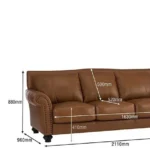
If you are shopping for new furniture, you might find yourself stuck on a confusing term. What is a divan sofa? While the name sounds like a specific piece of living room furniture, it actually refers to a unique construction style that blends a bed base with a mattress.
In the UK market, this design is incredibly common for bedrooms. Per British Standards for furniture construction, these units are built as integrated systems rather than separate pieces. Understanding how these components work together will help you avoid common sizing mistakes.
What Is a Divan Sofa?
A divan sofa is a hybrid furniture piece consisting of a fabric-covered base and a mattress. It uses a solid or sprung base instead of a traditional wooden frame. This design provides integrated storage and a stable sleep surface.
How a Divan Is Put Together: Sprung Edge Base, Mattress, and the Bits in Between
A divan isn't just a single object. It is a modular system designed to work as one unit. To understand how it feels to sit or sleep on one, you have to look at the three main layers that make up the assembly.
The first layer is the base. Unlike a standard sofa, which uses a visible wooden or metal frame, a divan base is a solid box. This box is usually built from timber and wrapped in upholstery fabric.
It acts as the foundation for everything else.
The second layer is the mattress. Because a divan lacks the natural "give" of a slatted frame, the mattress choice is vital. You can pair these bases with almost any type, including pocket sprung, memory foam, or hybrid models.
The final component is the headboard. Since the base is a soft, fabric-covered block, a headboard is necessary for back support. These can be attached via metal struts or designed to stand freely on the floor.
| Component | Primary Function | Common Materials |
|---|---|---|
| Base | Provides structural support | Timber, sprung edges, upholstery |
| Mattress | Offers comfort and pressure relief | Foam, springs, latex |
| Headboard | Provides lumbar/head support | Wood, metal, padded fabric |
| Storage | Maximizes floor space | Drawers or gas-lift mechanisms |
The Four Builds You'll Really Be Choosing Between
Not all divans are built the same way. Depending on whether you want comfort, storage, or ease of movement, you will encounter four distinct styles.
Sprung Edge Divan
A sprung edge base contains actual springs inside the base itself. This creates a much more responsive feel when you move. If you prefer a softer, more "bouncy" sensation that mimics a traditional bed, this is the premium choice.
Platform Top / Firm Edge Divan
This is the most common and budget-friendly version. It features a solid, flat top. It offers maximum stability and is ideal for heavier mattresses or people who prefer a very firm, non-moving sleep surface.
Drawer Divan
If you are struggling with a small room, a drawer divan is a lifesaver. These bases feature built-in storage compartments. You can choose between two large drawers or four smaller ones, depending on your layout.
Ottoman (Lift-Up) Divan
The ottoman build uses a gas-lift mechanism to raise the entire mattress. This reveals a massive storage area underneath the whole bed. It is perfect for storing bulky items like seasonal bedding or suitcases.
Divan vs Sofa Bed vs Daybed vs Ottoman Base: Side by Side
Choosing the right piece depends entirely on how you plan to use the space. A divan is primarily a sleeping solution, whereas other options focus more on daytime lounging or pure storage.
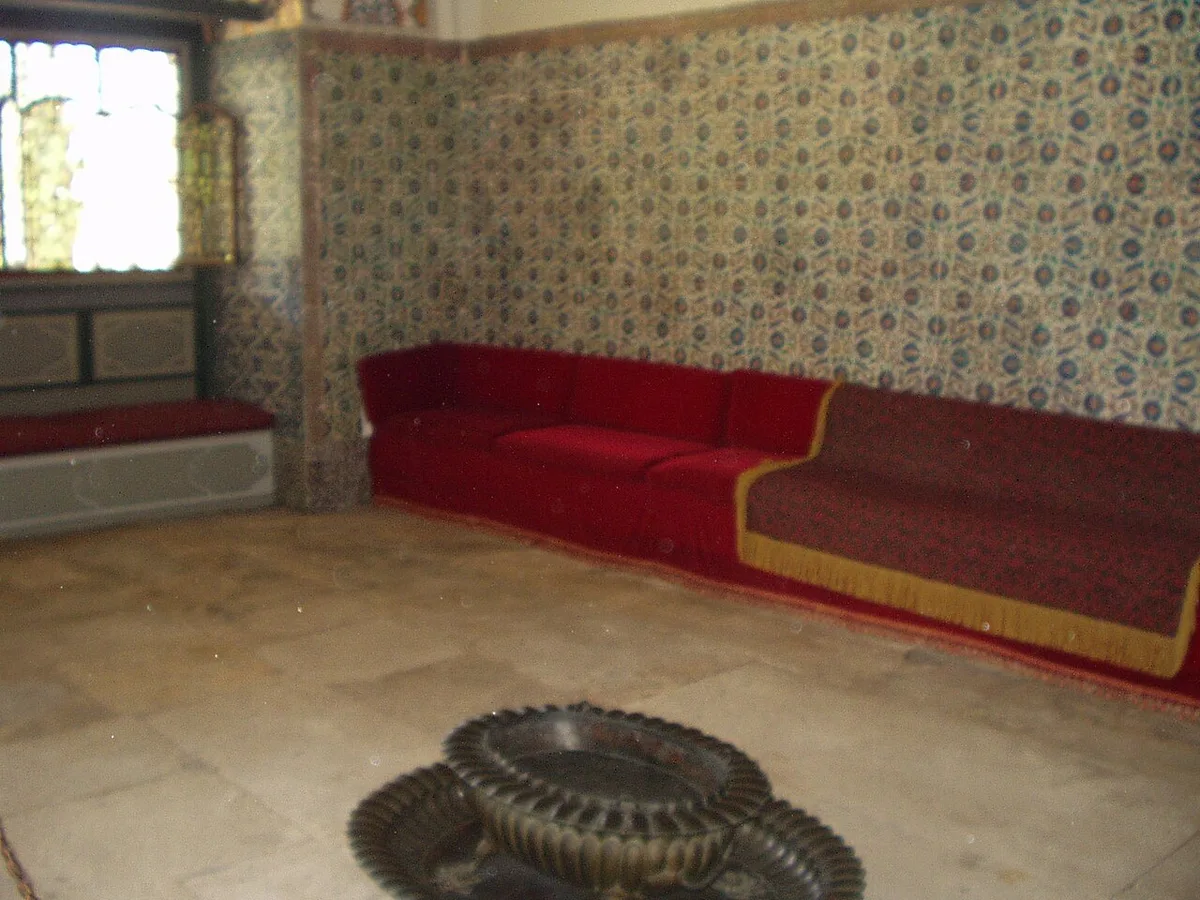
When you look at a modern sofa, you see a piece designed for sitting. A sofa bed, however, uses a folding mechanism to turn a seat into a bed. While sofa beds are great for guests, they often lack the long-term spinal support found in a dedicated divan.
A daybed sits somewhere in the middle. It looks like a sofa but is built to a bed's scale. It often lacks the integrated storage that makes a divan so practical for small apartments.
Finally, there is the standard ottoman base. Unlike a divan, which is upholstered and integrated, a standard ottoman often uses a slatted wooden frame. This provides better airflow for your mattress but offers less of a "finished" look in a bedroom.
| Feature | Divan | Sofa Bed | Daybed |
|---|---|---|---|
| Primary Use | Daily Sleep | Occasional Guest | Lounging/Napping |
| Support Level | High (Solid/Sprung) | Moderate (Folded) | Moderate (Slats) |
| Storage | Integrated (Drawers/Lift) | Usually None | Minimal |
| Footprint | Fixed | Compact (Day) | Medium |
Best Divan Build by Situation — and the Straight Answer
If you have a box room and need every inch, an ottoman divan wins. The lift mechanism gives you floor-to-ceiling storage without drawer clearance issues. Just check the gas strut rating matches your mattress weight.
For a guest room that sees light use, a platform top with two drawers is the smart money. It costs less, lasts longer, and the firm base keeps a foam mattress from sagging.
Couples with different firmness needs should look at zip-and-link sprung edge sets. Two single bases join into a super king. Each side gets its own mattress tension.
No compromise required.
Older buyers or anyone with knee issues benefit from a high base on castors. The extra height makes sitting down and standing up easier. Lock the wheels once positioned.
Studio flat dwellers who sit on the bed daily need a sprung edge. The base springs absorb daily sitting impact better than a solid top. Your mattress lasts longer.
What You'll Pay, and Which Specs Are Worth Caring About
Budget divan sets start around £250 for a double base and open coil mattress. Expect thin fabric, plastic drawer runners, and a one-year warranty. These last three to five years max.
Mid-range hits £500 to £900. You get pocket sprung mattresses, metal drawer runners, five-year frame warranties, and Crib 5 fabric as standard. This is the sweet spot for most homes.
Premium models run £1200 to £2500 plus. Hand-tied springs, natural fillings, ten-year guarantees, and bespoke fabric options appear here. Diminishing returns kick in fast above £1500.
Specs that actually matter: spring count in the mattress (1000+ pocket springs for doubles), base timber thickness (18mm minimum), drawer runner metal gauge, and gas strut force rating in newtons. Ignore thread count on base fabric, it's marketing.
Mistakes That Ruin a Divan, Fire Labels You Actually Need, and Keeping It Good for Years
The biggest killer is putting a non-turn mattress on a sprung edge base without rotating. Body impressions set in within eighteen months. Rotate the mattress monthly.
Turn the base yearly.
Cheap plastic drawer runners snap under winter bedding weight. Upgrade to ball-bearing metal runners at purchase. It costs pennies extra and saves headaches.
Gas struts lose pressure over time. If your ottoman won't stay up, replace the struts. They are standard sizes available online.
Match the newton rating on the old label.
Fire labels are non-negotiable in the UK. Domestic use requires a permanent label showing compliance with the 1988 Regulations. Contract or rental use demands Crib 5 certification.
No label means illegal to sell or let.
Vacuum the base fabric monthly. Dust mites love the warm, dark underside. Spot clean spills immediately with upholstery foam.
Never soak the timber frame.
Check linking bars on zip-and-link sets quarterly. Vibration loosens them. A loose join creates a ridge that wrecks mattress comfort.
Frequently Asked Questions
Can you put any mattress on a divan base?
Yes, almost any mattress works. Pocket sprung, memory foam, latex, and hybrids all perform well. Avoid very thin futons under 15cm, they lack support on a solid top.
Do divan beds need a headboard?
Structurally, no. The base stands alone. Practically, yes.
A headboard stops pillows falling behind the bed and gives back support for reading.
How long does a divan base last?
A quality timber base lasts twenty years or more. The mattress wears out first. Budget bases with thin timber may crack at stress points after eight to ten years.
Are divans better than slatted frames?
For storage and firm support, yes. For mattress airflow and a softer feel, slatted frames win. It depends on your priorities.
Can you move a divan base upstairs?
Most UK divans split into two halves for delivery. Measure your stairwell turn and ceiling height. Rigid non-split bases struggle in Victorian properties.
What does Crib 5 mean on a divan?
It means the fabric and fillings pass a higher ignition test required for hotels, student halls, and rental properties. Domestic buyers don't legally need it but it indicates better fire safety.
Divan in Britain, Daybed in America: The Naming Trap
Search US shops for a divan and you'll land on tufted backless sofas. In Britain the word means the base-plus-mattress bed we've been covering. Same word, two products, endless confusion.
Europe adds another wrinkle. Slatted bases dominate there, so divans show up mainly as UK imports or hospitality contracts. Ordering from an EU site means checking dimensions twice.
| Size | UK | EU |
|---|---|---|
| Single | 90 x 190cm | 90 x 200cm |
| Double | 135 x 190cm | 140 x 200cm |
| King | 150 x 200cm | 160 x 200cm |
Those five and ten centimetre gaps wreck fitted sheets. A UK cover won't stretch to an EU mattress.
Climate counts as well. Solid bases trap air, so in humid rooms a slatted or ottoman build protects the mattress from mould. Verified buyer feedback reports musty smells in unventilated spaces inside a year.
Still puzzled by the vocabulary? The couch and sofa naming debate clears it up fast.
Lead Times, Split Bases, and Getting It Through the Door
Stock divan sets ship in three to seven days. Made-to-order fabric runs four to eight weeks. Matching a headboard in a different grade adds another week.
Measure first. Stairwell turn, door width, ceiling height. Most UK bases split into two halves, which is exactly why Victorian terraces can swallow a super king.
Assembly is simple. Clip the halves, screw on castors or glides, bolt the headboard. Twenty minutes and one spanner.
Drawers need clear floor in front of them. If the bed sits in an alcove, weigh that against hidden storage built into seating instead.
Then wait a bit. Rolled foam needs 24 to 72 hours to reach full loft. Pocket sprung mattresses settle over one to two weeks, and a shallow dip under the heavier sleeper is normal, not a fault.
Squeezing past a tight stair turn? Our guide to manoeuvring a bulky piece upstairs covers the angles worth checking before the van arrives.
The Receipt Test: Warranty Fine Print Nobody Reads
Base frames carry five to ten year guarantees. Mattresses run one to ten. Drawers and gas struts often get only one or two.
That gap catches people out.
Read what voids the cover. Stains, removing the fire label, and pairing a non-turn mattress with a sprung edge base all cancel it. That last one is a common exclusion.
Trade membership helps. Members of the National Bed Federation sign a code of practice, so complaints have somewhere real to go. The Office for Product Safety and Standards enforces the fire rules when a label is missing or wrong.
Photograph the label on delivery day. Without that picture you can't prove compliance when you resell or let the room.
Check the fabric before you buy any cleaner. Our method for identifying the fabric you're dealing with takes seconds and saves a ruined base.