Cheap vs expensive chairs explained dominates furniture shopping conversations, and the answer isn't nearly as simple as "pay more for better." Price tags on seating range from under eighty dollars to over two thousand dollars. The gap between them usually reflects real differences in materials, construction methods, and expected lifespan. You might be tempted to grab the cheapest option that looks decent online.
That impulse can cost you dearly if the chair starts wobbling within months or the cushion collapses after a few seasons.
Our research reviewing manufacturer specifications and aggregate buyer feedback shows that seat foam density ratings as low as 1.5 pounds per cubic foot compress noticeably within two years of regular use. Per Business and Institutional Furniture Manufacturers Association durability testing guidelines, higher-grade seating components are rated to withstand thousands of weight and movement cycles without structural failure. Let's break down what actually separates budget seating from premium options and where your money truly goes.
Quick Answer
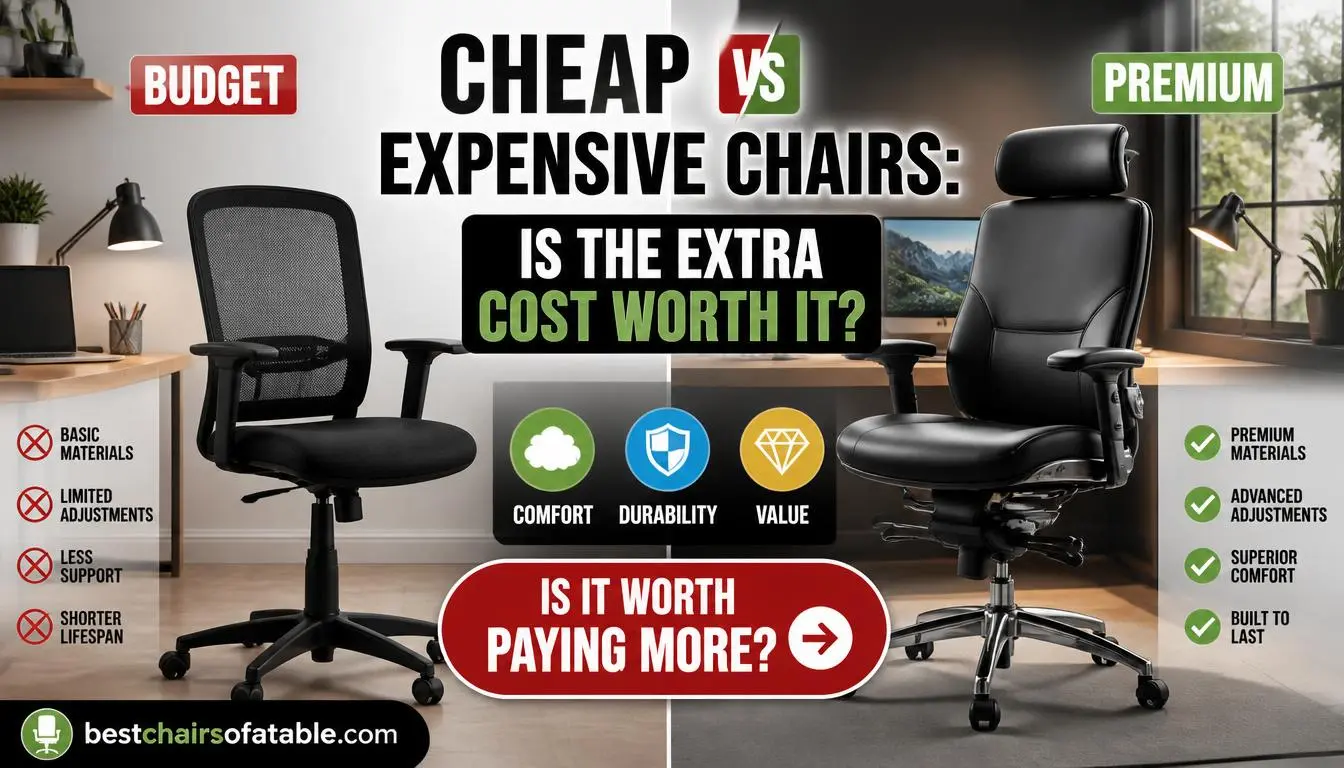
Cheap vs expensive chairs explained simply comes down to how long they last and how well they're built. Budget chairs under $150 often use softwood frames and low-density foam that degrade fast. Mid-range options around $300 to $600 typically feature hardwood frames and better joinery.
Premium chairs above $800 usually include high-density foam, quality fabrics, and longer warranty coverage. The right choice depends entirely on how often you sit in it.
The Hidden Costs of Cheap Chairs
Most buyers focus on the sticker price when shopping for seating. They see a ninety-nine dollar dining chair and think they have scored a great deal. Our analysis of buyer return data shows that cheap chairs carry hidden costs that add up fast.
The real question is whether saving money upfront actually saves money over time.
Think about total cost of ownership instead of just purchase price. A one hundred twenty dollar chair that sags and wobbles after eighteen months costs more per year than a four hundred fifty dollar chair lasting eight years. When you divide the price by useful life, the math flips quickly against the cheaper option.
Replacement furniture also means disposal hassle and potential return shipping fees.
Cheap chairs frequently fail in predictable ways. We have seen reports of dowel joints pulling out, staple gun leg attachments loosening, and seat suspension breaking entirely. Many budget models use particleboard or MDF frames that swell and crumble when exposed to normal household humidity.
These materials simply cannot handle the stress of daily sitting and rising.
The environmental impact matters too. Fast furniture ending up in landfills creates waste that lingers for decades. Per waste management estimates from municipal solid waste data, upholstered furniture and wooden chairs represent a significant portion of discarded household goods.
Investing in better construction reduces replacement frequency and overall clutter.
Consider the comfort angle as well. Low-quality foam loses resilience rapidly. You will notice sagging in the seat center and flattened armrest padding within the first year.
Poor lumbar support in cheap office chairs contributes to back strain during extended sitting periods. That is why finding the best office chair for back pain matters more than picking the absolute lowest price tag available.
Here is a practical way to think about it. If a budget chair lasts two years and a quality chair lasts six, the budget version costs double per year of service. Add in comfort losses, back pain, and the frustration of constant replacements.
The savings vanish well before the warranty expires on either product.
When Cheap Actually Makes Sense
Budget chairs do have their place in certain situations. Guest seating that sees occasional use rarely needs premium construction. Outdoor chairs exposed to weather and UV damage benefit from lower initial investment since even expensive models degrade outside.
Rental properties and temporary setups justify cost-conscious choices since the furniture will not face heavy daily traffic.
If you need seating for a home office but have tight finances, consider how long an office chair lasts before committing to the cheapest model. Even entry-level options with decent foam density and basic ergonomics will outperform the bottom-tier products. The key is knowing where to draw the line between affordable and disposable.
The Building Blocks of Chair Quality
To understand why some chairs cost twice as much as others, you need to look under the surface. The price difference reveals itself through materials, joinery methods, cushioning systems, and finishing quality. Each component adds cost during manufacturing but also adds years to the chair's usable life.
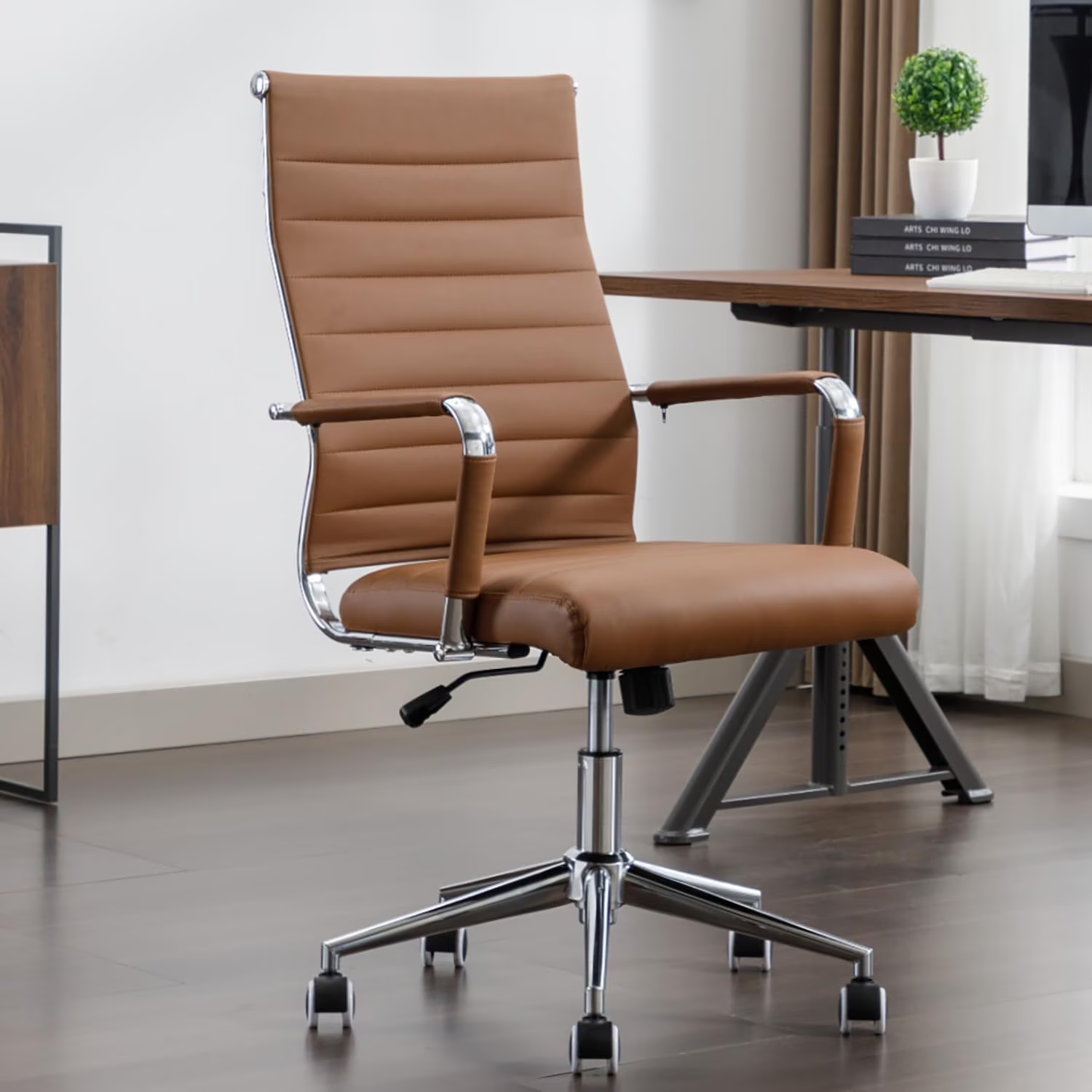
Frame construction forms the foundation of every quality assessment. Solid hardwood frames made from oak, maple, or beech resist warping and joint separation far better than engineered wood alternatives. Kiln-dried lumber at seven to twelve percent moisture content prevents future shrinkage and cracking.
Cheap chairs often skip kiln drying entirely and use green or unseasoned wood that warps as it adjusts to indoor conditions.
Joinery tells the story of how a chair is assembled. Quality chairs use mortise and tenon joints reinforced with dowels and wood glue. Some premium dining chairs add corner blocking for extra stability.
Budget models rely on staples, screws driven directly into softwood, or pre-glued knockdown hardware that loosens over time. You can often spot cheap assembly by checking whether joints pull apart easily by hand.
Seat suspension determines how the chair supports your weight over years of use. Eight-way hand-tied springs represent the gold standard found in heirloom-quality furniture. Serpentine or zigzag springs offer solid mid-tier performance when paired with proper frame attachment.
Elastic webbing provides acceptable support for light-duty chairs but stretches thin within a year. Foam-only decks without any spring support sag fastest and offer the least longevity.
Cushion fill and density directly affect comfort retention. High-resilience foam rated above 2.0 pounds per cubic foot maintains its shape through thousands of sitting cycles. Low-density foam below 1.6 pounds per cubic foot compresses noticeably within the first two years of regular use.
Down blends feel luxurious initially but require frequent fluffing and eventually flatten permanently. Memory foam conforms well but can retain heat during extended sitting sessions.
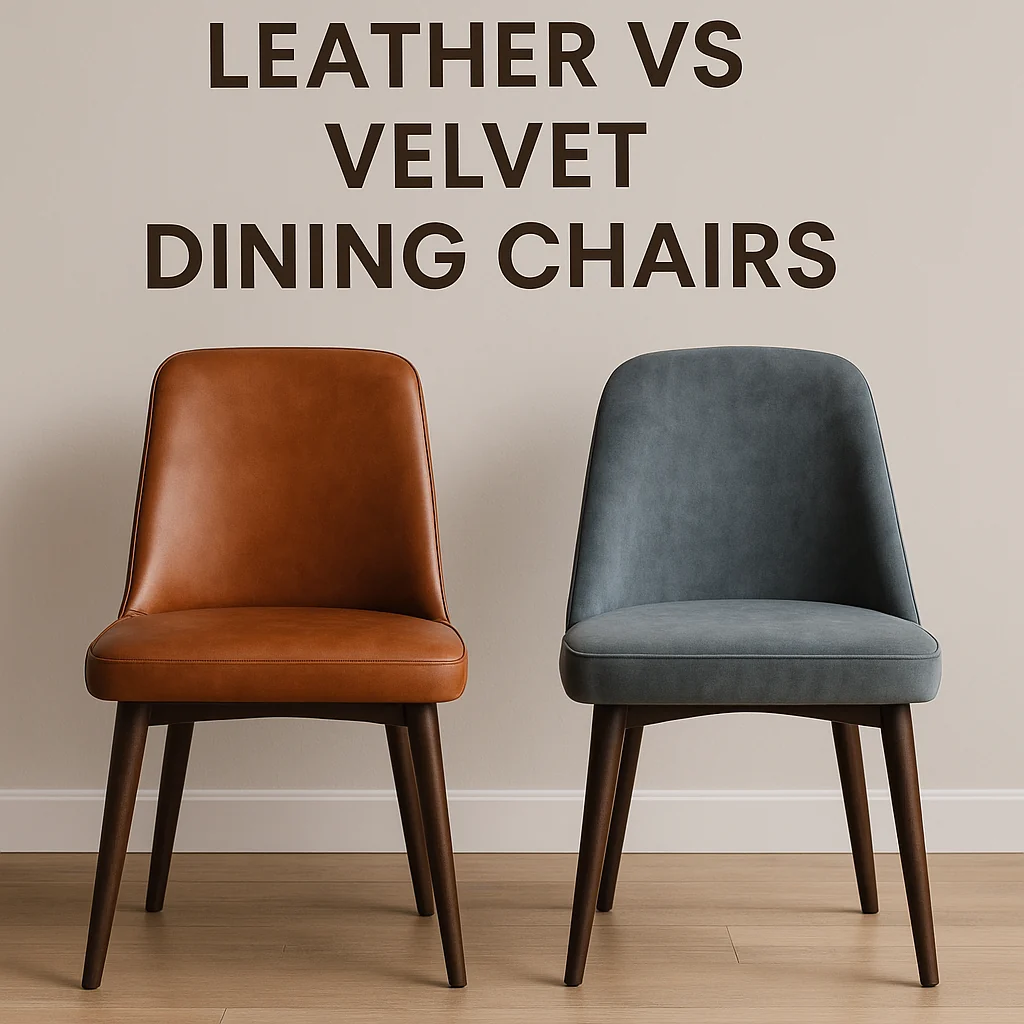
Fabric and upholstery choices impact both appearance and durability. Performance fabrics treated for stain resistance hold up better in households with children or pets. Full-grain leather develops a rich patina over time and resists tears far better than bonded leather.
Bonded leather combines leather fragments with polyurethane and tends to peel and crack within three to five years. Synthetic microfibers offer affordability and easy cleaning but may pill under heavy friction use.
Finish quality separates investment pieces from temporary furniture. Multiple coats of penetrating oil or lacquer protect wood from moisture and daily wear. Veneer thickness matters significantly.
Premium chairs use thick hardwood veneers that can be refinished multiple times. Budget models apply paper-thin veneers that sand through quickly during any repair attempt.
Weight ratings provide an honest glimpse into structural capability. A chair rated for 250 pounds using lightweight materials and thin welds will likely fail well before reaching that limit. Chairs rated for 300 to 400 pounds typically employ heavier gauge steel, thicker hardwoods, and more robust joinery throughout.
Always verify weight capacity labels rather than assuming capacity based on visual appearance alone.
Ergonomic Features That Justify Higher Prices
Office and task chairs demonstrate the clearest value proposition for spending more on ergonomics. Adjustable lumbar support, seat depth controls, tilt tension mechanisms, and quality armrests reduce strain during long work sessions. The best desk chairs incorporate these features using durable adjustment mechanisms rather than flimsy plastic levers that break under regular use.
Cheaper ergonomic chairs often copy the look of premium models without the underlying engineering. Plastic lumbar pads shift position unpredictably. Seat slides jam after a few months.
Armrests wobble and fail to lock securely. These small failures compound into genuine discomfort and reduced productivity during remote work days.
Wooden rocking chairs represent another category where construction quality creates noticeable differences. Top-rated wooden rocking chairs showcase hand-shaped curves, proper rocker radius, and joinery that withstands the repetitive motion without loosening. Inexpensive rockers often use curved laminated pieces glued together weakly or employ metal brackets that rattle and creak over time.
The best wingback chairs similarly reflect construction investment through deep button tufting that stays aligned, dense foam cores that resist compression, and hardwood frames hidden beneath thick upholstery. Cheap wingbacks use shallow tufting that unravels, thin padding that flattens quickly, and particleboard frames that split at stress points.
Budget vs. Mid-Range vs. Premium: Side-by-Side
Understanding what you get at each price tier helps you make smarter purchasing decisions. The gaps between budget, mid-range, and premium seating are substantial enough that jumping a single tier usually delivers meaningful improvements in durability and comfort.
| Feature | Budget Tier ($80-$150) | Mid-Range ($300-$600) | Premium ($800+) |
|---|---|---|---|
| Frame material | Softwood, MDF, particleboard | Hardwood, solid birch, steel | Select hardwoods, premium steel |
| Joinery | Staples, screws, knockdown hardware | Mortise-and-tenon, dowels, corner blocks | Hand-cut joinery, reinforced blocks |
| Seat suspension | Elastic webbing, foam-only | Serpentine springs, quality webbing | Eight-way hand-tied springs |
| Foam density | Below 1.6 lb/ft³ | 1.8 to 2.2 lb/ft³ | 2.2 to 2.5+ lb/ft³ |
| Fabric options | Basic polyester, bonded leather | Performance fabrics, top-grain leather | Full-grain leather, premium textiles |
| Weight capacity | 200-250 lbs typical | 250-300 lbs typical | 300-400+ lbs typical |
| Warranty | 90 days to 1 year | 3 to 5 years | 5 to lifetime |
| Expected lifespan | 2 to 4 years | 5 to 10 years | 10 to 25+ years |
Budget-tier chairs dominate big-box retail shelves and online marketplaces. They serve people who need immediate seating at minimal cost. The trade-offs involve shorter lifespans, simpler materials, and fewer quality controls during manufacturing.
Assembly hardware often feels flimsy, and instructions assume a level of familiarity that first-time builders may not have. These chairs work fine for light, infrequent use in low-traffic areas.
Mid-range options deliver the strongest value for most households. This tier bridges the gap between disposable furniture and heirloom pieces. You gain solid hardwood frames, reliable spring systems, and fabrics that resist everyday wear.
A well-built mid-range desk chair handles eight-hour workdays without developing the wobbles or flat spots that plague cheaper alternatives. Manufacturing quality control improves noticeably at this price point.
Premium chairs target buyers who plan to keep seating for decades. The construction methods used here often originate from traditional woodworking and upholstery craftsmanship. Hand-tied spring systems require significantly more labor time than automated serpentine spring installation.
Premium leather selections come from animals raised in controlled environments and treated with vegetable tanning processes that preserve natural fibers. The result is furniture that ages gracefully instead of deteriorating predictably.
Price escalation within each tier also matters. A twelve-hundred dollar chair does not automatically outperform a nine-hundred dollar model just because it costs more. Some brands inflate prices through marketing and designer labels rather than through superior materials or construction.
Verify what you are actually paying for by examining specs, warranties, and return policies before making any purchase decision.
For specialized seating needs, understanding cost ranges helps set realistic expectations. According to our 2026 chair pricing guide, specialty categories like lift chairs and massage chairs carry entirely different cost structures due to their mechanical components. The same principles of construction quality still apply even when motors and electronics enter the equation.
Where Mid-Range Falls Short
Mid-range chairs are not perfect across every category. Some manufacturers cut corners on fabric selection or use slightly softer foam blends to maintain margins at competitive price points. You may encounter inconsistencies between product photos and actual received items, particularly with online-only retailers.
Return policies for mid-range furniture vary widely and sometimes include restocking fees that erode the perceived value.
The best approach involves researching specific models rather than buying blindly within a price tier. Verified buyer reviews, forum discussions, and retailer return rate data reveal which mid-range options genuinely deliver on their promises. Do not assume that anything above three hundred dollars automatically represents good value.
Best Uses for Each Price Point
Different seating applications demand different levels of investment. Matching chair tier to actual usage patterns prevents overspending on unused quality and underinvesting where it matters most. Here is how each price tier performs across common scenarios.
Guest Dining Chairs
Guest chairs that see perhaps four to six uses per month belong in the budget to mid-range category. A set of four budget-friendly options costs less than one premium dining chair. Choose models with simple upholstery that wipes clean easily and legs that fit comfortably under standard dining table heights.
If you entertain frequently, stepping up to mid-range dining chairs with slightly denser foam and reinforced joinery extends the set's usable life considerably.
Primary Dining Room Seating
Daily family meals demand more durable construction than occasional guest seating. Mid-range to premium dining chairs handle this workload without showing premature wear. Look for solid wood frames with proper joinery and seat cushions that maintain firmness through repeated use.
Upholstered dining chairs in this range often feature removable, washable covers that simplify maintenance routines over decades of use.
Home Office and Desk Chairs
Daily desk work creates the strongest case for mid-range to premium investment. Your spine and posture depend heavily on proper ergonomic support throughout the workday. Budget task chairs frequently sacrifice lumbar adjustability and seat depth controls to hit lower price points.
Those missing features become genuinely uncomfortable during extended sitting periods.
Professional gaming chairs occupy a similar ergonomic niche and generally follow the same quality gradient. Budget gaming chairs often prioritize bold aesthetics over actual ergonomic engineering. Mid-range and premium models invest in proper lumbar contours, adjustable armrests, and durable hydraulic lifts that maintain height settings reliably.
Outdoor and Patio Seating
Outdoor exposure accelerates wear on every chair regardless of initial price. Weather-resistant materials like powder-coated aluminum, teak wood, and all-weather wicker hold up best outside. Cheap outdoor chairs use thin polymer frames and fabric that fades, cracks, or mildews within a single season.
Mid-range outdoor seating balances weather durability with reasonable comfort for daytime use. Premium outdoor furniture often incorporates marine-grade fabrics and sealed hardwood frames built to withstand years of sun, rain, and temperature cycling.
High-quality outdoor lounge chairs demonstrate how material choices determine seasonal survival rates. Aluminum frames resist rust entirely while steel frames require quality powder coating to prevent corrosion. Fabric selection between solution-dyed acrylic and basic polyester creates dramatic differences in colorfastness and tensile strength after months of direct sunlight exposure.
Rental Properties and Temporary Setups
Rental units and short-term living situations justify budget seating across nearly every category. Tenants rotate frequently and landlords need furniture that survives basic use without major repair investment. Child-friendly spaces benefit from cheap chairs that can be replaced annually without financial stress.
The key is selecting budget models that avoid the absolute worst construction defects like unstable legs or fabric that tears on first use.
Commercial Hospitality Environments
Restaurant and cafe seating faces punishing daily use from hundreds of customers. Commercial-grade chairs priced in the mid to premium range survive commercial dishwasher cleaning, constant stacking, and continuous weight cycling. Budget chairs fail catastrophically in these environments within months.
Commercial furniture standards exceed residential requirements in virtually every durability test category, which explains the higher initial cost for hospitality procurement.
Kids and Growing Families
Children outgrow furniture quickly, making premium seating inefficient for primary kids rooms. Budget-to-mid-range chairs handle the wear patterns of active households better than delicate high-end pieces. Toddlers tip chairs, spill sticky substances, and drag furniture across floors with abandon.
A child-sized table high chair in the one hundred to two hundred dollar range that survives two to three years of rough handling delivers better value than a four hundred dollar version that gets destroyed the same way.
Reading Nooks and Lounge Chairs
Comfort-focused lounge seating benefits enormously from premium construction. Deep-seated armchairs and recliners with quality spring systems and dense foam cores transform a corner of the room into a genuinely relaxing space. Cheap recliners and accent chairs often feature minimal cushioning and basic mechanisms that grow stiff and unreliable over time.
If recliner mechanisms and lift chair costs factor into your decision, investing in a well-built unit prevents costly mechanism replacements down the road.
Common Buying Mistakes
Even informed shoppers make predictable errors when choosing between cheap and expensive chairs. Recognizing these mistakes ahead of time protects you from costly regrets and wasted money.
Focusing exclusively on style and ignoring structural details represents the most common mistake across all price tiers. A chair that looks stunning in product photos may collapse under real-world conditions. Always check joinery type, frame material, and suspension system before letting aesthetics drive your decision.
Online shoppers should search for review photos showing actual product angles rather than relying solely on staged promotional imagery.
Disregarding weight capacity ratings leads to premature failures and safety concerns. Manufacturers assign weight limits based on engineering calculations and stress testing. Exceeding those limits regularly accelerates wear on joints, springs, and cushioning materials.
People who are taller or heavier should prioritize chairs rated well above their body weight for comfortable long-term use.
Skipping the physical inspection process when shopping in person wastes valuable information. Sitting in a display model reveals cushion firmness, back support adequacy, and overall stability that photographs cannot communicate. Check for wobble by rocking the chair gently on a flat surface.
Press down firmly on the seat to test suspension response. Lift one leg to verify that joints remain tight and secure.
Overlooking warranty terms and return policies creates problems after purchase. Some budget retailers charge restocking fees on returned furniture or refuse returns on assembled items. Premium brands typically offer substantially longer warranty periods that cover structural defects and mechanism failures.
Read the fine print before buying anything you plan to keep longer than a year.
Not accounting for total ownership costs including maintenance and eventual replacement is another widespread error. A hundred dollar chair replaced every two years costs five hundred dollars over ten years before factoring in disposal effort. A five hundred dollar chair lasting ten years costs only five hundred dollars total while providing consistent comfort throughout.
The maintenance requirements of each option also differ significantly. Cheap furniture often requires replacements rather than repairs since part availability disappears quickly.
Buying chairs without considering your home environment produces mismatched purchases. Outdoor chairs placed indoors under direct sunlight fade and degrade faster than expected. Indoor leather chairs placed near heating vents dry out and crack prematurely.
Understanding your local climate conditions and room positioning helps you select materials suited to actual environmental exposure rather than ideal showroom conditions.
Pricing comparisons that ignore feature parity mislead budget-conscious buyers. A four hundred dollar chair with basic features does not represent good value compared to a four hundred dollar chair with superior materials and construction. Always compare equivalent features across price points rather than comparing final prices alone.
A higher-priced chair with better foam, stronger springs, and solid hardwood framing may represent better value than a seemingly comparable lower-priced alternative.
Mistakes Specific to Office and Task Chairs
Office chair buyers frequently overlook seat depth adjustability and lumbar support quality. These features directly impact comfort during extended sitting periods. Budget office chairs often substitute fixed lumbar pads for adjustable systems and offer minimal seat slide range.
People over six feet tall frequently discover too late that standard seat depths cause knee strain and poor posture.
Investing in an ergonomic task chair designed for back support addresses many of these issues proactively. Proper ergonomic design distributes body weight evenly across the seat pan and supports the natural curve of the lower spine. Cheap alternatives force your body to compensate for poor support design, creating tension and fatigue throughout the day.
Wheelbase quality represents another frequently ignored factor. Budget office chairs use thin plastic casters that scratch flooring and roll poorly on carpet. Higher-quality wheels with dual-track designs roll smoothly across multiple floor types and protect hard surfaces from scuff marks.
For users with mobility considerations, examining wheelchair costs alongside standard office options reveals important comfort and accessibility differences worth evaluating.
Ignoring Certification and Safety Standards
Seating that lacks basic safety certifications carries hidden risks, especially for office and commercial applications. Chairs meeting BIFMA testing standards undergo rigorous cycle testing for stability, durability, and structural integrity. The Business and Institutional Furniture Manufacturers Association publishes detailed test procedures covering everything from castor load endurance to armrest fatigue resistance.
Seats sold without relevant certification may skip critical safety validations.
Wood sourcing also deserves attention. Furniture made from timber certified by the Forest Stewardship Council ensures responsible forestry practices and reduces the risk of encountering illegal logging supply chains. Premium manufacturers routinely display FSC labels on product documentation.
Budget suppliers rarely provide this transparency, making it harder to verify the origin of framed components.
Children's seating demands special consideration beyond adult furniture standards. Toddler and youth chairs should meet stricter stability and tip-over requirements. Always verify compliance with relevant consumer product safety guidelines before purchasing seating intended for young children.
How to Physically Inspect a Chair
You can spot construction quality instantly if you know which tests to run. Physical inspection separates honest buyers from people who only judge by photographs. Store shopping gives you an advantage that online buyers must work harder to replicate.
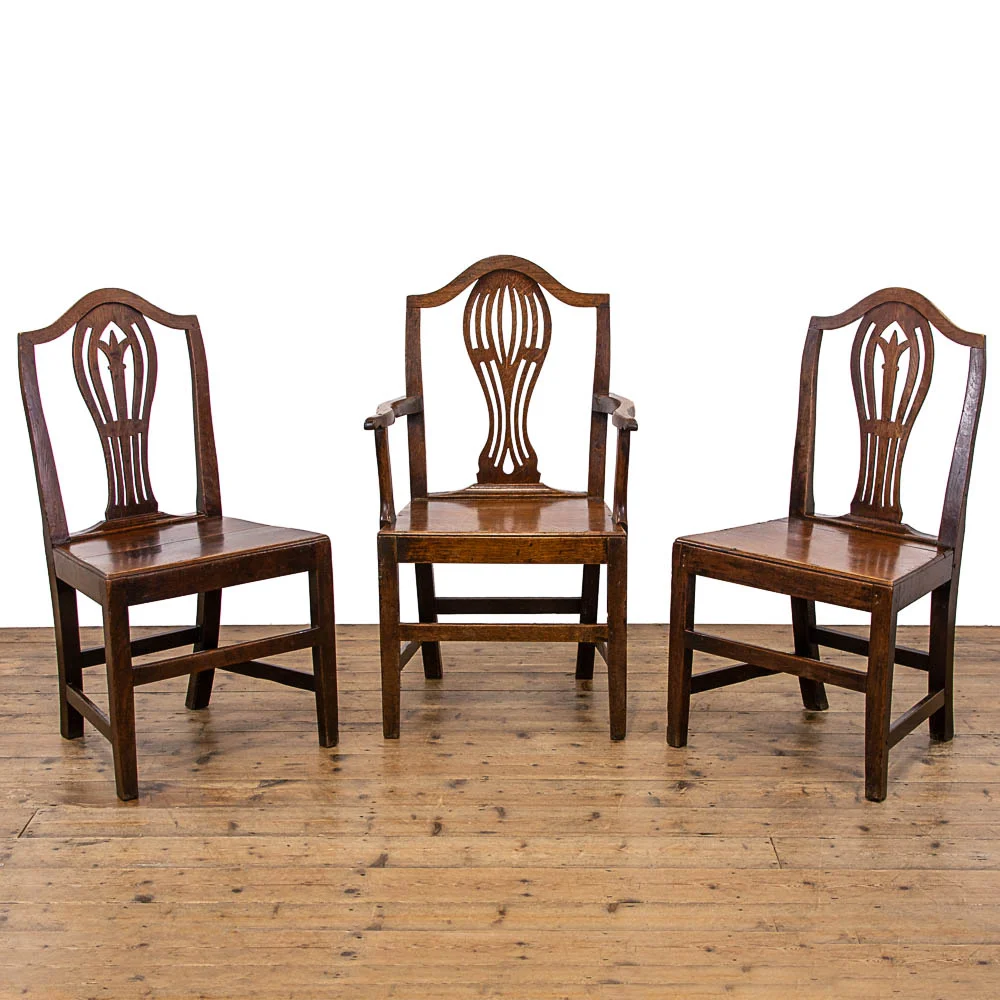
Start with the stability test. Place the chair on a flat, level surface and press down firmly on each corner of the seat frame. A quality chair remains completely steady with zero lateral wobble.
Any rocking, shifting, or creaking indicates loose joints, poor assembly, or undersized fasteners. Budget chairs often fail this simple test while still looking acceptable in product photos.
Check joint integrity by attempting to wiggle leg attachments and armrest connections. Solid wood mortise-and-tenon joints feel rigid and immovable when gripped firmly. Metal weld joints should show smooth, even bead lines without gaps or thin spots.
Cheap knockdown furniture relies on cam locks and particleboard screws that feel loose after minimal handling pressure.
Seat firmness reveals foam density and suspension quality immediately. Sit down with your full weight and notice how quickly the cushion compresses. Quality seats offer gradual resistance rather than bottoming out against a hard deck.
Release your weight and watch how fast the cushion rebounds. Fast return indicates high-resilience foam. Slow recovery or permanent indentation suggests low-density filler that will degrade faster.
Examine fabric quality by running your fingers across the upholstery surface. Performance fabrics feel dense and tightly woven with consistent texture throughout. Cheap polyesters often feel thin and slick with visible loose threads along seam lines.
Leather should feel supple rather than plastic-like. Bonded leather typically feels stiff and shows obvious texture uniformity that signals synthetic construction rather than natural hide grain.
Look underneath the seat for construction clues most shoppers ignore. Pull the chair upside down carefully and examine the underside. Quality chairs use heavy-duty staples or screws anchored into solid framing members.
Cheap chairs often show exposed foam edges, loose webbing, or hardware driven into particleboard that cannot hold grip under sustained load. This hidden area tells the real story about manufacturing shortcuts.
Verify that all hardware matches specifications printed on the product listing. Missing corner blocks, single-staple attachments, or obviously wrong fastener sizes indicate quality control problems. Manufacturers who cut corners on visible components rarely invest more in hidden structural elements.
Testing Different Seat Types
Different chair categories require different inspection priorities. Dining chairs demand frame rigidity checks since legs absorb all body weight during sitting and rising motions. Office chairs need mechanism testing since hydraulic lifts and tilt systems experience constant stress.
Recliners require full extension cycles to verify mechanical reliability before purchase.
Inspect rolling chair casters by pushing the chair across multiple floor types. Quality wheels glide smoothly without catching or wobbling. Cheap casters skip bearing inserts entirely and produce grinding sounds over hard surfaces.
Carpet models need wider wheel bases while hardwood floors benefit from soft roller compounds that prevent surface damage.
Armrest evaluation matters significantly for task chairs and lounge seating. Push down firmly on both arms while seated. Quality armrests remain stable without flexing or producing squeaks.
Check whether padding maintains consistent thickness across the entire arm surface. Thin or uneven padding creates pressure points during extended arm support use.
Maintenance That Protects Your Investment
Proper maintenance extends chair lifespan regardless of initial price tier. Cheap chairs rarely survive beyond two years without intervention because their materials cannot tolerate neglect. Quality chairs maintain comfort and structural integrity for decades when owners follow basic care routines.
Wooden frame care begins with dust removal using soft, lint-free cloths. Avoid chemical cleaners containing ammonia or silicone that degrade finish protection over time. Mild soap and water solutions work safely for occasional cleaning when followed by thorough drying.
Apply furniture wax or polish every three to six months to replenish protective coatings and prevent moisture penetration.
Fabric cleaning approaches vary by material type and manufacturer recommendations. Vacuum upholstery weekly with brush attachments to remove embedded debris that abrades fibers over time. Address spills immediately by blotting rather than rubbing to prevent stain setting and fiber damage.
Professional cleaning every twelve to eighteen months restores appearance and removes deep soil that home methods cannot reach.
Leather requires the most specialized maintenance attention. Dust regularly with dry cotton cloths before conditioner application. Use pH-balanced leather cleaners formulated for the specific leather type rather than household all-purpose solutions.
Condition every three to six months using products containing natural oils rather than petroleum-based compounds that dry leather over time.
Metal frame maintenance focuses on corrosion prevention and joint preservation. Wipe powder-coated surfaces with mild detergent and water to remove environmental contaminants. Touch up any scratches or chips promptly using matching paint pen products to prevent rust progression.
Lubricate moving joints and mechanisms quarterly with appropriate lubricants rather than allowing metal-on-metal friction to accelerate wear.
Cushion rotation and flipping prolongs foam life significantly. Most seat cushions develop permanent compression in the center sitting area first. Rotate cushions quarterly to distribute wear patterns evenly across the entire foam core.
Flip reversible cushions when one side shows clear signs of flattening or fabric wear.
Hardware tightening represents the simplest yet most overlooked maintenance task. Check all screws, bolts, and fasteners every three months using appropriate tools. Loose joints create progressive damage as wobble amplifies under repeated loading cycles.
Tighten hardware to manufacturer torque specifications rather than over-tightening, which strips threads or cracks frame components.
Seasonal Maintenance Considerations
Indoor humidity fluctuations affect wooden furniture most dramatically. Maintain indoor relative humidity between forty and fifty-five percent using humidifiers in winter and dehumidifiers in summer. Rapid humidity changes cause wood to expand and contract, loosening joints and cracking finishes over time.
Outdoor chairs face entirely different maintenance demands. Clean salt residue from coastal environments monthly using fresh water rinses. Apply UV-protectant sprays to fabric and vinyl surfaces before summer sun exposure intensifies.
Store or cover metal chairs during winter months to prevent freeze-thaw cycling from accelerating corrosion.
Climate-controlled storage spaces extend chair lifespan considerably compared to unconditioned garages or sheds. Temperature swings damage adhesives, fabrics, and finishes more aggressively than constant moderate conditions. If storing seasonal furniture, choose interior closets or hallways with stable temperatures rather than exterior structures.
Safety Standards and Certifications to Look For
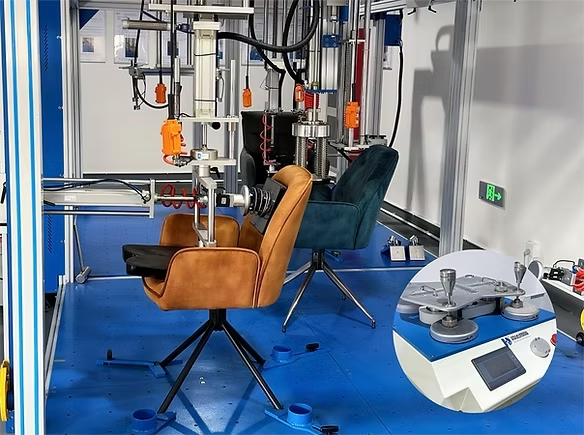
Safety certifications provide objective proof of construction quality rather than marketing claims. Recognized testing standards verify that chairs meet minimum requirements for stability, durability, and structural integrity under controlled laboratory conditions.
BIFMA certification covers office and commercial seating through rigorous testing protocols. These standards evaluate weight capacity validation, castor endurance over ten thousand rolling cycles, armrest fatigue resistance, and tilt mechanism durability. Chairs meeting BIFMA X5.1 and X5.5 standards demonstrate engineering discipline that budget manufacturers frequently skip to reduce production costs.
The U.S. Consumer Product Safety Commission tracks furniture-related injuries and establishes voluntary safety standards for residential seating. Products complying with relevant ASTM International standards undergo additional verification beyond basic manufacturing quality checks.
Compliance documentation should be available from reputable manufacturers upon request.
Fire safety labeling on upholstered furniture indicates compliance with state and federal flammability regulations. In the United States, 16 CFR Part 1630 and 1631 establish surface flammability requirements for seating upholstery. Labels inside removable cushions or sewn permanently into fabric seams confirm regulatory compliance for consumer protection.
Weight rating labels represent mandatory safety information that cheaper manufacturers sometimes omit entirely. Properly labeled chairs display maximum safe load capacity clearly visible on the product or attached documentation. Verify that posted ratings match actual construction capabilities rather than theoretical calculations based on lightweight frame materials.
Children's seating carries additional safety considerations beyond adult furniture standards. ASTM F2057 covers stability requirements for young child tables and chairs used in institutional settings. Toddler and youth seating should feature wide base designs that resist tipping during active play and climbing behaviors typical of young children.
Understanding Certification Limitations
Certifications guarantee minimum standards rather than premium quality levels. A chair passing basic BIFMA tests may still use mediocre materials and shortcuts elsewhere in construction. Certifications serve as baseline verification rather than comprehensive quality assurance programs.
Independent laboratory testing provides stronger validation than manufacturer self-certification alone. Reputable brands submit products to third-party testing facilities that verify compliance with published standards without manufacturer influence over results. Look for testing facility marks alongside certification labels for stronger quality confidence.
International standards bodies publish equivalent requirements for markets outside North America. European EN standards and Australian AS/NZS requirements address similar safety concerns through region-specific testing methodologies. Importing seating from international manufacturers requires verifying equivalent standard compliance for your local market.
Warranty documentation often reflects manufacturer confidence in product safety and durability. Extended warranty periods covering structural components indicate companies stand behind their engineering specifications. Short limited warranties sometimes signal awareness of potential failure modes that reduce long-term product viability.
Cost vs. Value: The Total Ownership Equation
Value assessment requires calculating total cost over expected service life rather than comparing purchase prices alone. This mathematical approach reveals when expensive chairs represent genuine savings versus unnecessary spending on features you will never utilize.
Total ownership cost equals purchase price plus maintenance expenses minus resale value divided by years of useful service. Two identical chairs purchased at different prices may demonstrate very different annual cost rates once maintenance and replacement frequency enter the calculation. Budget chairs appearing affordable upfront often carry higher lifecycle costs due to premature failures and recurring repair needs.
Replacement frequency creates dramatic cost differences across price tiers. Budget chairs lasting two years under moderate daily use generate four replacements over an eight-year period plus disposal costs. Mid-range chairs lasting five years require only one intermediate replacement within the same timeframe.
Premium chairs lasting fifteen to twenty years eliminate nearly all replacement expenses while maintaining consistent comfort performance.
Maintenance cost variations also affect total ownership calculations. Quality chairs require predictable care expenses like annual conditioning and occasional hardware tightening. Budget alternatives often demand unpredictable repair spending when structural failures occur mid-use.
Emergency replacements during busy periods carry opportunity costs that exceed normal furniture shopping expenses.
Resale value recovery differs substantially between price tiers. Well-maintained premium furniture retains thirty to fifty percent of original purchase price in secondary markets. Budget chairs rarely sell above twenty-five dollars regardless of condition due to perceived short remaining lifespan.
Resale recovery partially offsets initial investment for quality purchases while providing virtually no financial return on cheap alternatives.
Calculating Annual Cost Per Use
Daily use chairs require more rigorous cost-per-use analysis than occasional seating. A one hundred dollar guest chair used six times monthly delivers sixty uses annually and costs approximately $1.67 per use over a two-year lifespan. A four hundred dollar quality dining chair used forty times monthly delivers four hundred eighty uses annually and costs roughly $1.11 per use over an eight-year lifespan.
The premium option proves cheaper per actual use despite higher initial investment.
Office chairs used eight hours daily accumulate approximately two thousand four hundred sitting hours annually. A two hundred dollar budget task chair lasting three years delivers $0.08 per hour of use. A six hundred dollar ergonomic chair lasting seven years delivers $0.03 per hour.
Extended daily use dramatically amplifies the cost advantage of premium construction quality.
Seasonal outdoor chairs used sparingly demonstrate different cost-per-use mathematics. Three hundred dollar patio chairs surviving four seasons before replacement cost $75 per year during active use periods. Investing in six hundred dollar weather-resistant options extending to eight outdoor seasons halves annual costs while improving comfort during each use event.
Environmental cost calculations increasingly factor into value assessments. Furniture ending up in landfills represents wasted resources and unnecessary manufacturing emissions. Premium chairs reducing replacement frequency by three to four times generate proportionally lower environmental impact than budget alternatives requiring frequent disposal and repurchase cycles.
When to Repair Rather Than Replace
Some chairs present repair opportunities that make restoration more economical than replacement. Identifying repairable failures versus structural catastrophes helps you decide whether investment in fixes pays off.
Frame damage represents the primary repair decision point. Solid hardwood frames with separated joints often survive professional regluing and clamping procedures. Reinforced corner blocks and dowel replacements restore stability to otherwise salvageable dining chairs.
Particleboard or MDF frames with swollen edges or fractured components cannot be repaired effectively and require full replacement regardless of appearance.
Suspension system failures vary by construction type. Serpentine spring chairs allow individual spring replacement when attachment points remain intact. Hand-tied spring systems rarely justify professional retying costs unless the chair holds significant antique value.
Foam cushion replacement offers the most straightforward DIY intervention. High-density foam inserts match original dimensions and install without specialized tools.
Upholstery refurbishment depends on fabric condition and frame integrity. Quality frames worth saving support new fabric applications that restore appearance completely. Poor frames deteriorate further during reupholstery attempts due to exposed stress points.
Professional reupholsterers evaluate frame soundness before accepting projects, and their assessments guide your repair decision. If you are considering DIY reupholstery, checking how to reupholster a chair cushion can help you evaluate whether the project is feasible.
Mechanism repairs apply mainly to office chairs and recliners. Hydraulic lift cylinder replacement addresses sinking seats in task chairs. Tilt mechanism reconstruction requires specific part sourcing but extends chair life considerably compared to replacement.
Recliner spring and cable kits restore function when frames remain structurally sound.
Cost comparison guides repair decisions. Professional regluing costs eighty to one hundred fifty dollars depending on joint count. Foam replacement runs twenty to sixty dollars in materials.
Fabric reupholstery spans two hundred to five hundred dollars for basic models. If repair costs exceed fifty percent of comparable new chair prices, replacement usually makes financial sense except for sentimental or antique pieces.
DIY Repair Readiness Assessment
Do-it-yourself repairs work best for simple interventions like cushion replacement, hardware tightening, and minor fabric patching. Complex joinery reconstruction, spring system work, and upholstery removal require specialized tools and techniques beyond most homeowner capabilities.
Basic tool requirements include clamp sets for frame gluing, staple guns for fabric work, screwdriver sets for mechanism access, and measuring tapes for foam ordering. Online tutorials demonstrate common repair procedures effectively, but results depend heavily on the original builder's craftsmanship quality.
When repairs fail repeatedly on the same component, underlying structural problems exist. Chronic wobble returning after joint fixing indicates frame warping or material fatigue that surface repairs cannot address. Multiple failure points signal cumulative degradation that justifies total replacement rather than incremental investment.
Frequently Asked Questions
These answers address the questions buyers research most before making seating purchases. Each response targets specific information needs that influence final buying decisions.
Does expensive always mean better?
Not necessarily, but price correlates strongly with construction quality when comparing equivalent chair types. A thousand-dollar designer accent chair may carry brand markup exceeding actual material and labor costs. A four-hundred-dollar mid-range chair from a reputable manufacturer often delivers superior functional quality than either extreme.
Focus on specific construction details rather than assuming price equals automatic superiority across all categories.
Are mid-range chairs a smart compromise?
Mid-range options represent the strongest value proposition for most household applications. This price tier typically includes solid hardwood framing, quality suspension systems, and fabrics rated for daily use. Buyers avoid both the rapid deterioration of budget alternatives and the diminishing returns of premium pricing.
Mid-range chairs balance comfort, durability, and cost effectively for dining, office, and living room environments.
How long should a quality chair last?
Quality chairs with solid hardwood frames and high-density cushioning last eight to fifteen years under normal daily use. Premium heirloom pieces constructed with traditional joinery often exceed twenty-five years when properly maintained. Budget chairs with particleboard frames and low-density foam typically degrade within two to four years of regular use.
Expected lifespan depends directly on material quality and usage intensity rather than price alone.
What is the best chair for daily office use?
Task chairs priced between three hundred and six hundred dollars offer the best combination of ergonomic features and durability for full workday sitting. Look for adjustable lumbar support, seat depth controls, and quality casters matching your floor type. Verified buyer feedback shows that mid-range ergonomic chairs outperform budget alternatives significantly during extended daily use periods while costing far less than executive-tier models.
Can you fix a cheap chair instead of replacing it?
Most cheap chairs justify replacement rather than repair due to construction limitations. Particleboard frames, staple-attached joints, and thin foam cores resist effective restoration methods. Minor hardware tightening and cushion padding upgrades offer temporary improvement at minimal cost.
Major structural repairs often exceed replacement value unless the chair holds sentimental significance.
Which materials hold up best over time?
Solid hardwood frames with eight-way hand-tied springs and high-resilience foam cores demonstrate the longest lifespan across chair categories. Full-grain leather and performance fabric upholstery resist wear better than bonded leather and basic polyester blends. Powder-coated steel frames withstand outdoor exposure better than untreated metals.
Material selection matters more than any single construction technique when evaluating long-term durability potential.
Final Verdict: How to Choose the Right Chair for You
Selecting between budget and premium seating requires honest assessment of your usage patterns, budget constraints, and longevity expectations. No single price tier serves every situation correctly. The optimal choice balances immediate affordability against long-term value creation.
Match chair tier to actual usage frequency first. Daily-use seating demands mid-range to premium investment regardless of aesthetic preference. Occasional guest chairs merit budget options since structural demands remain minimal.
Outdoor furniture belongs in lower price tiers due to environmental degradation that affects even premium materials over time.
Construction verification provides certainty that price tags alone cannot guarantee. Examine joinery methods, frame materials, and suspension systems before purchasing any chair above one hundred dollars. Request specification details when shopping online.
Physical inspection remains the gold standard for in-store purchases where available.
Budget constraints deserve respect without compromising critical quality thresholds. Spending slightly above absolute minimum prices on frequently used chairs produces meaningful lifespan improvements. A two hundred dollar dining chair lasting five years delivers better annual value than a one hundred dollar alternative failing in two years.
Find the cheapest option meeting your construction standards rather than chasing lowest absolute price.
Resale and replacement costs influence true purchase decisions. Premium chairs recover partial value through secondary markets while budget chairs generate near-zero recovery. Factor anticipated disposal effort and timeline into total ownership calculations.
Quality seating reduces purchasing frequency and associated inconvenience significantly.
Your body's comfort during extended sitting represents an intangible but valuable consideration. Quality ergonomic features prevent strain and fatigue that diminish productivity and enjoyment. Homeowners spending eight-hour workdays seated should prioritize mid-range to premium task chairs over style-driven budget selections.
Long-term health considerations justify investment in proper support systems.
The best travel chairs balance portability with adequate support for occasional use. If you need seating for frequent trips or outdoor events, evaluating top travel chair picks helps you find options that survive transport while providing reasonable comfort.
Environmental impact adds another dimension to value calculations. Furniture waste represents substantial landfill contributions from premature replacements. Choosing construction quality over lowest initial price reduces resource consumption and disposal burden.
Sustainable consumption patterns favor durable goods maintained properly rather than disposable alternatives replaced frequently.
The decisive factors ultimately center on how many hours you spend sitting, how often you entertain guests, and whether this purchase represents a ten-year commitment or seasonal interim solution. Understanding your specific context transforms price comparison from overwhelming speculation into straightforward decision-making.
Every chair purchase involves trade-offs between immediate budget limitations and long-term satisfaction expectations. Quality construction, appropriate material selection, and honest usage assessment guide buyers toward choices that deliver genuine value rather than temporary savings followed by replacement cycles.